
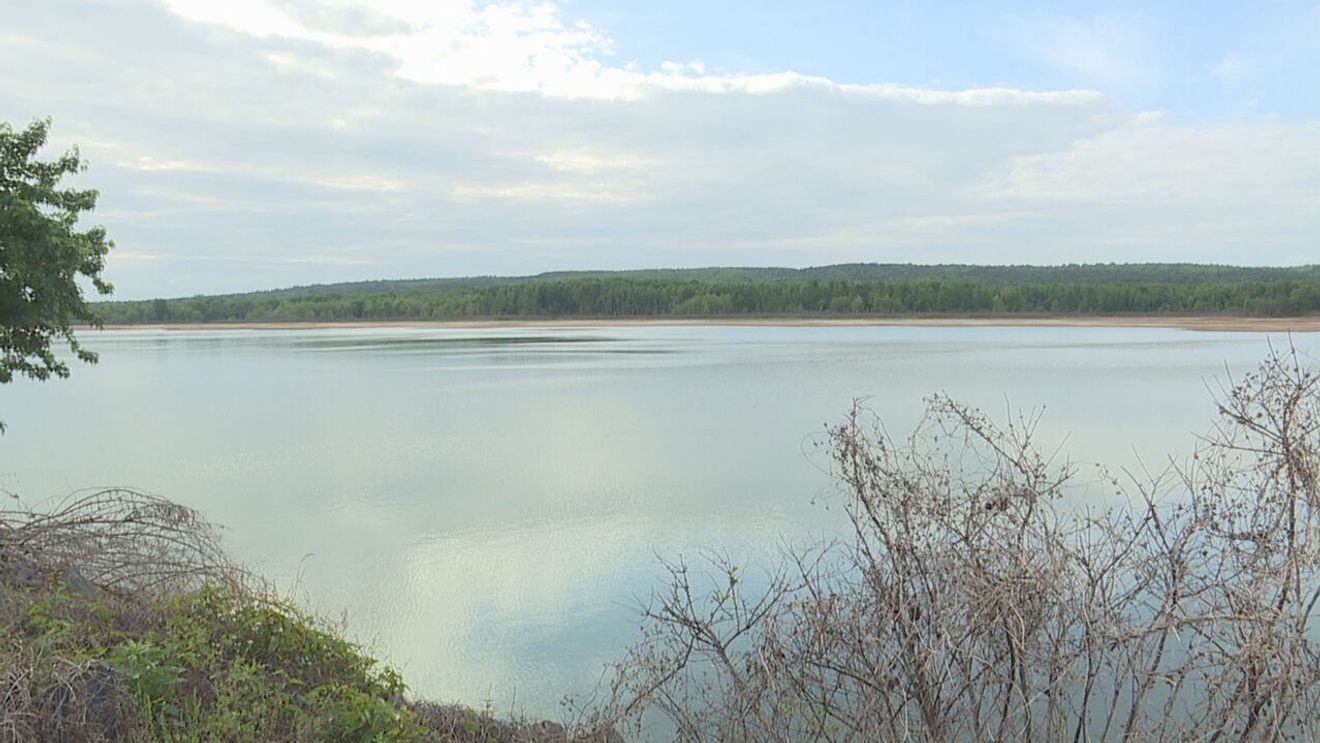
CONWAY, Ark. (KATV) — An unusually dry winter and spring have significantly reduced water levels at Brewer Lake, the primary drinking water source for tens of thousands of people in central Arkansas, prompting officials to call for voluntary conservation measures.
The lake, which serves roughly 90,000 residents in the region, has dropped more than 10 feet below its normal level after months of below-average rainfall. Local leaders said recent precipitation has done little to reverse the decline, while water demand has remained steady.
In response, officials have implemented voluntary water curtailment and are urging residents and businesses to reduce usage before stricter measures become necessary.
To help stretch the existing supply, water providers have begun blending water from a secondary source. Even with that adjustment, officials emphasize that conservation remains critical as drought conditions worsen.
The water shortage has already led to visible changes in the community. In downtown Conway, organizers decided not to install the hundreds of hanging flower baskets that typically line the streets each spring during the Toad Suck Daze festival.
“Conway’s water situation 100% drove our decision to not be able to hang the baskets downtown,” said Jamie Gates, executive vice president of the Conway Area Chamber of Commerce.
The baskets, which require daily watering, were deemed an unnecessary use of water during the drought. Instead, they were sold to members of the public, with many going to areas without restrictions or to individuals using alternative water sources.
“It’s really about sending the right message, educating the public and doing the right thing,” Gates said. “It just wasn’t the year to use water where we don’t absolutely need it.”
Kim Williams, executive director of the Conway Downtown Partnership, said the decision was made in part to encourage residents to conserve water voluntarily.
“We voluntarily did not put them up to help conserve water and encourage people so that we do not go into mandatory water curtailment,” Williams said.
Officials describe current drought conditions in the region as historic and said even small steps, such as limiting decorative watering, can have a meaningful impact on preserving the water supply.
They warn that if voluntary efforts fail to stabilize lake levels, mandatory restrictions could be implemented.
For now, leaders are urging residents to remain mindful of their water use until conditions improve and the reservoir returns to normal levels.