
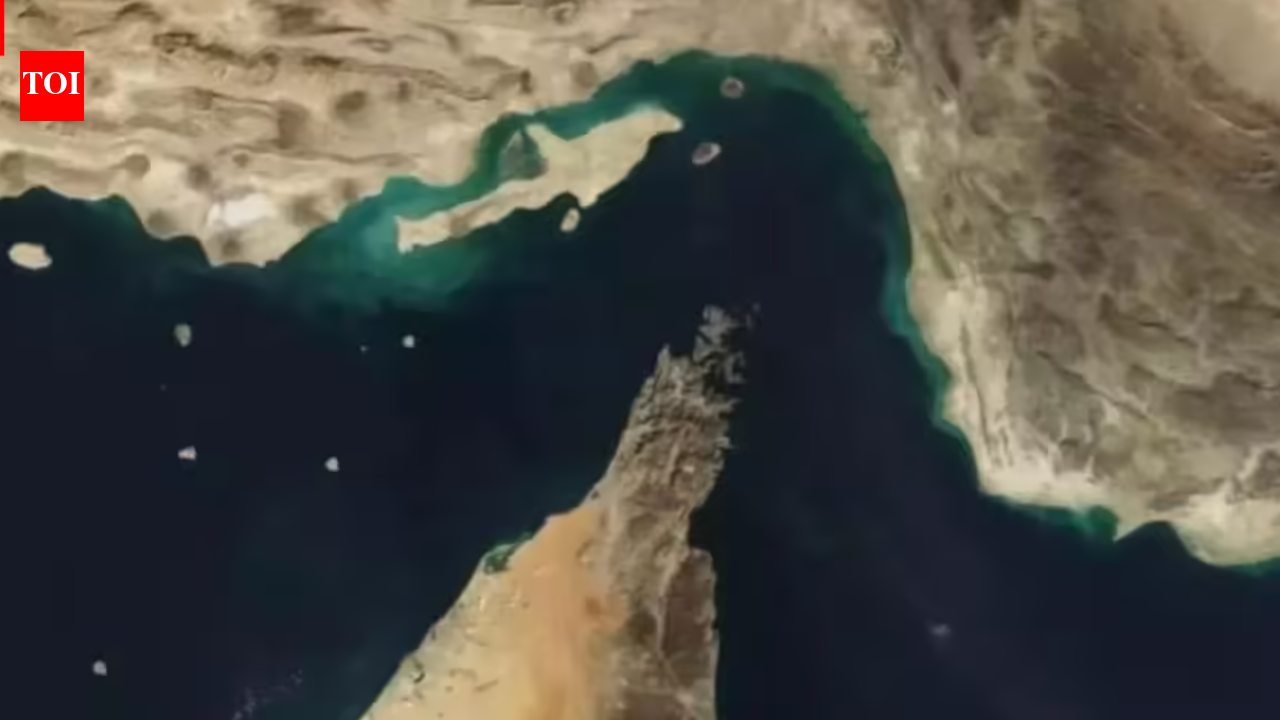
The United States has significantly tightened financial pressure on Iran through its naval operations in the Gulf of Oman and surrounding routes, with the Pentagon estimating losses of nearly 4.8 billion dollars in Iranian oil revenue. The assessment, reported by Axios, points to sustained disruptions in Tehran’s ability to export energy, a key source of national income.
Officials say the blockade is focused on enforcing sanctions and curbing maritime trade linked to Iran’s oil shipments. The Strait of Hormuz, a vital chokepoint for global oil flows, has remained at the centre of these tensions. US authorities argue that controlling this corridor allows them to directly impact Iran’s economic stability.
Pentagon spokesperson Sean Parnell, citing Press Secretary Joel Valdez, said the operation is achieving its intended impact. According to Valdez, the measures are designed to weaken Iran’s capacity to fund militant activity and destabilise the region.
The developments come amid an already fragile geopolitical climate, where energy markets and shipping routes are under constant strain. While Washington frames the blockade as a strategic necessity, it risks further escalation in a region that remains critical to global energy security and trade flows.
Trump defends Iran war, calls criticism ‘treasonous’
US President Donald Trump has sharply defended his administration’s military campaign against Iran, describing critics who question its success as “treasonous”. Speaking in Florida, Trump insisted that US forces have severely weakened Iran’s military capabilities, despite earlier claims from his administration that hostilities had formally ended.
Trump argued that the intervention was necessary to prevent Iran from developing nuclear weapons, claiming that such an outcome would have posed a direct threat to Israel, the Middle East and Europe. He credited US air strikes, including the use of B2 bombers, with halting Tehran’s alleged nuclear ambitions.
The president maintained that Iran’s military infrastructure has been dismantled, asserting that its naval and air capabilities have been effectively neutralised. However, he also signalled that negotiations remain unresolved, expressing dissatisfaction with Tehran’s latest proposal for peace talks.
Despite referencing a ceasefire, Trump made it clear that the United States would not withdraw prematurely. He warned that leaving too soon could allow the conflict to re-emerge within a few years. His remarks reflect a continued hardline stance, even as diplomatic channels remain open but uncertain.