
Just the opposite of new and improved!
Donald Trump has authorized a new pipeline project, the Prairie Connector, reviving parts of the canceled Keystone XL route, to import Canadian oil to Wyoming. The original 830,000-barrel-per-day Keystone XL was canceled in 2021. But this new 647-mile proposal from Bridger Pipeline LLC and South Bow Energy seeks to use some existing idled infrastructure to import 550,000 barrels per day. The Bridger Pipeline Expansion is in the early stages, with environmental impact statements being processed. Construction is aimed for 2027, with completion expected around 2028 or 2029.
The new project would move Canadian oil to Wyoming, utilizing roughly 70% of the originally planned rights-of-way. The original Keystone XL project, designed by TransCanada to connect Alberta, Canada to Nebraska was officially canceled after President Biden revoked its permit. The pipeline was a long-standing source of contention between environmental groups, who cited risks to the Ogallala Aquifer and greenhouse gas emissions.
The primary concern regarding the original and the new proposed route is that a potential oil spill would contaminate the Ogallala Aquifer, a massive underground water source that provides drinking water for millions and supplies roughly 30% of the groundwater used for irrigation in the United States.
(At this point, I’m obliged to remind the reader to whom energy independence is a priority that Canada is a foreign country, rendering the content of Keystone XL imported oil.)
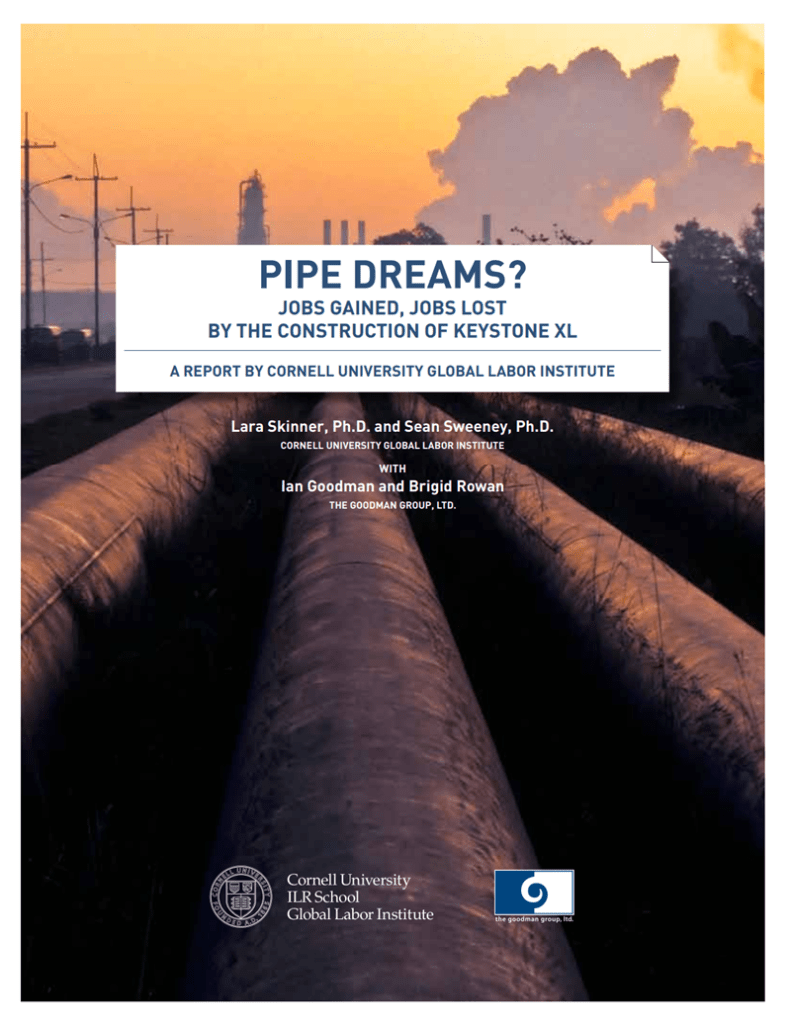
As for all the jobs Keystone XL is supposed to create, that myth was dispatched with long ago. (See Pipe dreams? Jobs Gained, Jobs Lost by the Construction of Keystone XL, a report by Cornell university global labor institute.)
Not all crude oil or methods of taking it from Mother Earth are created equal. Keystone XL crude and how it’s obtained is as lethal as it gets.
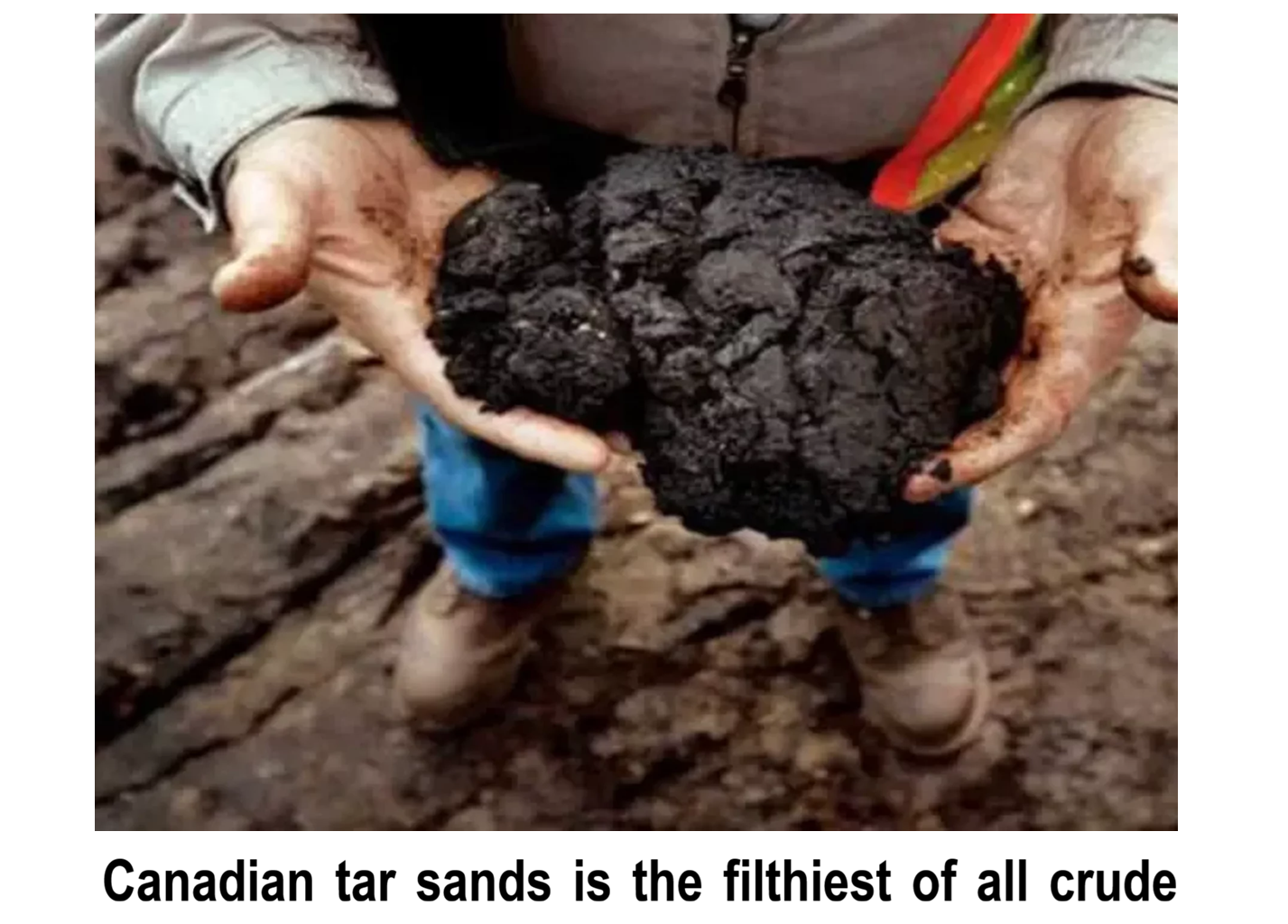
The oil Keystone XL will foist on an unsuspecting market is extracted from something known in the industry as tar sands.
Pollution from tar sands oil eclipses that of conventional oil. Due to more energy-intensive extraction and refining processes the mere production of tar sands oil produces levels of carbon dioxide emissions three times higher than those of conventional oil.
Each day Prairie Connector would carry 500,000 barrels of tar sands oil into the United States, doubling our country’s reliance on Canadian oil and resulting in climate-damaging emissions equal to the addition of more than six million cars to the nation’s roads.
But the assault on our little corner of the planet doesn’t stop there.
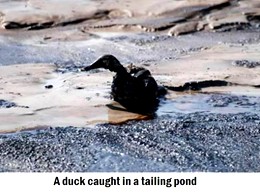
Extracting oil from tar sands oil extraction requires vast amounts of water to separate the extracted product from sand, silt, and clay. It takes three barrels of water to extract one barrel of oil. Tar sands operations currently use about 500 million gallons of fresh water a day. After it’s used, ninety percent of this polluted water is dumped into large human-made pools called tailing ponds. Such ponds are home to sludge full cyanide, ammonia and other toxins. These poisons have worked their way into neighboring clean water supplies.
One of Koch Industries’ businesses currently handles about 25% of tar sands imports into the US. In fact, they’re one of the biggest refiners of Alberta oil sands crude oil. Furthermore, Koch subsidiary Flint Hills Resources operates a Minnesota refinery that’s capable of processing 320,000 barrels of crude a day, about four-fifths of which is sourced from Alberta.
In architecture, a keystone is a central wedge-shaped stone of an arch that locks its parts together.
It is also called a headstone. When it comes to the Prairie Connector project, “headstone” seems the better name.
Daily Kos is free for everyone—no paywall, no barriers. Help keep it that way
Daily Kos is committed to keeping all our content free. That’s why we don’t have a paywall, and never will. However, Daily Kos’ revenue is down, and we may not be able to continue producing the quality of work you have come to expect from us. Donations from our readers are our largest source of income. If you value independent, accessible, paywall-free journalism, please consider making a donation today.
Power matters.