
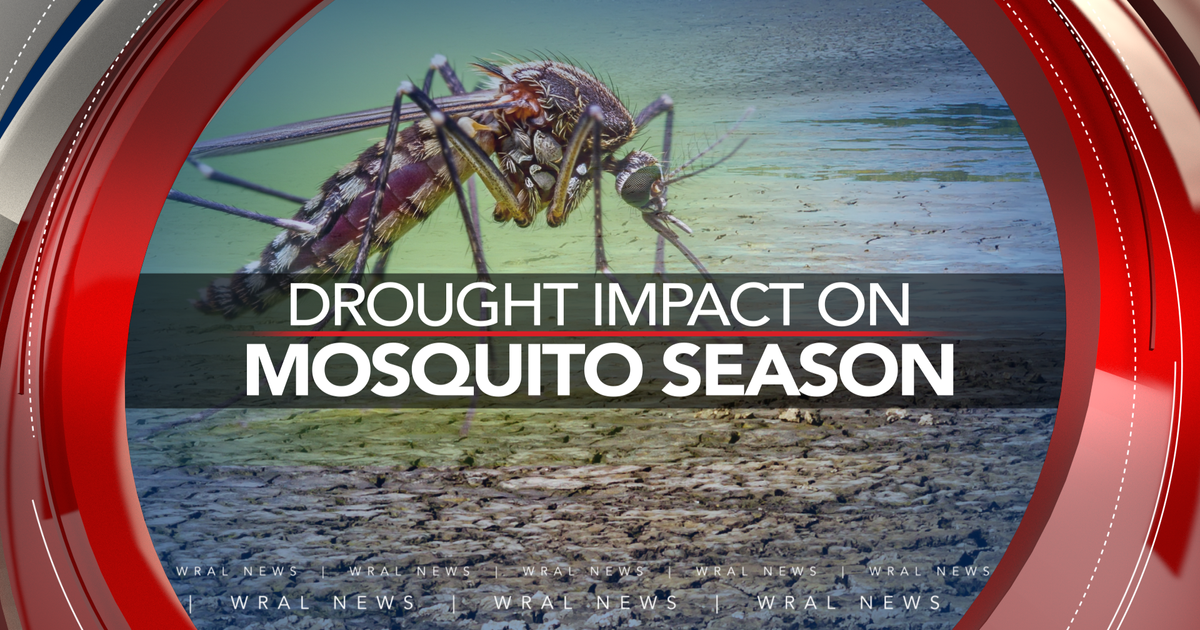
The drought Brings Fewer Mosquitoes, but Not Fewer Risks in
North Carolina
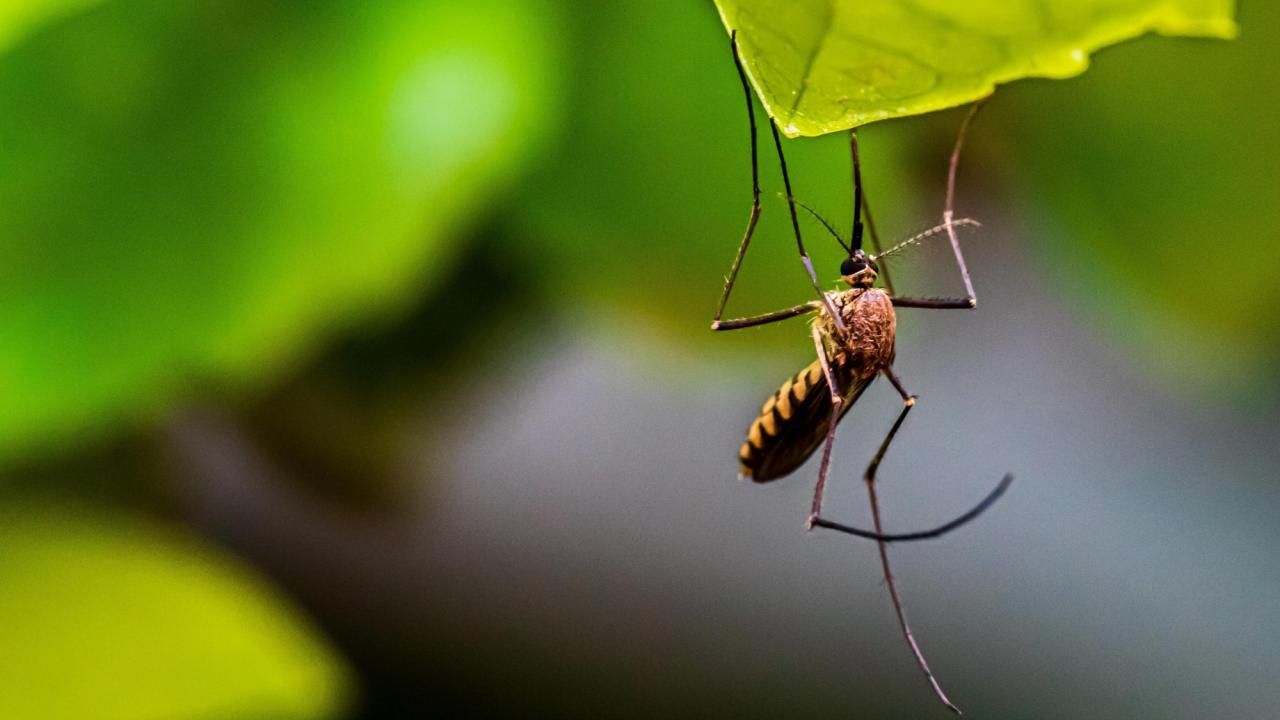
In a typical North Carolina summer, mosquitoes are a
constant nuisance. But this year’s dry conditions could offer some relief.
However, there might be a different kind of concern.
Jonathan Cawley knows the usual rhythm of mosquito season
well. As the owner of Organic Mosquito Control, he spends much of his time
helping customers reclaim their yards from biting pests. His approach often
includes creating a protective barrier around properties.
“We like to set a perimeter to keep the mosquitoes from
coming in from the neighbor’s yards,” Cawley explains.

But this year has been noticeably quieter for his business.
The drought has limited mosquito breeding grounds, leading to fewer calls.
“Typically, by this time of year we get ten or twelve new
customers,” he says. “This year, maybe three or four. If you don’t have
mosquitoes, you’re not thinking about it.”
Why Dry Weather Means Fewer Mosquitoes
It might seem counterintuitive, but cold winters aren’t the
main factor in reducing mosquito populations. The real driver is water, or the
lack of it. Mosquito larvae develop in standing water, so drought conditions
can significantly limit their numbers.
Even so, some areas of the yard can still attract them.
Cawley notes that dense vegetation, especially English ivy, can harbor
mosquitoes.
“They love English ivy,” he says. “So, we spray the English
ivy.”
The Hidden Danger of Drought
While fewer mosquitoes may sound like good news, experts
warn there’s a downside.
Elizabeth Gardner points out that drought conditions can
actually favor certain types of mosquitoes, particularly those that carry
diseases.
“Fewer mosquitoes sounds great, right? Well, there’s a
catch,” Gardner explains. “In drought years, the mosquitoes that carry West
Nile and other viruses can thrive in small puddles of polluted water.”
Michael Reiskind, an entomologist at NC State University,
echoes that concern. He studies mosquito populations across the state and notes
that drought can create ideal conditions for mosquitoes.

“When we have droughts, creeks dry down to stagnant pools,
and we can see an increase in these mosquitoes,” Reiskind says. “Now these
mosquitoes are not bad pest mosquitoes. You may not even notice them. But, they
transmit West Nile virus or St. Louis encephalitis virus, which can cause
disease in people.”
Protecting Your Yard
North Carolina is home to 62 mosquito species, and
researchers are constantly studying them to better understand and reduce
disease risks. One of the simplest ways homeowners can help is by eliminating
standing water. You should check for clogged gutters, clean out birdbaths,
check tarps or covers that collect rainwater, and check any containers or low
spots where water can pool. Removing these sources can significantly cut down
mosquito breeding.
A Temporary Break
While the drought has reduced the number of nuisance
mosquitoes, it’s not a permanent reprieve. As soon as wetter weather returns,
mosquito populations are expected to rebound quickly.
Until then, experts advise staying cautious. Even in a dry
year, the risk of mosquito-borne illness remains.
So, while you might be enjoying fewer bites for now, it’s
still wise to keep that bug spray within reach.