
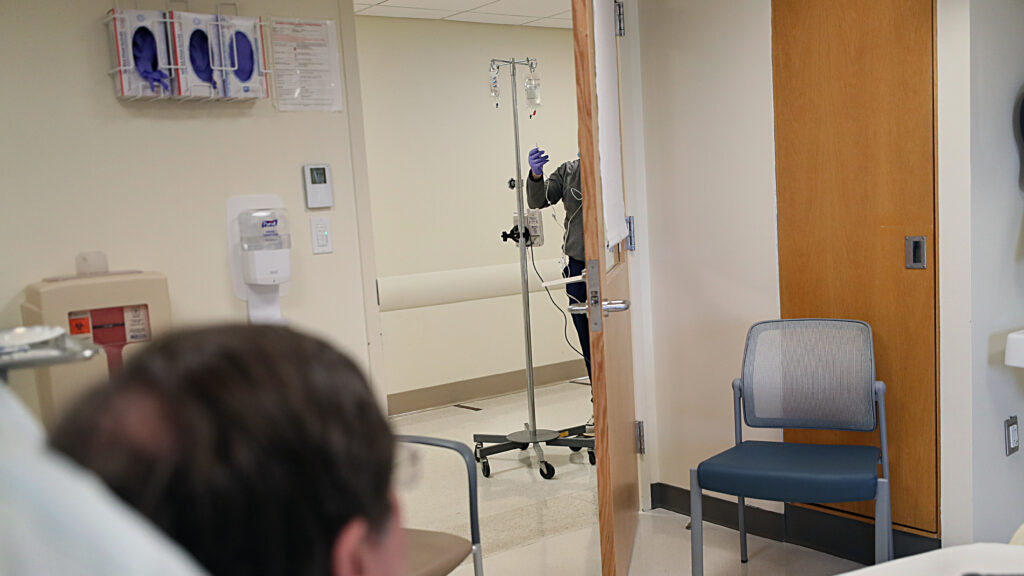
People on Medicare are not getting the recently approved Alzheimer’s medications nearly as much as federal officials anticipated.
Uptake for the drugs, Leqembi and Kisunla, has been so muted that Medicare is not forecasting significant spending on them in 2026 or 2027, a spokesperson for the Centers for Medicare and Medicaid Services told STAT. It’s a dramatic shift from two years ago, when Medicare projected it would spend billions of dollars annually on Leqembi alone.
The lower-than-expected spending lines up with the challenges that the Alzheimer’s drugs have faced since their approvals, neurologists and Medicare experts told STAT: The intravenous medications are not easy to administer and require a lot of imaging; the population of eligible patients is limited; and the drugs continue to have little meaningful benefits while carrying a risk of severe side effects like brain bleeding.
STAT+ Exclusive Story
Already have an account? Log in


This article is exclusive to STAT+ subscribers
Unlock this article — plus in-depth analysis, newsletters, premium events, and news alerts.
Already have an account? Log in
Individual plans
Group plans
To read the rest of this story subscribe to STAT+.