
CONCERNS are continuing to grow over how the hantavirus outbreak could affect the US after one American tested positive for the rat-borne disease.
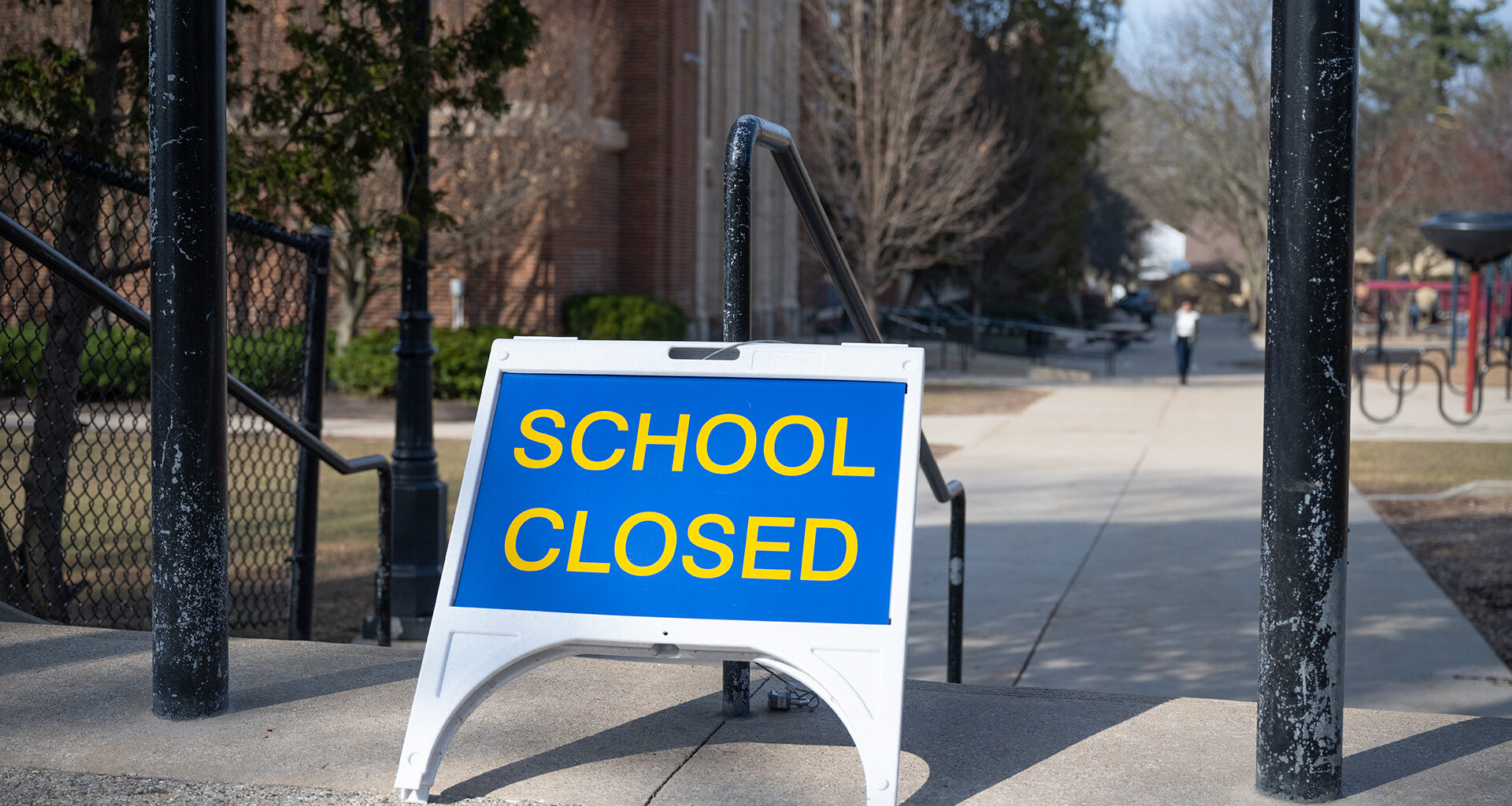
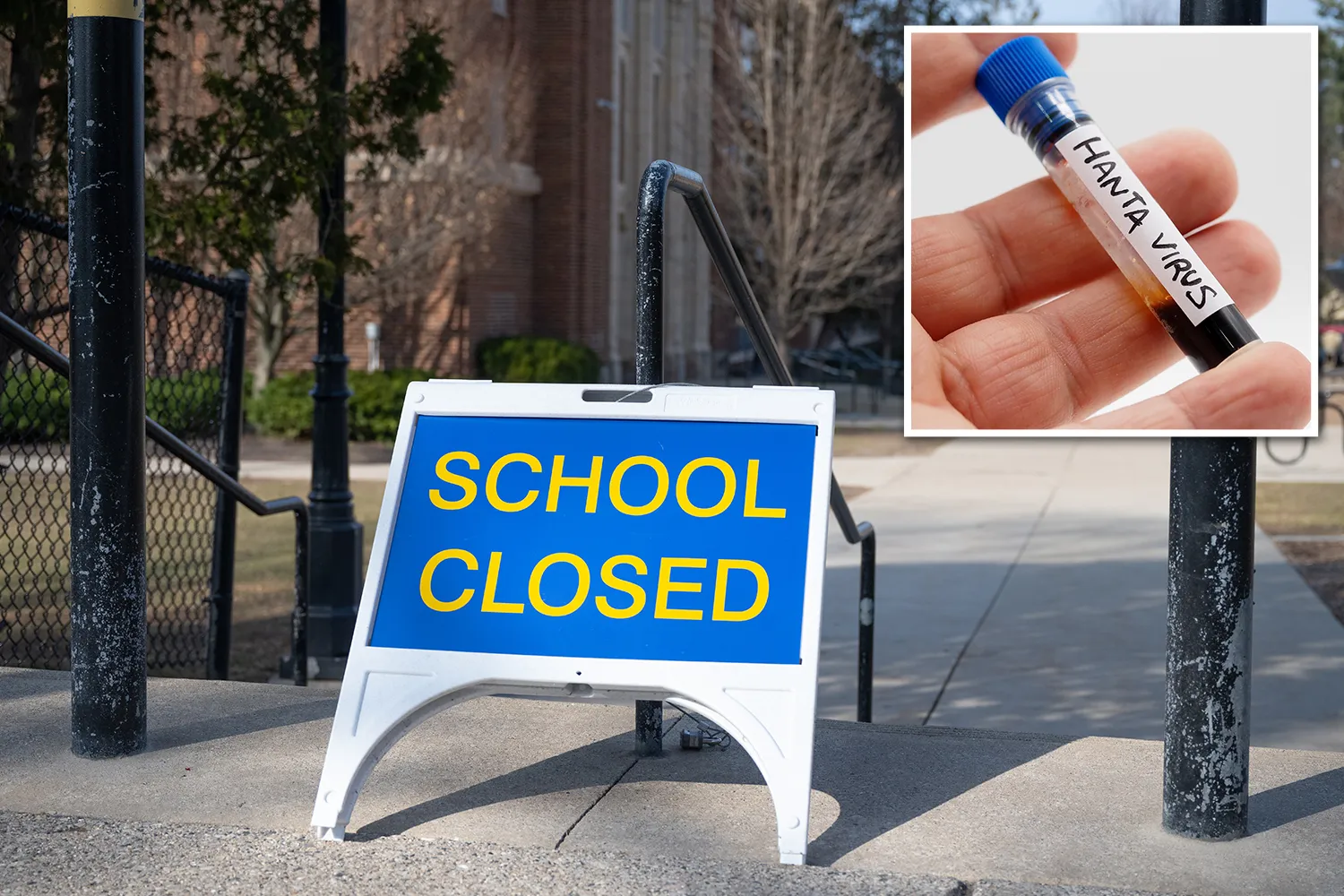
Some fear that schools could close if the hantavirus outbreak were to pose a greater risk to the public, but health experts have revealed an unlikely development would need to happen for a shutdown.
Sign up for The US Sun newsletter
Thank you!
Public anxiety has increased since a hantavirus outbreak occurred on the MV Hondius cruise ship, leaving three dead and several others infected Credit: AFP
Americans have raised concerns that schools could close if the outbreak grows to be a bigger public risk (stock photo) Credit: Getty
Since the outbreak began on MV Hondius cruise, three people have died and several others have tested positive for hantavirus, a rare rat-borne illness typically spread through contact with infected rodents.
The World Health Organization previously confirmed the strain in the outbreak is the Andes Virus, which can be transmitted between humans through prolonged and close contact.
Eighteen Americans, including one British dual citizen, who decided to quarantine in the US, landed in Omaha, Nebraska just before 2:30am on Monday after being evacuated from the cruise in Tenerife, Spain.
Officials confirmed that one American tested positive for hantavirus and another was showing mild symptoms, but later tested negative, after they were flown to the US.
GREAT CAUTION
Eighteen Americans from rat virus ship land in US & sent to quarantine unit

VIRUS SPREAD
Third passenger tests positive for Hantavirus as ship leaves Tenerife
The pair were later transferred to Emory University’s Serious Communicable Diseases Unit in Atlanta for treatment while the remaining 16 Americans were housed at a state-of-the-art quarantine center in Nebraska.
Public anxiety has increased since the outbreak began, with some parents worried that schools could close like they did during the Covid-19 pandemic.
Dr. Jennifer Dunphy, a doctor of public health based in California, told The U.S. Sun on Tuesday that school closures are unlikely.
“Right now, there’s really almost zero probability that we would need to close schools for this virus, and the primary reason is the transmission rate,” she said.
Dr. Jennifer Dunphy said school closures are unlikely because of the low transmission rate for the hantavirus outbreak Credit: Dr. Jennifer Dunphy
Jill Roberts, a professor at the University of South Florida’s College of Public Health, said the virus would need to undergo mutation to become a real issue in the US Credit: Courtesy University South Florida
Hantavirus is a rare rat-borne illness that humans can contract when coming into contact with infected rodents or their urine, saliva or feces Credit: Shutterstock Editorial
Eighteen Americans were flown to the US after being evacuated off of the luxury cruise ship on Sunday Credit: Reuters
Dunphy believes that schools closed during Covid as a precautionary measure because the virus was unknown at the time.
“When we closed schools, we weren’t sure or confident how Covid was going to impact children.
“Hantavirus has been around for a very long time. We know a lot about it. We know how it acts. We know how it behaves and its been considerably stable. So because of that I think that school closures are unlikely.”
Dr. Jill Roberts, a professor at University of South Florida’s College of Public Health, spoke with The U.S. Sun on Tuesday, and also said school closures are “highly unlikely” as there has been a lack of person-to-person spread of the Andes Virus in the US.
“The virus would need to undergo mutation(s) to allow it to spread by this route effectively to cause a real issue in the US,” Roberts said.
“Even if this were to occur, the negative reception to closing schools due to Covid would likely prevent school closures unless cases were very widespread.”
Roberts said in a worst case scenario, the virus could mutate and gain the ability to spread efficiently between humans.
“The panic alone would be sufficient to close schools,” she said.
However, Roberts said this won’t happen, as in the years since the Andes Virus has been discovered, it has not mutated to spread effectively.
Dunphy echoed Roberts’ comments about a mutation, and said while a mutation would increase transmissibility across the population, it’s unlikely that one will take place.
“Right now we’re seeing an extremely stable virus. And we’re not seeing any changes in the virus,” she told The U.S. Sun.
“Here, we do not have millions and millions of opportunities for mutation because we have only a few infected people. So the likelihood of a favorable mutation happening that then results in more transmission is very unlikely in this scenario.”
What is Hantavirus?
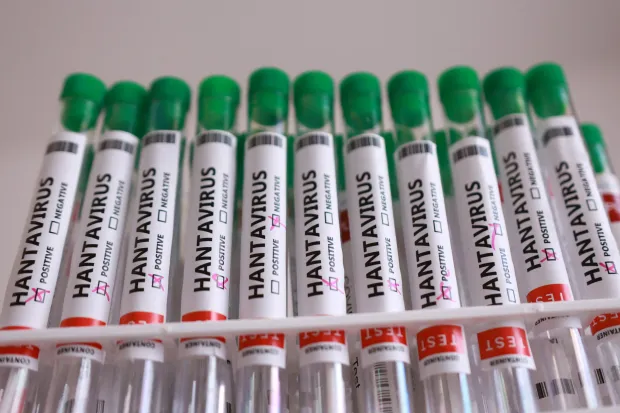
Hantavirus is a class of virus and a rare disease that humans can contract when coming into contact with infected rodents or their urine, saliva or feces.
The Andes virus is the only type of hantavirus that is known to spread between humans and is typically only limited to those who come in close and prolonged contact with an ill person.
Hantavirus was first recognized in the United States in 1993 after it was discovered in the Four Corners region, where New Mexico, Arizona, Colorado and Utah meet.
Between 1993 and 2023, there were 890 cases of hantavirus reported in the US.
Those who contract the virus may have early symptoms of fatigue, fever and muscle aches. About half of all people who contract the disease can experience dizziness, chills, headaches, nausea, vomiting, diarrhea and abdominal pain.
Hantavirus can be deadly if it involves the heart, lungs or kidneys.
Thirty-eight percent of people who develop respiratory symptoms, which typically happen four to ten days after the initial phase of illness, may die from the disease.
In 2025, eight countries in the Region of the Americas, reported 229 cases of hantavirus and 59 deaths.
There are no specific treatments nor vaccines for hantavirus, but early supportive care and immediate referral to a facility with an ICU can improve survival.
Sources: The Centers for Disease Control and Prevention and the World Health Organization.
In the areas where Andes Virus has a greater presence, such as South America, there are typically measures taken to ensure “careful cleaning to decontaminate rodent urine, [and] eliminating rodents in schools,” according to Roberts.
“Hantavirus is not a risk; however, other viruses such as measles and influenza are risks for school-aged children,” she said.
“Schools should be far more concerned about measles and plan accordingly.”
Roberts added that schools likely wouldn’t be a breeding ground for hantavirus as close contact is necessary to spread the disease.
“Close contact with infected individuals is needed, few of which exist in the US, and therefore, there is no reason to expect the virus to spread widely in the US,” she said.
WHO Director-General Dr Tedros Adhanom Ghebreyesus has insisted in recent days that “This is not another COVID.”
President Donald Trump said on Monday that hantavirus is “much harder to catch” than COVID-19.
“It’s in certain ways very hard to spread … We’ve lived with it for years, many years, and we think we’re in very good shape,” the president said.
“We’re very careful, and Nebraska has done a fantastic job.”
At least a dozen countries have been monitoring citizens who returned home from the luxury cruise ship.
The 16 Americans at Nebraska’s National Quarantine Unit will need to quarantine for 42 days and are set to undergo a few days worth of testing.
US officials said on Monday passengers can choose to do their 42 days of monitoring at the quarantine unit or at home if they are symptom free and have somewhere to isolate away from people.
Several other American tourists remain under medical observation throughout the country after they disembarked the ship prior to the evacuation.
State health officials have confirmed that two people in Texas, who left the ship before the outbreak was found, have been monitoring themselves and are checking in with officials.
Georgia is observing two residents, while Arizona and Virginia keep an eye on one individual each.
New Jersey is also observing two residents and California officials confirmed they are in contact with one person who got off the ship.
Health officials in each state have said that none of the passengers are showing symptoms.