
Today, I release my long list for the 2026 NHL Draft, showing where I stand on the top prospects in this draft class.
Overall, I think the 2026 class is below average, led by a strong group of defensemen but a slightly underwhelming group of top forwards. The bulk of the first round is typical, but the very top lacks premier talent. The goalie crop is quite decent, being one of the better collections of netminders since the run of first-round goalies over five years ago.
I have a top group of five players, and ultimately, the No. 1 spot on my list was a near five-way tie among three defensemen and the two dynamic wingers, Gavin McKenna and Ivar Stenberg. Given how close the evaluations are, my approach is always to lean toward the defensemen. I realize saying that will ruffle some feathers, but I owe it to my readers to tell them what I think, even if it’s unpopular.
Tier Tier 1 Tier 2 Tier 3 Tier 4
Position C D G LW RW
League CZECHIA CZECHIA-JR. FINLAND FINLAND-JR. GERMANY HIGH-MN LATVIA NCAA (BIG10) NCAA (H-EAST) NCAA (NCHC) NTDP – USHL OHL QMJHL RUSSIA-2 RUSSIA-JR. SLOVAKIA SWEDEN SWEDEN-2 SWEDEN-JR. SWISS USHL WHL

Loading
Try changing or resetting your filters to see more.
Tier 1
Tier: Top of the lineup player
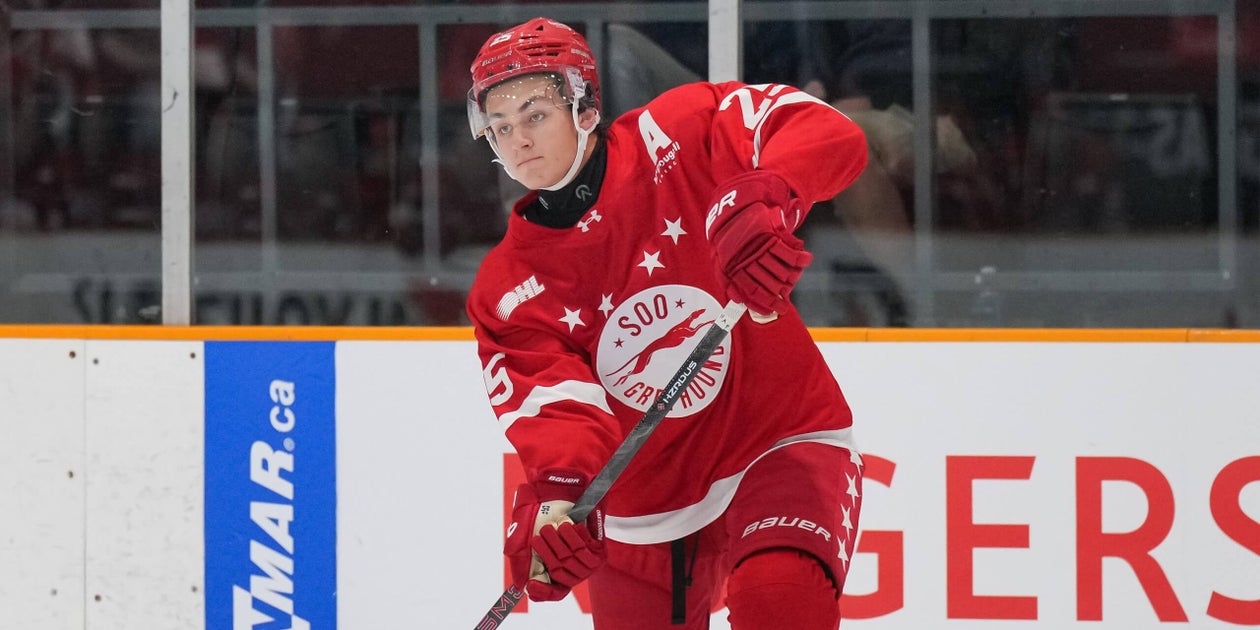
Reid is a talented defenseman with a lot of offensive tools. He has the speed, hands, vision and shot to generate chances and be a leading scorer for an NHL team. Reid can create in transition and off the blue line with his feet and creativity, showing high-end improvisation skills. Reid isn’t overly physical, but he works hard enough and makes plenty of stops due to his reach, feet and compete level even while playing an aggressive style of play offensively. He projects as a major minutes NHL defenseman who can run a first power play.
Photo:
Soo Greyhounds / OHL Images
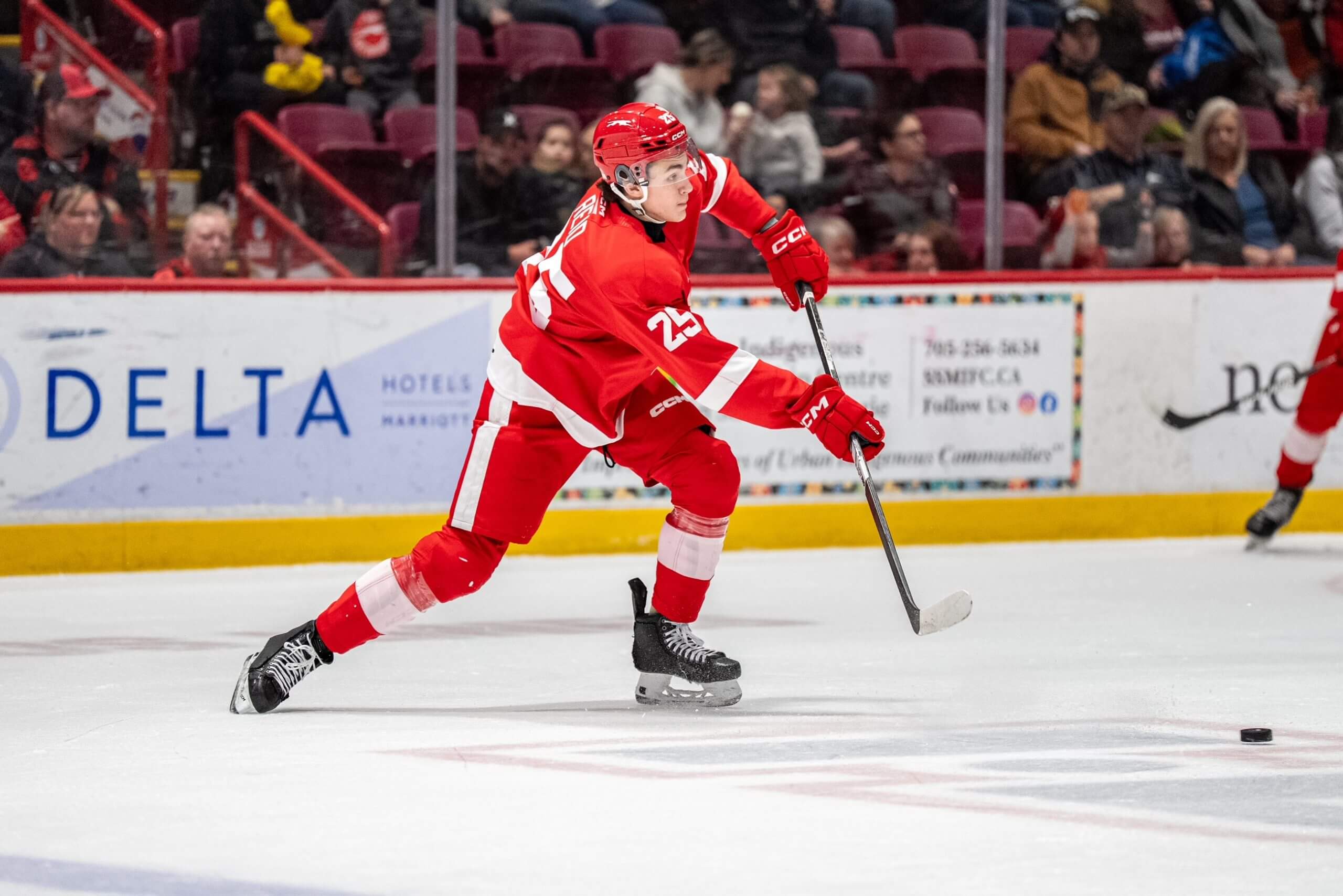

Smits is a tall defenseman with impressive mobility and smarts. He can make a reliable first pass and has a big point shot, projecting to have quality amounts of offense at the top level. He isn’t a super smart puck-mover, but there’s enough touch in his game to project to be reliable with the puck in the NHL. He defends very well due to his length and feet, while also competing hard and being willing to play the body. He projects as a top-pairing defenseman.
Photo:
Michael Miller / Getty Images
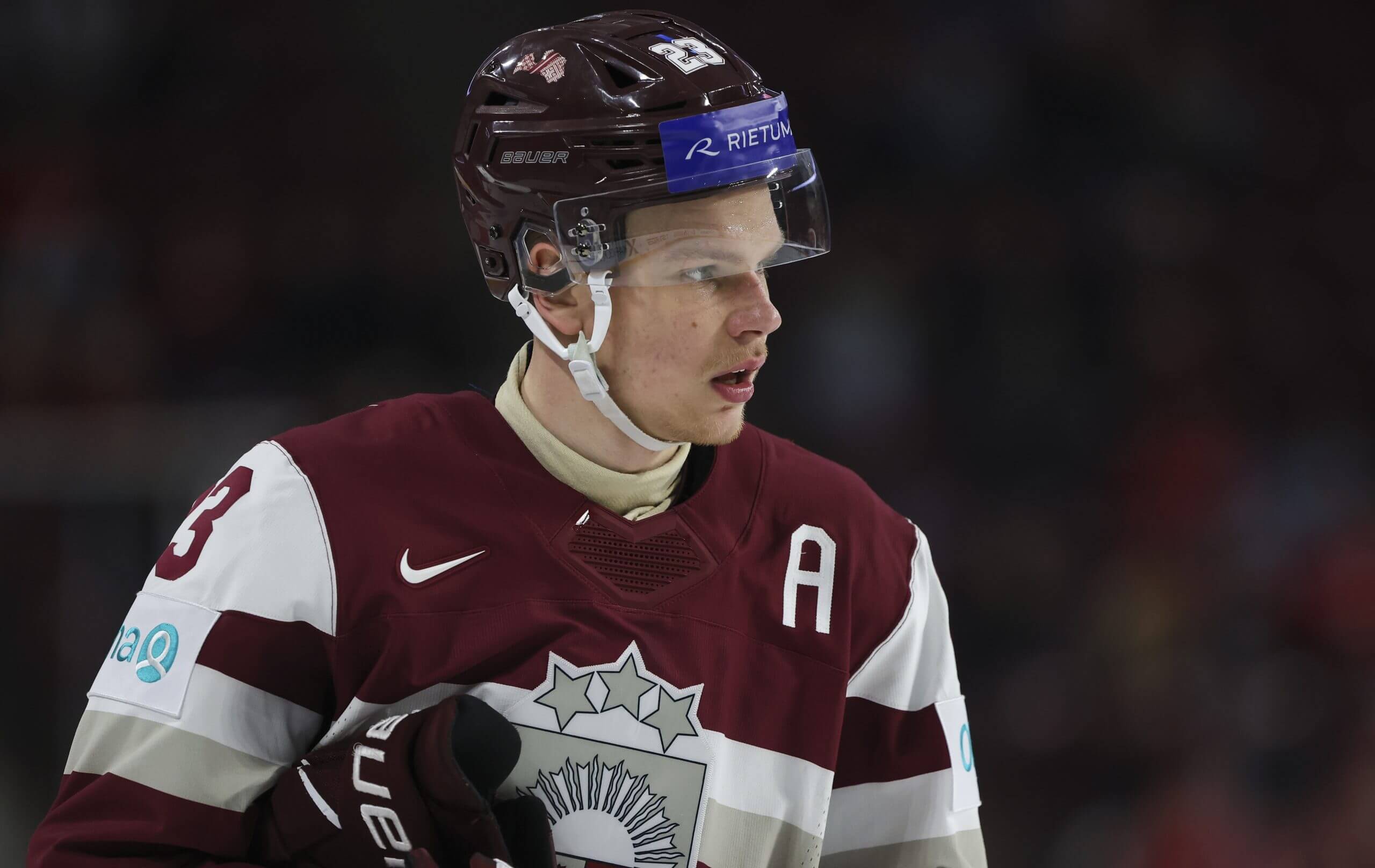
Verhoeff is a big two-way defenseman. He’s a strong skater, especially for his size. He isn’t flashy, nor is he overly creative offensively, but he has good skill, sees the ice well and makes difficult plays with a great point shot that will be a threat in the NHL. His decision-making at times can leave you wanting, though. He’s hard on his checks and uses his size. In college, he wasn’t a hard minutes defenseman this season, but he has been at the junior level, and he was a 17-year-old on a top college team. He projects as a tough-minutes top-pair defenseman in the NHL who could score at a quality clip.
Photo:
Steven Ellis / Daily Faceoff
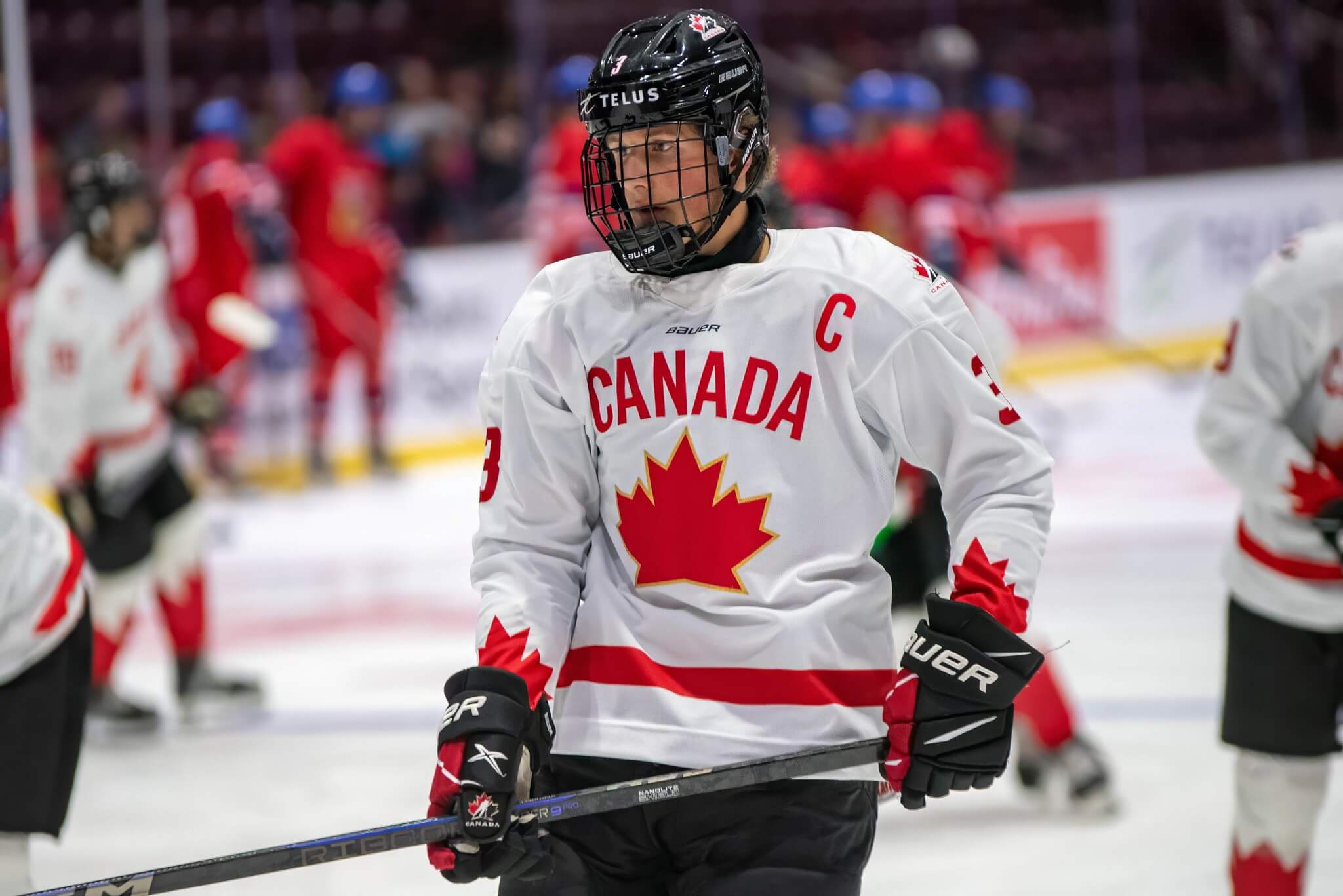
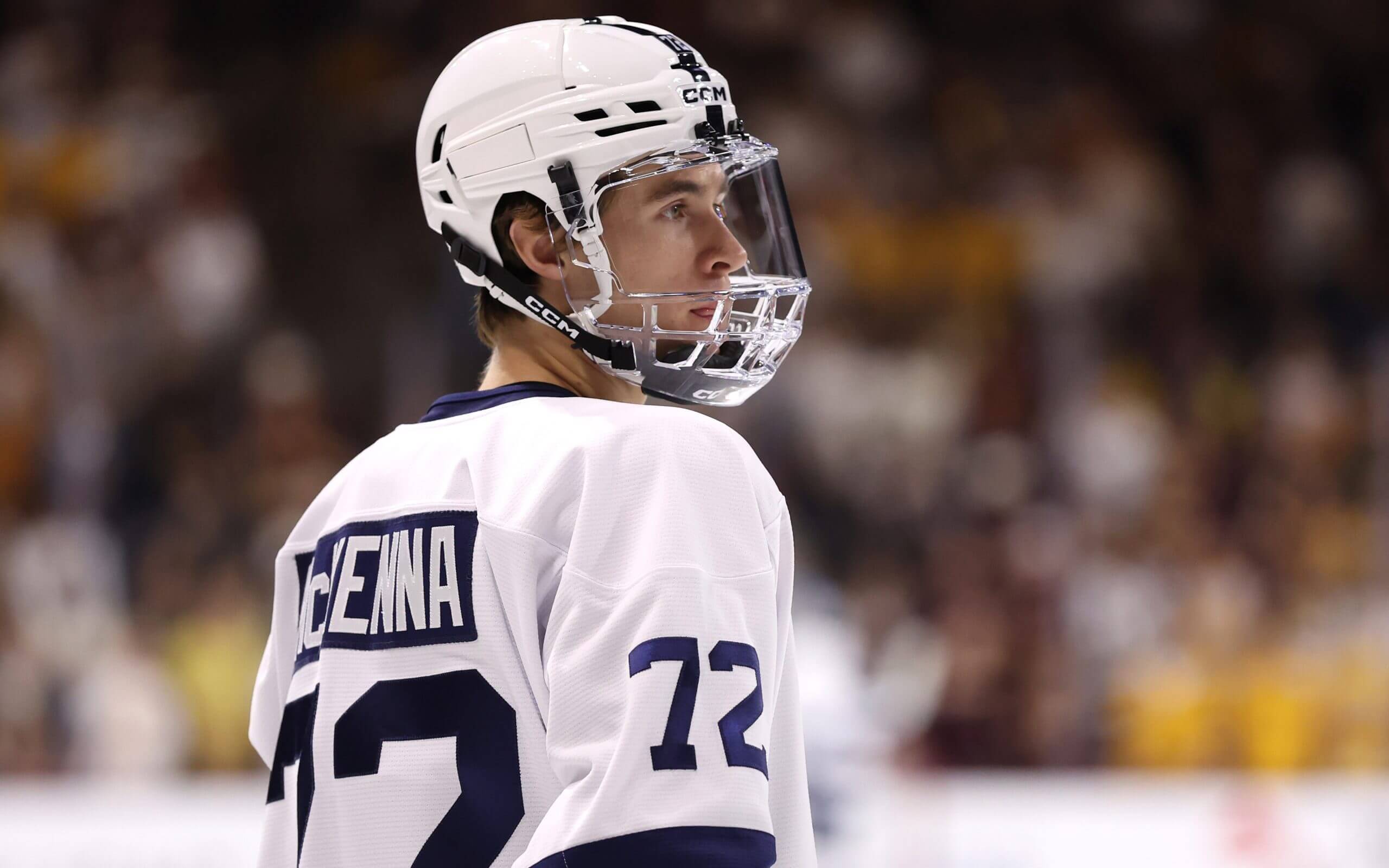
McKenna possesses off-the-charts puck skills, vision and overall offensive creativity. He’s a strong skater who can generate a ton of chances with pace. He’s a pass-first player who projects to run a power play at a high level due to his elite playmaking ability. He’s not overly physical and can be pushed to the outside too much, but despite his frustrating tendencies, coaches still tend to play him a ton at every level. He projects as a top-line winger who can run a PP1.
Photo:
Chris Coduto / Getty Images
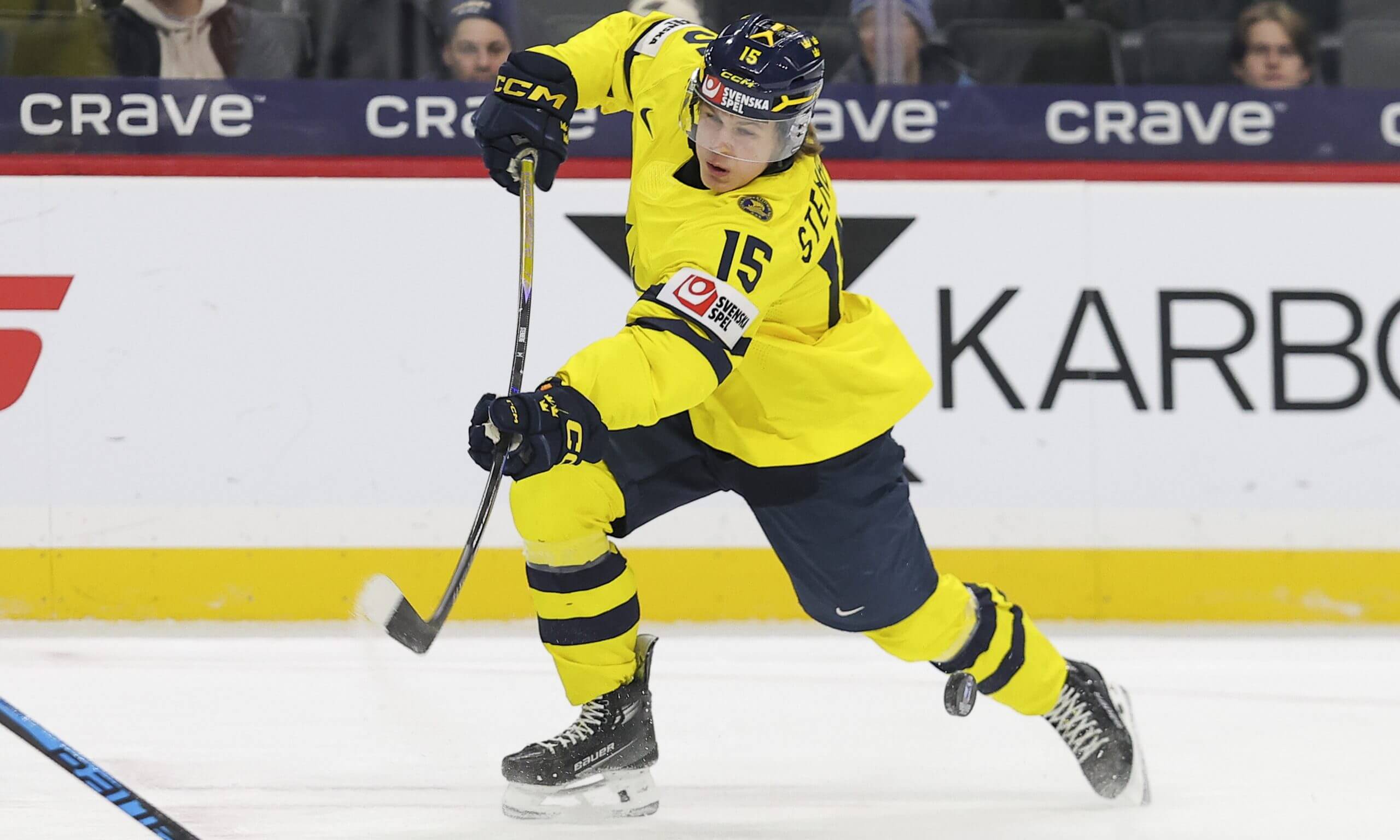
Stenberg is an electric offensive talent. He’s a high-end puck handler, passer and shooter who can make difficult plays with the puck routinely and is a natural scorer. He isn’t that big or mean, but he works hard and has shown he can win battles against men. His frame and good (but not great) small-guy skating will be concerns on his NHL projection. He could be a top-line winger.
Photo:
Michael Miller / Getty Images
Tier 2
Tier: Bubble top and middle of the lineup player
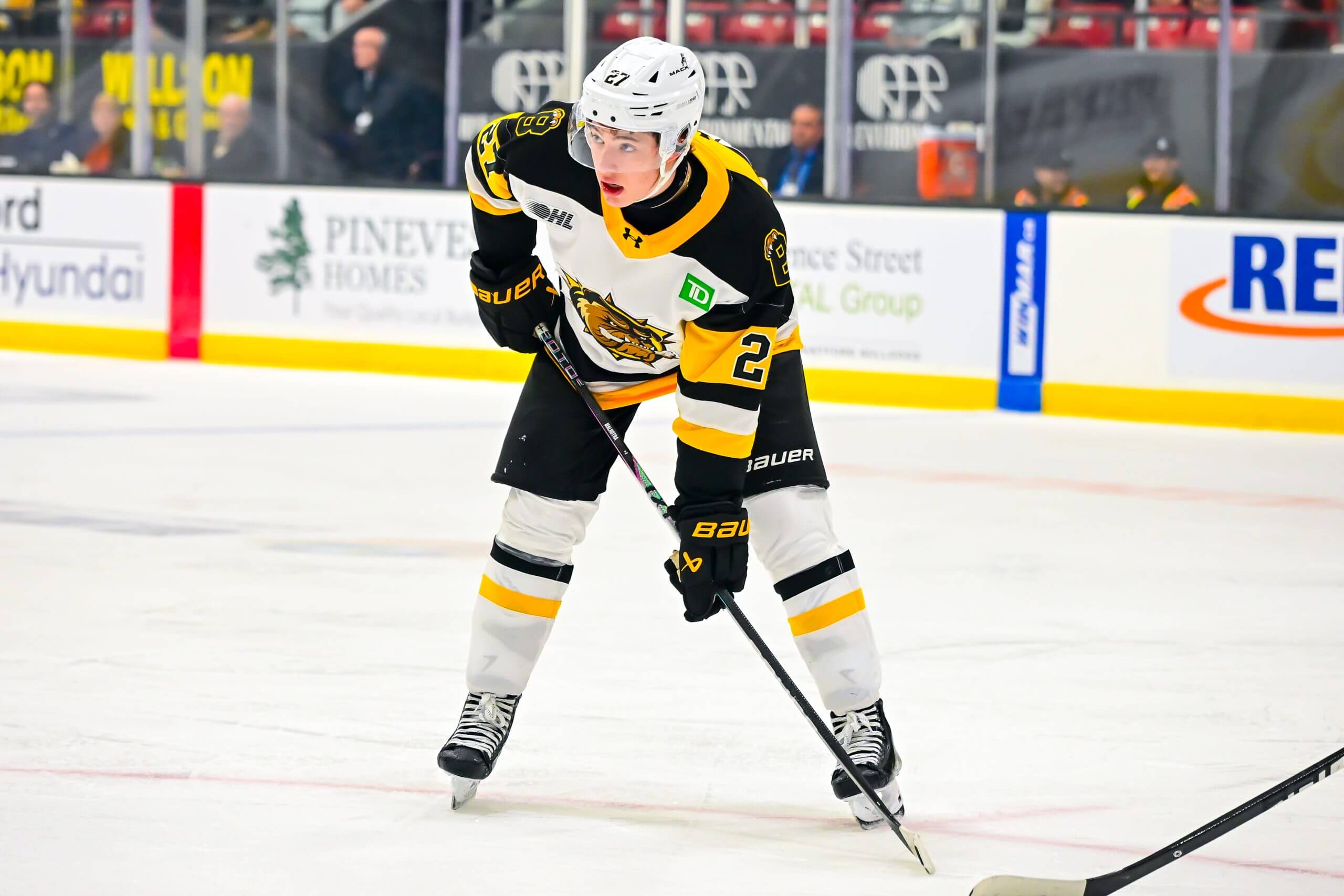
Malhotra is a very skilled center who can make a ton of creative plays. He’s fast and attacks with pace. He breaks down opponents one-on-one very well and is a great passer. There is a minor question about how truly dynamic his offensive game is, but he projects to put up points in the NHL. Malhotra competes hard, showing a detailed two-way game and potential to play difficult minutes as a pro. He projects as an all-around top-six center.
Photo:
Brandon Taylor / OHL Images
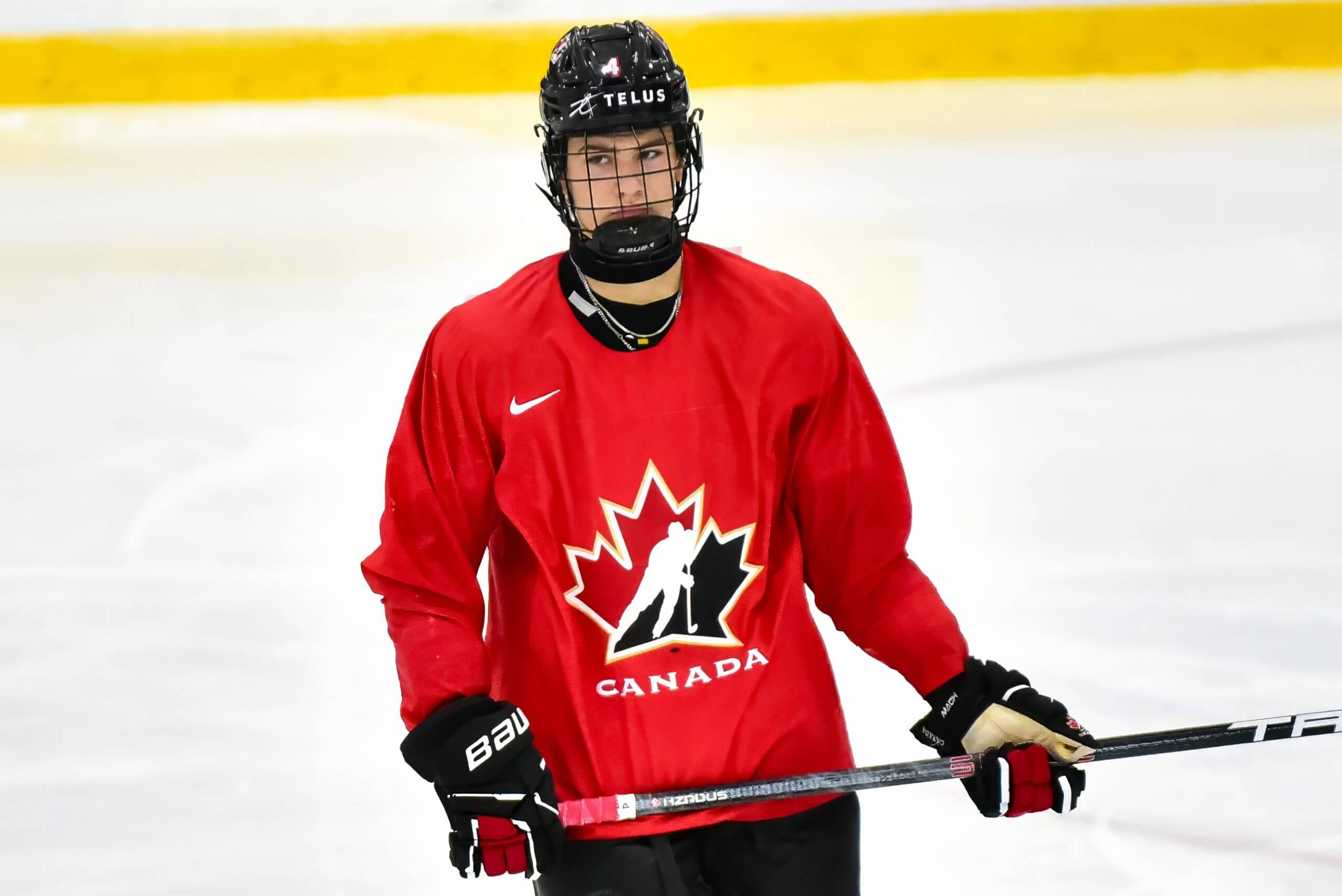
Carels is a strong two-way defender. He’s a powerful, fluid skater who can get up the ice easily. He closes on checks well, using his feet and body to break up a lot of plays. He has an edge in his game and plays with a lot of physicality. Carels has good hands and vision and can activate into plays. He doesn’t project as a PP1 type in the NHL, but he should generate offense. He could be a great top-four defenseman who will play significant NHL minutes.
Photo:
Steven Ellis / Daily Faceoff
Rudolph is a super smart defenseman. He displays great touch, poise and vision with the puck and can run a power play quite well. Rudolph is a mobile defender who can lead a rush, closes on checks effectively and is a solid defender who competes fine despite not being overly physical, using his long reach to break up plays. He projects as a quality top-four defenseman who could QB a power play.
Photo:
Steven Ellis / Daily Faceoff
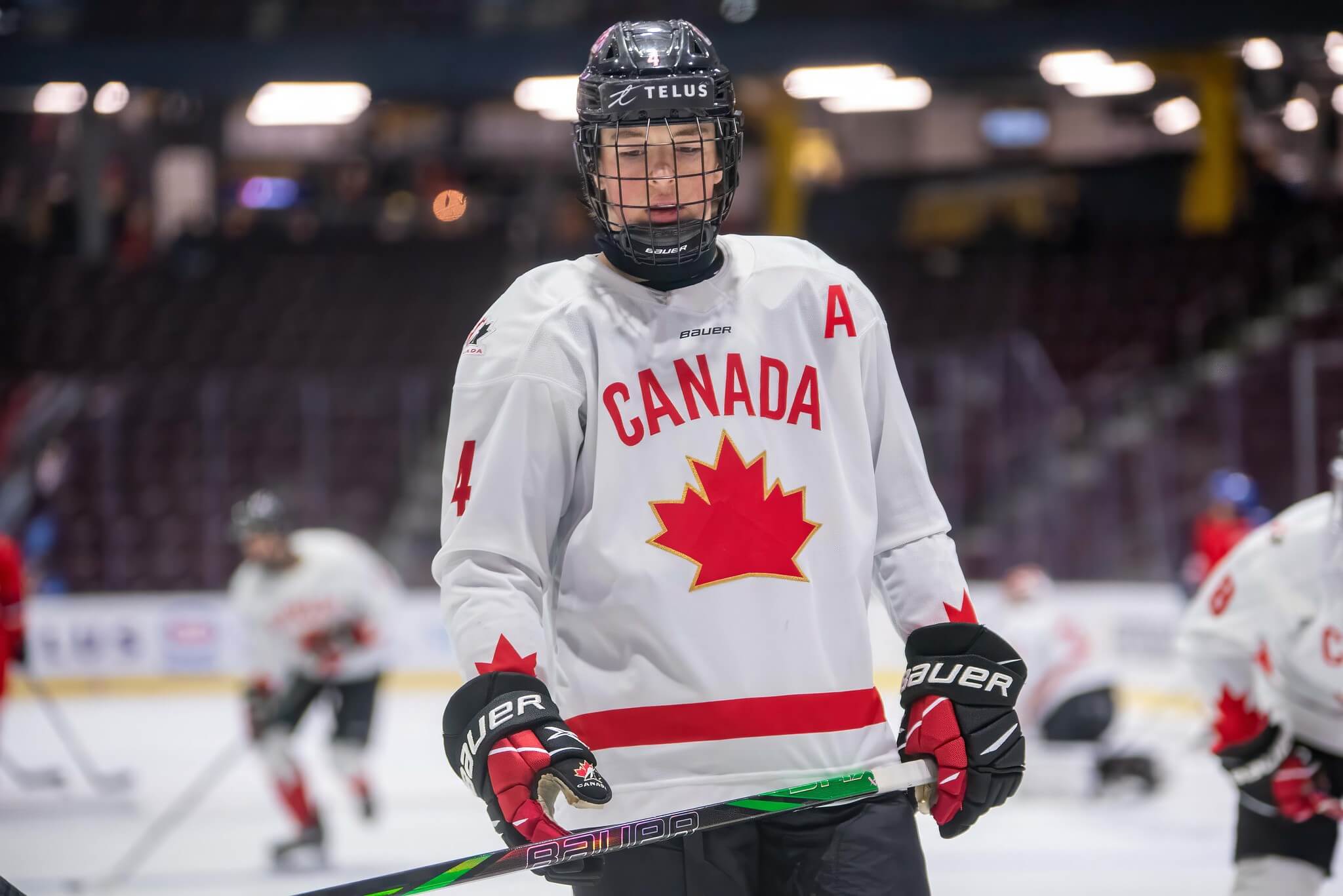
Gustafsson is a large defenseman who is quite mobile for his frame, competes defensively and has quality offensive skills. His puck play isn’t anything special, but he has good hands and IQ and can make all the basic plays while showing enough poise to create secondary offense in the NHL. Gustafsson shines defensively, with excellent gap control and a heavy element in his game. He projects as a top-four defenseman who can match up with good forwards.
Photo:
Steven Ellis / Daily Faceoff
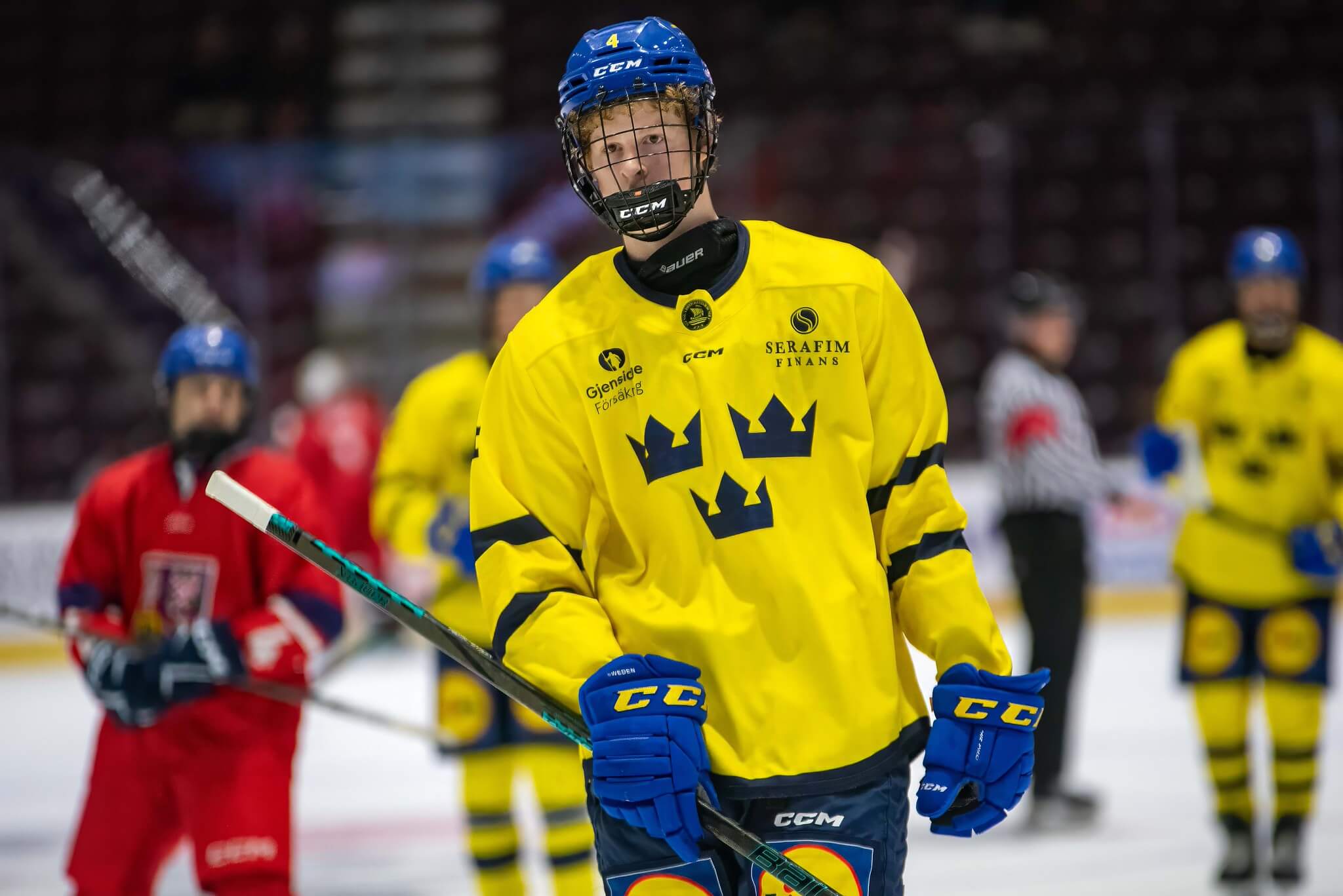
Cullen is a high-end skill winger with great touch and vision with the puck. He beats defenders one-on-one often with his speed and skill and has a great offensive imagination. Despite his aesthetic skills, his scoring hasn’t followed, and he struggles to finish chances. The hope is that, as one of the draft’s youngest players and someone who has gone through a massive growth spurt in the last 12 months, the production will come as he fills out physically. He competes well enough, he’s not very physical and can play too cute at times, but he wins puck battles and gets to the net to create chances. Cullen projects as a top-six winger.
Photo:
Rena Laverty / USA Hockey’s NTDP
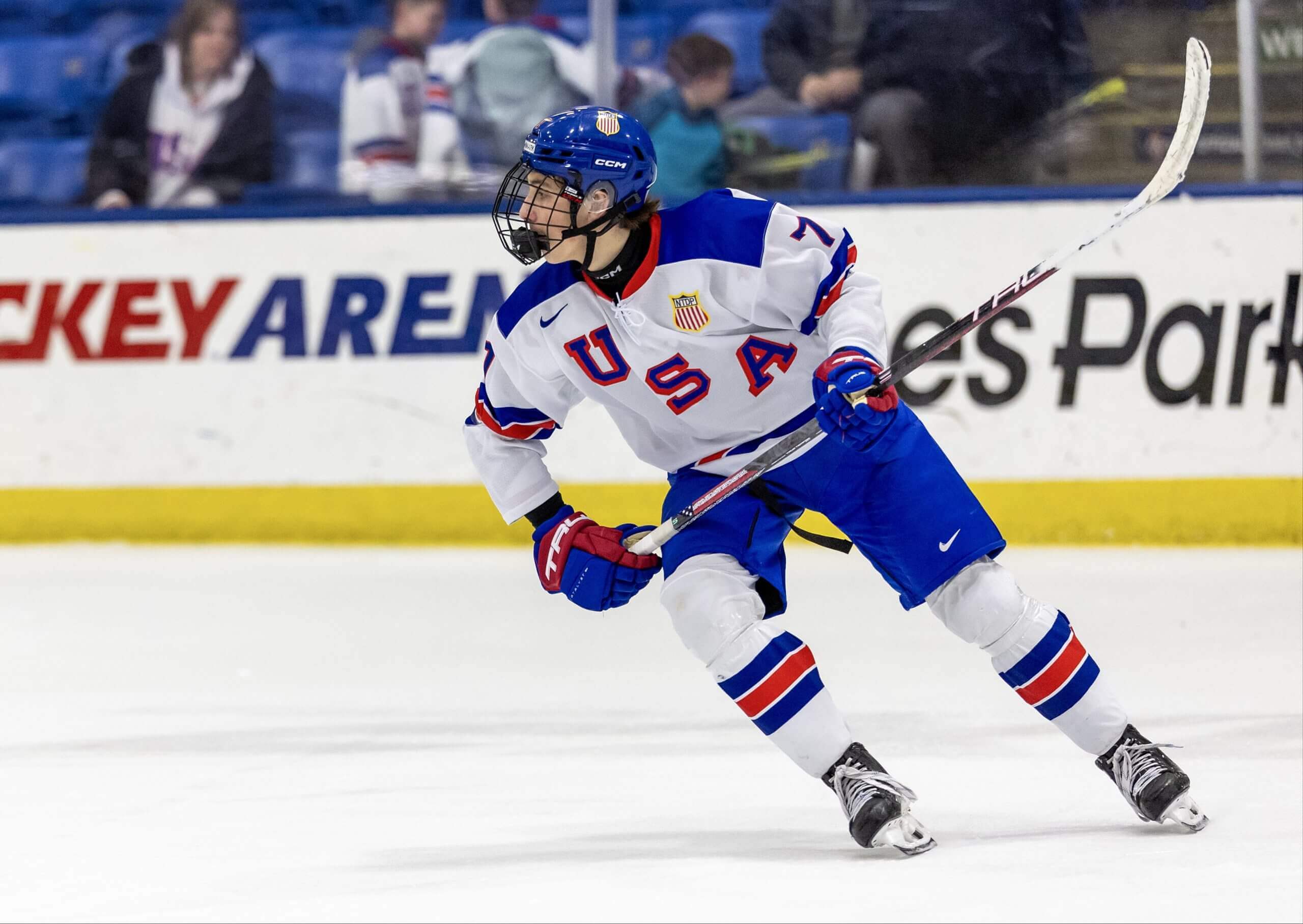
Hemming’s on-ice tools are highly intriguing. He’s a big winger with the speed and skill for the higher levels. He can make difficult plays with speed and has a good shot from range. Hemming uses his big body well, playing a heavy, highly physical brand of hockey. Whether the pure offense in his game will be truly elite is a minor question, but he projects as a hard-to-play-against top-six winger.
Photo:
Boston College Athletics
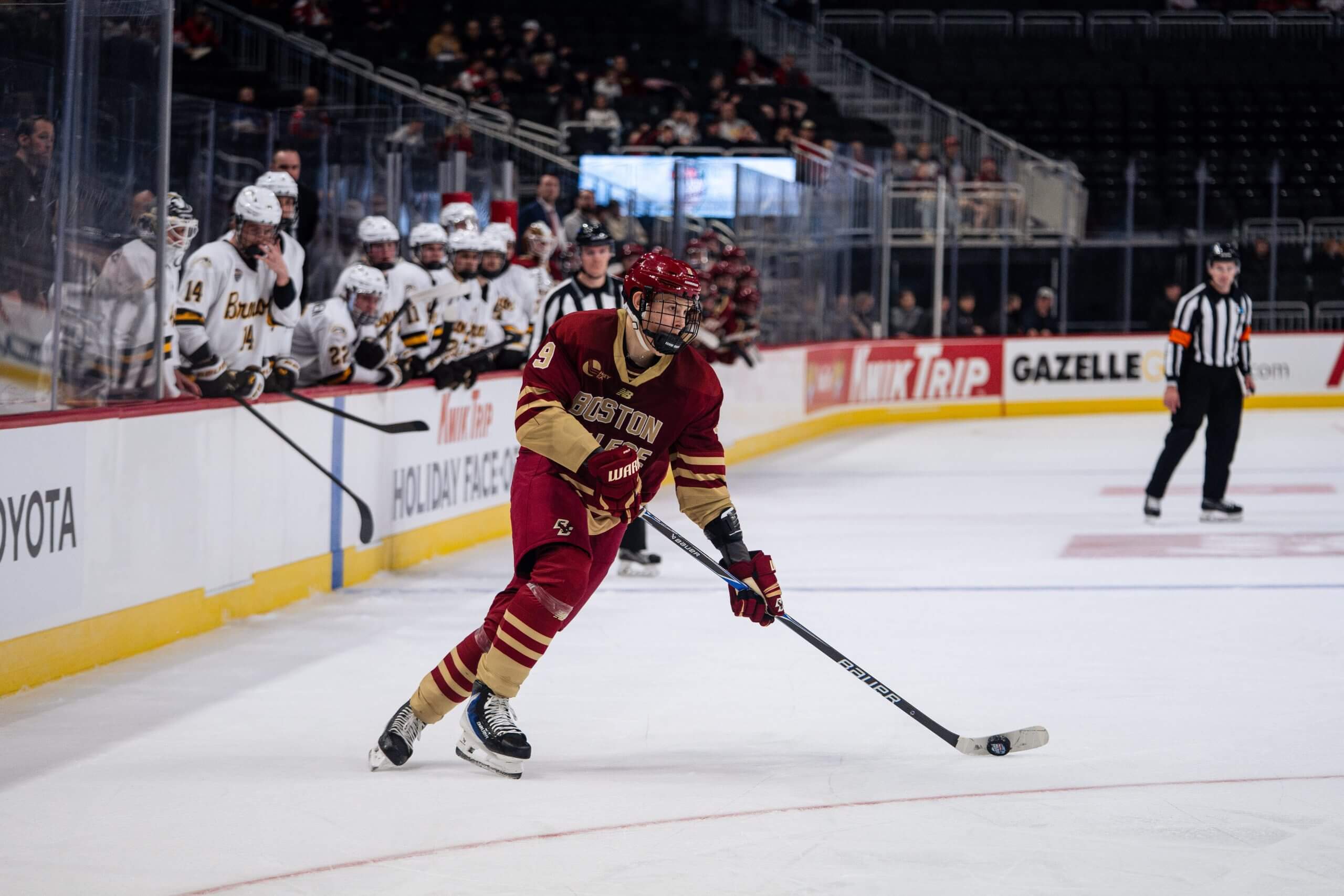
Mutryn is a hardworking, physical 6-foot-3 winger. He’s a good skater who can play at an NHL tempo and carry pucks up ice competently at the top level. His offensive game has developed more than expected. He has some puck skills and scoring touch. His pure playmaking won’t inspire, and he can play with his head down, but he sees the ice well enough and creates offense. His versatility, ability to provide secondary scoring, while also playing a hard-nosed style, checks all the boxes to play significant minutes as a pro.
Photo:
Michael Miller / Getty Images
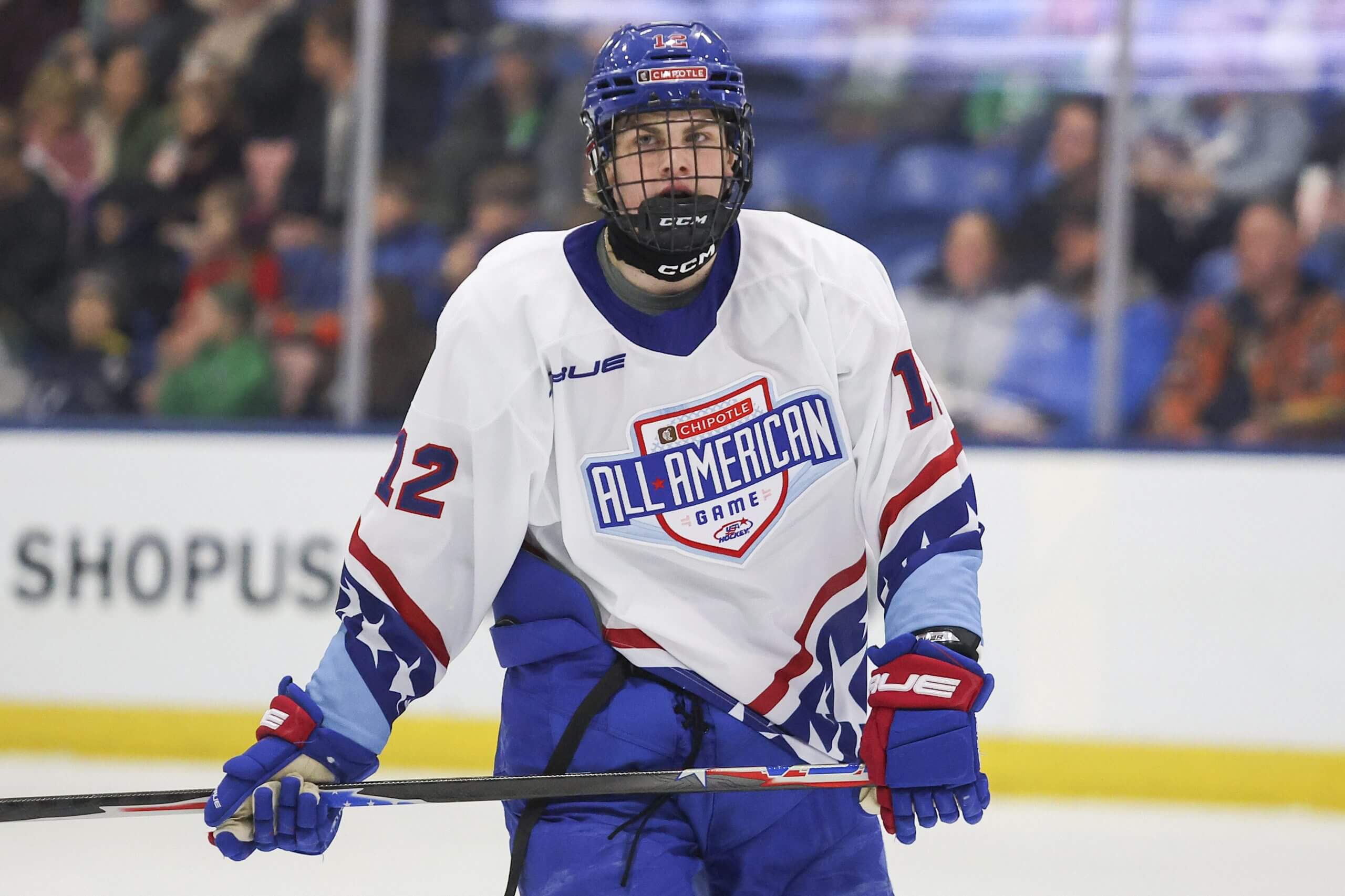
Belchetz is massive at 6-foot-5, 230 pounds, while having a high skill level and hands of a smaller forward. He plays a heavy game and uses his big frame to win battles and dislodge pucks from opponents. He’s great around the net, showing the skill to create in tight and has a shot that can finish from range. His playmaking and skating are fine, but they aren’t a selling point of his game. He projects as a top-six winger that teams will love to have in the playoffs.
Photo:
Natalie Shaver / OHL Images
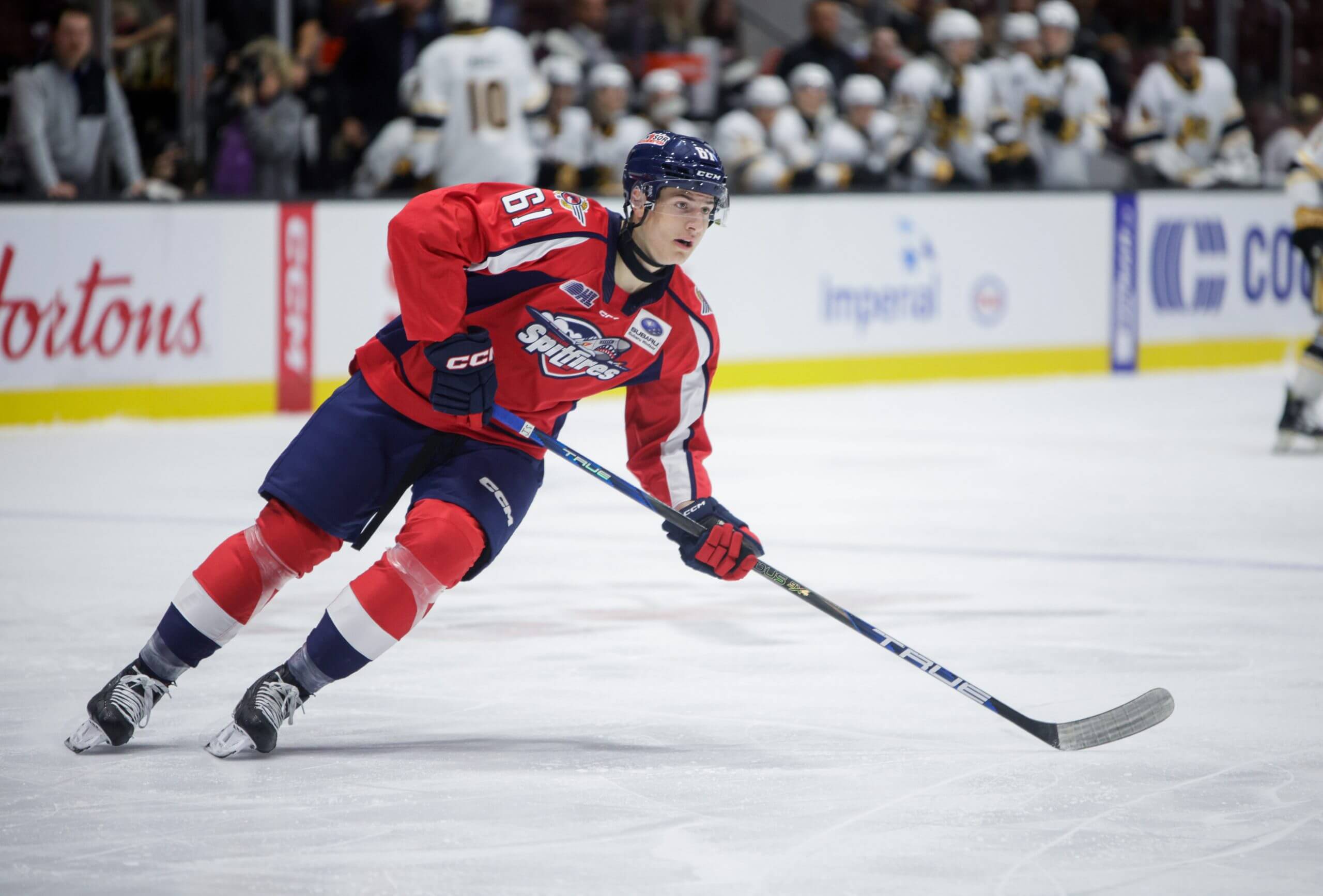
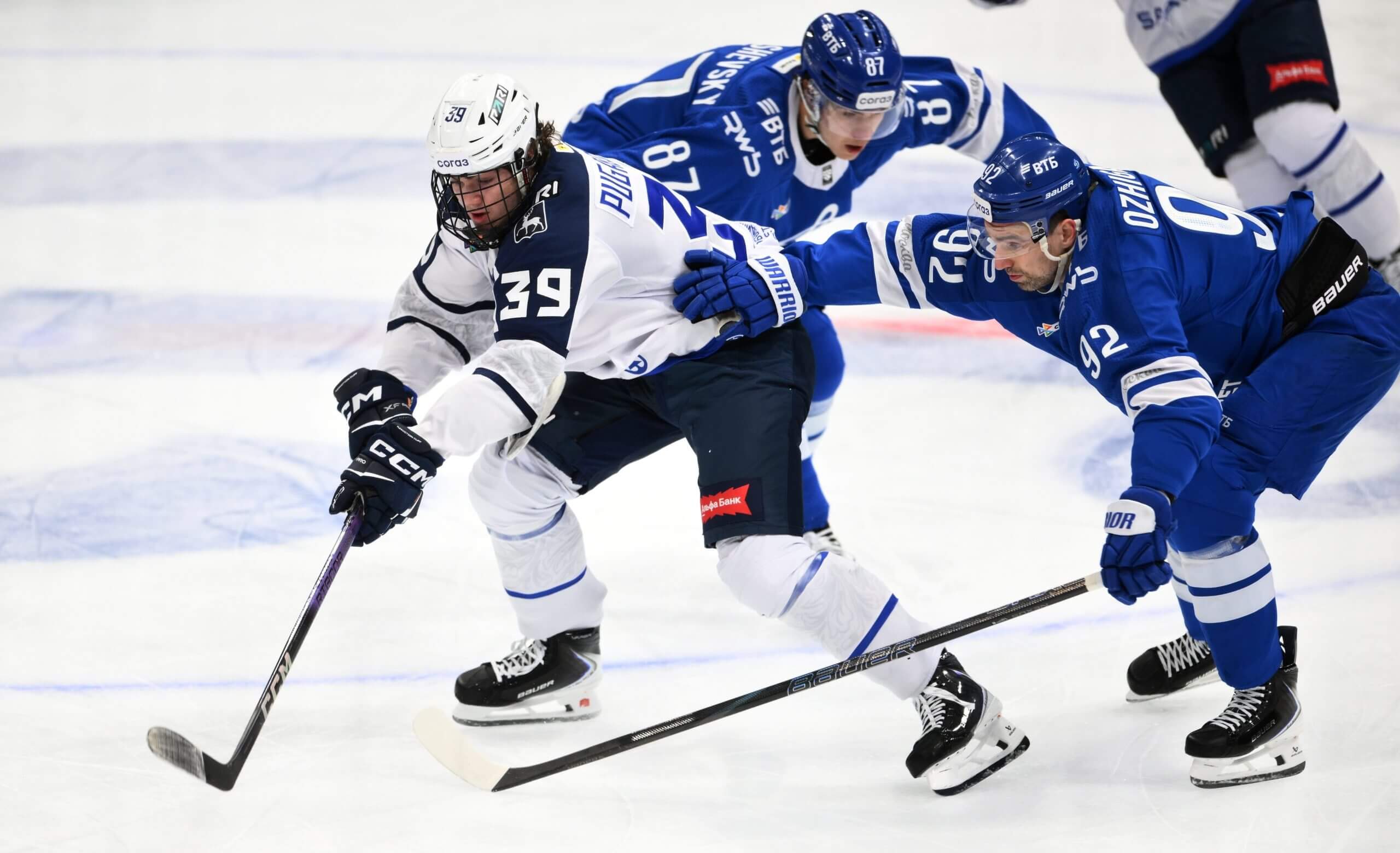
Pugachyov is a big, heavy winger who skates well and has good offensive skills. The pure tools in his game jump out at you, and when you add that he plays with some bite, it’s an exciting combination of traits. There are minor questions about his sense and how creative he is with the puck, but he’s so athletic and competitive that it’s easy to see an NHL coach feed him a ton of minutes.
Photo:
Vladimir Astapkovich / AP
Tier 3
Tier: Middle of the lineup player
Bjorck is a slick, playmaking center. He has tremendous creativity as both a puck handler and passer. He’s small and a good, but not great, skater, which raises some concerns about his NHL projection, particularly if he can stay in the middle. He’s a battler, though, who’s responsible off the puck and held his own versus men this season at the SHL level in terms of the physicality. He projects as a middle six center.
Photo:
Steven Ellis / Daily Faceoff
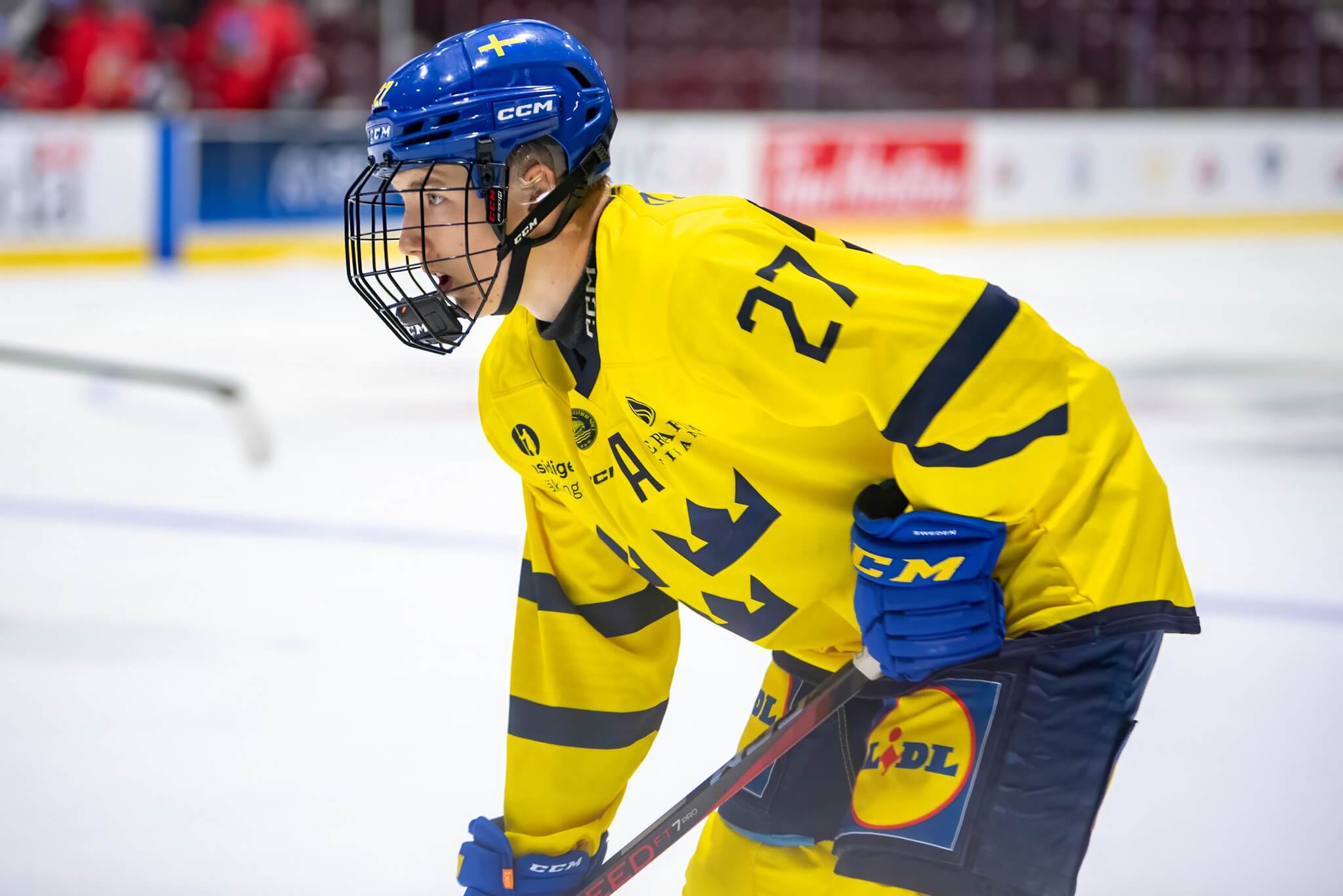
Lawrence is an excellent skater with the quick-twitch feet that allow him to buzz around the ice. He works very hard and brings a lot of pace and energy to his shifts. He’s a very strong puck handler who creates chances on the move. His vision and decision making are not the best, and he can force a lot of plays. He projects as a two-way third line center.
Photo:
Richard T Gagnon / Getty Images
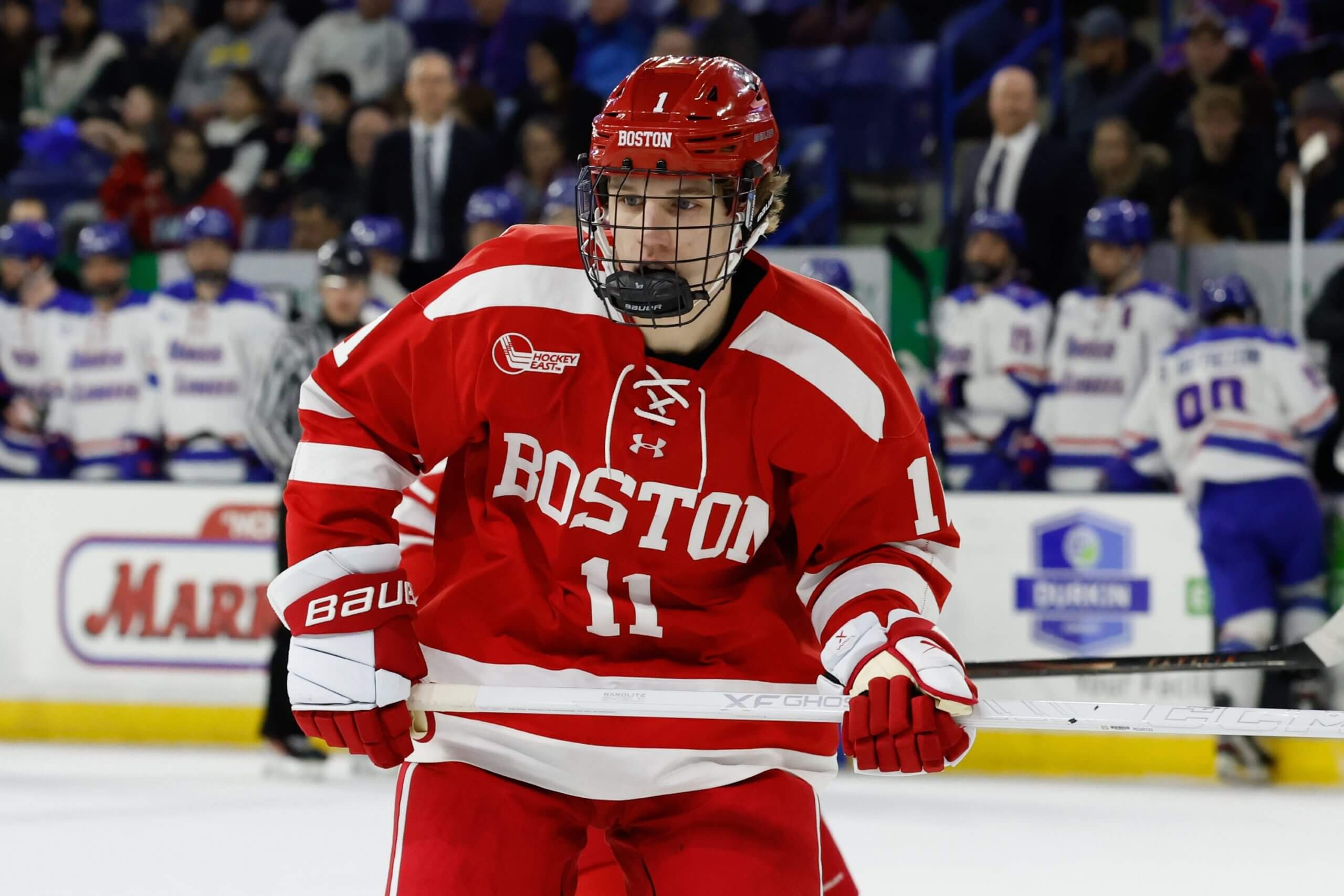
Suvanto is a big, heavy center with a high skill level. He has the hands and offensive sense to make flashy plays off the perimeter, but he plays the game in a direct way that should translate to NHL offense, often creating chances at the net-front. He’s a competitive two-way center who, despite his so-so skating stride, projects to play tough minutes as a pro. As long as he can handle the pace at the next level, he has the traits to become a third line center.
Photo:
Patrik Uhlir / CTK via AP Images
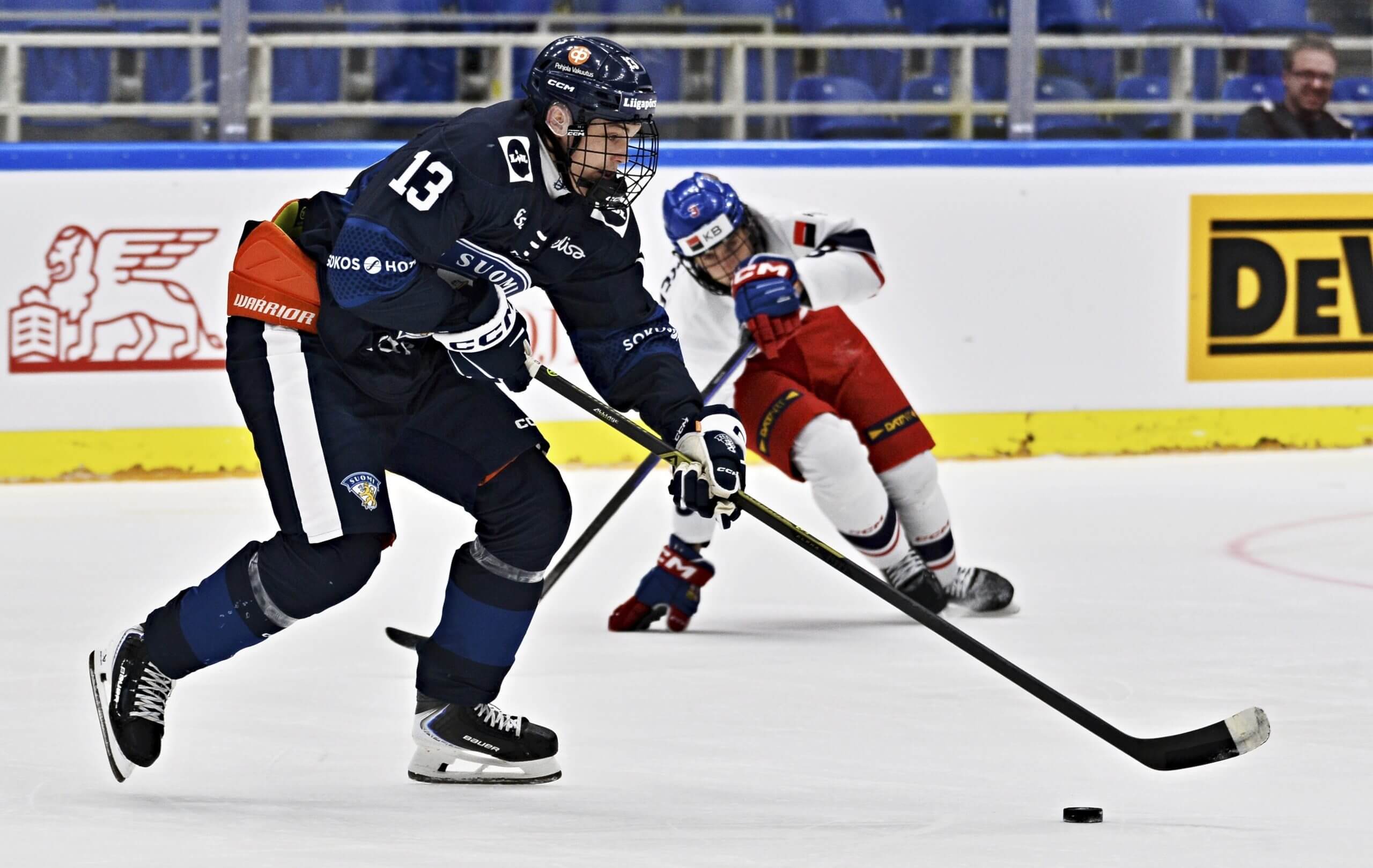
Command is a two-way center who ticks a lot of boxes. He’s a strong skater with quality offensive skills. He can make creative plays with the puck, but he does so in a direct manner to the net. He also has a great shot that is a threat from mid-range. He is average-sized, but quite physical and wins a lot of puck battles. He has the traits to be a middle-six center in the NHL.
Hextall is a skilled center with excellent offensive sense. He’s a slick playmaker who executes difficult passes with consistency. He’s a diligent pivot who can play both ways and doesn’t shy away from going into traffic. His skating is solid, albeit not a standout trait. He hasn’t been a prolific junior scorer, but he’s well-rounded enough that I can see him playing a lot of important minutes as he advances levels.
Photo:
Scott Galvin / USHL
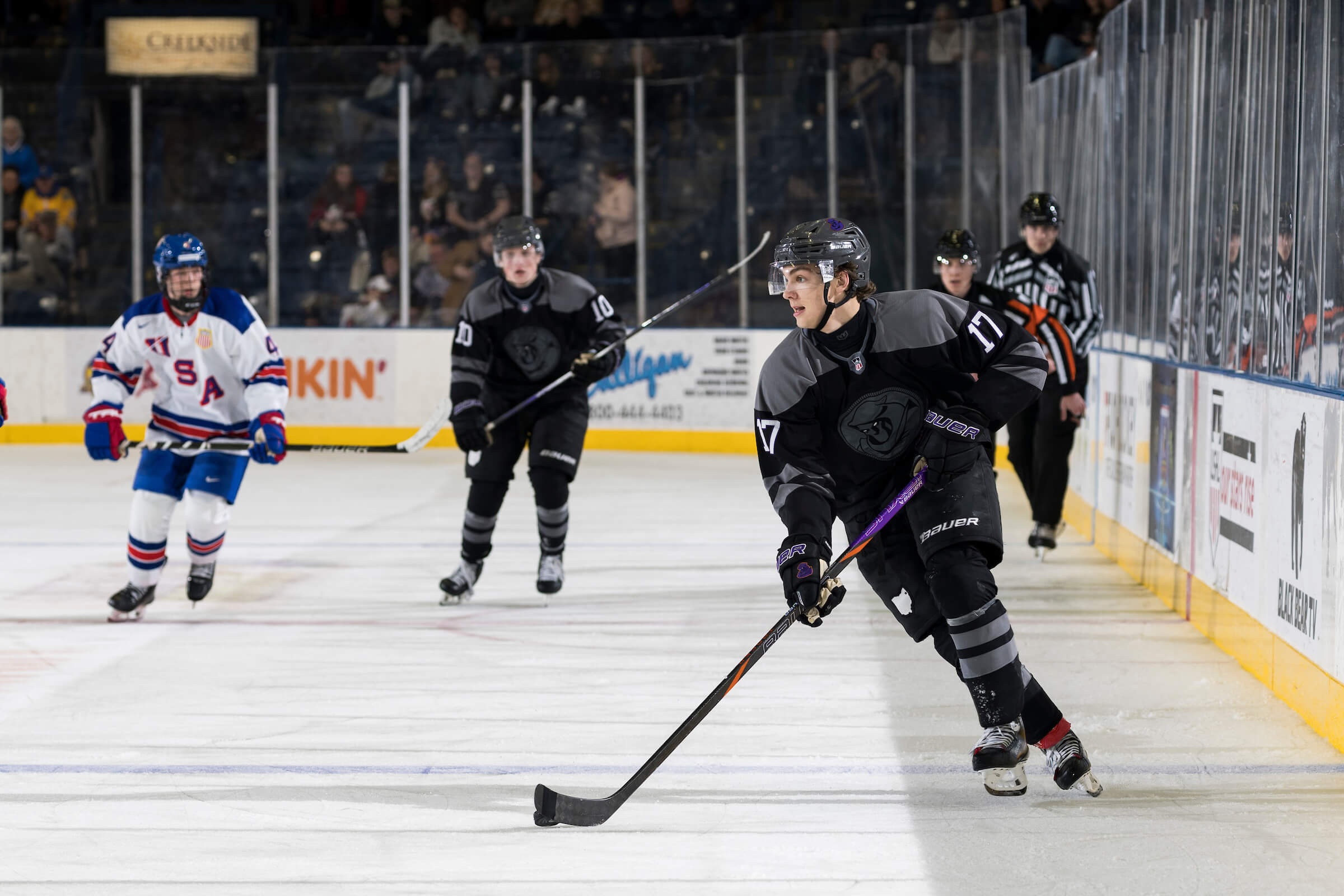
Rogowski’s tools are easy to see. He’s a 6-foot-7 center who moves very well for his size. He has good puck skills and can generate a lot of controlled entries. His playmaking is just OK, and his pure scoring upside will be a point of contention for teams. He creates offense in the hard areas and is a competitive two-way center. He’s a natural athlete, but whether he’s a natural enough scorer will be the question. I think his skill is good enough to be a play-driving middle-six center.
Photo:
Terry Wilson / OHL Images
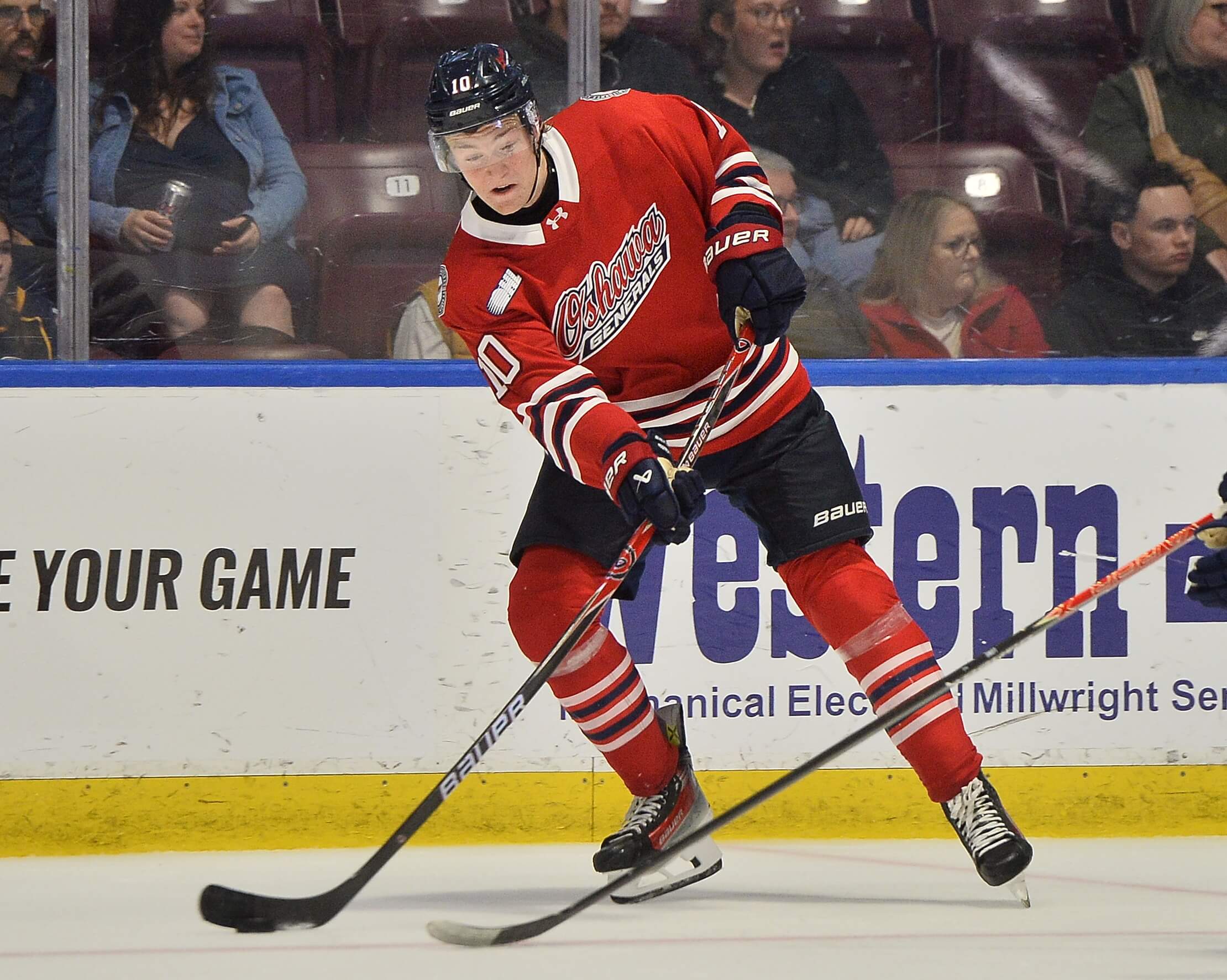
Lin is a very smart defenseman. He has the high-end vision and poise to run an NHL power play and makes difficult passes at both ends of the ice. He’s a smaller defenseman, but plays hard and wins a surprising amount of battles for his size. His skating is fine, but it’s an issue for his frame, and his defense at the next level will be a question. He projects as a No. 4/5 defenseman.
Photo:
Steven Ellis / Daily Faceoff
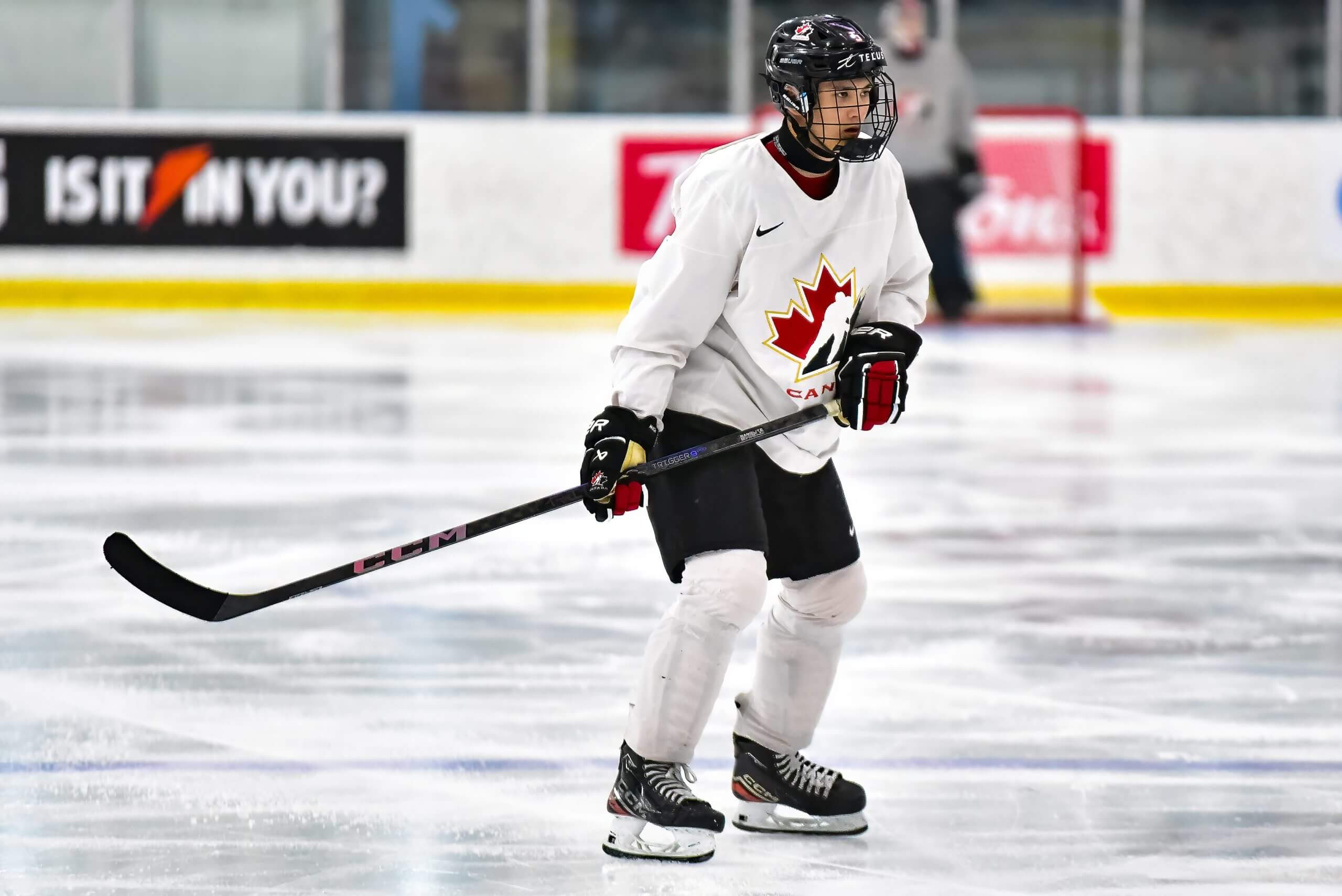
Goljer is a well-rounded defense prospect. He’skates well, he’s not overly physical, but he works hard, breaks up a lot of plays and retrieves pucks effectively. Goljer won’t stand out offensively, but he has good hands and offensive instincts, a hard point shot and can execute difficult plays with the puck, even though at higher levels he will only have first-pass offense. He projects as a steady top-four defenseman who could provide value at both ends of the ice.
Photo:
Leila Devlin / Getty Images
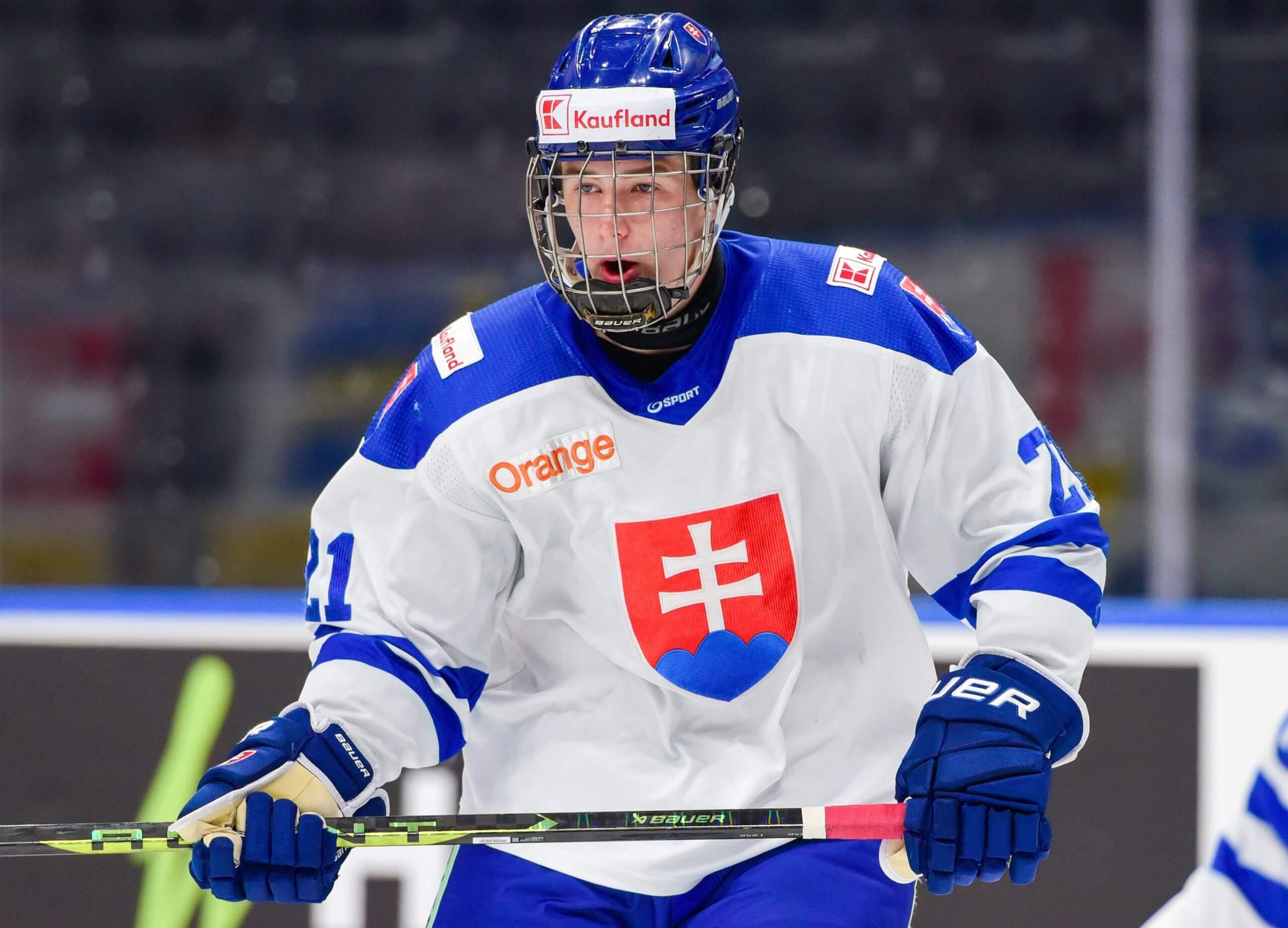
Hakansson is a huge defenseman who skates quite well for his size. He competes hard, plays the body and can kill a lot of plays. His puck play and offense will be an issue for teams, but he has OK hands and can make a reliable first pass. He’s an unspectacular player, but his compete level is so good that he projects as a regular NHL defenseman.
Photo:
Petter Arvidson / Sipa via AP Images
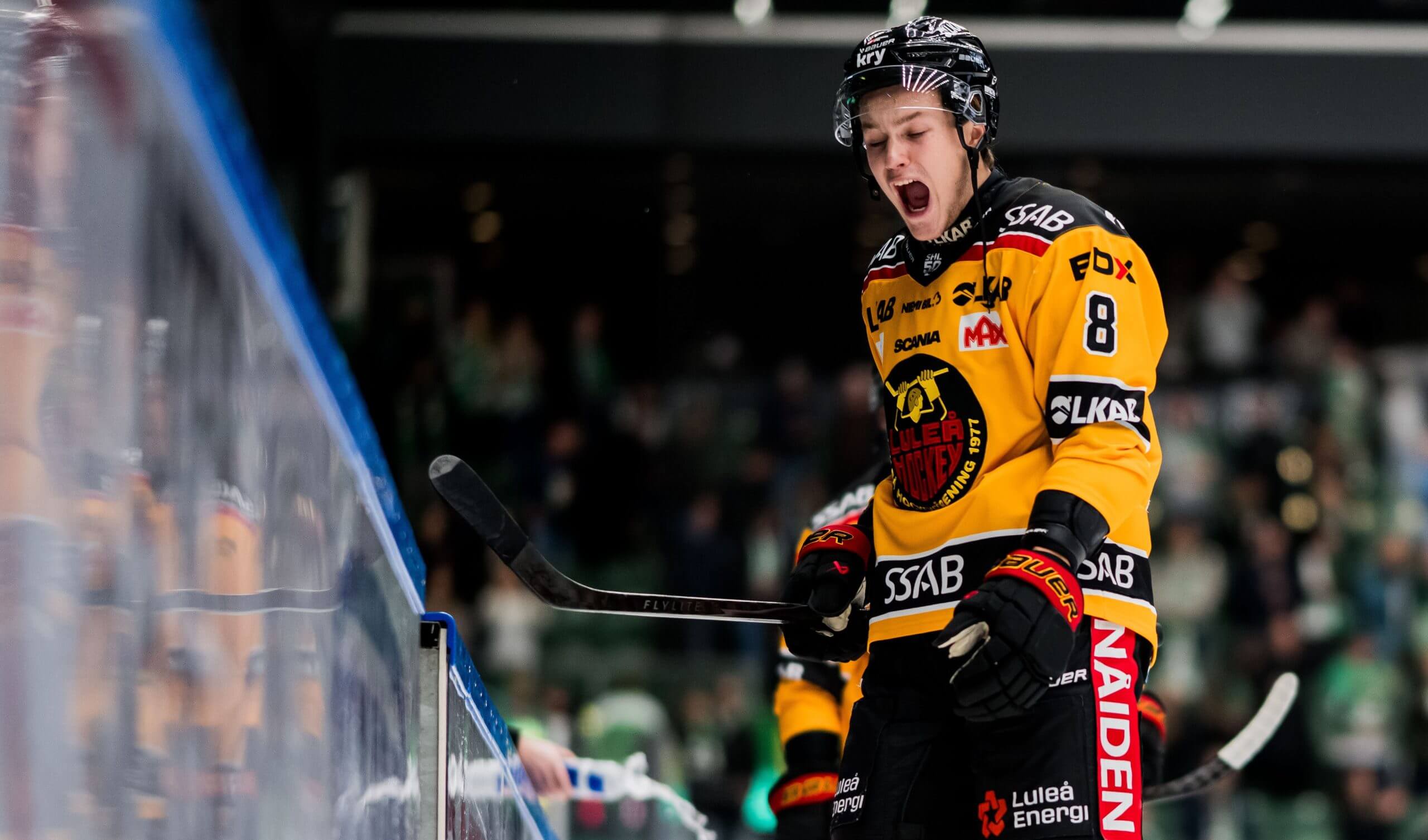
Dagenais has all the aesthetic tools. He’s a nearly 6-foot-4 center who moves well for his size, has legit offensive skills and a high-end shot from range. Dagenais is a physical player who leans on opponents with his big body. Despite that element in his game, he plays on the outside too much like a lot of shooters, and can be an inconsistent player offensively. He projects as a third-line forward, potentially down the middle.
Photo:
Dale Preston / Getty Images
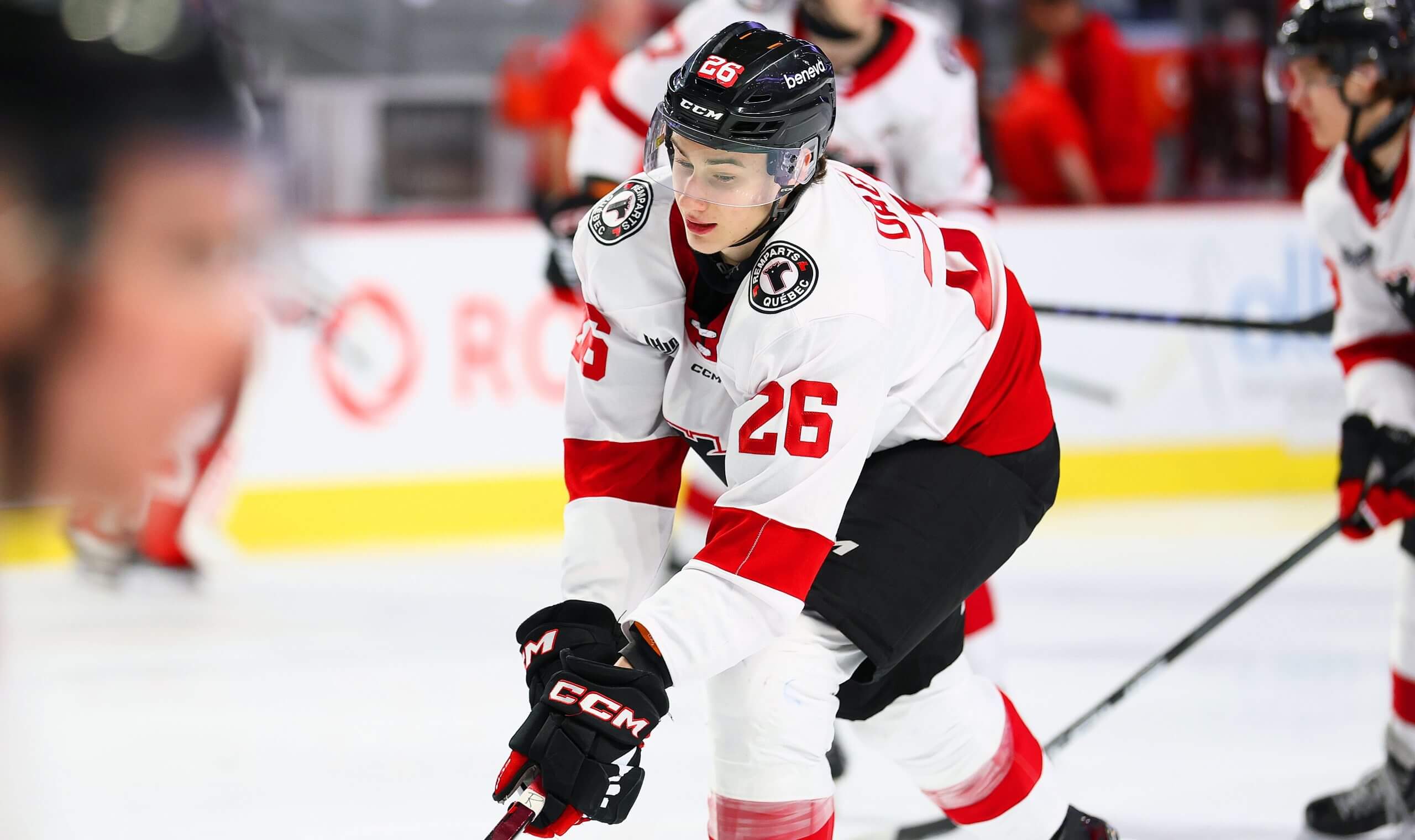
Hermansson is a highly skilled winger. He makes a ton of plays through defenders and to his teammates, although he plays a bit selfishly at times. He’s a good skater who can play with pace. Without the puck, he’s just OK and can be pushed to the outside when he does have it. His compete level and inconsistency can be frustrating. He has top-six winger talent, but whether he will get there will depend on him figuring those issues out.
Photo:
Steven Ellis / Daily Faceoff
Ruck is a dangerous scoring winger. He’s a very slick and intelligent player who creates a lot with the puck. His pure athletic tools don’t jump out: he’s not that big, and he’s a below-average skater. He does work hard, though, and gets to the hard areas to generate offense, earning his coach’s trust consistently. Ruck has a path to the league due to his great stick and brain.
Photo:
Cherie Morgan / WHL
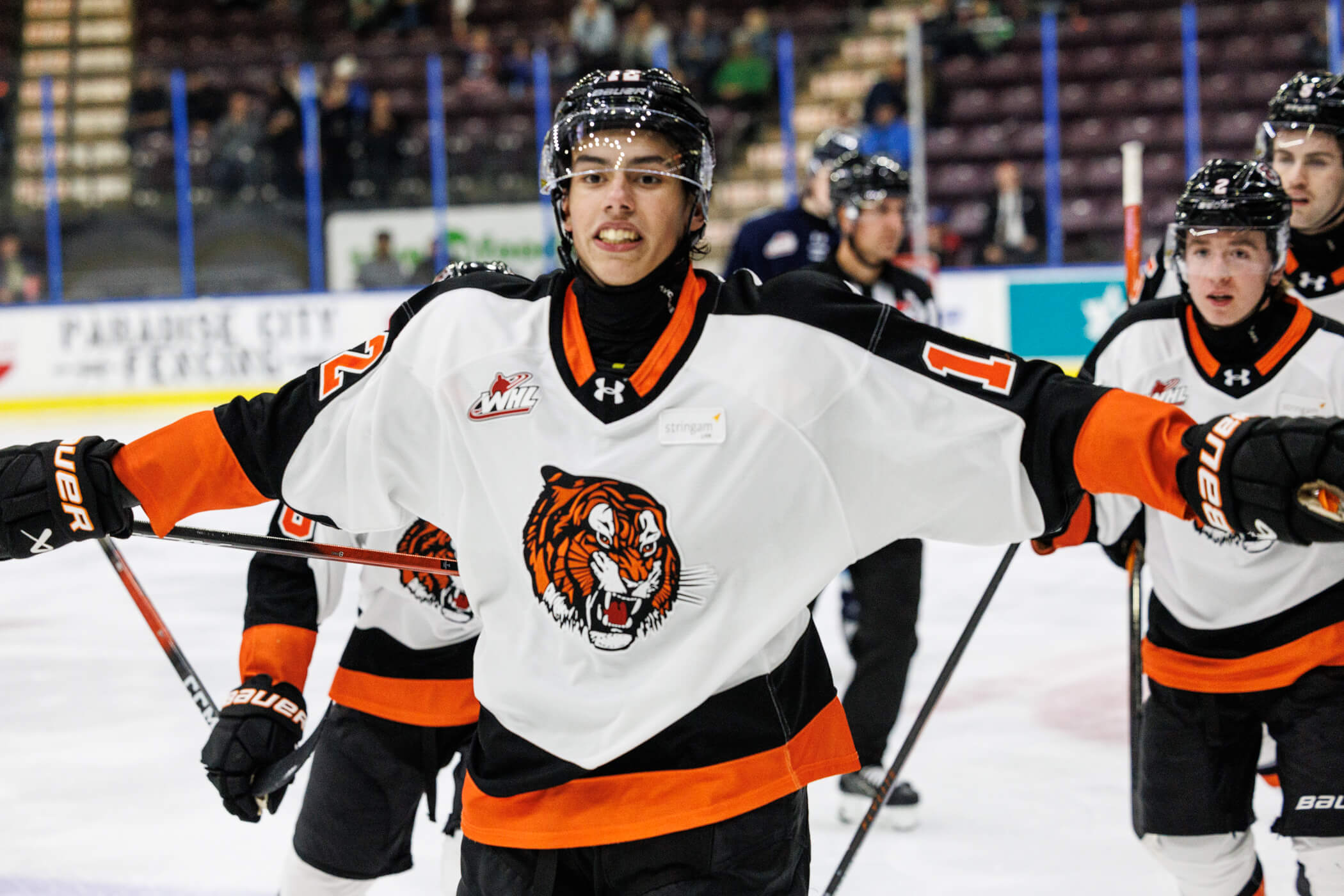
Novotny is a great skater, with the quick burst in his first few steps to pressure even the faster NHL defenders. He has good stick skills. He’s not a natural playmaker, but Novotny has a great shot and can score from the dots and in tight effectively. He works hard enough. Novotny isn’t very physical, but he can be reliable off the puck, and coaches could trust him in a lot of situations. He projects as a top-six winger.
Photo:
Steven Ellis / Daily Faceoff
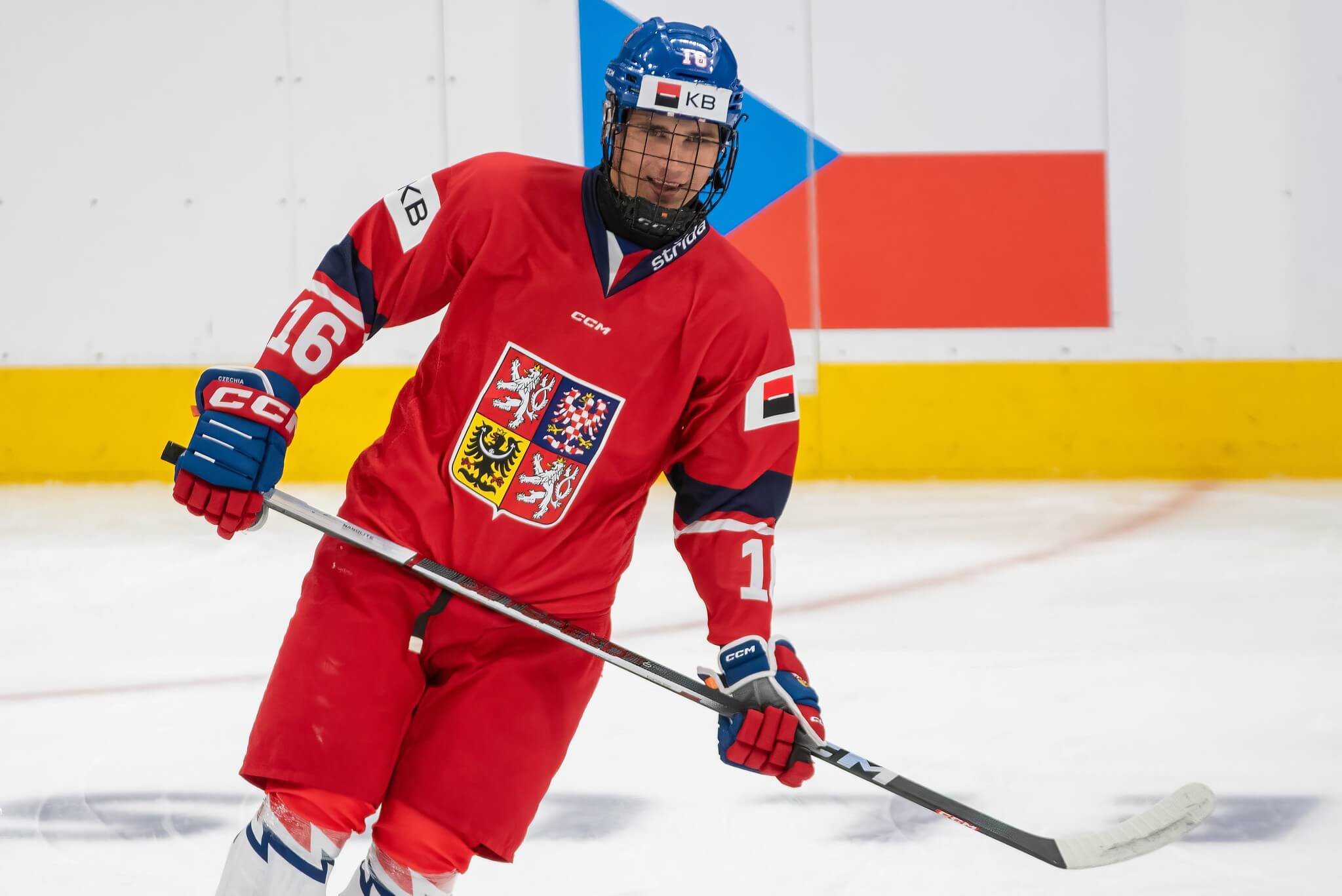
Harrington is a talented winger with NHL-caliber feet and hands. He shows flashes of high-end skill, but it’s not consistent in his game. Harrington, as a draft-minus-one, looked more like a pure skill type, but this season embraced a physical and agitating part of his game that, when combined with decent playmaking skills, could make him a useful middle-six winger.
Photo:
Leah Hennel / Getty Images
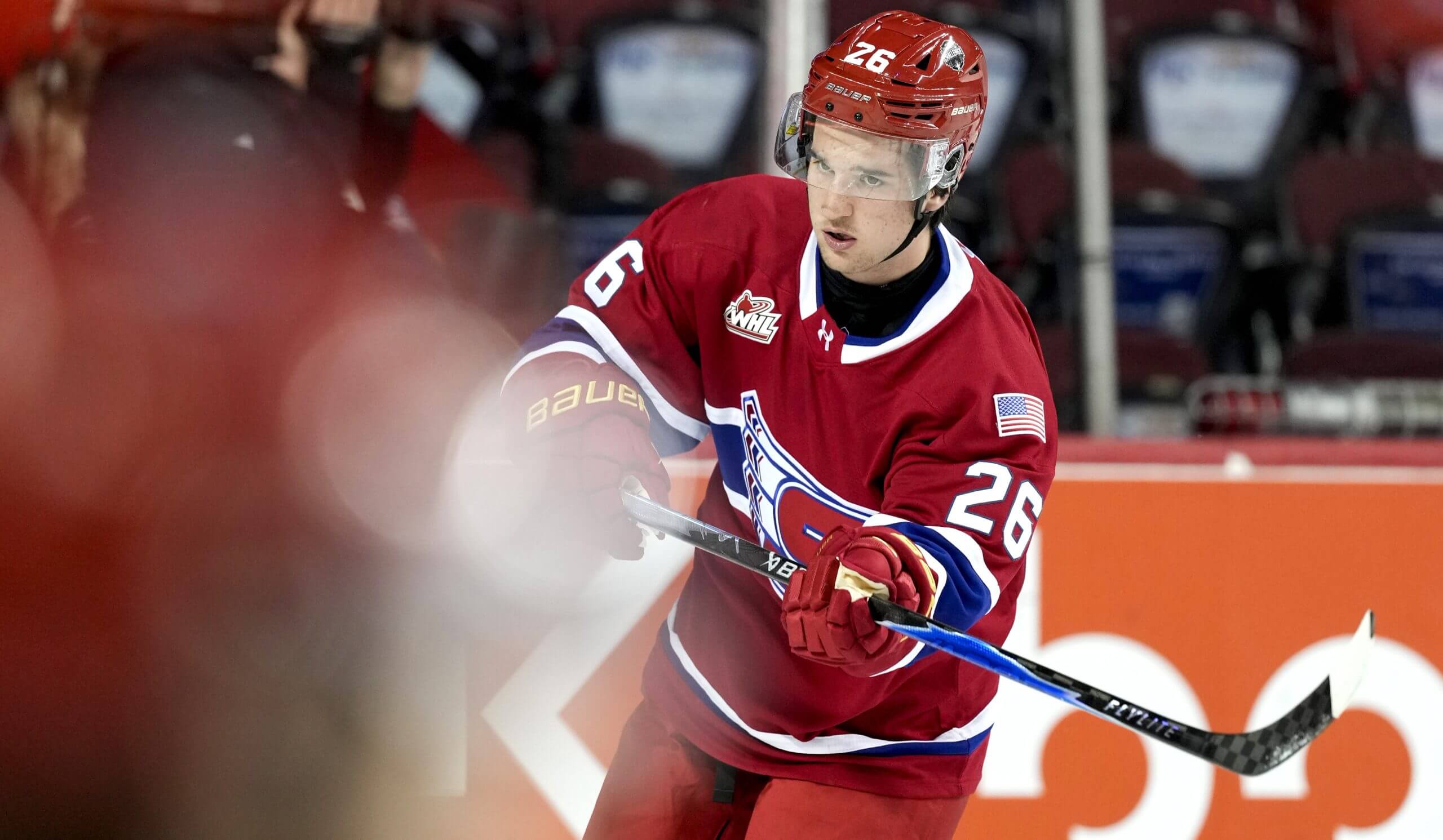
A U.S.-born player of Lithuanian descent who has played for their senior national team and at the pro level in Switzerland, Ignatavicius is a legit NHL prospect. He’s a tall, fast winger with very good hands who projects to play and create chances at an NHL pace. His vision is fine, and he’s not overly physical. His compete level is a minor issue on his projection, but the toolkit is so good that he could still be a middle-six winger.
Photo:
Robert Hradil / Getty Images
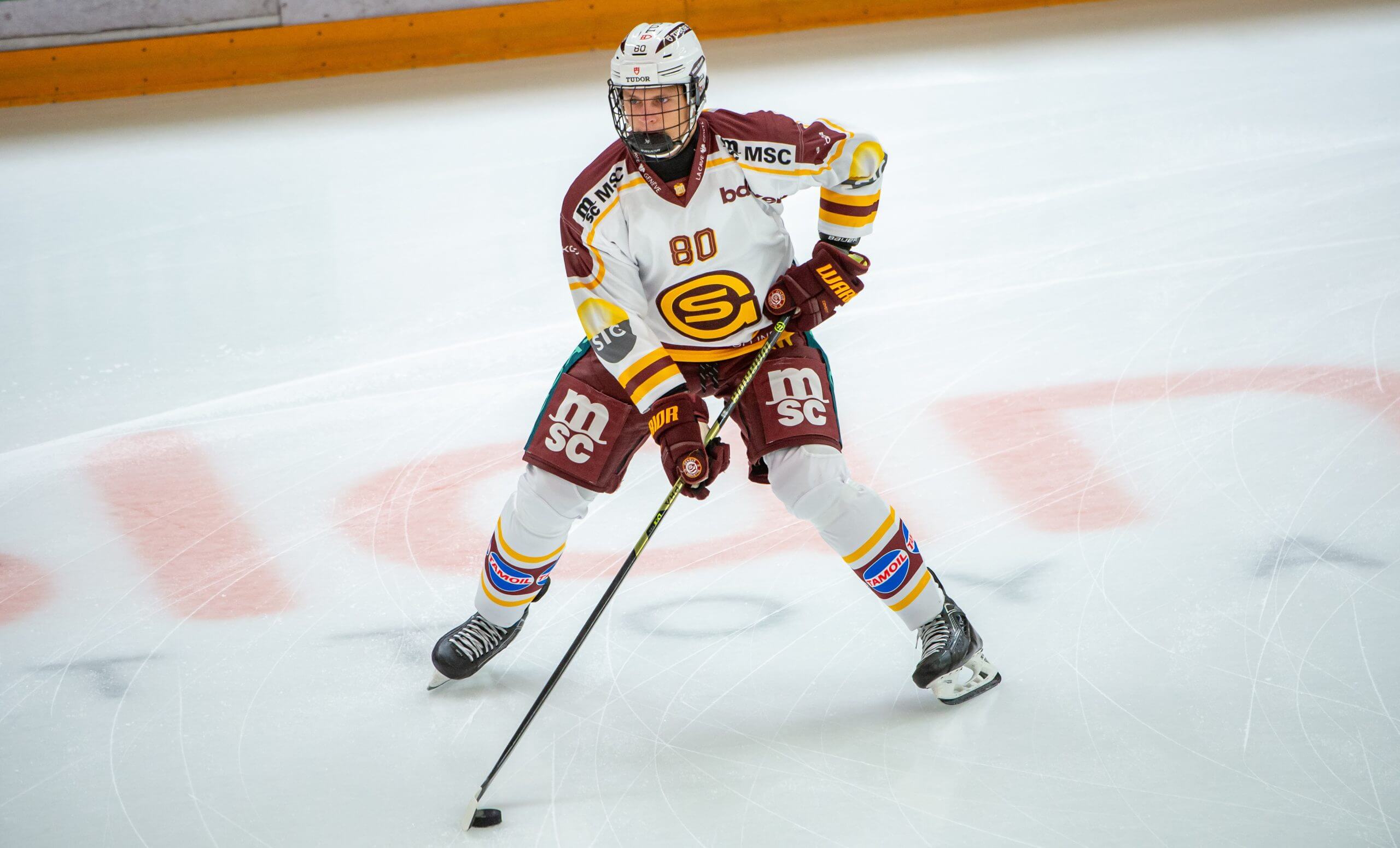
Chudzinski wasn’t a top scorer on a deep Moncton team, but he had a good season including a great playoff. His talent base is decent. He’s a strong skater with good hands who can beat defenders one-on-one. He’s not a strong playmaker, but his effort level is what makes him interesting. Chudzinski is highly physical, gets to the net to create offense and can be a pain in the ass to play against. I think he has just enough skill to go with his tenacity and edge to be a middle-six winger.
Photo:
Dale Preston / Getty Images
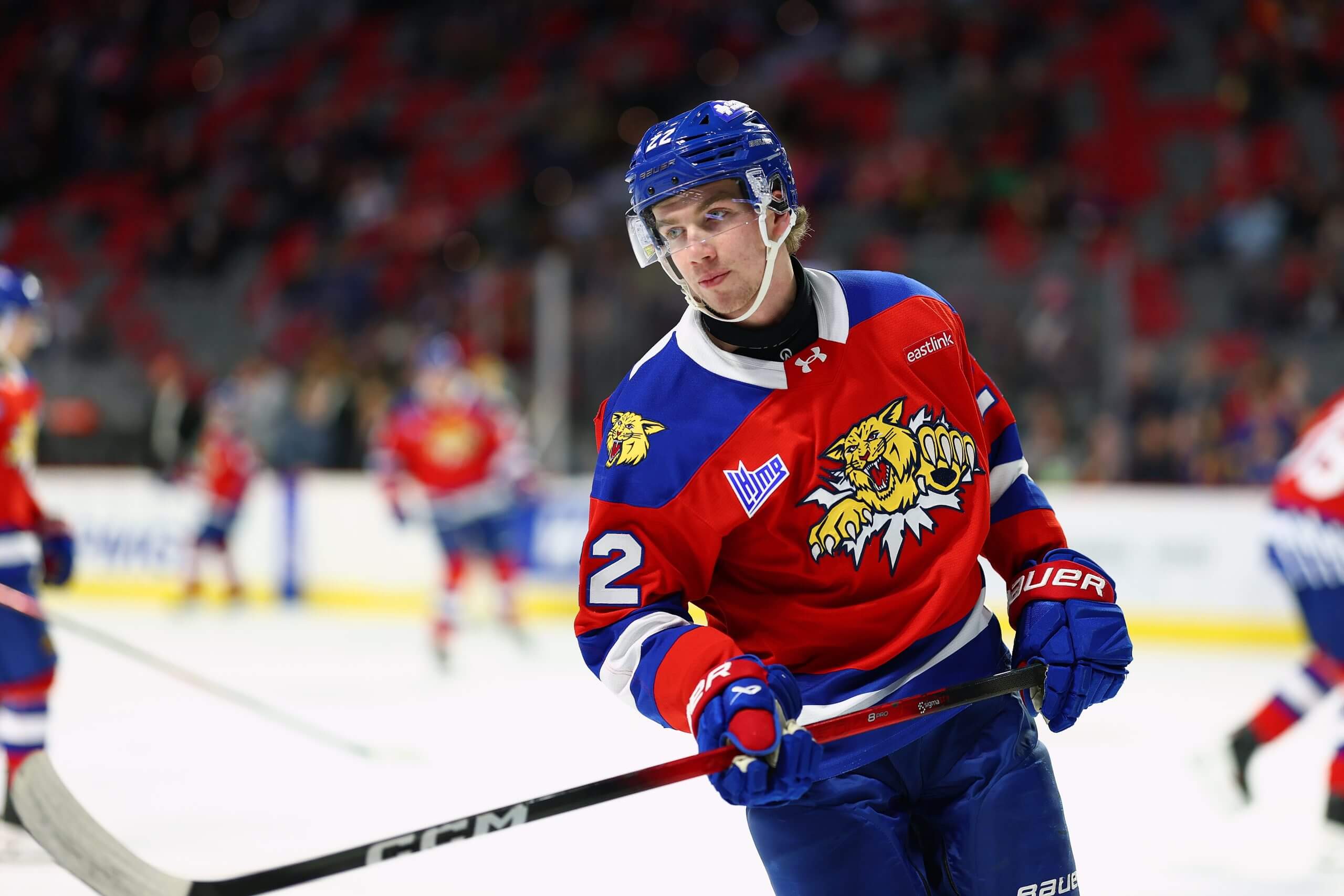
Trejbal checks a lot of the boxes you want in an NHL goalie. He has size, quickness, technical skill and strong hockey sense. He’s efficient moving in the net and makes a lot of good reads, showing a smooth poise to his game. He can make difficult lateral saves, although that isn’t the strength of his game. He projects as a tandem goalie in the NHL.
Photo:
Michael Miller / Getty Images
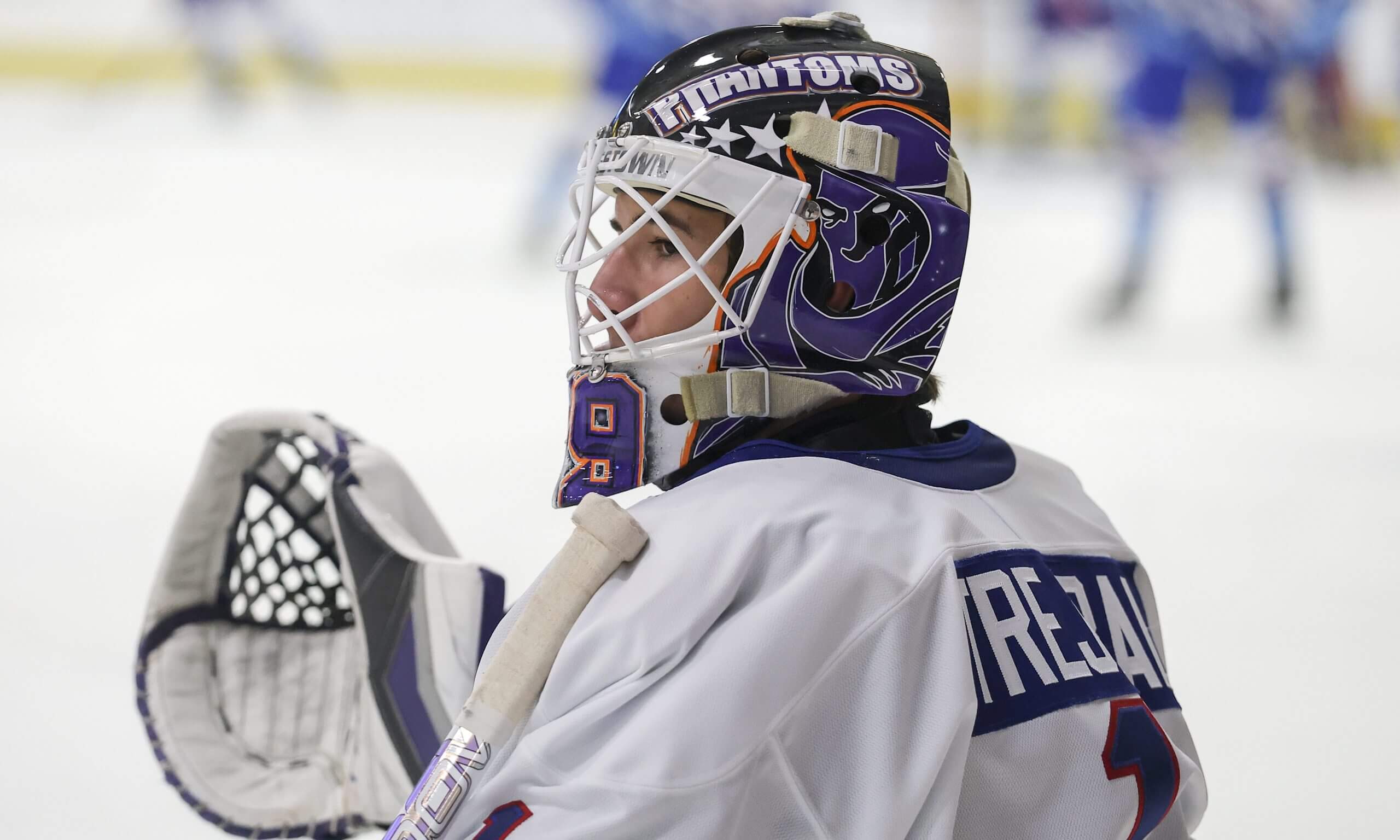
Plumins played well in Latvia’s pro league and his season ended on a high note, being one of the best players at U18 worlds. He’s 6-foot-4 and not overly quick so the athletic profile isn’t that exciting. His hockey sense is excellent, though. Plumins doesn’t have much extra movement, and he’s very good at both tracking the puck and anticipating the attack. He projects as a tandem NHL goaltender.
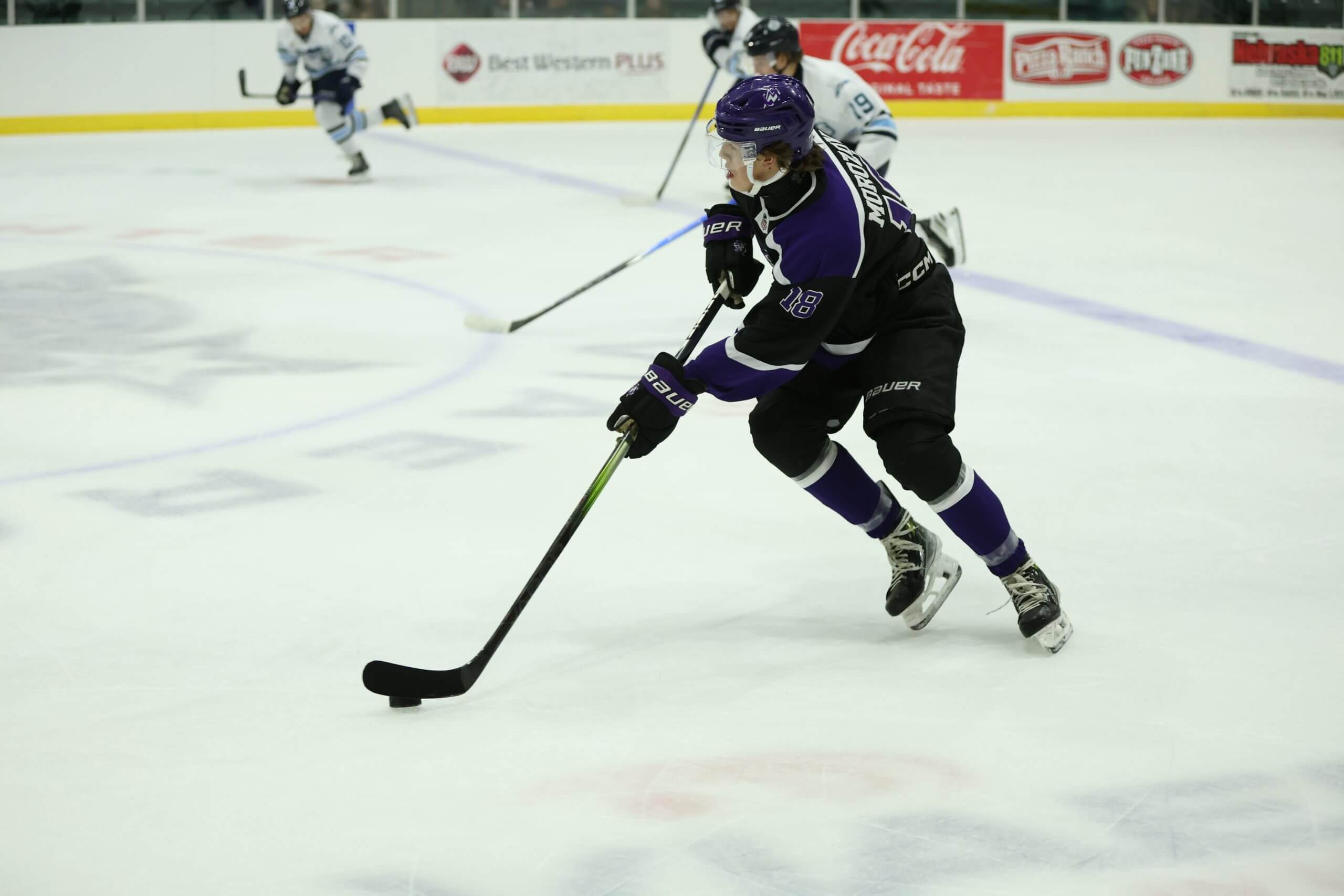
Morozov is a big center who can skate. He’s good with the puck, although he’s not a true top-tier playmaker. Morozov competes very well, is quite physical and uses his big body to win battles. He has a style of play that leads to winning games, and projects as a bottom six center who coaches will love to have in the playoffs, even if he doesn’t generate points at a high level.
Shcherbakov is a huge defenseman at 6-foot-3, who arguably looks taller when watching him on tape. He skates quite well for his size, plays hard and held his own defensively versus pros this season. He has the clear athleticism of an NHL defender, but whether he has enough puck play is the question. As the season progressed, he showed enough offense to project as a full-time defenseman.
Di Iorio is a hardworking two-way center who skates well and has a lot of energy in his game. The No. 2 pick in his OHL Draft, Di Iorio has quality puck skills, vision and finishing ability, although his pure offensive play isn’t super exciting. He creates offense more through his effort and supporting the play than being a creative player. He has a path to becoming a bottom-six center.
Photo:
Natalie Shaver / OHL Images
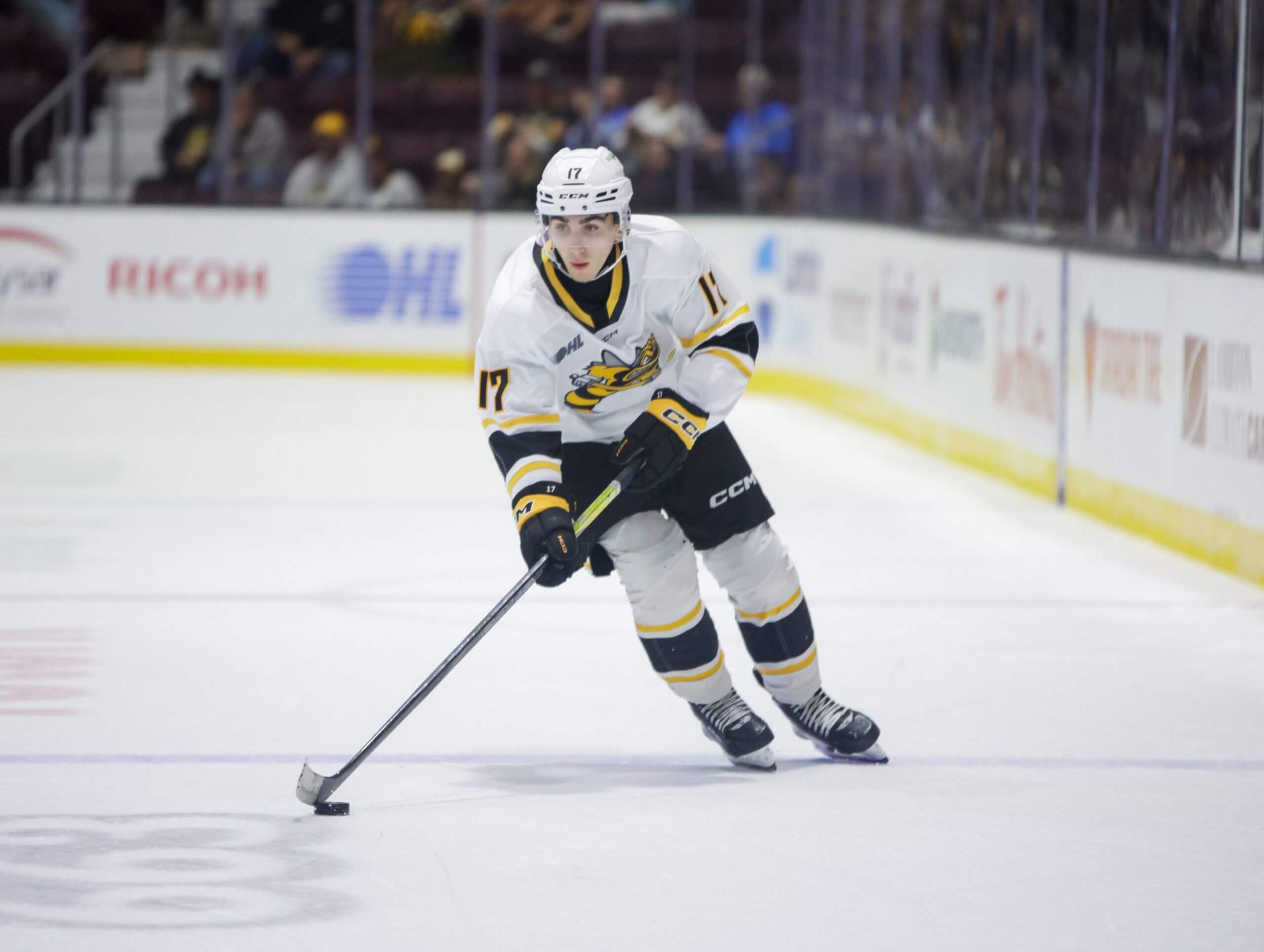
Bleyl is a very skilled defenseman. He has a high level of creativity and touch with the puck, and beats opponents often with his skill. He’s a very smart puck-mover who has the sense to run a pro power play. Bleyl is a good skater who can lead a rush. He’s a smaller defenseman who isn’t very physical, so making stops versus men will be a significant challenge.
Photo:
Moncton Wildcats / QMJHL
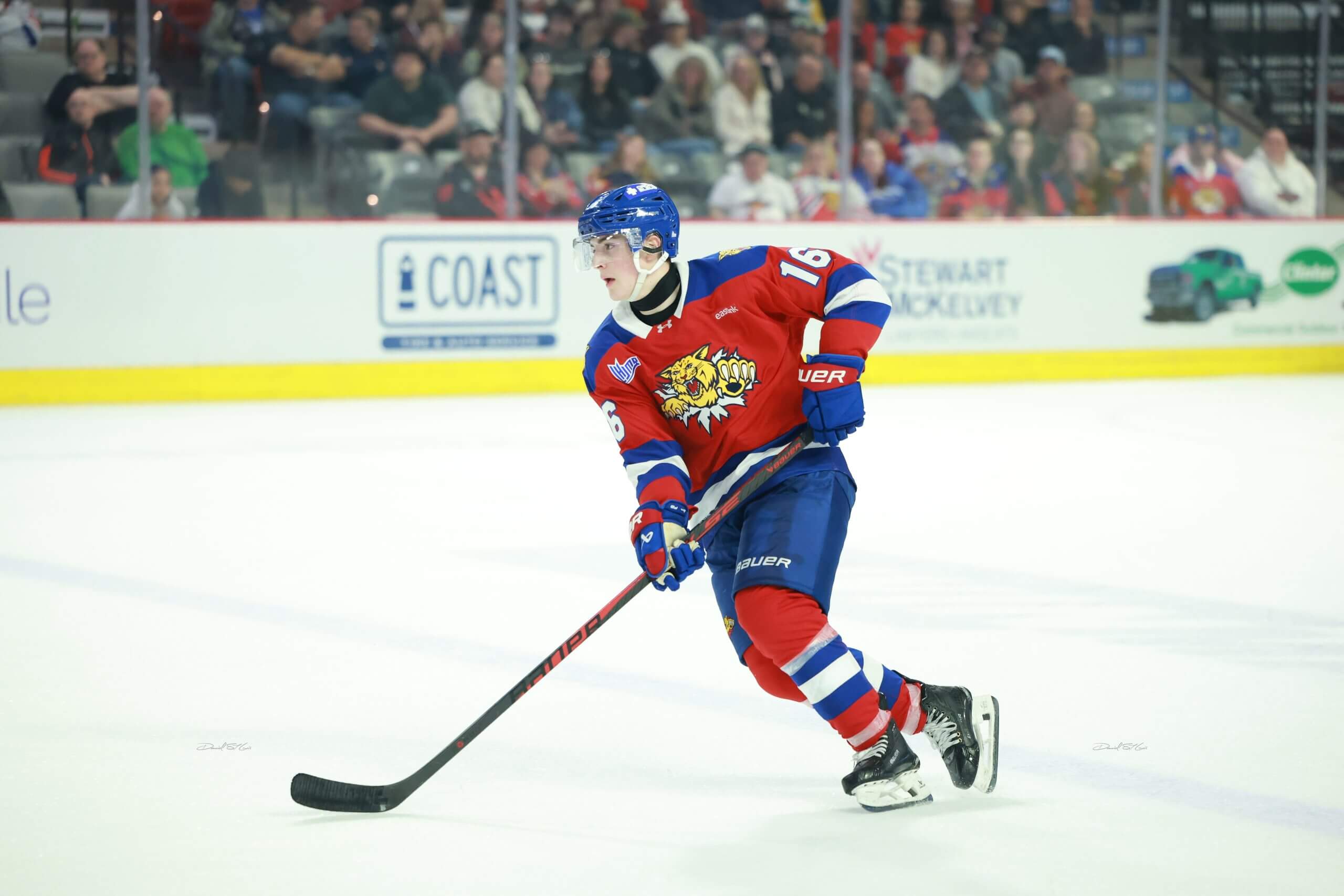
Villeneuve is a dynamic defenseman. He has excellent speed and edge work that allows him to evade a lot of pressure. His hands and creativity are high-end, and he projects to run a pro power play. He’s a small, light defenseman who doesn’t play the body, and his defense as a pro will be a significant question mark. He can also be overly risky and individualistic at times with the puck. Coming into the season, he looked like a highly promising pro prospect, but there are notable holes in his game that he will need to round out to make it at the next level.
Photo:
Blainville-Boisbriand Armada / QMJHL
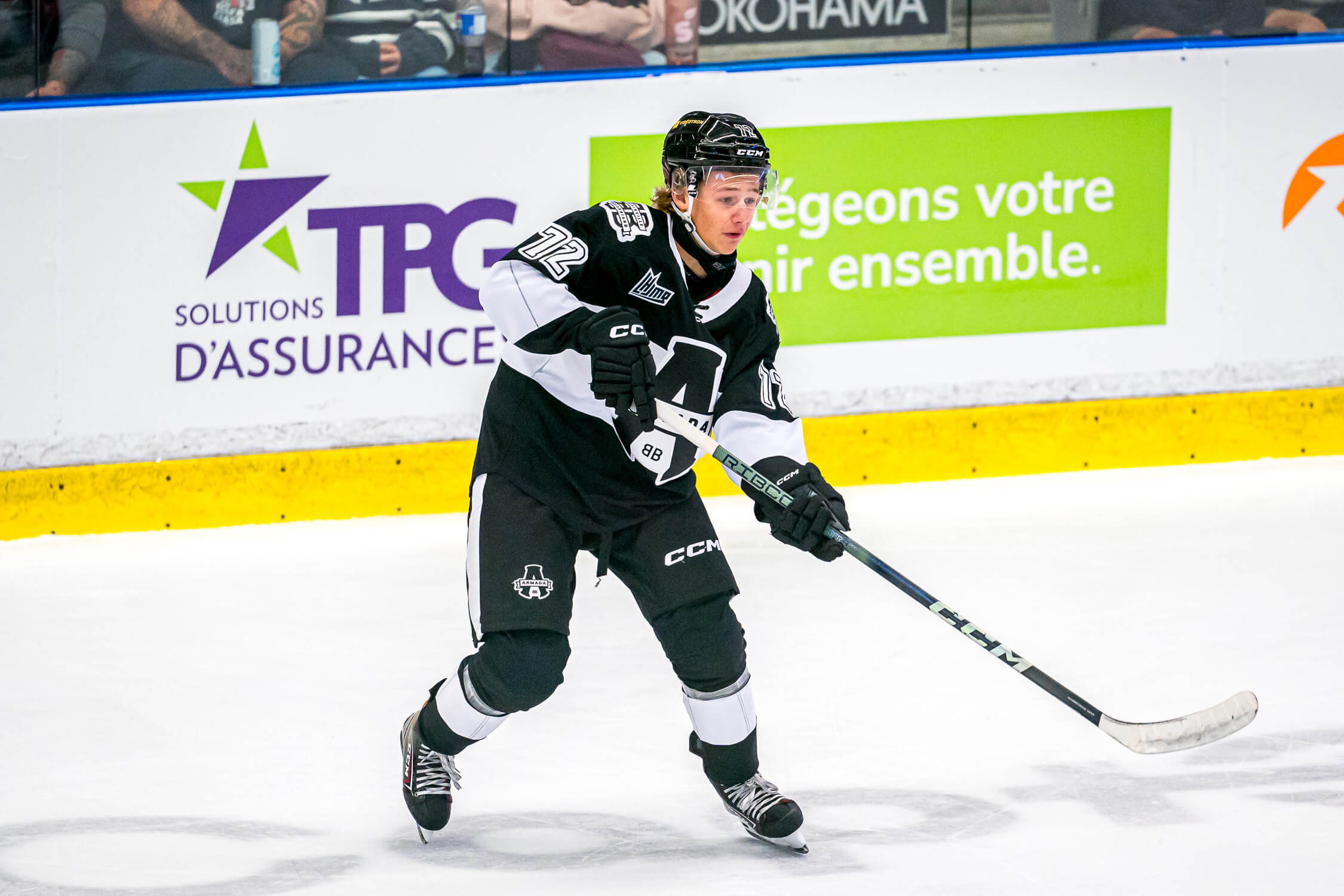
Piiparinen does a lot of things effectively. He’s a mobile right-shot who can skate and pass pucks up the ice well, while also being a solid defender who breaks up a lot of plays. He’s not overly physical, but he gives a solid effort and is often relied on by coaches. His offense will be the question at the next level. Given that he doesn’t truly excel at any one thing, there will be questions about his role as well.
Photo:
Steven Ellis / Daily Faceoff
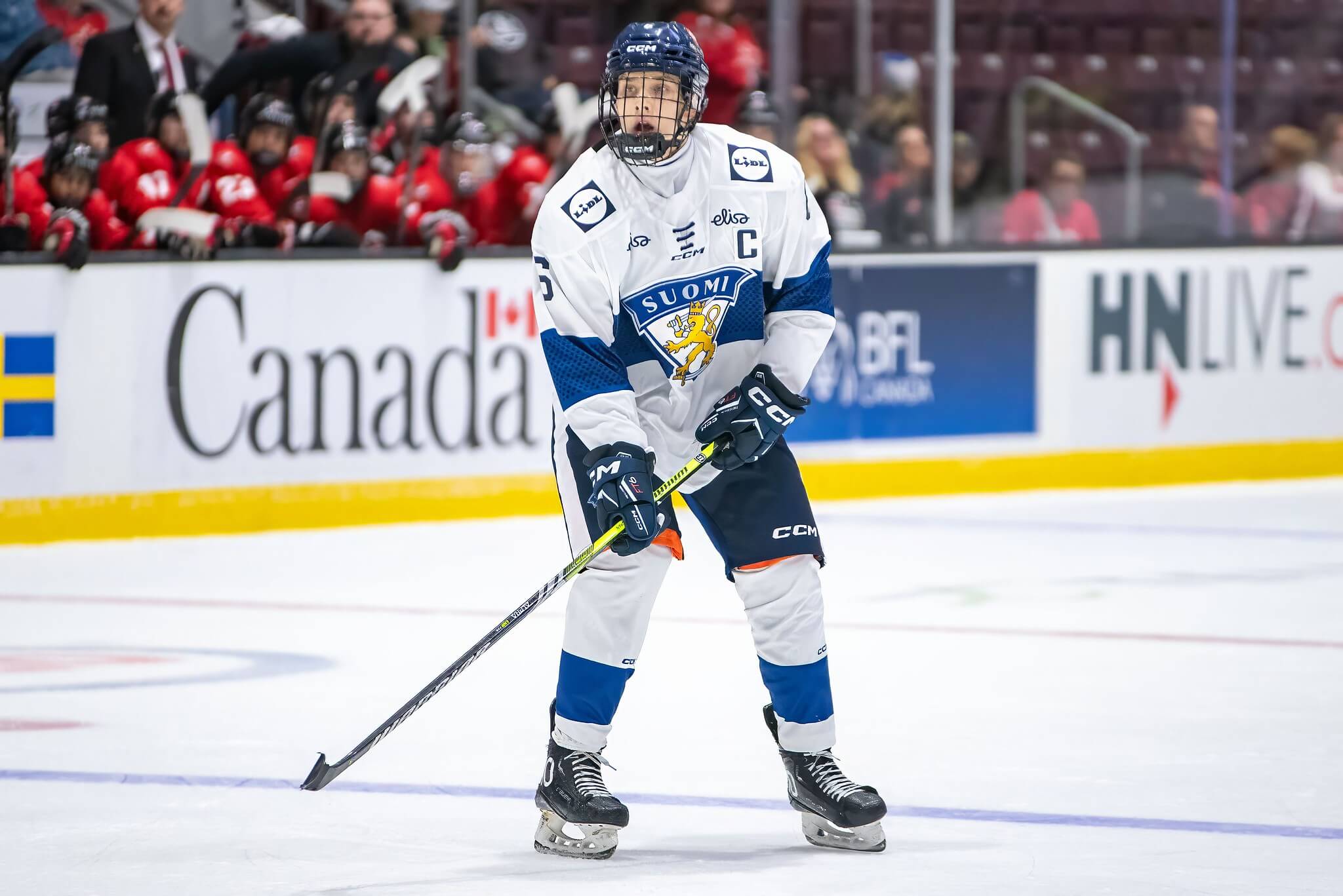
Vanecek is a mobile defenseman with good size who has been a solid two-way player as a junior. He can make a reliable first pass and has a great one-timer from the point. He’s not a projected power-play type as a pro and can be basic with the puck at times. Ideally, he adds some grit to his play, but he works hard and with his range, size and sense, he makes stops. He projects as a third-pair defenseman.
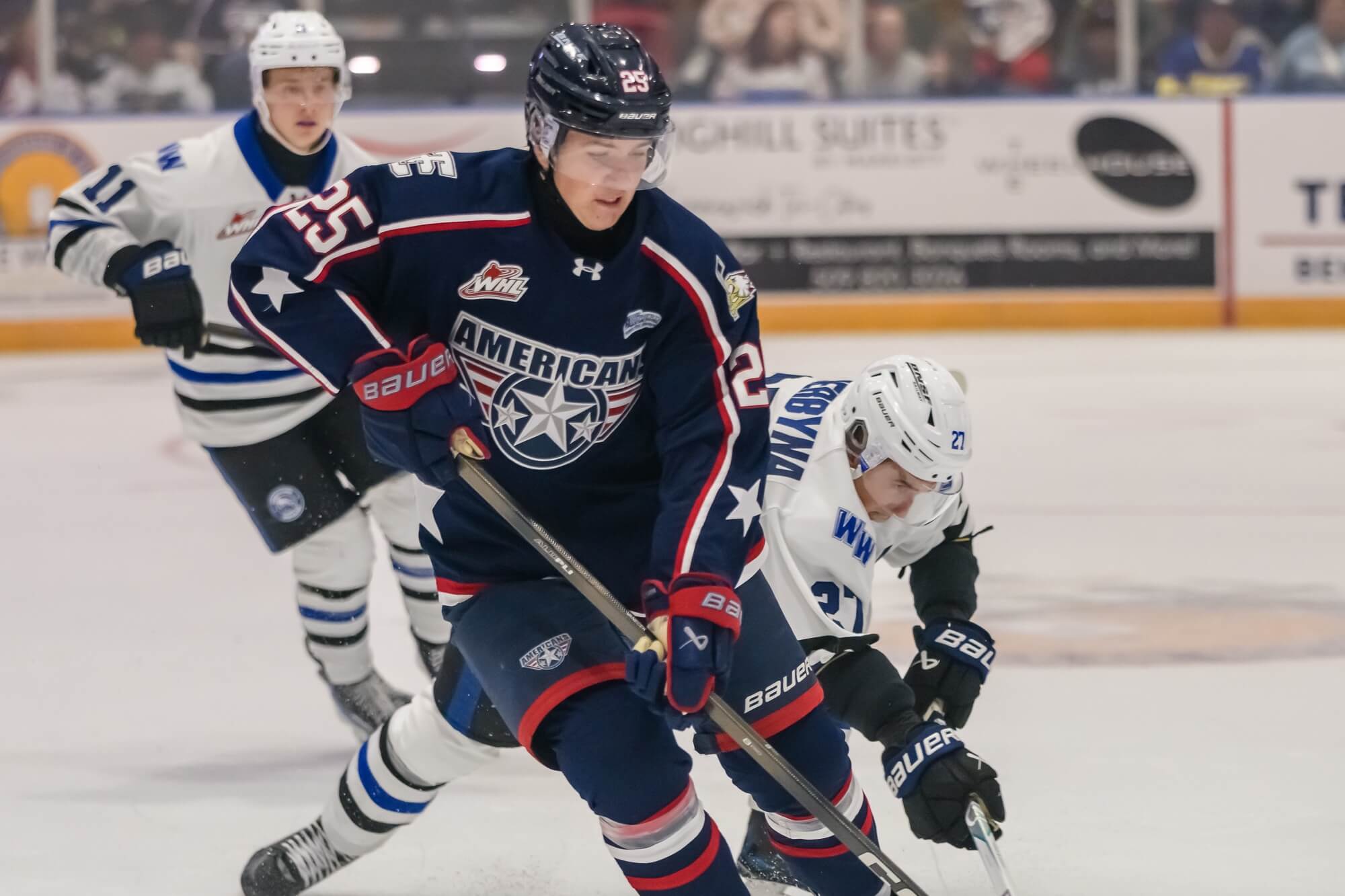
Alalauri is a 6-foot-2 right-shot defender with quality puck skills and offensive sense. He can run a power play well due to his vision and hard point shot. He has decent size and has been a fine junior defender due to his reach, solid mobility and hard work, but he’s not very physical. He doesn’t quite shine at either end of the ice, but is good enough to have a real shot to make it.
Photo:
Steven Ellis / Daily Faceoff
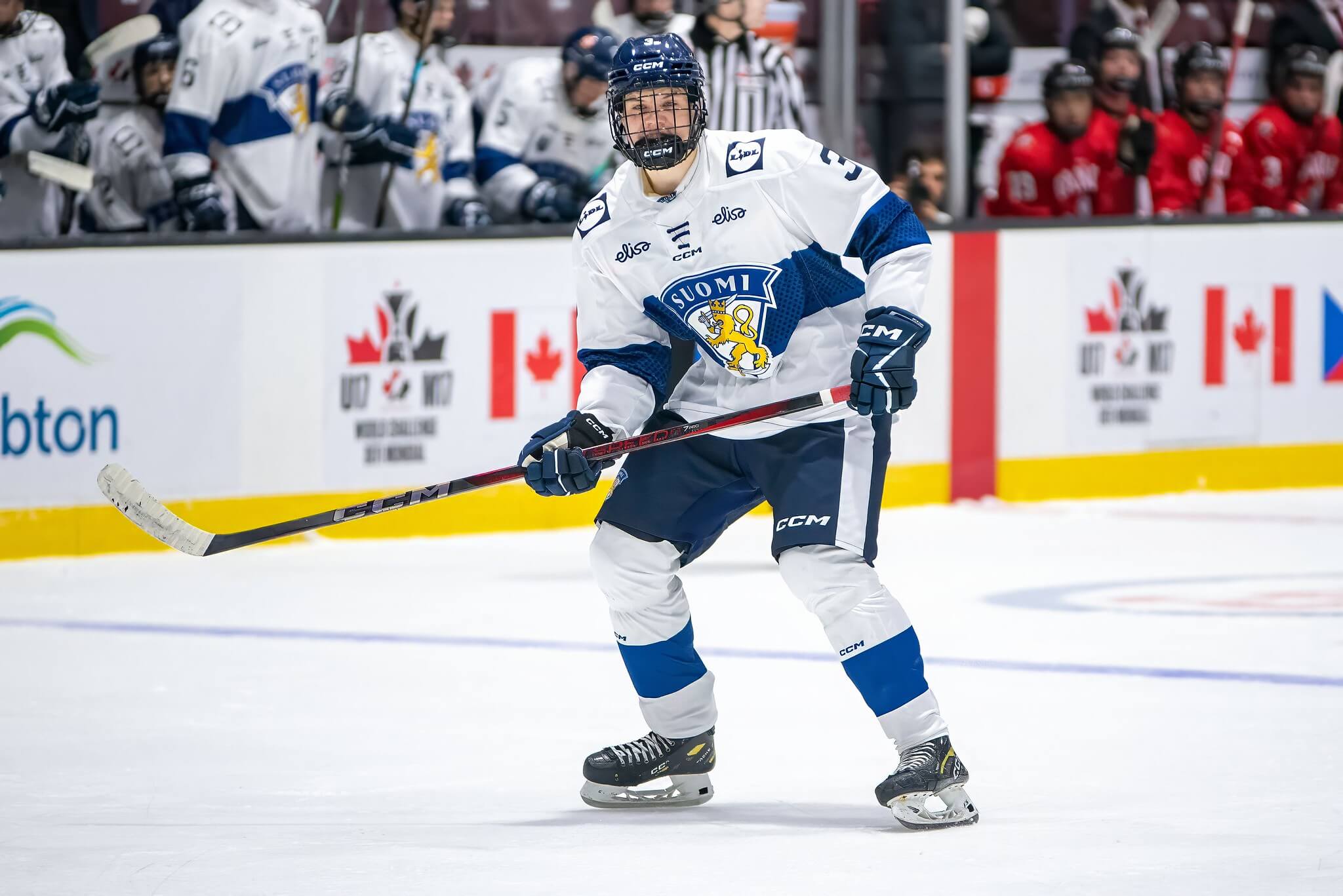
Gudmunsson is a strong skating defenseman with size who can make a reliable first pass and has shown some power play skill at the junior level. He’s also quite hard to play against and can land some crushing hits. He can be a bit wild at both ends of the rink, but the tools are highly intriguing with a clear path to the NHL with some consistency.
One of the youngest players eligible for this year’s draft, Cali is a toolsy winger who plays in a direct way. He has NHL-level foot speed and hands and creates offense by beating defenders with speed and taking pucks to the net. His playmaking is OK and he doesn’t see the ice at a high level, but he makes enough plays to go with his scoring touch to score at the next level. He projects as a bottom-six winger.
Photo:
Terry Wilson / OHL Images
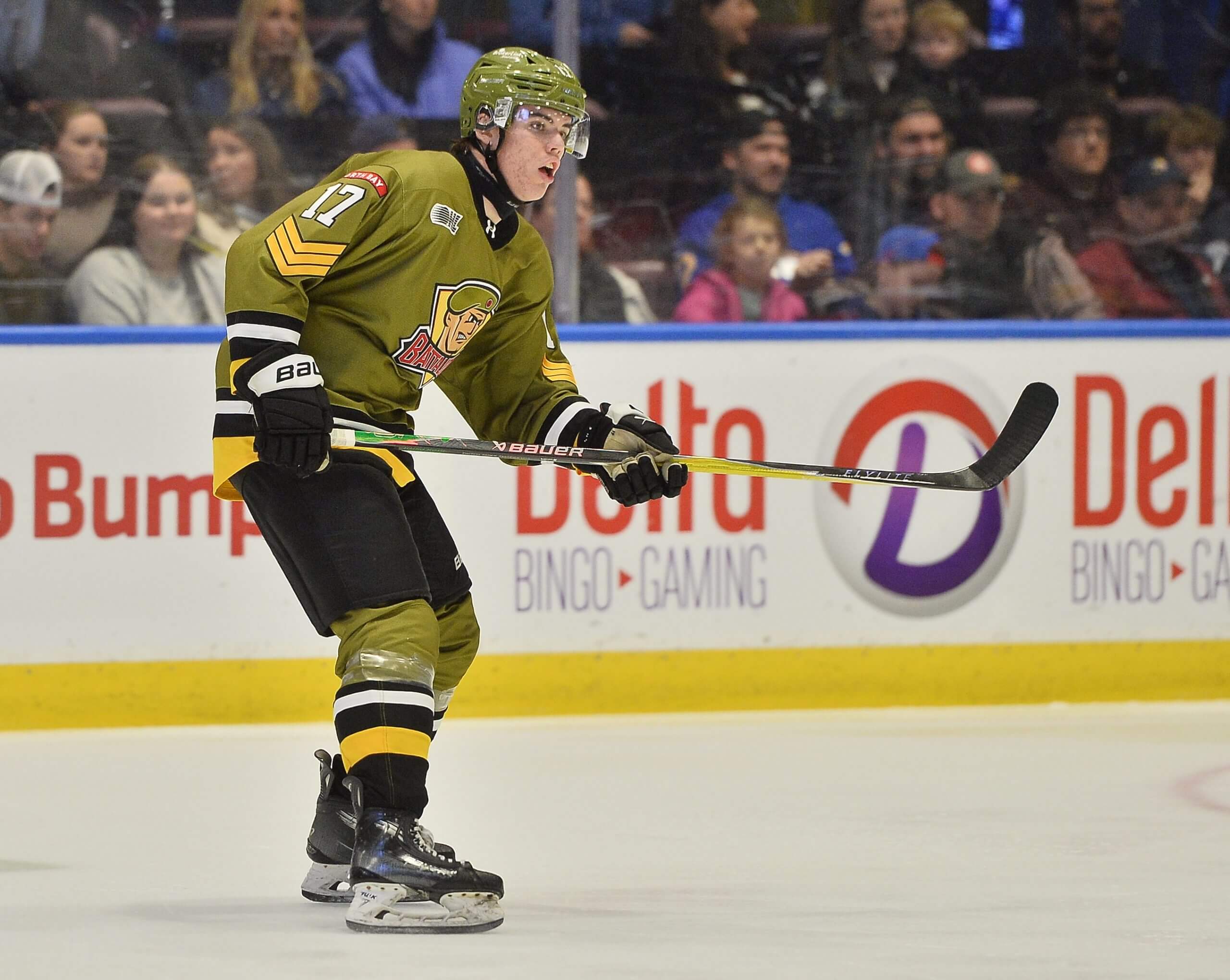
Hurlbert is a very skilled scoring winger. He’s very creative and dynamic as a puck handler and passer while also having a good shot. With the puck, he looks like an NHL player, but his effort level and speed are average, and he can be pushed to the outside too easily. If you see his best games, he looks like a clear middle-six NHL winger who will point and help a power play, but the holes in his game are a concern for the NHL level and could frustrate coaches.
Photo:
Rena Laverty / USA Hockey’s NTDP
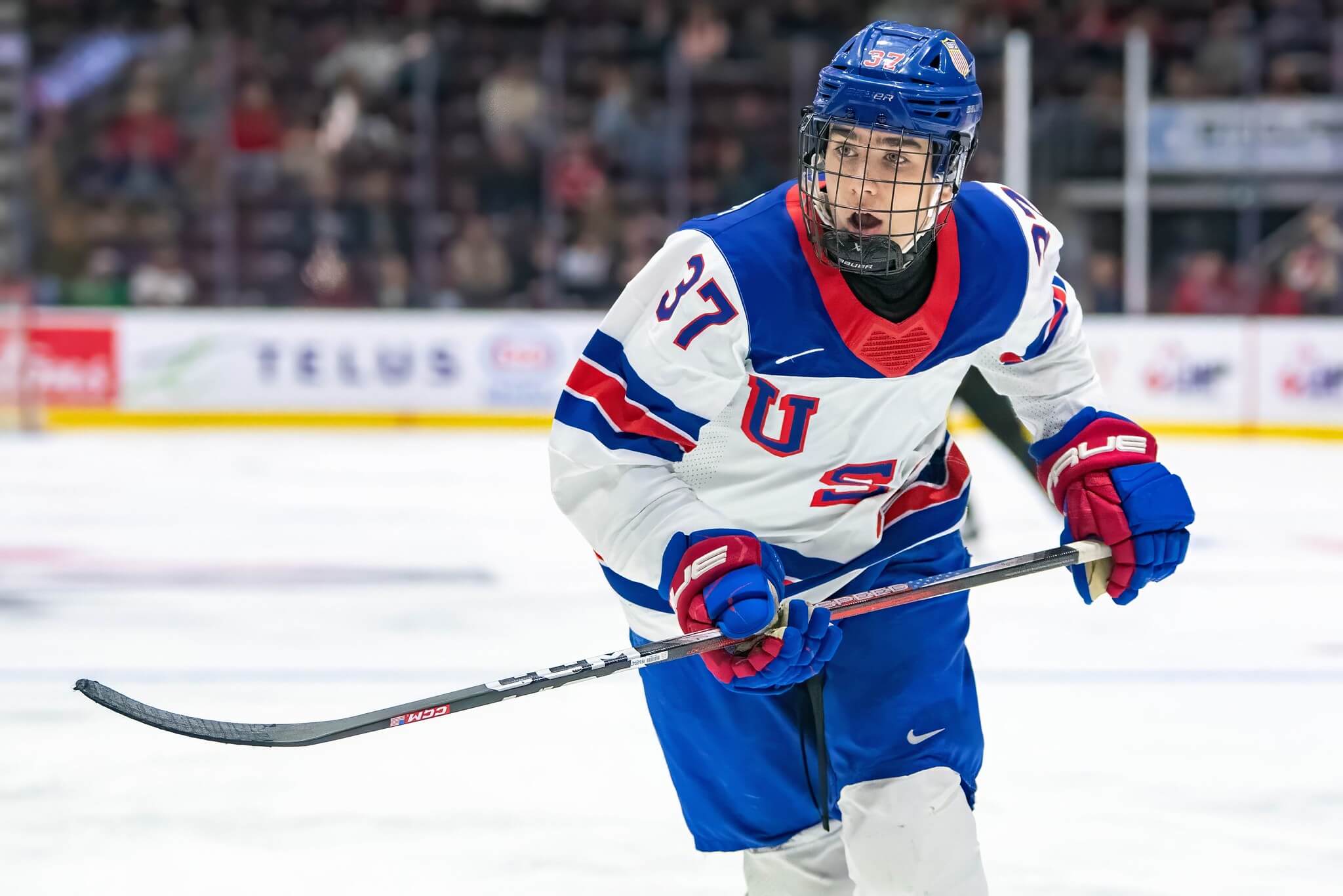
Klepov is a highly skilled and intelligent winger. He has the ability to run a pro power play and make difficult plays consistently at the next level. He’s a solid skater who can generate chances with pace. His effort level is fine, although he’s not that physically imposing and can be pushed to the outside. He’s talented, with NHL power play and scoring ability, but I’m not sold that his talent is special enough for his average athleticism and effort level to be a full-time player, although he’s on the bubble.
Photo:
Emma Miller / Saginaw Spirit
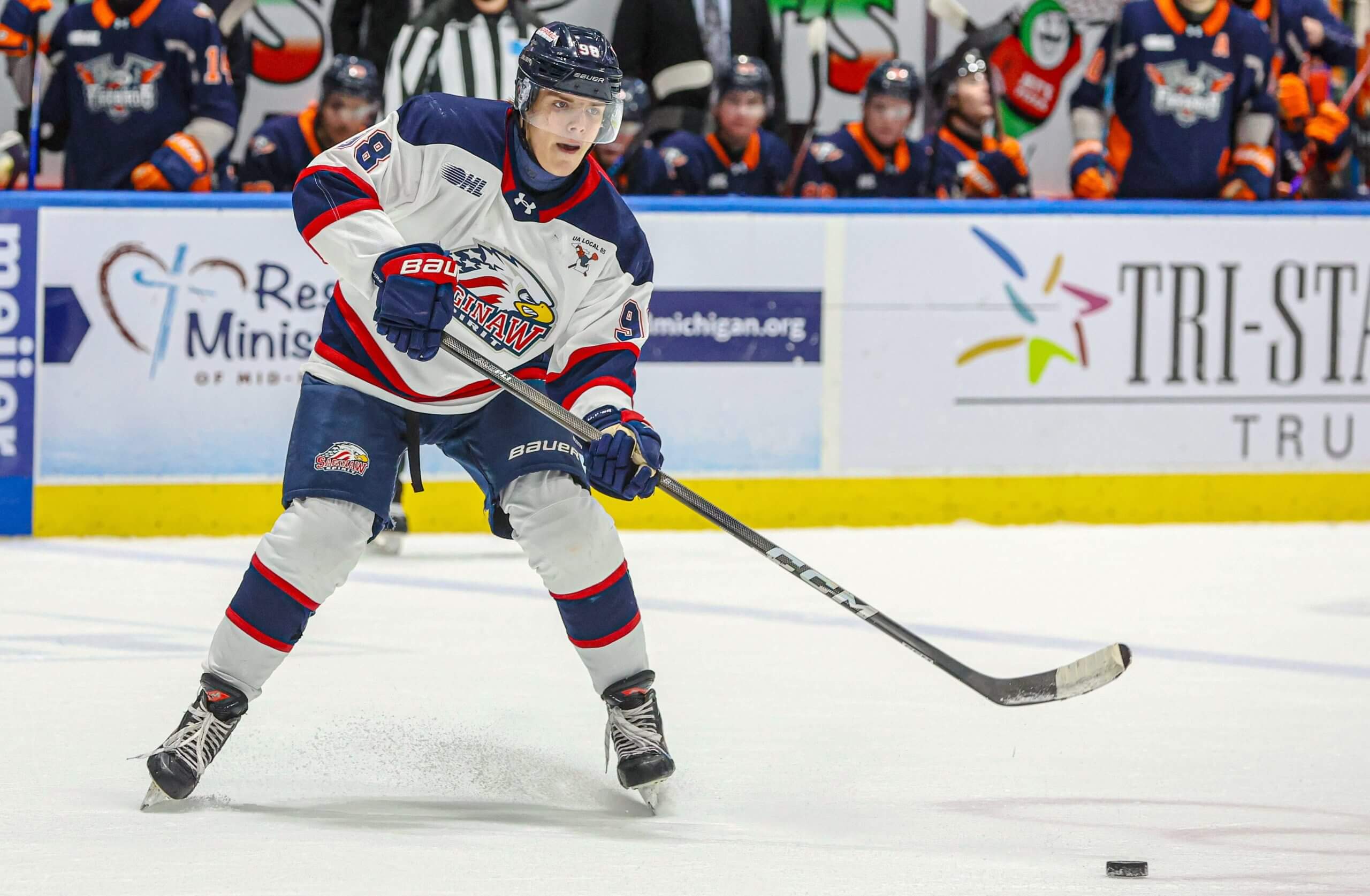
Aaram-Olsen is one of the best pure goal scorers in the draft class and has been a prolific scorer at the junior level. NAO is often a threat to score from the faceoff dot, and with his strong hands and vision, he’s great on the power play. He’s a good skater, too, who has the tools to transition pucks at even strength. His compete level is OK. He shows up and works, but he’s not overly hard to play against, and like a lot of shooters plays a bit too much on the perimeter. He has NHL talent but lacks the all-around game to be a sure thing to play.
Photo:
Pär Olert / Sipa via AP Images
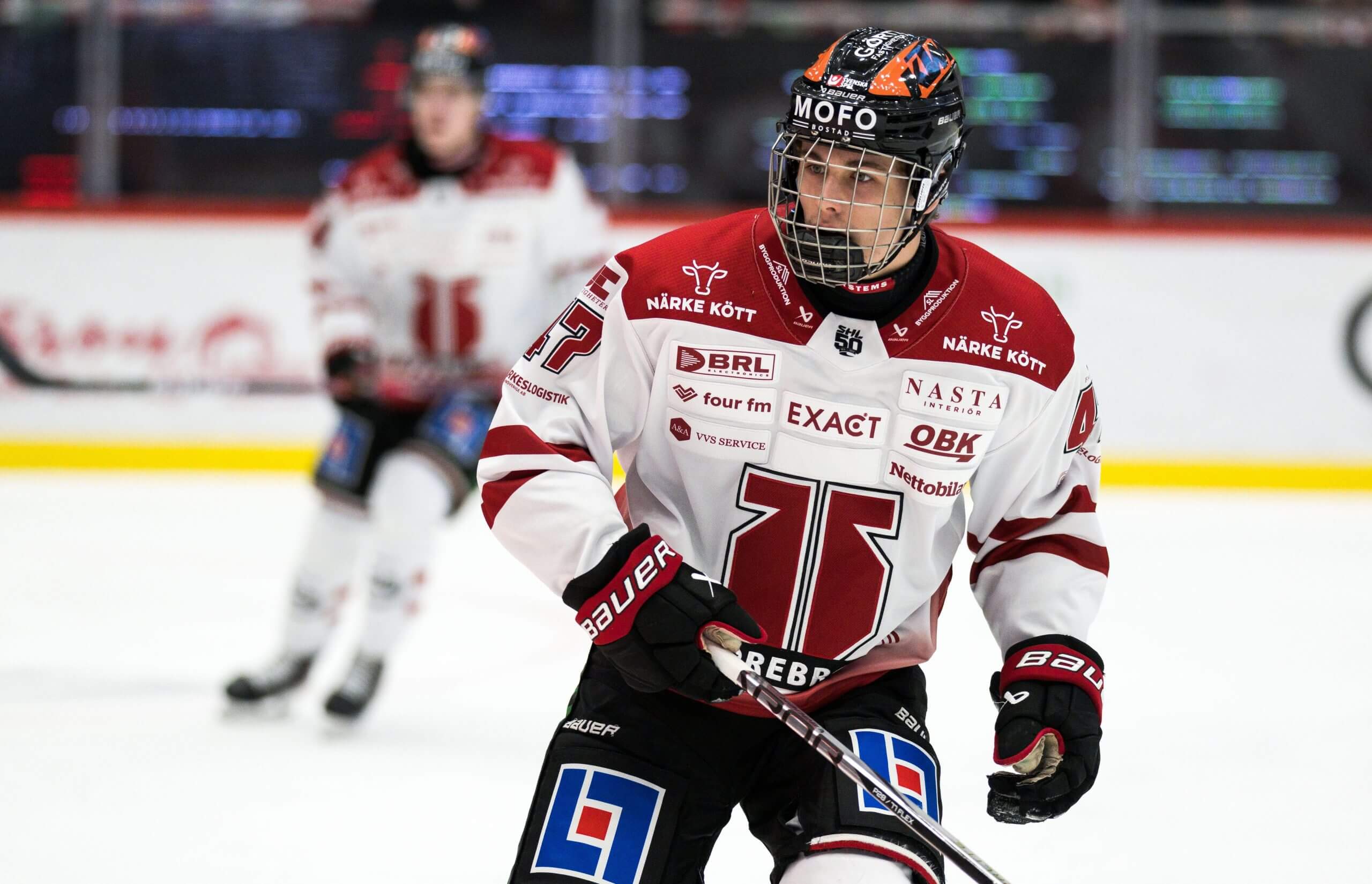
Preston is a very talented winger. His skating is very good, showing the quick-twitch first step and speed of top NHL forwards. He has excellent hands and can score from range. His playmaking is good, but not great. He’s also a 5-foot-11 winger who plays on the outside too much. On his best shifts, he looks like a top-six winger in the NHL, but he’s inconsistent. His talent probably gets him NHL games, but he’ll need to round out his game to become a legit player.
Photo:
Steven Ellis / Daily Faceoff
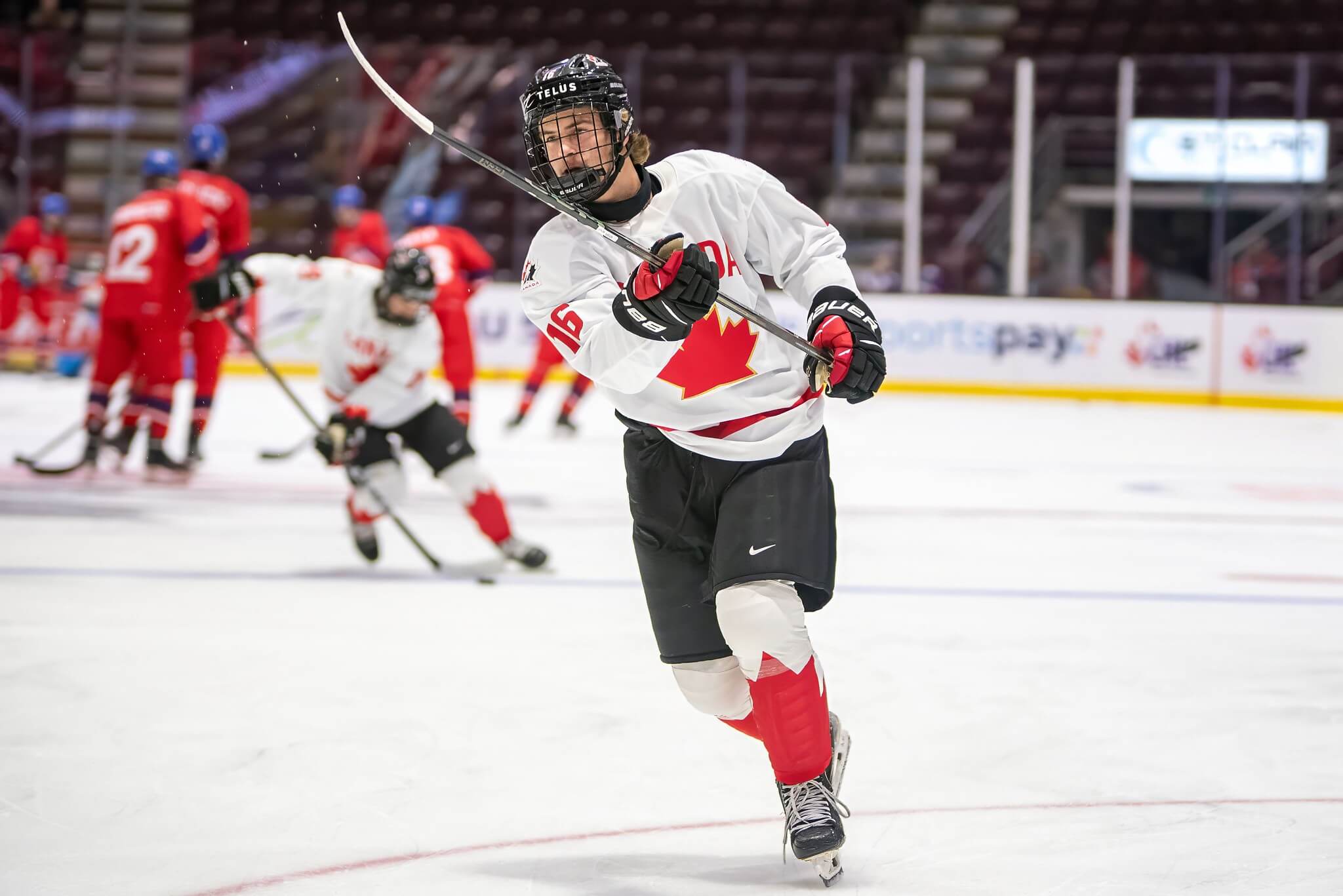
Nordmark has a lot of NHL traits. He’s 6-foot-2, skates well, is a highly gifted puck handler and can both pass and shoot the puck like an NHLer. He’s a flashy forward who can break open a shift. His effort level is just OK, though. He’s not soft, but he’s certainly not a hard-to-play-against type and fades into the background for stretches and has a lot of bad habits. He has top six winger tools but there’s a lot of holes in his games he will need to work on.
Photo:
Kenta Jönsson / Sipa via AP Images
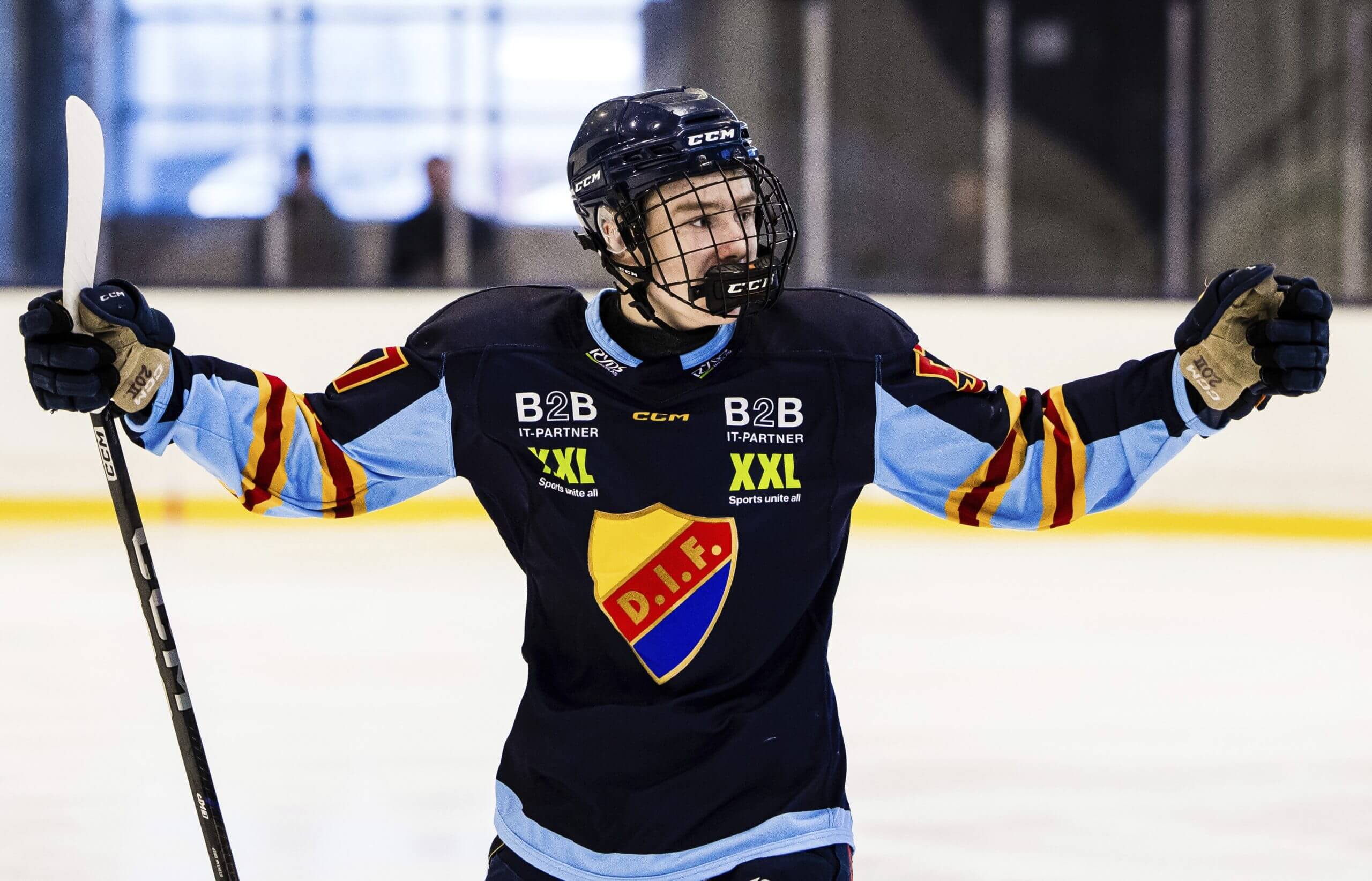
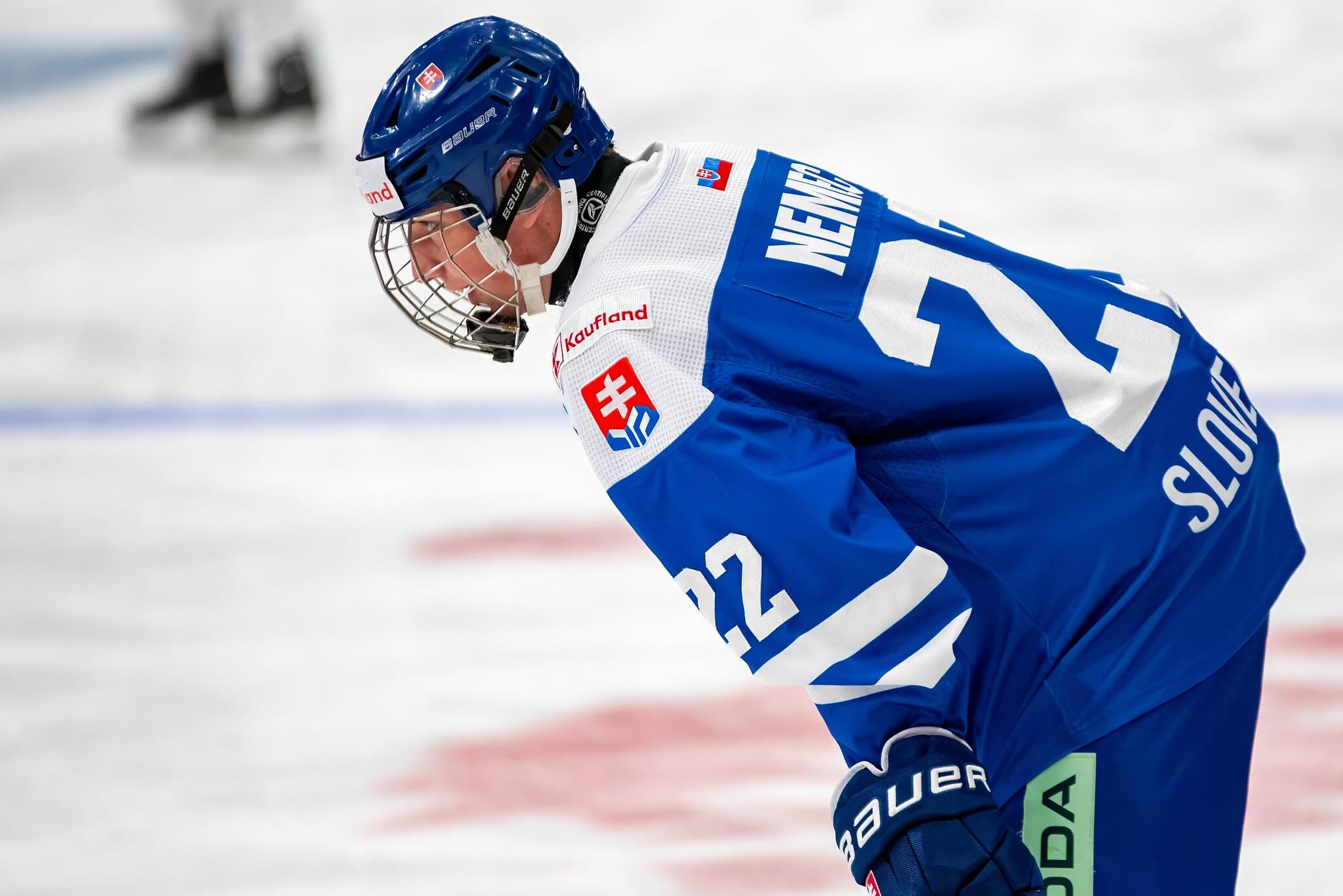
Nemec is a solid all-around forward. He’s a quality skater who can move with pros, although he doesn’t always play with a ton of pace. He has good hands and offensive IQ. He makes some difficult plays with the puck. He works hard and is a reliable off-puck player. He creates offense with a direct style and is at his best when he’s not trying to be flashy. He projects as a bottom-six winger.
Photo:
Steven Ellis / Daily Faceoff
Hoen missed most of the season due to a torn knee ligament, but when healthy, he’s been great at the Swedish junior level and got some SHL time. He’s a tall, fast winger with a great shot. His game lacks east-west playmaking, but he has good hands and can beat opponents with skill. He works hard enough, although he’s not overly physical. Lagerberg projects as a bottom-six winger.
Sivertson is a tall winger with a high skill level who can create on the move and in traffic. He’s a creative player who projects to be able to point at higher levels. His skating will be his issue for the next level due to a clunky stride. His effort level is just average as well. He could be a useful depth player for an organization.
Amrhein is a very toolsy winger. He’s nearly 6-foot-5, skates quite well for his frame and has legit puck skills. In transition, he’s dangerous, and he can make difficult plays in small areas. His game has a few holes, though. He’s not the smartest player, or very hard to play against. A team will be drafting him for his talent and hoping he rounds out his game.
Lemire is a big winger with a high skill level. He makes impressive small-area plays and creates offense at the net. He’s a big man who plays in traffic effectively. His only real issue is his foot speed. I’ve seen slower guys his size, but it will be the main thing scouts debate in his profile. I think the offense and sense he has are good enough to be a bottom-six winger.
Kostov took significant steps forward in his third draft-eligible season. He’s a tall winger who has good offensive skills. He has a big shot that can finish from range. He doesn’t shy from using his body as well. Kostov’s pure sense and playmaking aren’t great, though, and his footspeed is just OK.
Olsson is a high-skilled winger who has been a productive junior player in Sweden. He’s able to create chances off the flank and at the net. He sees the ice well and makes difficult passes. Olsson isn’t overly physical, but he gets to the hard areas to generate offense. His main issue is skating. He’s got a clunky stride that doesn’t have much explosiveness. The pure talent could still lead to him being a bottom-six winger, though.
Lacelle was one of the best goalies in the Q this season. He’s very quick, smart and competitive in net. He explodes across the crease and gets to a lot of difficult pucks. He fights through second-chance opportunities and makes many tough saves. He’s fast but not chaotic. Lacelle is very smart and anticipates where the play is going at a high level. His only downside is his frame. He’s quite small by NHL standards, but on his best days, he looks like an NHL goalie.
Larys is a very intelligent and structured goaltender. He has OK side-to-side quickness and can make tough lateral saves, but it’s not truly NHL caliber. Rather, he projects as a good pro goalie due to how good he is at reading the play, being efficient with his movements and squaring up pucks. He’s also highly competitive at getting to second chances, although he can scramble in his crease a bit too much. He projects as a backup goalie.
Hrenak bounced around between Slovakia and the USHL this season, with strong play at several levels and internationally. He’s a good sized goalie who moves well enough to be an intriguing pro prospect. Hrenak is structured and intelligent in the net, making a lot of good reads and stays square to a lot of pucks. He checks enough boxes to have a legit chance to play games in the NHL.
Knowling was the top goalie on the U.S. NTDP this season, with some sterling international performances and made the USA World Junior team. He’s a large goalie at 6-foot-5. He’s great with his angles and positioning and takes away a lot of net. His lateral quickness is fine. He’s fast for his size and makes tough stops, although it’s not truly elite athleticism. Knowling can also be inconsistent and be victim to bad goals. If you catch his best games, he looks like a legit No. 1 goalie in the NHL, but that player doesn’t always show up.
Ruzicka is a promising goalie prospect. He’s massive at nearly 6-foot-7 and makes a lot of difficult saves in the high percentage area. He’s very smart and competitive. He squares up a lot of pucks easily, and he makes a great effort to get to second chances if he gives them up. The issue in his profile will be his quickness. He has a heavy lower half, and the lateral speed of the NHL game could be a challenge.
Psohlavec played most of the year in Czech junior and performed well, but it was his great performances in international games that made his NHL prospects interesting. He’s a huge goalie at over 6-foot-5. He moves well enough for his size, showing enough quick-twitch in his lower half to make stops versus pros. He’s aggressive and intelligent, finding a way to square up a lot of pucks and be in position without too much extra movement. He has the traits to be a backup in the NHL.
Tamm is a big, technically sound goalie with strong hockey sense. He moves efficiently in the net and squares up a lot of pucks. His side-to-side quickness is below-average, but he competes well for second chances, and his length gives him a legit chance to make it at the next level.
Gashilov was a highly productive player in Russia’s junior league for the last two years. He’s a big center who can move and sees the ice well. He is able to create offense in transition and runs a power play with skill. Gashilov is reasonably physical and doesn’t shy from getting inside with his big frame. He can lack finish in his game, though. He projects as a bottom-six forward, potentially as a center.
Ovcharov has the tools and style of play that will endear him to NHL teams. He’s a big, fast winger with good puck skills. He plays a direct style of play, taking pucks with speed and to the net. He attacks in a basic way, at times too basic, with not much vision in his game. He may not point enough to play, but he has a chance to provide energy and size to a bottom six.
Shurygin didn’t put up great numbers this season in the OHL, but he looked good on a team that allowed a lot of grade-A scoring chances in Saginaw. Shurygin is a huge goalie who moves OK for his size. He’s a smart and aggressive goalie who makes a lot of good reads while being able to assert himself in the play when needed. He doesn’t make a lot of excess movements, either. He has a chance to be an NHL backup.
Chrenko has standout skill with the puck, displaying high-end creativity, vision and ability to create off the perimeter. He’s a good to very good skater with strong speed and edge work. Chrenko isn’t that big and can be pushed to the outside by stronger defenders, which will be his main issue as he advances levels, but he works hard enough to potentially overcome that. He’s also shown he can play center, although it’s debatable if that’s what he projects as in the NHL. His skill could get him games, but it’s not a sure thing that he sticks in the league.
Vanderberg is one of the better skaters in this draft, with the quick twitch feet to project to get by a lot of NHL defensemen. He’s a center who works hard and can play on both special teams. He has decent skill and vision, although he’s not overly creative and projects more as a bottom-of-the-lineup type than a major scorer as a pro.
Murnieks is a dependable two-way center. He’s a good skater who plays with pace. His compete level is excellent; he wins a lot of battles and generates offense in the high percentage areas. Murnieks’ style of play is likable, but whether he has enough pure talent is a minor question. He has some skill and vision, but it’s not a selling point of his game, and he can be quite basic with the puck.
Beuker is a high-effort, high-tempo center who was a leading player on the U.S. NTDP this season. Beuker is a dependable two-way player, but the debate on his NHL projection will be about his offensive potential. He has decent skills, but for a 5-foot-10 forward, he doesn’t have the high-end touch or dynamic abilities you’d like a player to have.
A Hungarian center who plays in Finland, Szongoth’s tools are intriguing. He’s a decent-sized forward who can skate, competes well and has good flashes of skill. He plays hard and is a reliable enough two-way player. He doesn’t see the ice at a high level, but he has a good shot, and when playing a direct style, he can create chances.
Lefebvre had an impressive first season in the Q. He’s a tall, fast winger who is quite physical and, on his best shifts, looks like a potential difference-maker at the next level. His offense is quite inconsistent, though, lacking natural playmaking skills, but he has a decent shot.
Berzkalns is a clear NHL-caliber athlete. He’s a big, strong center with good foot speed and the ability to overpower junior defenders. He has direct skill and can beat opponents one-on-one. He’s not overly creative with the puck, and the way he attacks is basic. His two-way play and effort level are good enough, though, that he could become a useful bottom-six forward/depth player.
Andersson is a big center with a good skill level. He has great hands and offensive creativity in small areas. Andersson competes well and gets to the inside areas to generate chances, showing a willingness to use his size. His pace at time is an issue but he moves well for a guy with his frame. He has a legit chance to make it especially with more consistent offensive production.
In his best games, Fitzgerald looks like an NHL player. He’s a tall right-shot center who can skate. He has good hands and creativity with the puck. He has a great shot and can score from distance. He can also be quite physical and use his large frame to win pucks. Consistency is a major issue, though. There are often games you can’t find him making a difference on the ice, or he isn’t making any plays. His tools should get him games, but he will need to round out his game to become a legit pro.
Elofsson is one of the most skilled defenders in this year’s class. He has great one-on-one skills and the ability to break down opponents. He’s a poised, highly intelligent passer who has the clear offensive touch to run power plays at higher levels. He’s quick and elusive as well. The downside of his game is defense. He’s a small defender who is not overly physical, and whether coaches will trust him in the NHL is a question. The projection is that he will have so much offense that it will balance out.
Galvas was a top player at the World Juniors and was solid for a teenager in the top Czech league. He’s a highly skilled and intelligent defenseman. He makes a lot of difficult plays with the puck, displaying poise and confidence from the offensive blue line. He competes and moves well, although neither are top tier elements you want in a 5-foot-11 defenseman. To make it, his offense is going to need to be excellent as a pro, and I’m on the fence about whether he can reach that level, hence why he’s been undrafted twice before this season.
Bilecki is a toolsy defenseman with the mobility and skill to create chances versus pros. On his best shifts and games, he can make an impact with the plays he can make at pace. He’s an inconsistent player, though, and despite his length and feet, he’s not a great defender.
Dravecky is a skilled, poised puck-moving defenseman. He sees lanes develop and can make difficult plays from the blue line. He also has a great point shot and can point in a bunch of different ways. He’s not that big, but Dravecky works hard, moves well, and coaches can trust him. The debate on his game will be his exact NHL role. He does a lot well, but he’s not elite at either end of the rink.
Liske is a 6-foot-1 right-shot defenseman with NHL-caliber feet and hands. He’s a solid two-way junior, although he lacks a clear identity for the NHL. He’s not overly creative as a puck-mover or hard to play against defensively. The tools give him a chance to make it, though.
MacKenzie was a significant riser this season as a third-year draft-eligible, turning into a legit NHL prospect who made Team Canada at the World Juniors. He’s one of the best skaters in the draft, with the quick twitch first few steps and top gear of a clear NHL defenseman. He’s highly competitive and physical, showing all the traits to make stops as a pro. His puck play will be the only question. It’s been a major hindrance in his junior career. He showed more offense this season, but whether it’s sustainable is up for debate.
Morrison is a tall, mobile defenseman who is quite physical. He kills a lot of plays with his stick and body and has strong gap control. With the puck, though, he’s somewhat limited. He makes an OK outlet pass, but can fight the puck at times with his decisions and isn’t a natural offensive player.
Kralovic took significant steps forward in his fourth draft-eligible season, becoming a top defenseman in the Slovakia league. He’s a tall right-shot who is quite mobile. He can lead an attack like an NHL defenseman due to his speed. With his reach, feet and being quite physical, he makes a lot of stops. His puck game is average at best, but he’s shown more consistency making passes that he has a path to playing NHL games.
Pantelas is a 6-foot-2 right-shot defenseman who skates well and has solid, albeit unspectacular, puck skills and offensive sense. He gets his points and makes good decisions with the puck. He’s a rangy defender with length and average physicality who makes a lot of stops. He checks enough boxes, even if he doesn’t check any with emphasis, to be a projected useful depth defender.
Palme was a solid defender at the junior level for Vaxjo. He has the length, skating and physical play required to defend against pros. Palme’s game can be vanilla at times, and despite decent point production in junior, he’s not projected to be an offense guy at higher levels. If he can bring even some puck-moving skill to the pros, he has a real chance to make an impact.
Kurtz has legit athletic tools for the next level. He’s a tall, mobile defenseman. He can transition pucks well and makes an effective first pass. He’s not a highly physical defender, but he closes gaps well and makes stops. He has a legit chance to play games due to his tools.
Floris is a good-sized right-shot defenseman with decent stick skills and a hard point shot. He’s mobile and has the aesthetic tools of an NHL defender, even if he’s not overly hard to play against or a natural puck-mover. At the junior level, he’s a solid two-way player, but it’s not clear what he would be in the NHL.
Sokolovskii is a massive and highly athletic defenseman. He’s a strong, mobile player who’s very physical and projects to make a ton of stops. The debate on Sokolovskii will come down to his puck play. He can certainly fight the puck at times, although he showed progress as the season went on. The hope is that he can make basic outlets and retrievals because if so, an NHL coach will play him a lot.
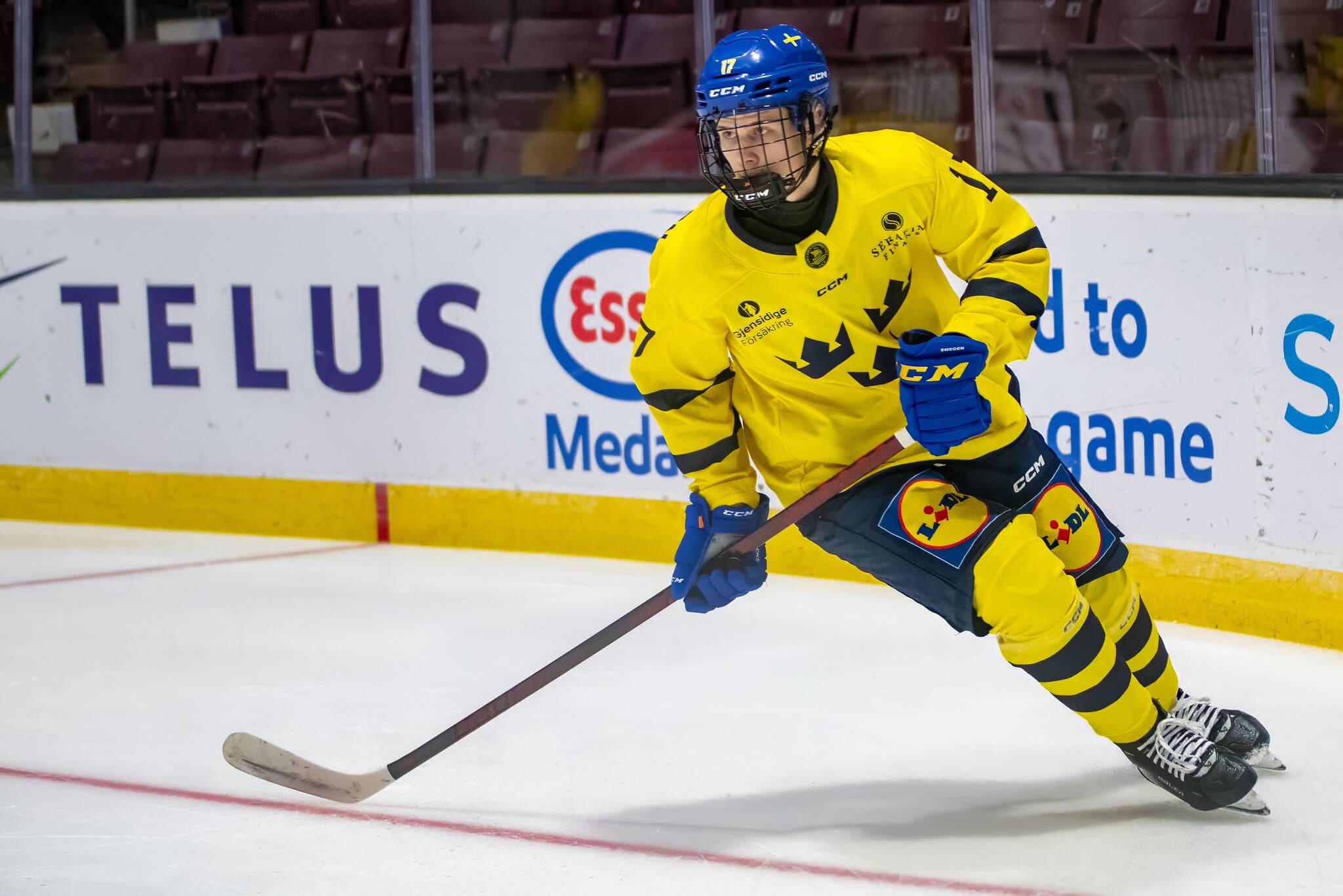
Ruck, the twin brother of fellow draft-eligible Liam Ruck, was excellent in the WHL this season, finishing as the league’s top scorer. He’s a super skilled and intelligent player who makes a lot of difficult plays. He’s great inside the offensive zone and on the power play. He’s not quite as natural a scorer as his brother, though, and his skating will be a notable issue at the next level, especially as a barely 6-foot forward.
Bartholodsson was one of the more dangerous offensive players at the Swedish J20 level this season. He’s a highly skilled winger with very good quickness. He is dangerous both on the power play, creating from a standstill and moving at full pace at even strength. He’s a gifted shooter with a one-timer that can beat NHL goalies. He’s 5-foot-10, though, and has average physicality, raising questions about how he will handle pro defenders.
Roobroeck is a very toolsy winger. He skates and handles the puck quite well, especially for a tall forward. On his best shifts, he looks like a potential top offensive threat in the NHL with his touch, feet and shot. Despite his frame, he doesn’t play hard, and the consistency in his effort level is a question. He has all the tools to be a scoring winger in the NHL, but he will need to show up a lot more often.
Steiner is an excellent skater with the quick twitch to get by a lot of NHL defensemen. He has a high skill level and creates chances with pace. He shoots it well and can set up plays. He’s small and struggles to get to the inside of the ice consistently, but he’s quite physical. He projects as a solid depth winger option.
Mbuyi has been a dangerous scorer in his two years in the OHL. He has the speed and skill for the NHL. He’s a creative winger who can play with pace and makes difficult plays frequently. He isn’t big or physical and can be pushed to the outside, but he can win battles along the walls and create in traffic. Mbuyi also has a good shot from range. He’s not the most dynamic small winger you’ll ever see, but he has a chance to make it.
Valentini is a likable player who is talented but works at both ends of the ice. He’s highly skilled and intelligent and can make difficult plays off the perimeter while also being willing to play in traffic. He’s a very good skater who can play with pace. Everything about his game is impressive, except his frame. He’s 5-foot-10, and there are major questions about whether his offense is special enough at that size to be more than a depth player for an NHL team.
Novak has the foot speed and hands of an NHL forward. He’s quite dangerous in transition and is highly creative with the puck. He’s a solid playmaker who can generate chances off the flank. Without the puck, he isn’t as great. Novak isn’t overly physical and plays on the outside at times. He will need to be more consistent to be a scoring winger in the NHL.
Loob Trygg has been a highly productive junior player in Sweden for the last two seasons. He’s a good skating winger with the skill to score at higher levels. He makes plays on the move and in tight areas, showing a willingness to get to the net to score. Loob Trygg is more of a pass-first player with good vision. He’s not overly physical, and while he checks a lot of boxes, a clear role in the NHL is a question.
Williams is a highly skilled center. He has the soft touch and high-end offensive creativity to make a lot of difficult plays. When he’s competing and playing with pace, he can be a difference-maker. Williams will play on the inside, but he’s not a hard-to-play-against type. His scoring dried up a bit this season, too, compared to his great 16-year-old season, leaving questions on exactly what his projection is, even if the talent remains intriguing.
Edwards is a center who checks a lot of boxes. He’s a good skater with above-average skill. He can make difficult plays in transition and off the half-wall. Edwards isn’t overly physical, but he’s a consistent, reliable player who can PK and whom coaches tend to trust. He has a good shot and can finish chances from range. He projects as a useful depth forward, be it down the middle or on the wing.
Lemieux is a very hardworking winger who has been good between his OHL play and with Hockey Canada. He plays with pace and energy, winning battles and playing well in traffic. He has some skill, but his puck play won’t inspire much confidence for the next level.
Bernat is a big winger who moves well for being 6-foot-4 and has intriguing offensive skills. When you catch his best shifts where he’s coming through the neutral zone with speed and making a play, he looks like an NHL player. He has a decent shot as well. His pure sense is ordinary, though, and he doesn’t create many chances for his teammates. His effort level is fine, but not a selling point. He has tools to work with, but will need to add other elements to his game to become a full-time NHL player.
Gustafson is a big winger with good puck skills. He uses his large frame to get to the net to create offense and can win a fair number of battles. His foot speed is decent as well, and he can beat guys wide off the rush, although his first steps are just OK. The pure offense in his game isn’t great, and he doesn’t make many plays, which could limit him at the next level.
Pakarinen is a good-sized winger who plays hard, has good hands and creates chances in the high percentage areas. His skating is just OK, though, and given that his pure scoring profile isn’t prolific, there is a question about what his NHL role would be.
Frolo is a highly skilled right-shot center. He makes difficult dekes look routine and was a top scorer for his Finnish junior team. He’s a creative playmaker who can make a lot of plays inside the offensive zone. Frolo is also a tough forward who has pushback in his game. He checks enough boxes with his feet, frame and hands, but whether the offense is special enough in his game will be a minor question.
Olsen is a good skater with solid hands and hockey sense. His pure talent level won’t get on many highlight reels, but it’s good enough to ultimately get some points in the pros. He’s a hard worker who plays the body and gives a reliable effort. Nothing about his game truly stands out, and while he checks some boxes, it’s unclear what his role would be in the NHL.
Fetterolf had a huge year in the OHL and was a top goalie in junior hockey. He has great hockey sense, anticipating the play at a high level and rarely being out of position. He works hard, moves well and makes a lot of difficult saves. His only drawback is his size, as he’s way smaller than NHL standards. He’s so competitive and smart, though, that despite his frame, I think he has the goods to make it to the league.
Hrebik was excellent in his third draft-eligible season, being a top goalie in the OHL in the regular season and playoffs. He’s a highly competitive and athletic goalie who makes a lot of difficult saves. He’s not the longest goalie, but he gets to a lot of tough pucks and displays solid lateral quickness. He’s smart and stays with the play well enough. He’s slightly undersized, though, and can look small in the net at times at the junior level.
Orsulak was one of the top goalies in the WHL and had an impressive World Junior. He has clear NHL athleticism between his size and lateral quickness. Orsulak can make NHL-caliber saves, and on his best days, he can steal a game. He can be a bit chaotic in net, overplaying pucks and often seems out of position.
Boettiger has impressed in junior with both the U.S. NTDP last season and this year in the CHL. He’s an athletic, technically sound goaltender. He displays the ability to make a lot of high-difficulty saves. He’s smart and efficient in the net as well. He is slightly undersized, which is his main flaw as a pro prospect.
Fedorov has every trait you want in a player except for size. He’s a quick-twitch skater with the first step and speed to play in the NHL. He’s a skilled center who creates offense in the tough areas despite his size. He works hard and plays a responsible two-way game. While talented, he does not have the eye-popping skill you typically want in a 5-foot-10 player. Fedorov projects as a depth player in an organization.
Shilov is a highly creative center with the vision to run an NHL power-play unit. He’s a good skater who can drive play with his speed and skill. His effort level is a minor question. He shies away from contact, but Shilov gets to the inside often enough that it shouldn’t be a major issue in the NHL, although he may be more of a winger than a center.
Fedoseyev is a quality two-way defenseman who has played well in junior in Russia and has gotten time against pros. He plays hard and makes a lot of good defensive plays due to his compete and reach. Fedoseyev also has good offensive skills as a handler and passer, and a hard point shot. His skating is fine. It’s not an asset, but he’s quick enough. He won’t stand out at anything in the NHL, but he’s good enough at everything to get games.
Kotkov is a quick, skilled winger who plays a direct style. He’s a winger who can beat defenders wide and often takes pucks to the net. He has good playmaking skills and has been a highly productive junior. He isn’t overly dynamic, but with his style of play and decent enough size, Kotkov could be a bottom-six forward if he hits.
Shaikhlislamov is a fast winger whose game is full of tempo. He’s able to create offense in a direct style in how he takes pucks wide past defenders with speed. He’s also a creative playmaker with the instincts to generate off the perimeter. He struggles at times to win battles and get to the net, but he is one of the youngest players in the draft, and with more physical development, he could become that type of player.
Borichev is a very quick and intelligent goalie. He’s slightly undersized by NHL standards, but he’s aggressive and squares up a lot of pucks into his chest. Borichev is also a competitive goalie who fights to keep pucks out. At his best, he looks like an NHL goalie, but his frame and small sample of games are concerns about his projection.


May 14, 2026
Connections: Sports Edition
Spot the pattern. Connect the terms
Find the hidden link between sports terms
Play today’s puzzle