
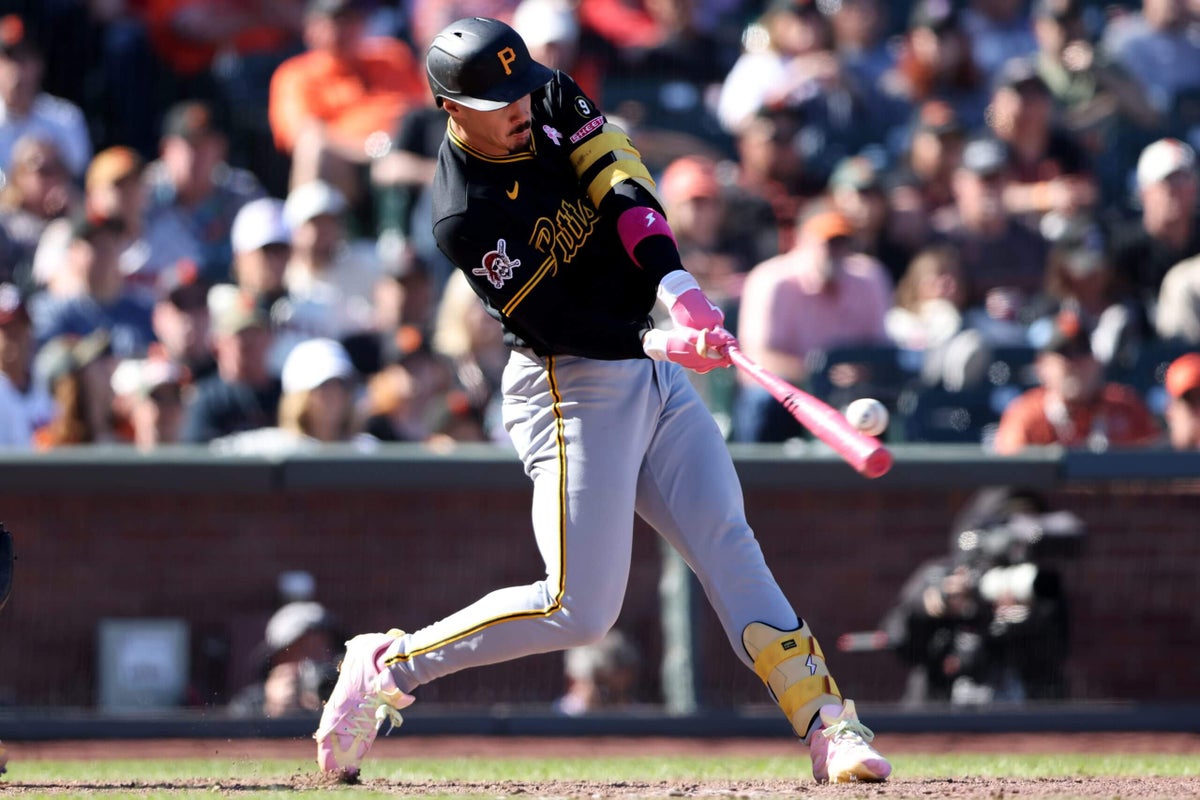
The wise men and women of baseball love to divide every season into 40-game increments. We’d like to thank them, right here and now, for that — because it provides such a convenient excuse to write columns like this one. So here it comes …
What We’ve Learned from the First 40 Games in 2026.
We had to wait until now to write this because it took until Wednesday for all 30 teams to cross the 40-game mile marker. But once they got there, it was time to take stock of another fascinating season.
We’re a long way from the finish line, obviously. If this MLB season were a cross-country drive, from South Beach to the Santa Monica Pier, we’d still only be passing through Chattanooga, Tenn. But have we logged enough mileage to get a feel for what we’re watching? Let’s all vote yes on that.
So how have those robot umps changed the sport? Are the Pirates really going to be a playoff team? Is the National League really this much better than the American League? Do we already have two new superstars in our midst, before either of them has even turned 22? Did the whole league misevaluate Munetaka Murakami? Are the Braves the best team in baseball?
We’ve dug into all of that and more, with lots of helpful insight from a half-dozen of the most insightful front-office minds we know. So let’s start by asking …
Why do robots love the walk?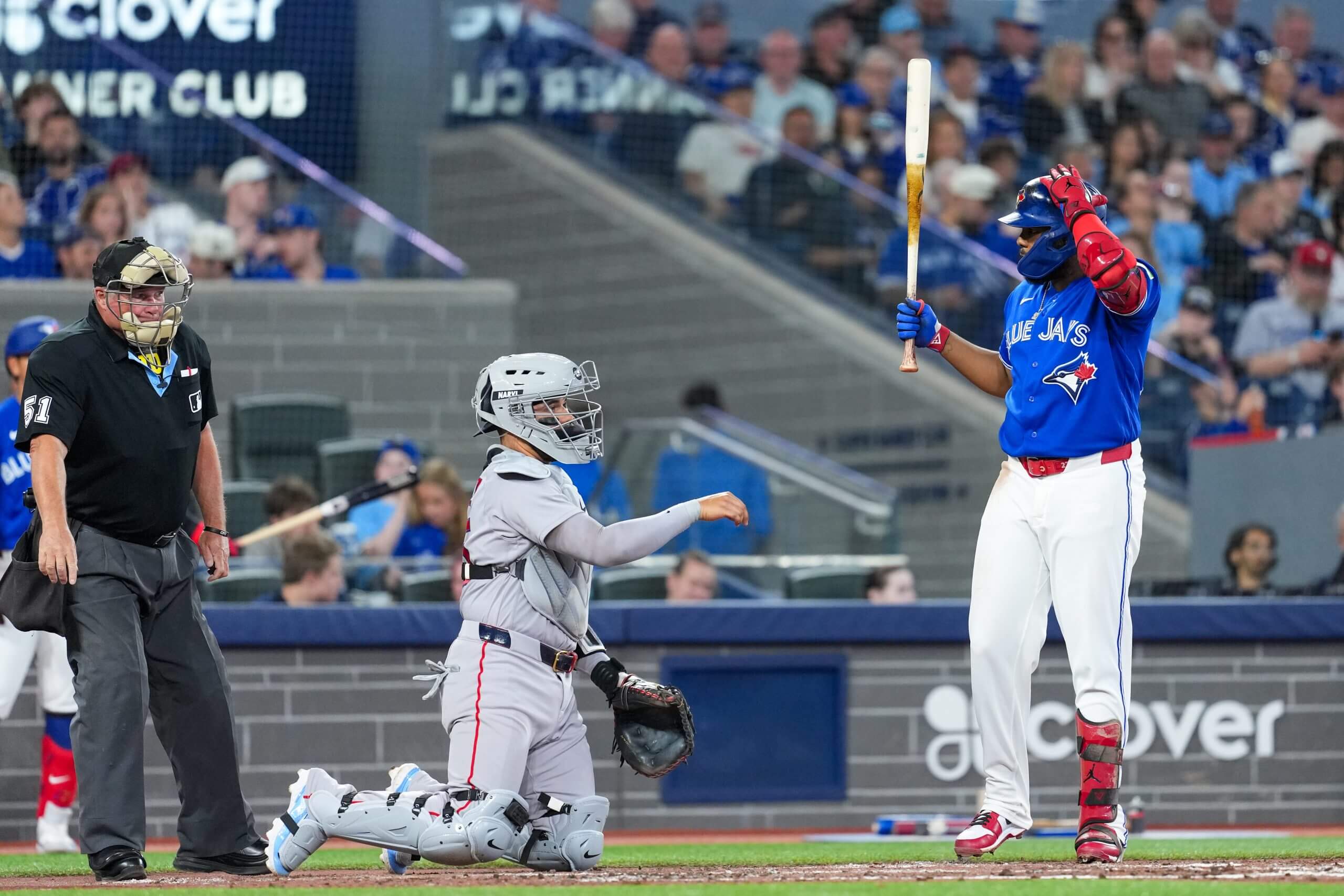
The early data on walks and swings in the ABS era is striking. Will MLB make adjustments? (Thomas Skrlj / MLB Photos via Getty Images)
All you had to do was look at the minor-league data to predict we’d hear those magic words, ball four, a little more this season. But this much more? Who knew!
Thanks to the newfangled robotized strike zone that is empowering the Automated Ball-Strike challenge system (ABS), we’re seeing one of the biggest explosions in walk rates in the last 75 years.
MOST WALKS PER GAME SINCE 1951
2000 — 3.75
1999 — 3.68
1955 — 3.66
2026 — 3.59
(Source: Baseball Reference)
So at this rate, we’re headed for over 2,000 more walks this year than last year. Is that good?
But wait. It’s actually worse than that. What if we ignore intentional walks and just look at the rate of unintentional walks?
Intentional walks became an official stat in 1955. Take a look at the rate of unintentional walks in the 72 seasons since, calculated by percentage of all plate appearances.
2026 — 9.09 percent
2000 — 8.94 percent
1999 — 8.88 percent
(Source: FanGraphs)
Oh, no. That chart just told us this is the highest rate of unintentional walks since that became an actual thing. But the reason it’s happening isn’t that those robot umps love to walk the walk. It’s that they’ve literally shrunk the strike zone. And that’s a reminder that ABS is doing more than just calling balls and strikes.
According to a fantastic analysis of this trend by FanGraphs’ Ben Clemens, the league-wide strike zone, for the average hitter, is 3 inches shorter than it was in 2025 — with most of that lopped off the top. This strike zone is also being called more accurately than ever before, because … well, robots. So the walks epidemic is now a runaway bullet train — and it is affecting almost every game and every team.
“We’re starting to cross the threshold where walk rates around the league are just bizarre,” one AL executive said. “It’s one thing when you look up in the first week of the season and you see teams roll out two or three relievers with as many walks as innings pitched. But now it’s everybody across the league.”
That exec suggested we check how many games there have been already where a team walked at least 10 hitters. He was definitely onto something.
10-WALK GAMES*
2026 — 18
2025 — 5
2024 — 6
(*through each team’s first 40 games)
(Source: Baseball Reference/Stathead)
Yikes. But that’s just part of the ABS story. The other half of this tale is that …
Walks are up because swings are down
Every moment of action on a baseball field starts with a swing of the bat. So you fans of action won’t like this trend.
Hitters this season are swinging at only 46.7 percent of all pitches thrown. If that keeps up, it would be the lowest rate since the shortened 2020 season — and the lowest over a full season since 2018.
So what does that mean? If we project the current rate of takes per inning over the innings total for a full season, we could be headed for somewhere in the neighborhood of 10,000 fewer pitches swung at than last season. Again: Is that good?
Um, not that good — and that number might even be light. The consensus among the execs we talked to is that veteran hitters are only now starting to catch on to how much smaller the robotized strike zone is — and where. So a couple of those execs predicted that as this season goes on, hitters will actually swing even less than they’ve been hacking so far.
That leads to a critical question that everyone in this sport should be mulling. Can we agree that more walks/fewer swings is the opposite of what most of us would define as the best version of baseball? If we can, then how should the sport respond to this?
On the field, the answer was almost unanimous: “I think teams are going to start to adapt to it and just demand their pitchers throw the ball over the plate,” said one exec.
But the bigger question is: Will the league respond? Will it tweak the strike zone, as it did numerous times in the minor leagues while it was experimenting with ABS — hoping it can drive strike rates up and walk rates down, and somehow get more balls in play? That didn’t work in the minors, but does that mean more tweaks are off the table in the big leagues?
“I don’t know,” one NL exec said. “I just don’t know what’s important to them. It will be really interesting to see how all of this plays out in terms of: Do the fans like this version of the game? And I don’t know that answer. I do know they love ABS, so you’re not getting rid of that.
“I can tell you, from being at the ballpark, that it used to be all sorts of random things that would excite fans: a home run, a good throw from the outfield to third base, whatever. But now it’s like, the largest cheer you have every game is the winner of ‘Ball or strike?’ on every challenge.”
Is the American League really this bad?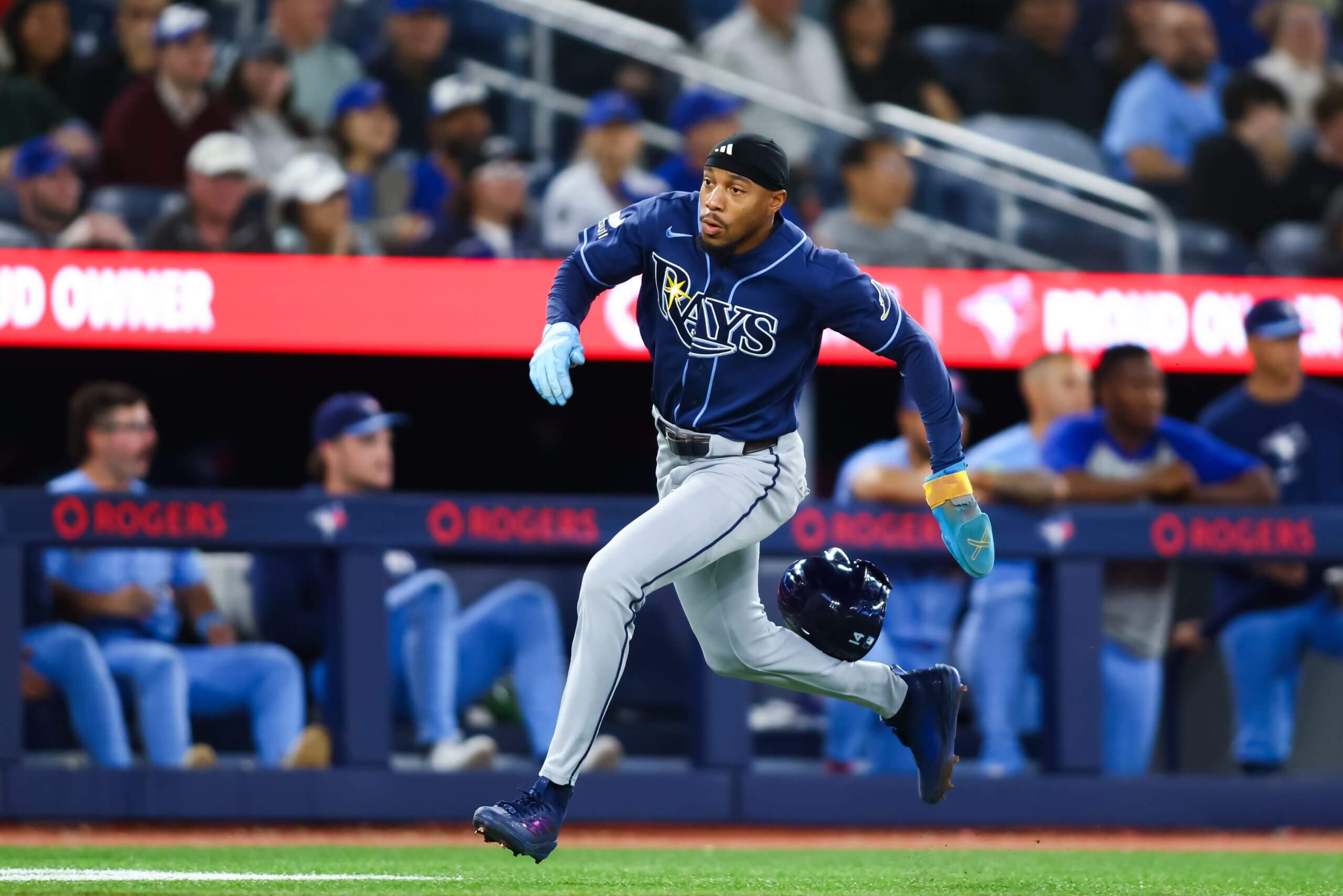
The Rays — and Chandler Simpson — are rolling. Most of the rest of the AL? Not so much. (Cole Burston / Getty Images)
We’ll get to write about many more ABS trends as this season rolls along. But now let’s wonder … what the heck happened to the AL?
• Until the Guardians swept the Angels this week, only two teams in the league were more than two games over .500 — the Rays and Yankees.
• Incredibly, through Wednesday, just four of the 15 AL teams even had a positive run differential.
• Only one team — the Rays — had a winning record against teams that were .500 or better.
• And in interleague play, the NL was a dominating 113-87 — which computes to a winning percentage of .565. Does that seem lopsided? Let’s go with yes. This is the 30th season of interleague play. If that percentage holds, it would be the second-best mark ever, by any league, in all those years. Only the 2008 AL (.591) tops it.
Could those numbers lie? Of course, especially in seven-week small samples. But are they lying? We got no pushback, from anyone, on the notion that the NL is just flat out better right now. The question is why?
Here’s one logical answer: You know what your grandpa always told you, right? Follow the money!
“Look at where the money’s been spent over the last couple years in free agency,” one exec said. “Look where the players have migrated from one league to the other. Follow the money. It’s a big difference.”
So how big is that difference? Over the last four offseasons, 27 free agents have signed contracts worth $100 million or more — and 17 of them landed in the NL. Of the 10 who went to the AL, seven went to the AL East.
OK then, does money really talk? Heck, these days, in this sport, it feels like it’s talking louder than Michael (Let’s Get Ready to Rumble) Buffer.
Did the WBC take a bigger toll than we thought?
The World Baseball Classic was such spectacular baseball theater, only a column like this, which looks under the hood, could find the downside in it. But hey, you’re welcome.
“I was looking at this the other day,” an exec of one club told us. “There were seven teams that had 14 or more participants in the WBC. And when I looked, five of them had losing records.”
Hmmm. Here are those seven teams, according to Baseball America:
Mets — 17
Mariners — 16
Phillies — 15
Red Sox — 14
Royals — 14
Pirates — 14
Brewers — 14
Other than the Pirates, none of those teams got off to a great start, compared with their expectations. Two of them — the Phillies and Red Sox — fired their managers because of it. That isn’t all the WBC’s fault, but it’s no secret:
Besides injury risk, the absence of key players for weeks at a time in March is every team’s No. 1 complaint about the timing of the WBC.
“I just know that in our spring training, we had no energy,” said an executive of one team that had a lot of missing regulars. “It was awful. The energy in our clubhouse, it wasn’t there. It felt like our stars were gone. Our new players didn’t get to know their teammates. And in spring training, that’s a big commodity: clubhouse chemistry. So I really feel like April, for us, was like spring training. I really do.”
That isn’t the only reason we’re now hearing talk of moving the WBC — or at least the final rounds — to July. But if the league is looking for executives inside the game who are willing to lobby for that move, they’re not hard to find.
Will the Steelers and Penguins have October company in Pittsburgh?
Not to give you the impression it’s been a long time since the Pirates played a postseason game, but …
Since the Buccos got ousted by the Cubs in the 2015 Wild Card Game:
• 202 different players have marched to home plate for the Pirates.
• 191 different pitchers have thrown a pitch for the Pirates.
• And the Steelers and Penguins have combined to play (gulp) 99 playoff games since the last time the Pirates played one playoff game.
But is that about to change? As of Wednesday, FanGraphs was projecting the Pirates to finish the season as an 86-win wild-card team, with almost the same chance to win the World Series (3.8 percent) as the team with the best record in the American League, the Rays (4.2 percent).
Hang with us. There’s more. FanGraphs is also projecting the Pirates to score the sixth-most runs in baseball, allow the 10th-fewest runs in baseball and have the seventh-best run differential (plus-52) in baseball.
That sure sounds like a legit playoff team — to the FanGraphs computer programmers. But do rival execs see what those spreadsheets see? They do! (Well, most of them do.)
“The Pirates have enough pitching that you would not want to play them in October,” said one AL exec who remains skeptical that Pittsburgh’s pitching is enough to get them into the tournament. “I mean, obviously you’re going to get really good starters in Games 1, 2 and 3.”
But is there enough offense around Paul Skenes and his mound co-conspirators to win 86 games or so?
“I don’t see it,” the same exec said, for reasons based solely on those bats and shaky defense.
But now let’s remember something. The lineup you see along the shores of the Allegheny River today does not have to be the lineup you’ll see in October. There’s an invention known as the trade deadline that could have a huge impact on this team.
“Pitching-wise, they’ve got the inventory in their system to go out and get what they need offensively,” said another AL exec, “if they’ll take on the money.”
If they’ll take on the money? Has there ever been a bigger “if” when we’re talking about a franchise that hasn’t been confused lately with the Dodgers?
“Yeah, it would be a strange deal to see them do that,” the same exec said. “But stranger things have happened.”
McGonigle and Griffin — the future of baseball?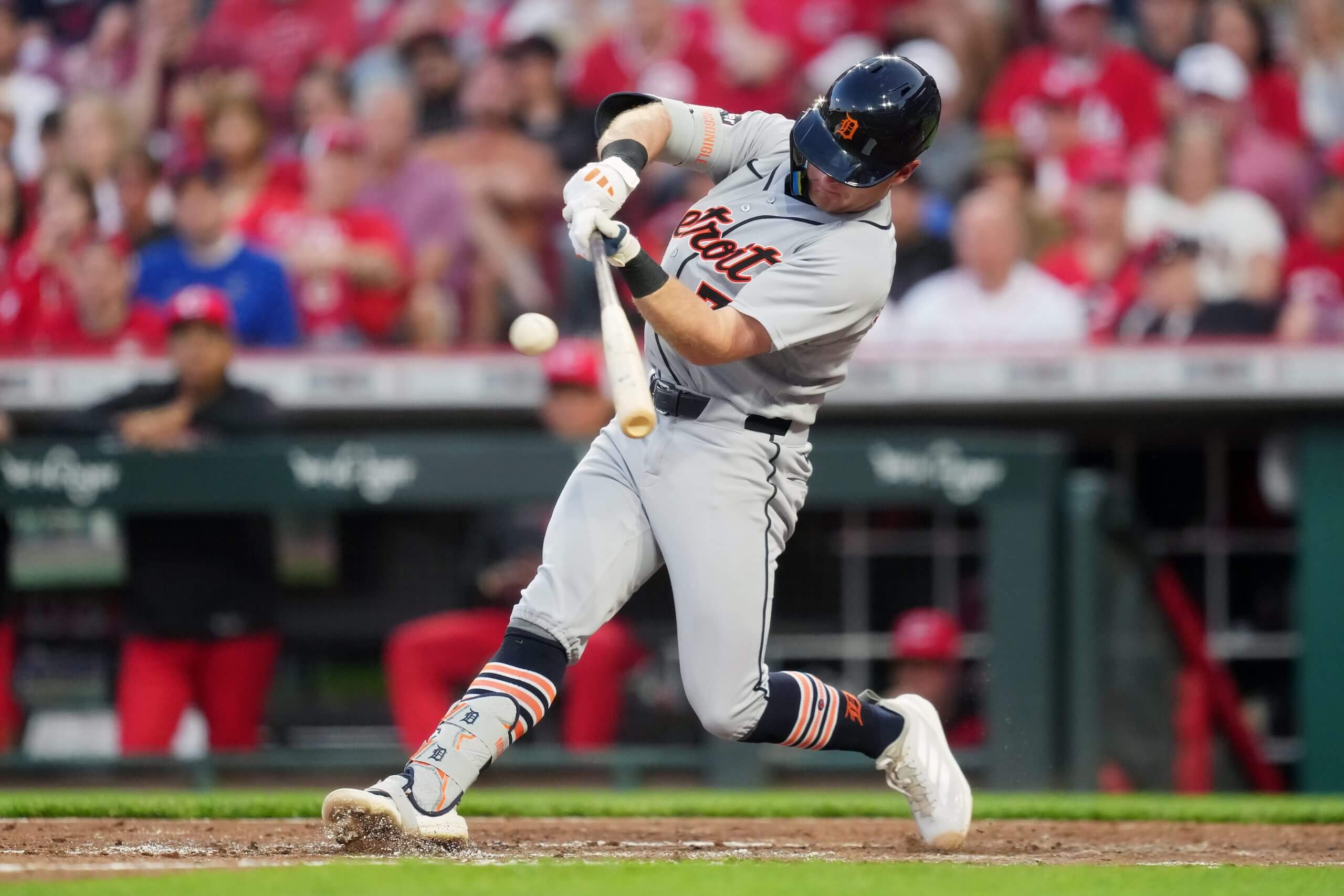
Tigers rookie Kevin McGonigle has a .400 OBP and more walks (26) than strikeouts (24), at age 22. (Dylan Buell / Getty Images)
How young are Kevin McGonigle and Konnor Griffin? This about sums it up:
They’ve never lived in a world where the Red Sox were cursed by any Bambinos. They never saw Barry Bonds launch any of his 73 homers (in 2001). And their memories are a little fuzzy of all 3,001 games played by a man named Ripken (Cal), possibly because they forgot to be born for any of them.
But less than two months into this season, here’s what we’ve learned: We’re looking at two guys who are the future of baseball — except they might already be the faces of their franchise (position-player division) in the present.
In Detroit, McGonigle is 42 games into his career, has a .400 on-base percentage and more walks (26) than strikeouts (24), at age 22. Unheard of.
In Pittsburgh, Griffin took a couple of weeks to figure out life on Planet Big Leagues. But since April 24, the day he turned 20, he’s rocking a .324/.380/.535 slash line. And who knew we’d ever find ourselves using that term, “future of baseball,” to describe any human not named Paul Skenes?
When we asked execs whose teams have played these guys, the gushing was so effusive, it reminded us of that time our basement flooded.
ON MCGONIGLE: “Honestly, as I was watching McGonigle,” said an NL exec, “I turned to the guys around me and I said, ‘I feel this guy is a top 10 hitter in the American League right now, and it’s not even close.’”
ON GRIFFIN: “Griffin is a freak,” said an AL exec. “He just turned 20, and he can just do things physically that — forget most 20-year-olds — like most players can’t do. We have him as one of the most valuable prospects of all time — like (Bryce) Harper-(Mike) Trout level, like the top of the stack in terms of all-time prospects.”
Whoa. OK then. McGonigle and Griffin have arrived in the big leagues as part of a spectacular rookie class. But with apologies to JJ Wetherholt, Sal Stewart, Chase DeLauter, Justin Crawford, Nolan McLean, Parker Messick and more, these two guys aren’t just great rookie talents, said one of the execs quoted above. They’re “generational rookie talents.”
Were we as wrong as usual about the AL East — and the Rays?
Let’s roll back our calendars to the start of spring training. Every projection system was telling us that the four best teams in the American League were all about to tear up the AL East … and also that none of those teams were known as “the Rays.”
So naturally, here we are, a quarter of the way through the season, and the best team in the AL plays baseball under the newly stitched roof of Tropicana Field. Meanwhile, the Orioles, Blue Jays and Red Sox need to rent out the Hubble Telescope just to see first place.
All right, so how could nobody — from PECOTA to front offices across the sport — have seen the latest Rays behemoth coming?
FROM AN AL EXEC: “I give a ton of credit to the Rays for finding a way to do what they’re doing right now. I mean, they’re 9-1 in one-run games, and that’s not likely to sustain itself. But they always find a way to make magic out of beans. I just don’t know how they’re doing it right now, scoring runs with the way they’re built.”
FROM ANOTHER AL EXEC: “They always know who they are. And I definitely think it starts at the top (with the manager, Kevin Cash, and the president of baseball operations, Erik Neander). I think that they truly go, ‘All right, we’re going to have this much money. This is our personnel. We need to make this trade and that trade. What’s our best way to play the game?’ And then, boom! There they go. It’s really a special thing to watch them remake themselves every year.”
Are the Braves the best team in baseball?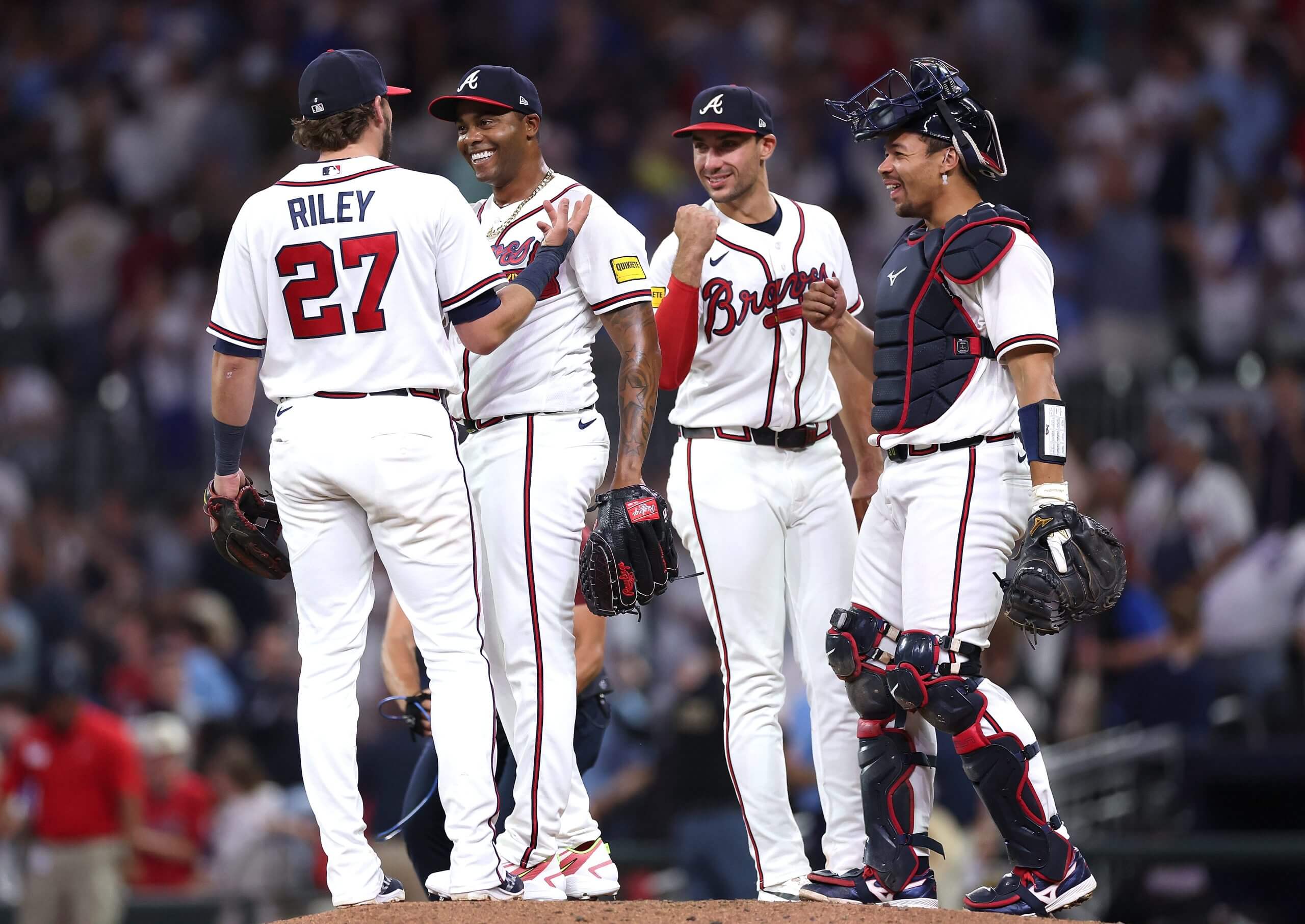
“I just got that one wrong”: The Braves served notice in the first quarter of the season, surprising some execs who didn’t see this coming. (Kevin C. Cox / Getty Images)
The Rays aren’t the only team many of us got all wrong. DraftKings slapped a preseason over/under on the Braves of 86.5 wins. We hope you took the “over.” If they keep winning at this pace (30-14, .682), they’re going to win 110 — and beat that over/under by 24 games.
So is this the best team in baseball? Our panel decided to word their answers carefully. Can we get away with saying the Dodgers still have the best roster — but the Braves have played the best baseball?
“Here are my thoughts on the Dodgers,” one exec texted.
Then he sent an emoji of Bill Murray in “Stripes,” telling his commanding officer: “I’m pacing myself.”
In other words, it’s hard to have a Dodgers-Braves best team in baseball debate when one of those teams is basically playing this like it’s the fourth month of spring training. But nobody should be minimizing the Braves’ blitz to 30 wins.
The Braves are beating up on winning teams and losing teams, winning against right-handers and left-handers, and against every division. Their offense leads the sport in runs scored, OPS and slugging. Their pitching staff leads the sport in ERA. And their defense is No. 1 in baseball in Total Zone Fielding Runs Above Average, according to Baseball Reference.
That seems good.
“It feels like every guy in their lineup has got a .900 OPS,” said the exec who sent that text. “And every pitcher has got a 10-to-1 strikeout/walk ratio. It’s very impressive what they’re running out there, especially with all the injuries they had in spring training. I will say that I just got that one wrong. I thought the pitching injuries were going to just demolish them, and that hasn’t happened.”
Did the whole sport miss the boat on Murakami?
Finally, if you’re a Blue Jays or White Sox fan who read that section on rookies above, we know what you’re thinking: What about Munetaka Murakami and Kazuma Okamoto? Hey there, thanks for asking. Here’s our stance:
We love watching them play. But they’ve also arrived after combining to play more than 2,000 games in Japan. So they’re “rookies” who aren’t really rookies. But they’re also commanding lots of attention.
In Toronto, Okamoto has been pretty much as advertised. Murakami, on the other hand, is one of the hottest topics of the year in front offices across our continent — or possibly two continents.
That might have something to do with this: Going into his game Thursday night, he was on pace for:
58 home runs … 124 walks … a .900 OPS … and a 150 OPS+.
And why would that get our attention? Possibly because … only one active player has ever had that season … and he’s Aaron Judge.
But you can also spin Murakami’s numbers through your food processor and come up with this Adam Dunn-esque pace:
58 home runs … 4 doubles … 0 triples … 69 singles … and 243 strikeouts.
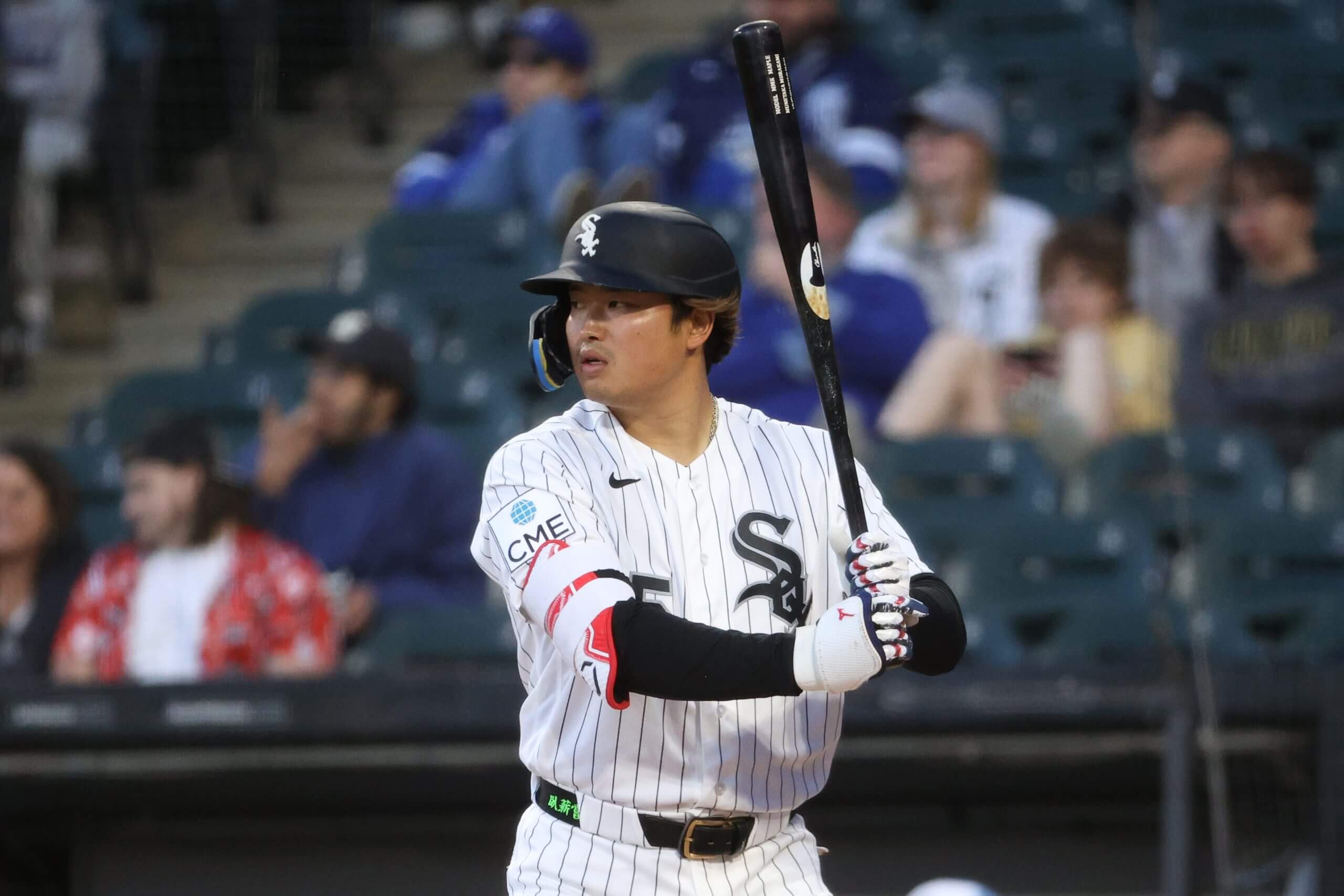
Murakami mania is here — and we’re here for it. (Jayden Mack / Getty Images)
So when we asked these execs if the whole league had misevaluated Murakami, let’s just say every dentist in Tokyo could hear the gnashing of teeth from their offices across the ocean.
“Maybe I’m just refusing to be wrong,” groused an exec from one team that dug in on Murakami heavily this offseason. “I don’t know. Maybe I can admit in, like, a month or a year that I was just an idiot — and I was wrong. I thought he was going to strike out too much. And I didn’t think he was going to hit.”
To provide him with some helpful perspective, we started to read off those on-a-pace numbers above. He stopped us and kept agonizing.
“I think he has more power than I thought he had,” the exec said. “Not that I didn’t think he had power. But he has tremendous power. …
“So I just think it’s jury out. That’s all I want to go with: Jury’s out. I’m not ready to say this is all going to collapse. I’m just saying I don’t know. It might. But he also might hit 52 homers and shut us all up.”