
BOISE, Idaho (CBS2) — A Boise State University researcher is warning about endangered plant species after helping lead an international study identifying the world’s most irreplaceable plants at risk of extinction.
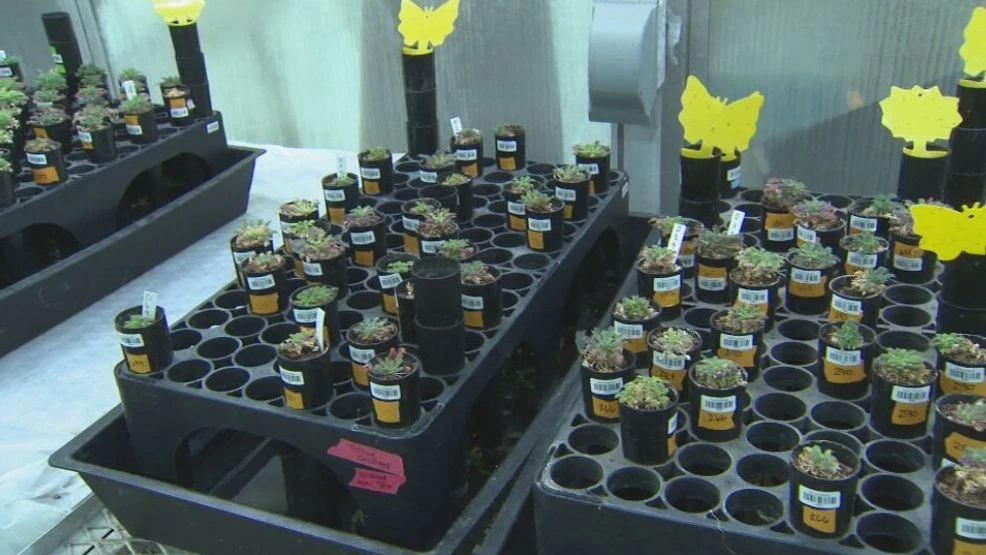
Boise State scientist helps identify endangered plants at highest risk of extinction (CBS2 photo)
“We are in a biodiversity crisis right now. We have to help people identify which plants to protect first,” said Boise State Associate Professor Dr. Sven Buerki.
Researchers ranked flowering plants (such as roses, orchids and oak trees) based on their uniqueness and how threatened they have become.
“What we found out is that 21 percent of the evolutionary history of flowering plants is at risk of extinction, representing about 10,000 species that we need to take urgent action to protect.”
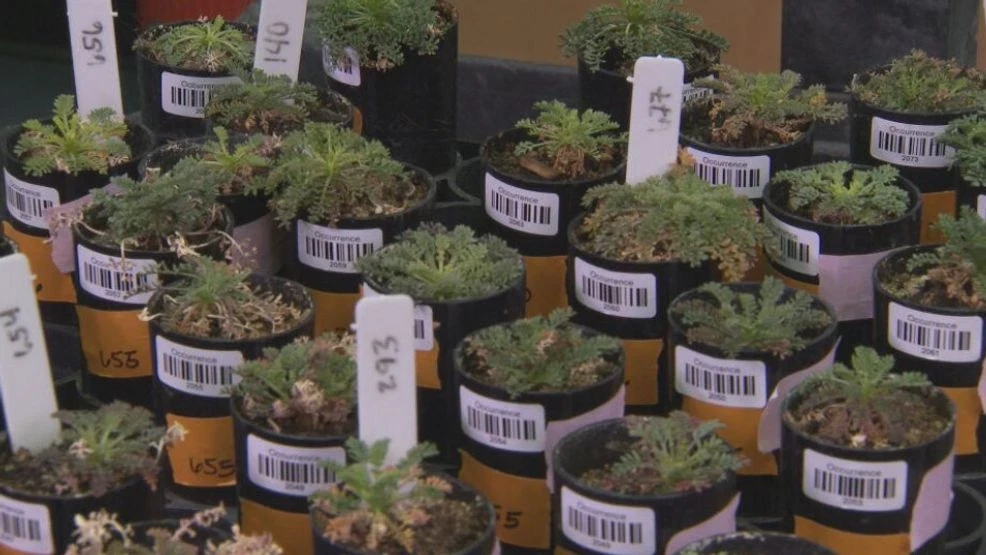
Boise State scientist helps identify endangered plants at highest risk of extinction (CBS2 photo)
Dr. Buerki said most previous extinction-risk studies focused on animals, making this one of the most comprehensive efforts centered on plants.
One of the species researchers identified as the highest conservation priority came as a surprise.
“The species we ranked as the very top priority for protection was one no one had really thought about,” Buerki said. “It’s found only in Honduras, and I actually didn’t know about it myself.”
Researchers say plant extinction has a significant impact because ecosystems depend on plants to survive.
“Plants are the cornerstones of our ecosystems,” Dr. Buerki said. “If they were to go extinct, there would be a cascading effect in extinction from insects to your top predators.”
Dr. Buerki said conservation is also tied directly to human survival and quality of life.
“What we want to do here is not only protect natural ecosystems and plants, but also protect our way of life and everything we depend upon.”
The study identified habitat loss as the main driver of plant extinction. As habitats become fragmented, plant populations lose genetic diversity and struggle to adapt to climate change.
“For plants in our ecosystem, habitat loss is the main driver of extinction,” Dr. Buerki said. “What it does is create fragmentation, causing populations to become more and more isolated. As they become increasingly isolated, they lose genetic diversity and, with it, their ability to adapt to new conditions driven by climate change.”
Dr. Buerki said Idaho is already seeing climate change impacts through drought, heat and worsening wildfire conditions.
“The main drivers of climate change and the way it manifests itself here in Idaho is drought and heat. These two combined increase our wildfires, and wildfires are actually going to exacerbate extinction of species and our whole ecosystem.”
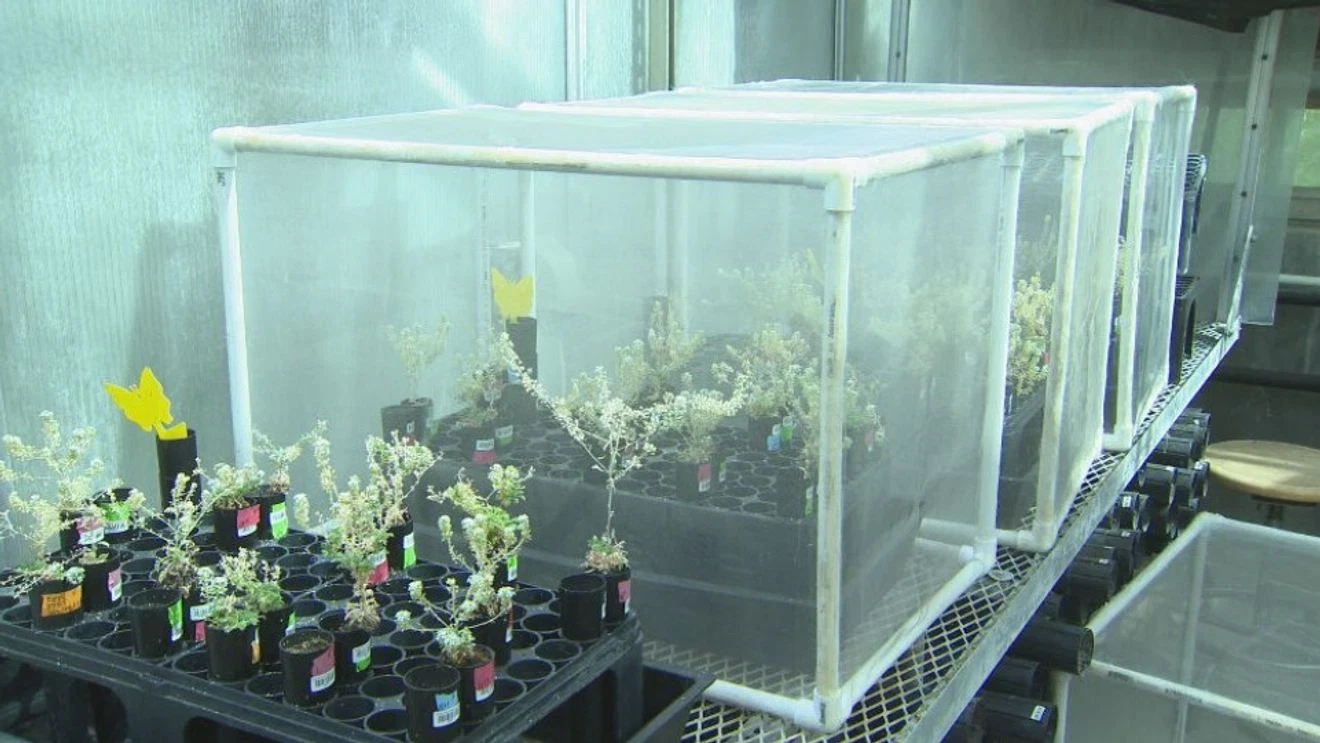
Researchers at Boise State University are working with federal agencies to help restore populations of the threatened slickspot peppergrass, a mustard species endemic to southwestern Idaho, through genetics research and seed production.
“Working with federal agencies to protect and restore this plant,” Dr. Buerki said. “Our role is to work on genetics and produce seeds so that we can put the seeds out there and restore the populations…If we can restore these, we will have benefits to the wildlife.”
Dr. Buerki said he hopes the research also helps people better understand the importance of plants and the role they play in everyday life. You can read the study by clicking HERE.