
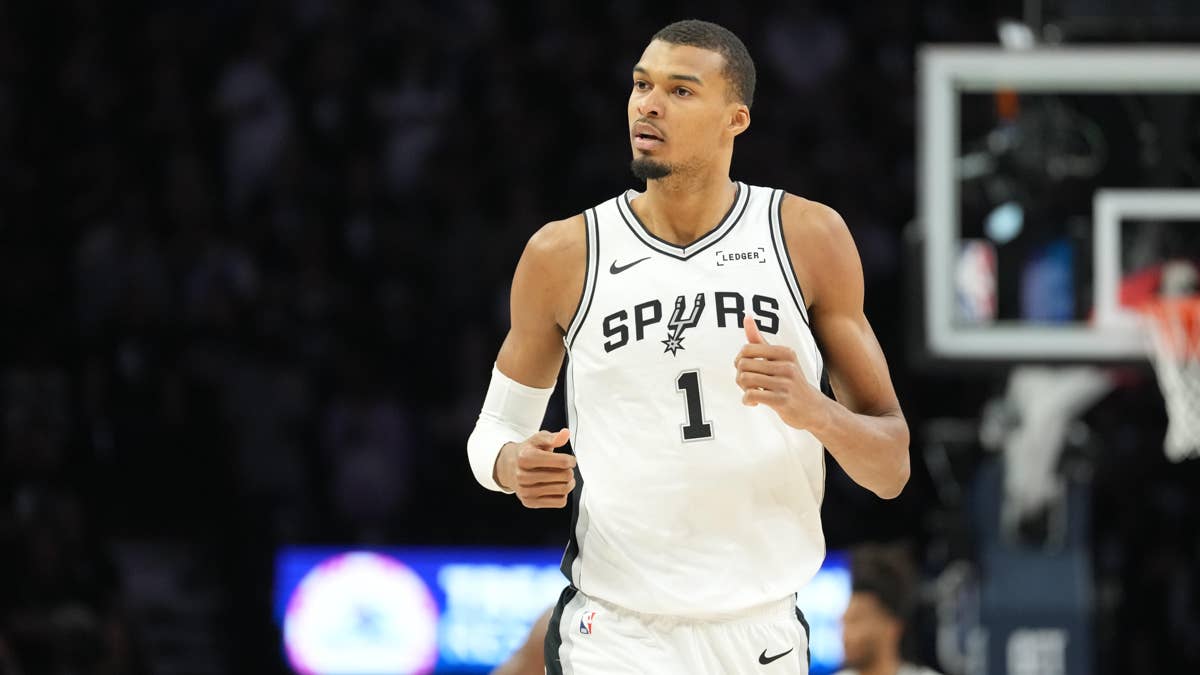
The loudest NBA offseason moves usually get the most attention. That’s how it works. A star changes teams, everyone argues about fit for three days, and fantasy managers start pushing him up draft boards before the ink is even dry.
But that’s not always where the real fantasy value lives.
Advertisement
The real edge may come from the quieter stuff. The trade that clears 28 minutes for a young guard. The free-agent departure that opens 12 more shots per game for a wing. The new coach who decides to run more pick-and-roll. The veteran big man who moves on and suddenly leaves a young center with starter-level opportunity.
That’s where new fantasy stars are created.
Not always because a player suddenly became dramatically better, either. Sometimes the league just gets out of his way.
Advertisement
That matters. Because fantasy basketball is not just about talent. It’s about role, minutes, usage and trust. Put the right player in the right situation and suddenly a guy who looked like a late-round flier becomes a weekly lineup staple.
So yes, the big names are relevant. But the smartest fantasy managers are watching the second move, the third move and the subtle roster domino that turns a hidden value play into one of the best picks in the draft.
Offseason Trades Creating New Fantasy Stars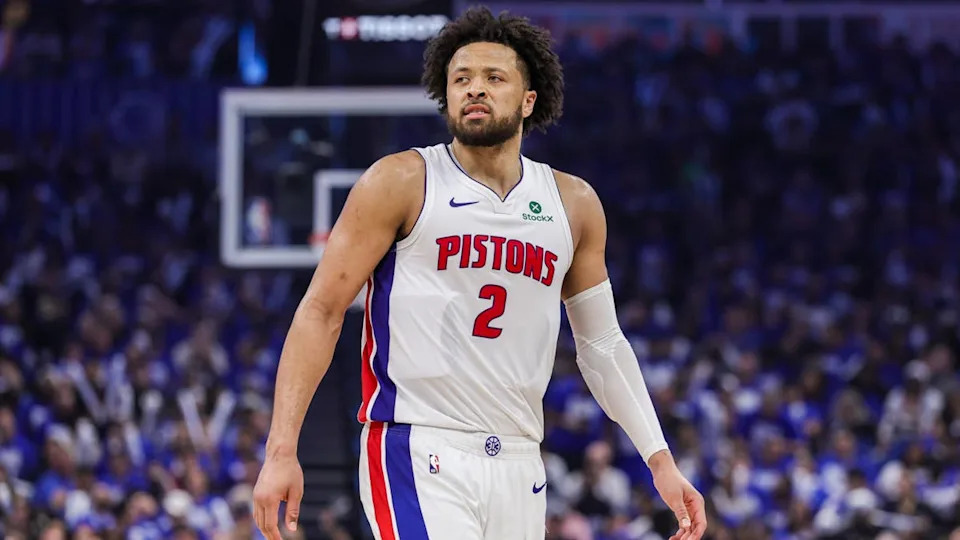
Cade Cunningham illustrates how expanded usage creates breakout fantasy value.Mike Watters-Imagn Images
Role Expansion and Usage Spikes
Trades create the cleanest fantasy breakouts because they often remove the biggest obstacle: traffic.
Advertisement
A young scorer buried behind veterans can only do so much in 22 minutes. A promising big stuck behind an established starter is mostly just a stash. A wing playing fourth option can look ordinary until two higher-usage players disappear.
Then, suddenly, there’s room.
That’s why offseason trades creating new fantasy stars are so important to monitor. The fantasy community often focuses on the player being traded. The better move is sometimes focusing on the player left behind.
Advertisement
If a rebuilding team moves a veteran scorer, there may be a young wing ready to jump from 13 points per game to 19. If a contender trades for defense and sacrifices shot creation, a secondary guard may become the new offensive release valve. If a center is moved to clear salary, the backup who averaged 11 rebounds per 36 minutes suddenly becomes very interesting.
This is where fantasy basketball trades creating stars 2026-27 becomes less about name value and more about math.
Who gets the usage? Who gets the minutes? Who gets the closing role?
Advertisement
A player jumping from 24 minutes to 32 minutes is not a small thing. A usage bump from 19 percent to 24 percent can change an entire fantasy profile. Add in even average efficiency and now you’re talking about a player who may go from waiver-wire fodder to must-start status.
Coaching Changes and System Fits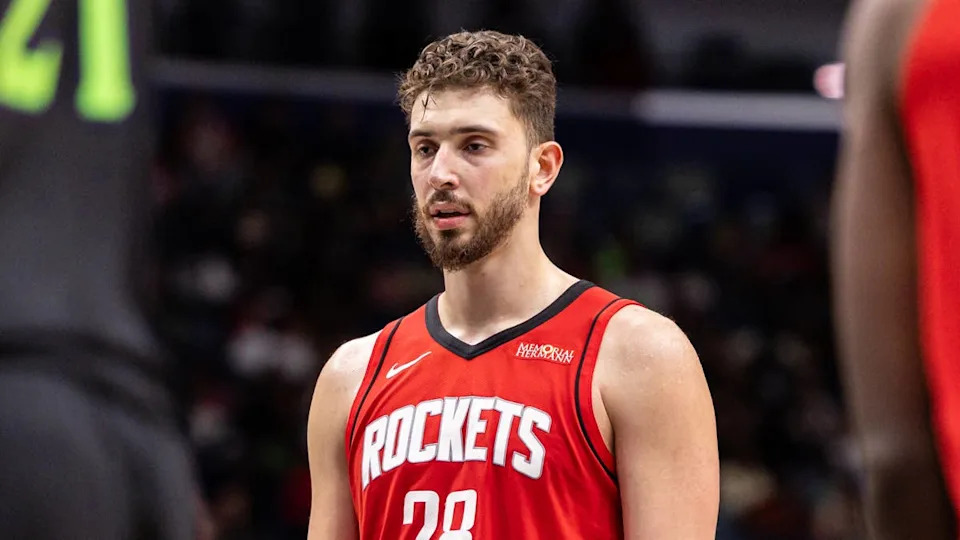
Alperen Şengün highlights how system changes elevate fantasy ceilings.© Stephen Lew-Imagn Images


New Schemes Unlocking Hidden Talent
Coaching changes can be even more important than trades, mostly because they are harder to price into drafts.
Advertisement
Everybody sees a player get traded. Not everybody sees a new coach deciding to play faster, space the floor differently or give a young ball-handler more freedom.
That’s where coaching changes can sneak up on people.
A coach who emphasizes pace can inflate fantasy value across an entire roster. A coach who runs offense through bigs can turn a passing center into a triple-double threat. A coach who trusts young players through mistakes can create fantasy basketball free agency breakout candidates before the public catches on.
Advertisement
Some players look limited in one offense and suddenly look like keepers in another. A slashing wing becomes more valuable when surrounded by shooters. A stretch big becomes more useful when the offense runs pick-and-pop. A defensive guard becomes playable in fantasy if the new scheme gives him transition chances and corner threes.
The player didn’t change. The job description did. And when the job description changes, fantasy value follows.
That’s especially true for young players on teams entering a new phase. A new coach may not feel attached to the old rotation. He may not care who started last year. He may want athleticism, spacing, pace or defensive versatility. That can create major winners and losers quickly.
Advertisement
Fantasy managers should watch preseason rotations closely, but they should also start reading the signs earlier. Listen to what coaches say in camp. Watch who gets first-unit reps. Notice who handles the ball when starters share the floor.
Draft and Roster Strategy for These New Stars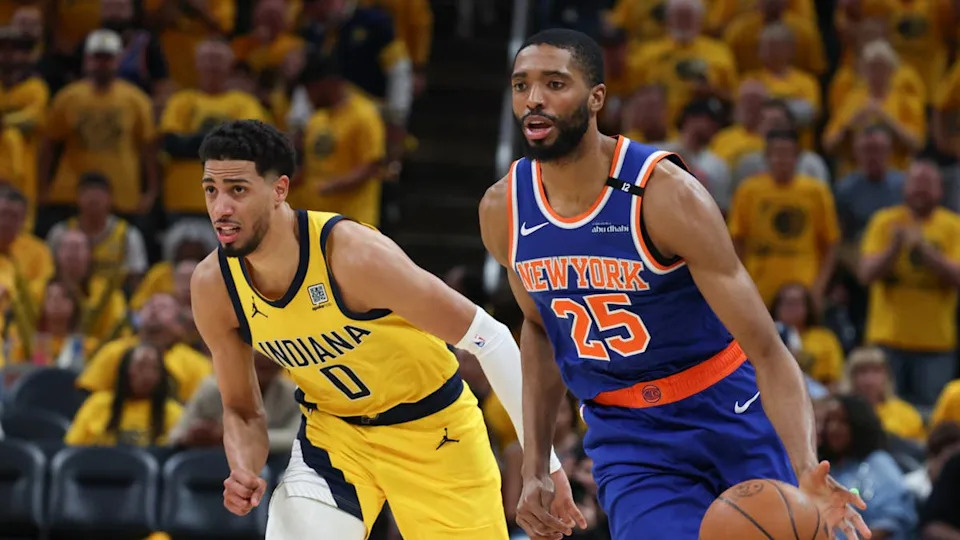
Tyrese Haliburton (left) demonstrates why opportunity and trust drive fantasy outcomes.Credit: Trevor Ruszkowski-Imagn Images
When and How to Invest
This is where managers need to be aggressive, but not reckless.
Not every offseason winner becomes a star. Some players get more opportunity and still do very little with it. Others get hyped all summer, then lose touches once the real games begin.
Advertisement
So the best approach is simple: chase role expansion, but make sure the skill set supports it.
In points leagues, target players who gain shots, minutes and ball-handling. Efficiency matters less there. Volume wins.
In category leagues, be more careful. A player getting 16 shots per game sounds great until he’s hurting field-goal percentage, free-throw percentage and turnovers. That doesn’t mean avoid him. It just means understand the cost.
In dynasty, this is where you can swing bigger. If a player is 22 years old, getting a new offensive role and already has a path to 30-plus minutes, buy before the breakout becomes obvious.
Advertisement
As far as draft range, these players often become best values in the middle rounds. The first three rounds are usually about bankable stars. The winning picks often come later, when managers identify 2026-27 fantasy basketball draft targets offseason trends before the room adjusts.
The key is timing.
Do not wait until preseason hype pushes the price too high. Do not wait until beat writers start calling a player the “standout of camp.” By then, the discount may be gone.
Advertisement
The 2026-27 NBA offseason will create new stars. Some will come from blockbuster moves. Others will come from roster reshuffling that barely makes headlines.
That’s where sharp fantasy managers can win.
Follow the minutes. Follow the usage. Follow the trust.
After all, in fantasy basketball, opportunity is not everything. But it’s awfully close.
Questions About New Fantasy Basketball Stars, Answered
Which 2026 NBA offseason moves are creating new fantasy basketball stars?
Under-the-radar trades, roster shifts, free-agency movement and coaching changes are creating expanded roles, usage increases and new fantasy opportunities.
Advertisement
Which players are poised to benefit most from these offseason moves?
Players who gain minutes, shot volume, ball-handling responsibility, closing roles or cleaner paths to playing time stand to benefit the most.
When should I target these new stars in my 2026-27 draft?
These profiles often become strong values in the middle rounds before preseason hype raises their cost.
Are there risks with chasing players created by offseason moves?
Yes. More opportunity does not always translate into production, so role growth should still match the player’s underlying skill set.
Advertisement
How do these moves affect different fantasy formats?
Points leagues reward volume and opportunity more heavily, while category leagues require balancing production against efficiency and turnovers. Dynasty formats allow for more aggressive long-term bets.
What signals should managers watch for during training camp?
Watch preseason rotations, coaching comments, first-unit reps and which players handle the ball alongside starters.
This story was originally published by Athlon Sports on May 21, 2026, where it first appeared in the Fantasy section. Add Athlon Sports as a Preferred Source by clicking here.