

The project is based on pyrolysis, an established thermal decomposition process, but Brown says his approach differs through the use of microwave heating. The visibility generated by social media quickly transformed the experiment into a broader discussion about technological innovation, waste recovery, and the limits between demonstration and industrial application.
Brown’s work did not begin as a startup project. Development started during his teenage years through self-directed experimentation carried out in a home laboratory environment.
What began as a technical curiosity gradually evolved into a working prototype. Alongside public enthusiasm, the initiative also prompted questions regarding performance, safety conditions, emissions, and the need for independent validation.
Early Experiments Focused on Proving Plastic Could Be Transformed Without Combustion
Brown’s first objective was not industrial production or large fuel volumes. According to Clarín, the initial phase concentrated on determining whether plastic materials could be decomposed under controlled conditions and whether the resulting vapors could be condensed into usable liquids.
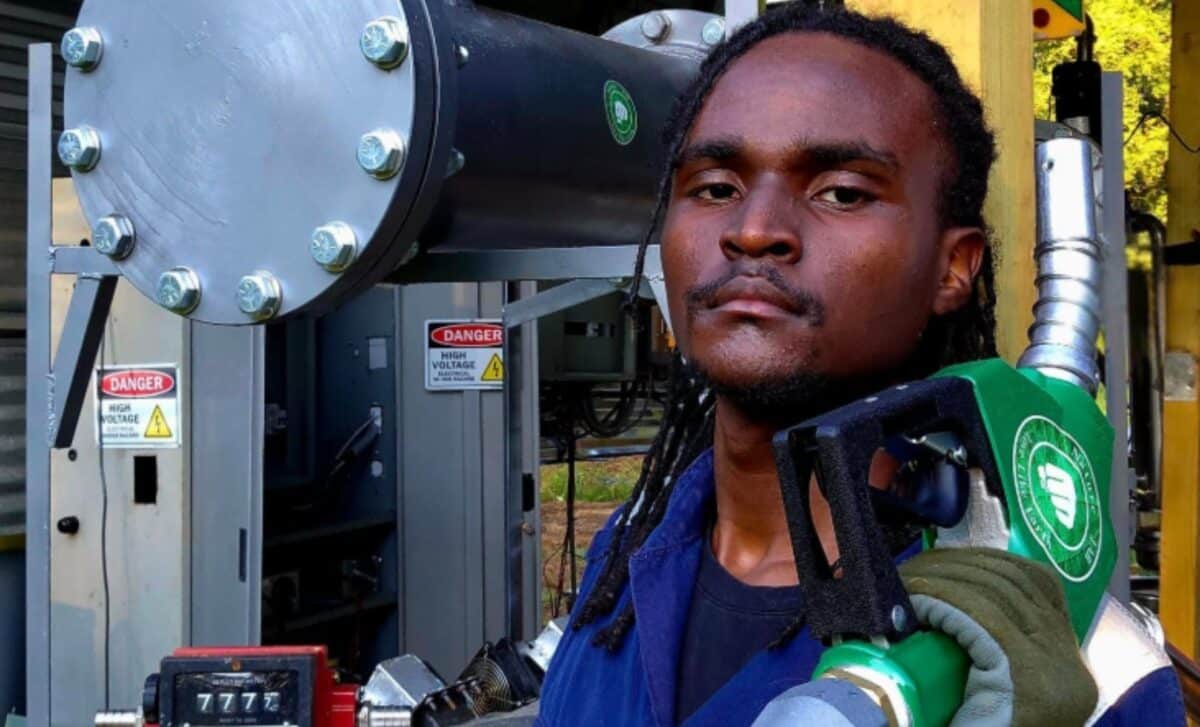 Julian Brown, the self-taught scientist – © naturejab_ / Instagram
Those early tests involved selecting different plastic types, reducing them into smaller pieces, monitoring temperatures, and preventing direct burning of the material. Avoiding combustion was presented as a central requirement because burning compromises the process and increases operational risks.
The prototype evolved progressively. Brown introduced modifications to sealing systems, redesigned piping, adjusted heating chambers, and corrected failures encountered during testing. Each change aimed to improve control over the internal environment rather than increase output.
The System Is Built Around Pyrolysis with Microwave-Based Heating
The technical principle behind the device is pyrolysis, a process in which organic materials are heated with little or no oxygen present.
Instead of burning, the plastic polymers break into shorter molecular chains, generating gases and vapors that can later be condensed into liquids. Brown identifies the heating method as the element that distinguishes his system from more conventional approaches.
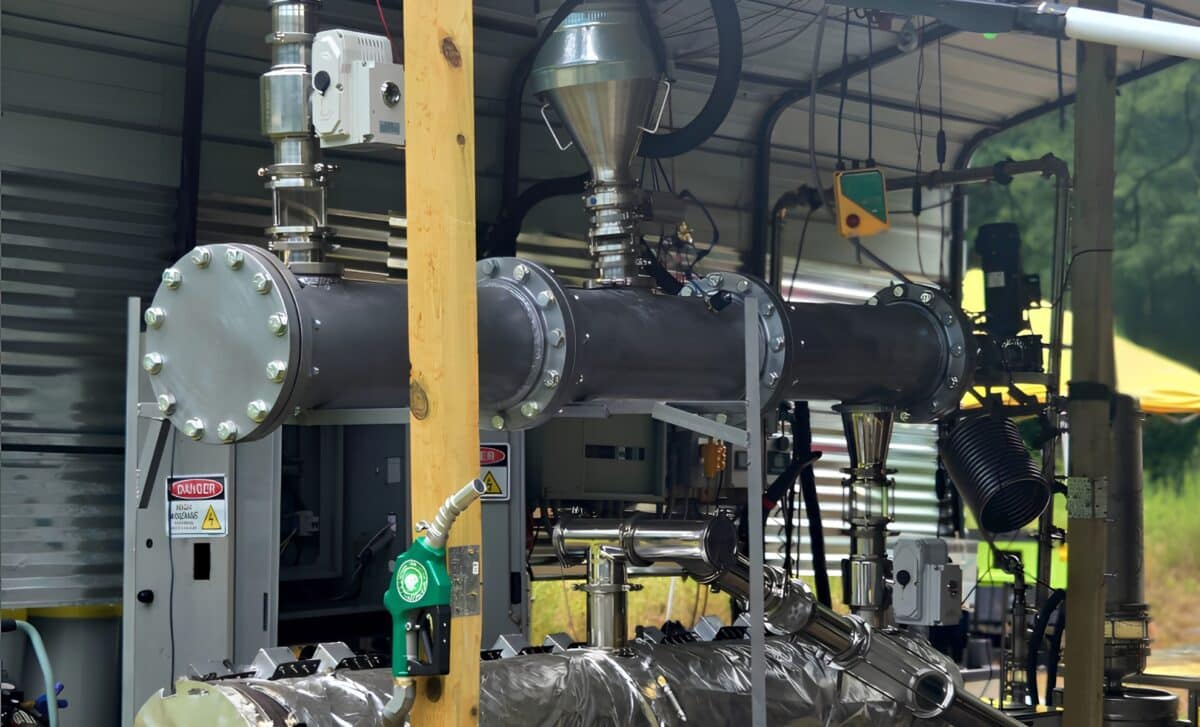 Turning Plastic into Fuel – © naturejab_ / Instagram
In his explanation, energy is introduced through microwaves with the intention of improving thermal efficiency.
The process requires a sealed chamber where the plastic is heated before vapors are directed toward a cooling system. There, condensation produces liquid outputs. Operational control remains a critical factor because unstable temperatures or oxygen entering the chamber may trigger combustion, toxic smoke, or explosions.
Viral Success Accelerated Funding Efforts and Intensified Technical Scrutiny
The project gained momentum after Brown began publishing demonstrations and updates on social media. The visual sequence, plastic waste converted into fuel, helped drive visibility and resonated with broader public concerns surrounding waste and environmental solutions. This exposure also generated more technical examination of the claims being presented.
One of the questions raised concerns fuel quality. Liquids obtained through pyrolysis are not automatically suitable for engine use without additional refining.
Brown later organized the initiative under a startup called NatureJab and sought financial support to continue development. The next phase identified in the report includes independent validation, repeatable testing, quality controls, and safety procedures equivalent to those required in pilot-scale facilities.
Transforming a prototype into a deployable technology involves process engineering, certification processes, waste management measures, and environmental assessment. The discussion surrounding the project remains tied to whether experimental results can move from public demonstrations toward verified and controlled implementation.