
COLORADO SPRINGS, Colo. (KKTV) – A common women’s health condition affecting about one in eight women has a new name.
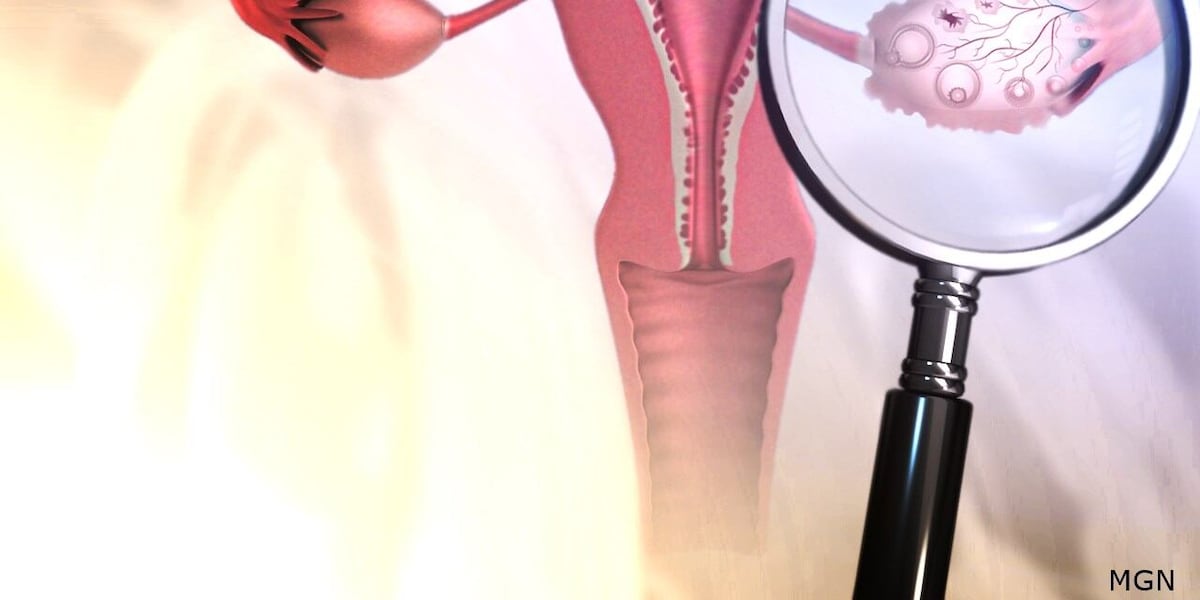
Polycystic ovary syndrome, commonly known as PCOS, is now called polyendocrine metabolic ovarian syndrome, or PMOS. Researchers and medical professionals say the change better reflects the condition’s effects throughout the body and not just the reproductive system.
“The number one reason we changed the name is the patients wanted us to,” said Dr. Melanie Cree, a professor of pediatric endocrinology at the University of Colorado Anschutz Medical Campus who helped lead the international effort to rename the condition.
The name change comes after years of feedback from patients and health care providers who felt the old name did not fully describe the condition. According to experts, PMOS can affect hormones, metabolism and reproductive health. Symptoms may include irregular periods, acne, hair loss, unwanted hair growth, insulin resistance and weight gain.
Dr. Bhavsar, a local OB-GYN, said the previous name focused too heavily on the ovaries and did not capture the condition’s broader health effects.
“The term PCOS doesn’t fully capture the total body effects of the condition,” Bhavsar said.
Experts say one common misconception is that women with the condition have ovarian cysts. Cree said that is not always the case.
“There are no cysts in the ovaries with this condition,” Cree said. “The previous name was completely wrong by saying there were cysts in the ovaries.”
For Giselle Goulbourne, who has lived with the condition for more than 26 years, getting answers was a long process. She was diagnosed as a teenager and said much of the focus at the time was on fertility and weight rather than the condition’s full impact.
“I think it overshadowed all the other things that contribute to PCOS,” Goulbourne said. “The metabolic issues that you have, the fertility part of it, the mood changes.”
Goulbourne said she supports the new name because it better reflects what many women experience.
Researchers hope the change will help women recognize symptoms earlier and seek medical care sooner. Cree said women who experience irregular menstrual cycles, severe acne, hair loss or unusual hair growth should talk with a health care provider.
“If your periods aren’t normal, you need to talk to your doctor,” Cree said.
The next several years will focus on educating patients and providers about the new PMOS name. Researchers also hope the change leads to more research funding, increased awareness and improved treatment options for the millions of women living with the condition.
Copyright 2026 KKTV. All rights reserved.