
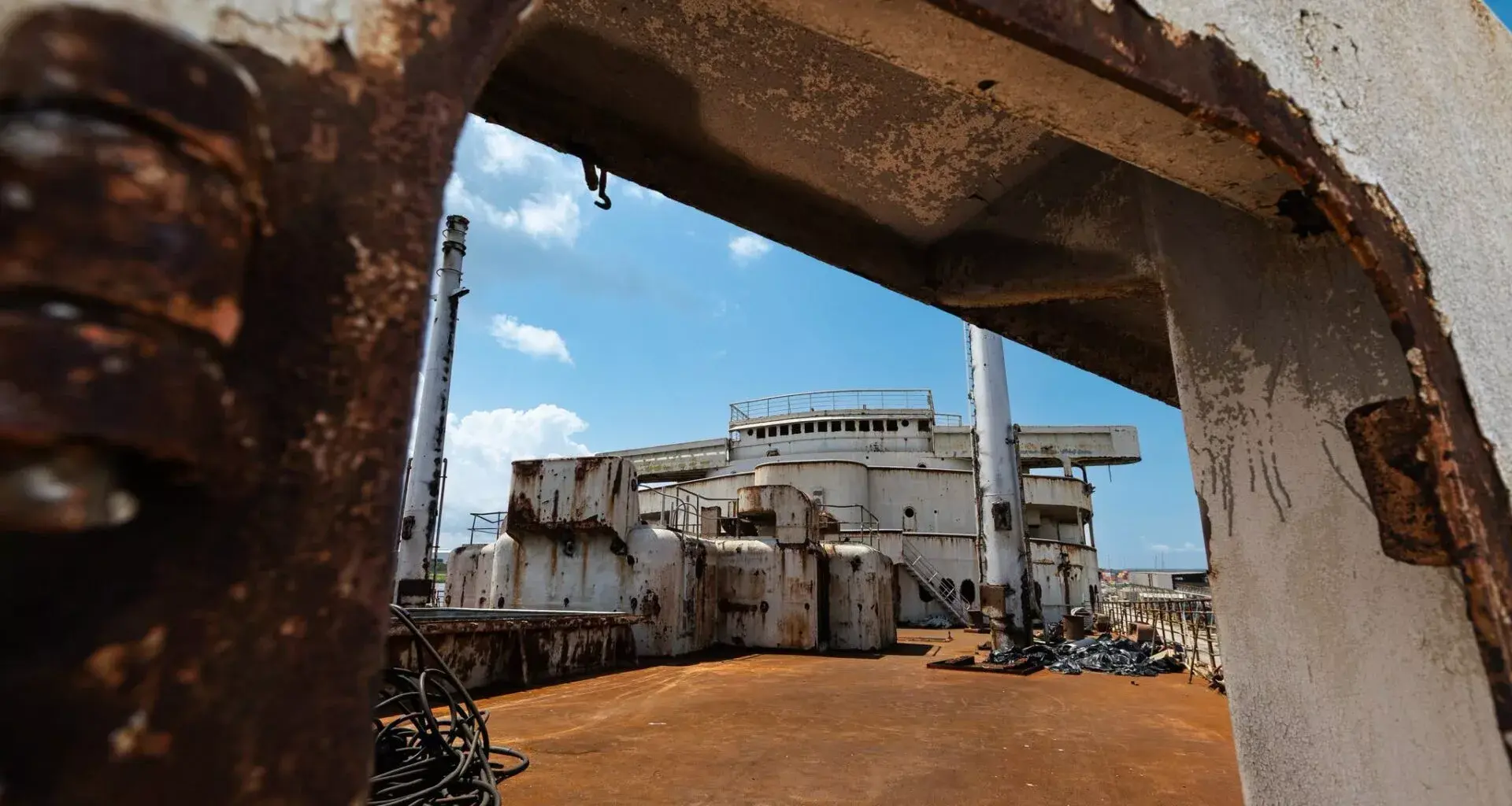
The environmental remediation of the historic SS United States has officially been completed, bringing the legendary vessel one step closer to becoming the ‘World’s Largest Artificial Reef’.
The final deployment date has not yet been announced as Okaloosa County awaits final approvals from the US Army Corps of Engineers and the Environmental Protection Agency (EPA).
The Okaloosa County Board of County Commissioners approved the purchase of the SS United States with plans to transform the iconic vessel into an artificial reef in October 2024. It arrived in Mobile, Alabama, in March 2025, where environmental remediation work began, and it has now been signed off this May.
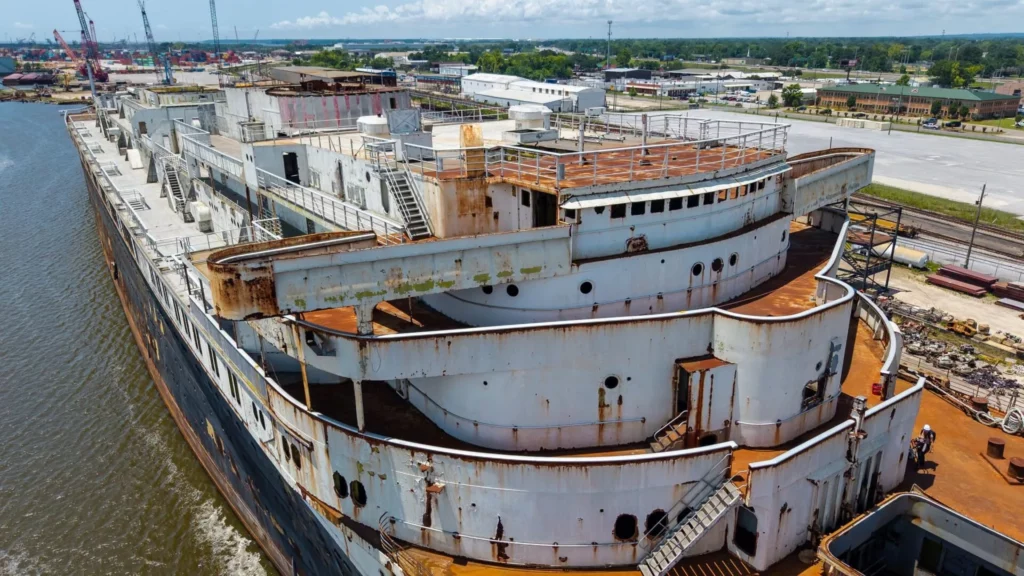 SS United States will be the world’s largest artificial reef
The project now moves into the final approval phase before deployment as the world’s largest artificial reef.
Since the 1970s, Okaloosa County has deployed 48 large vessels into the Gulf as artificial reefs. Recent additions include M/V Brannon, M/V Miss Joann, M/V Courageous, R/V Manta, and the USAF Big Dawg.
Today, the county maintains nearly 600 artificial reefs throughout the Gulf, creating thriving marine habitats and world-class diving and fishing opportunities.
The SS United States project is expected to create a major economic impact across the Gulf Coast tourism industry. Divers, anglers, historians, and travellers from around the world are anticipated to visit Destin–Fort Walton Beach to experience this historic ship firsthand.
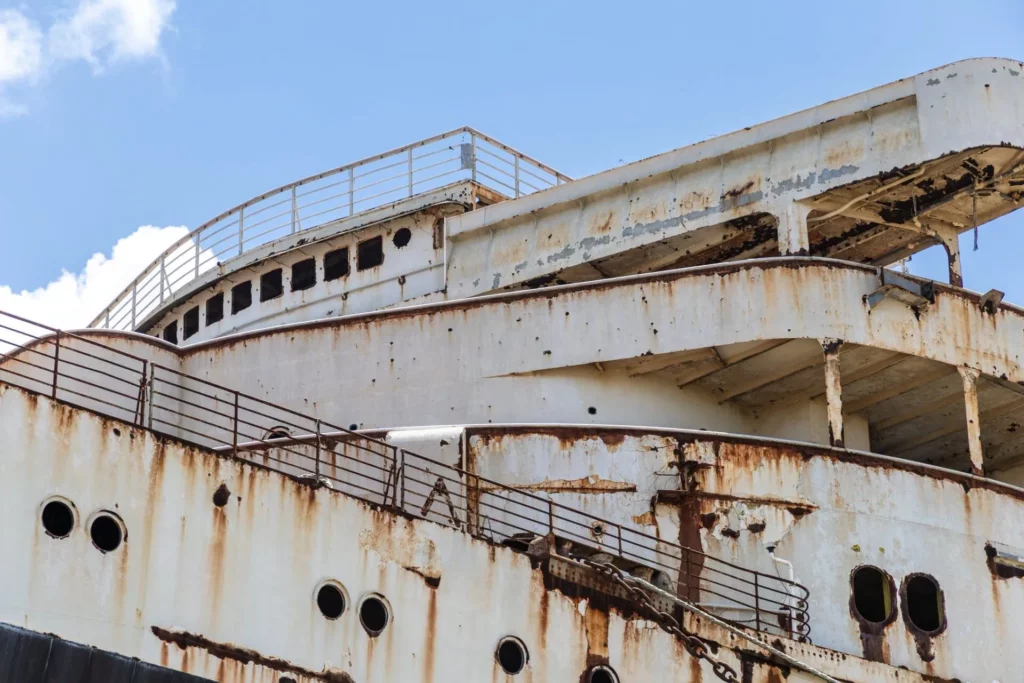 SS United States will be a veritable playground for wreck lovers
In addition to diving opportunities, visitors will also be able to explore a museum dedicated to preserving the ship’s remarkable history and legacy.
Artificial reefs play a critical role in supporting marine ecosystems by creating habitats where none previously existed. Once deployed, the SS United States is expected to attract and support a wide variety of marine life.
These thriving habitats contribute to healthier oceans while also supporting sustainable fishing and marine tourism industries.
Photo credit: Adventure Locators