
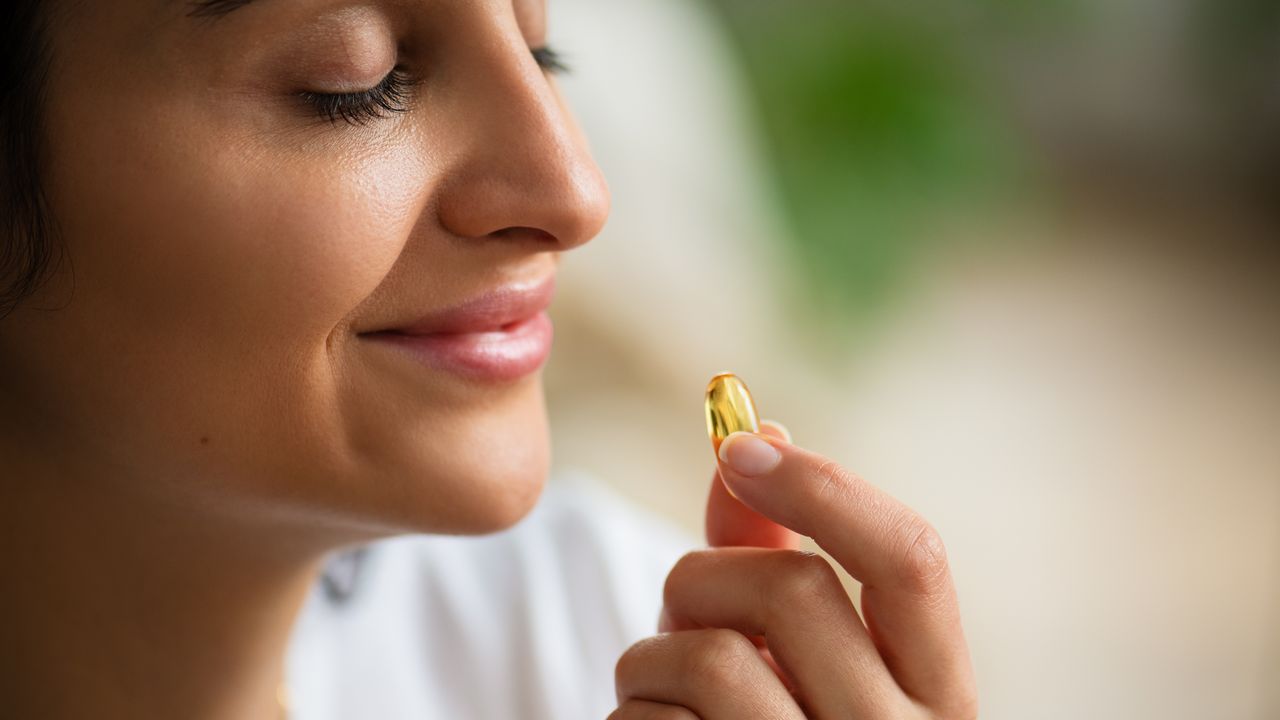
Somewhere along the way, Ozempic became far bigger than medicine. Celebrities discuss it with the casual candour usually reserved for diet trends, the internet has reframed the weight loss drug as the ultimate rebrand tool, and conversations around weight loss have become increasingly polarised in the process. But the moment anything reaches that level of cultural dominance, the wellness industry starts hunting for an alternative. Lately, that search has landed on berberine.
The supplement has inherited the internet’s favourite kind of nickname: ‘nature’s Ozempic’. Across TikTok, supplement boutiques and health podcasts, the conversation now centres on transformation.
The ingredient that suddenly became mainstream
Strip away the algorithmic hype, and the compound itself is hardly new. It is a bioactive alkaloid found naturally in plants such as goldenseal, barberry and Oregon grape. Long before it became mainstream, berberine–containing plants were already being used in Traditional Chinese Medicine and Ayurvedic practices.
What changed was the way it was marketed. Suddenly, berberine was being marketed through the lens of modern weight–loss culture, where anything promising metabolic control quickly becomes irresistible online.
“It is one of those supplements that quietly sat on the fringes for years and suddenly got invited to the cool kids’ table,” says Sahar Berjis, RD and founder of Inner Health and Wellness. “It has traditionally been used for gut support and overall wellness. The recent obsession comes from its association with blood sugar, metabolism and, inevitably, weight loss.”
Why the internet fell for it
“Berberine is a plant–derived compound that affects several metabolic pathways, particularly insulin sensitivity, glucose uptake and AMPK activation,” explains Tanya Malik Chawla, functional medicine practitioner and nutrigenomics researcher.
“Ozempic works through strong GLP–1 receptor activation, where much of semaglutide’s weight–loss effect comes from significantly reducing appetite and increasing feelings of fullness,” Chawla says. “Berberine does not create the same degree of appetite suppression, nor does it produce the scale of weight loss typically associated with GLP–1 agonists.”
The risks hidden behind the hype
Because ‘natural’ does not automatically mean harmless.
According to Berjis, the most commonly reported side effects linked to berberine are digestive: bloating, diarrhoea and stomach discomfort. Experts also warn that the supplement can interact with certain medications, something social media recommendations rarely mention between before–and–after photos.
There is also the issue of expectation. Online lifestyle culture has a habit of turning metabolic health into the same Instagram aesthetic: tiny matcha bowls, Pilates socks, green powders arranged with precision beside a reformer machine.
“I would encourage extra caution and professional guidance for people who are pregnant, breastfeeding, managing liver conditions or taking multiple medications,” Berjis says. “I’m also cautious with clients who are unintentionally under–eating because sometimes the goal isn’t eating less. It’s nourishing better.”
So, should you actually take it?
“I’m very much ‘food first, supplements second’. If someone is sleeping four hours, living on coffee, skipping meals and stress–eating crackers over the sink at 9 pm, berberine probably isn’t the first place I’m starting,” says Berjis. Instead, she prioritises the fundamentals that tend to get overlooked in the search for quick fixes: nutrition, sleep, movement and stress management.