

–
Senior Staff Writer
·
June 5, 2026
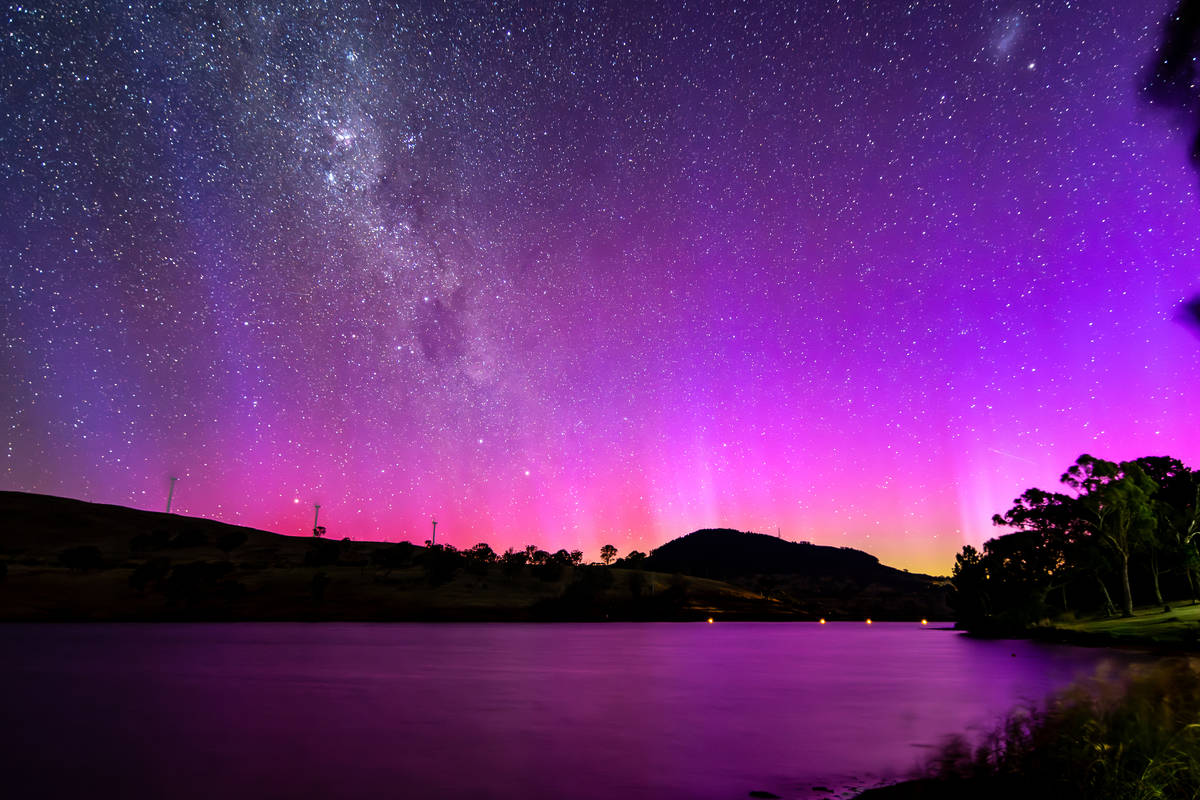
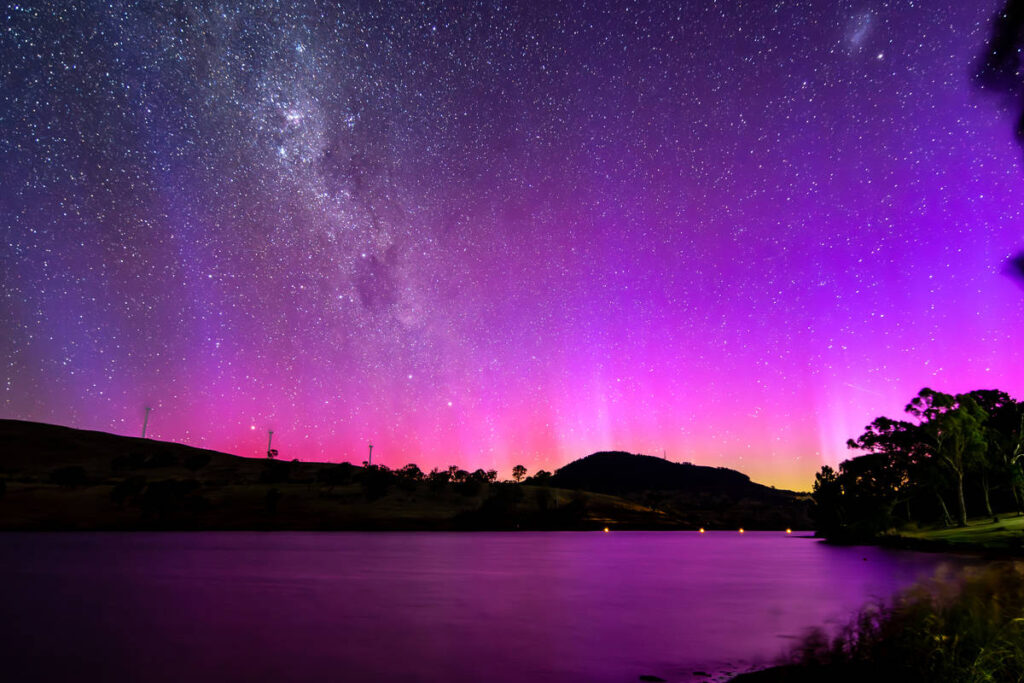
It has already been a busy few weeks for skywatchers, with incredible meteor showers lighting up the night sky and a rare Blue Micromoon appearing just last week. Now another celestial spectacle could be on the horizon, with an official Aurora Watch issued as multiple solar eruptions head towards Earth. The Australian Space Weather Forecasting Centre says several coronal mass ejections are expected to arrive within the next 24 to 48 hours, potentially triggering significant geomagnetic activity and increasing the chances of visible auroras across parts of southern Australia. While Tasmania and southern Victoria are expected to have the best viewing opportunities, some aurora forecasters suggest the Southern Lights could potentially be visible from parts of NSW if conditions align. Here’s everything you need to know.
When could the Aurora Australis be visible?
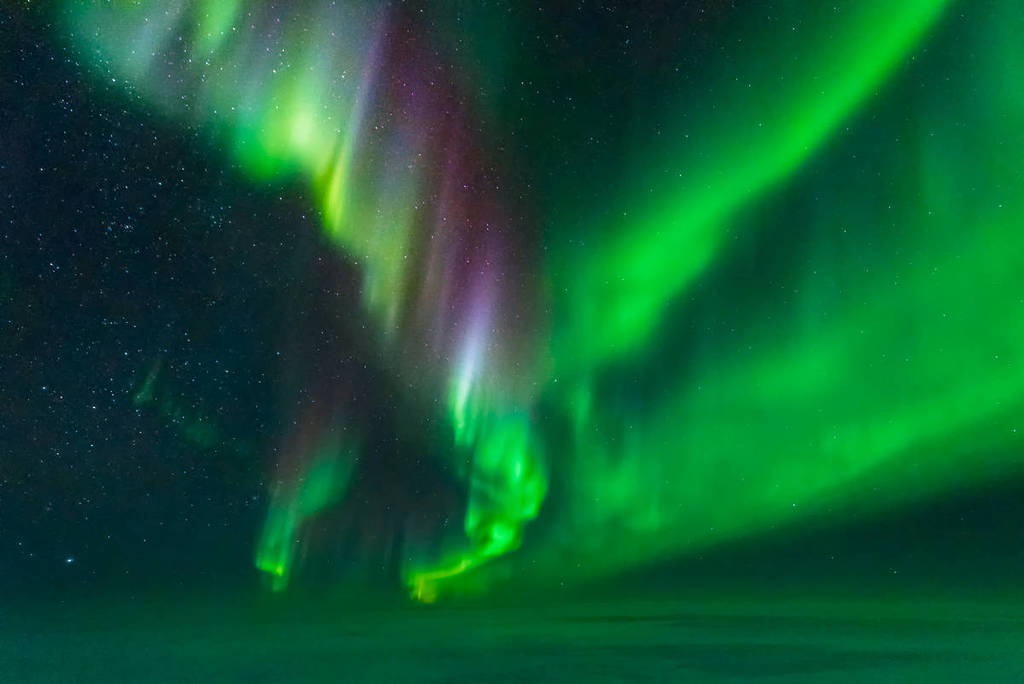 Photography by James Stone/ Getty Images
Current forecasts suggest the incoming solar activity could begin reaching Earth from Friday, June 5, with the strongest geomagnetic impacts potentially occurring over the following 24 to 48 hours. That means Friday night and Saturday night are shaping up as the most likely viewing windows, although the exact timing will depend on when the solar eruptions arrive and how strongly they interact with Earth’s magnetic field.
The Australian Space Weather Forecasting Centre has indicated that additional aurora alerts could be issued if geomagnetic activity reaches the required levels once the solar activity arrives. As with all aurora forecasts, it is worth noting conditions can change quickly, meaning visibility may not become clear until just hours before any display occurs.
Could the Aurora Australis be visible in NSW?
Some aurora forecasters believe the incoming geomagnetic activity could be strong enough to push the Southern Lights further north than usual, opening up the possibility of sightings from parts of NSW. While the official BoM watch specifically highlights Tasmania and southern Victoria, a strong G3-level solar storm can push the auroral oval far enough north to be captured from southern NSW.
Visibility will depend on a range of factors including cloud cover, light pollution and the eventual strength of the geomagnetic storm. Even during strong aurora events, colours can appear faint to the naked eye, with cameras often picking up far more detail than is visible in person.
Best places to see the Southern Lights in NSW
For those hoping to catch a glimpse of the aurora, the best chances are likely to be along the South Coast and Sapphire Coast, where dark skies and unobstructed views of the southern horizon offer favourable viewing conditions. Locations around Eden, Green Cape Lighthouse, Jervis Bay, Tathra and Broulee are often considered among the more reliable spots for aurora watching in NSW.
Dark-sky destinations further inland, including the Warrumbungle region, can also provide excellent viewing conditions if skies remain clear and the storm reaches peak intensity. For those staying in Sydney, the Royal National Park and the Southern Hemisphere’s first-ever urban night sky place offer minimal artificial light and clear night sky views.
How to improve your chances of seeing it
If you’re planning to head out, try to find a dark location away from artificial light with a clear view of the southern horizon. While the aurora can sometimes be visible to the naked eye, smartphone cameras often pick up far more colour and detail, particularly when using night mode or long-exposure settings. For the latest forecasts, keep an eye on updates and weather conditions from the Australian Space Weather Forecasting Centre and Bureau of Meteorology, and follow communities like Aurora Australis and Southern Aurora Hunters for real-time reports as conditions develop.