
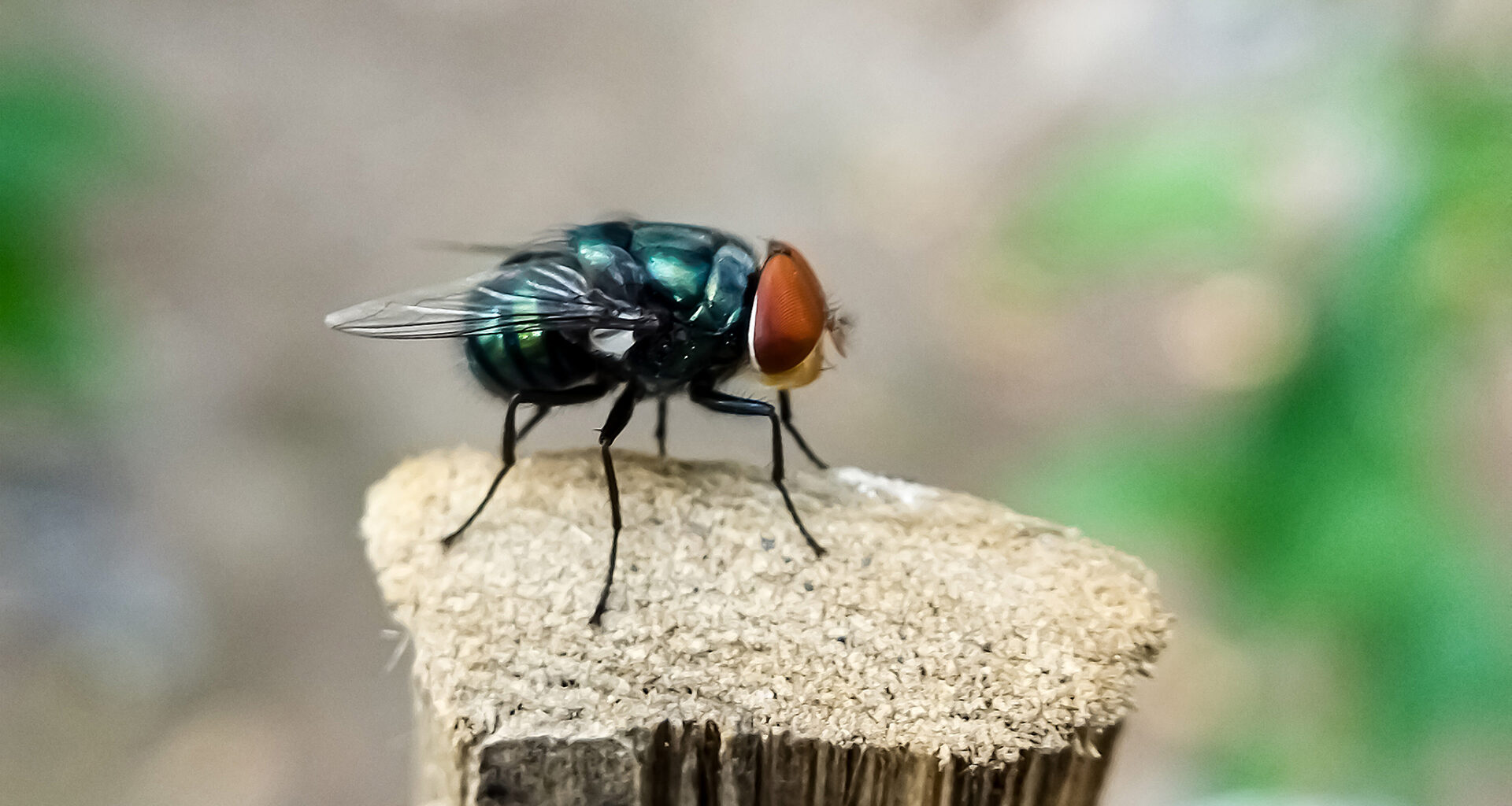
A flesh-eating parasite that burrows into cattle and other livestock has some California ranchers concerned about a possible outbreak in the state after multiple cases were confirmed in Texas and New Mexico.
The U.S. Department of Agriculture announced on Monday that five cases of New World screwworm, or NWS, have been detected in Texas and New Mexico within the span of a week. Three calves and a goat in Texas were confirmed to have NWS, while the first case in a dog was detected in Lea County in New Mexico, the USDA said. The latter is believed to be an isolated case, but the USDA said it is investigating other animals while also reviewing the dog’s movement history, as the dog may have been in Mexico.
No cases have been reported in California so far; however, ranchers are now worried about possible NWS impacts on their livestock, according to Todd Snider, the president of the Kern County Farm Bureau. He said the USDA’s increased surveillance in California should help combat the parasite.
“California’s livestock industry has been vocal about the need for monitoring and prevention efforts along our border, and we are encouraged that additional attention has been given to California over the past year,” Snider said in a statement to SFGATE.
Officials at the California Farm Bureau are warning ranchers to keep an eye out for non-healing wounds or maggots on their animals, according to the Bakersfield Californian. Jack Lavers, a Glennville rancher, told the paper that he plans to “be a little more diligent” when treating wounds on his animals and plans to incorporate garlic into his feed to stave off flies.
“While we address these instances that require immediate attention, and continue to sample suspected cases, we are simultaneously working to eradicate the pest entirely,” Dudley Hoskins, under secretary for marketing and regulatory programs, said in a news release. “We need the partnership of animal owners across the region – please stay vigilant, check your animals closely, and report anything that looks suspicious.”
NWS flies are slightly larger than regular houseflies and lay eggs inside animal wounds or body openings like noses, ears and genitalia before larvae hatch 12 to 24 hours later, according to UC Davis Veterinary Medicine. Sharp mouth hooks allow larvae to burrow deep inside the flesh and can cause painful wounds that, if left untreated, can be fatal. In rare cases, NWS can affect dogs and humans, the USDA said.
Last Wednesday, the USDA announced the first case of NWS that was detected in an umbilical area of a 3-week-old calf in southwest Texas. According to the USDA, the organization and Texas officials took immediate steps to curb an infestation, which included a plan to release 4 million sterile flies per week to contain NWS in the area.
The USDA is currently releasing sterile flies over New Mexico and Texas to combat the parasite’s spread, although the country could have problems sourcing more sterile flies. Panama is the only country in North America producing sterile NWS flies, according to the USDA. The organization announced in April that it invested $21 million to convert a former fruit fly facility in Metapa, Mexico, into another NWS sterile fly facility that it expects will produce an additional 60 million to 100 million sterile NWS flies sometime this summer.
In a news release last Wednesday, Hoskins confirmed that NWS was detected in the country last year and that the USDA began investing in tools to eradicate NWS when cases began in Mexico and Central America, which was around 2023, according to the Centers for Disease Control.
NWS was eradicated in the U.S. around the 1960s with the use of sterile flies, but the parasite has slowly crept back in recent years, according to the Bakersfield Californian. The CDC reports that NWS was last detected in Texas in 2023, prior to the current detection. The recent detection also comes after the Trump administration cut $250 million in funding in projects under the Global Health Security Program, which included a project to help monitor and contain NWS, according to Agri-Pulse.