
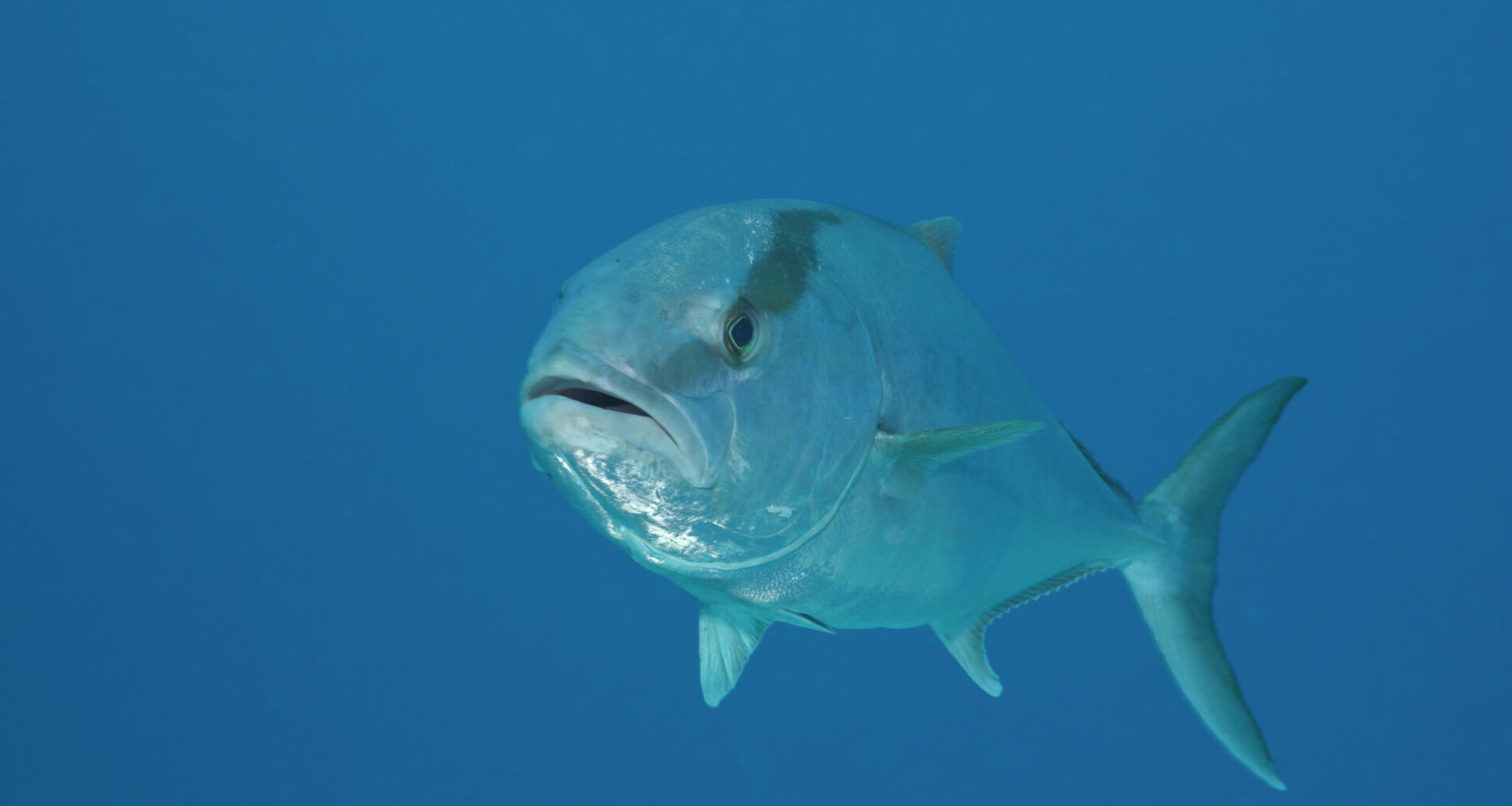
Using dart and acoustic tags and population genomics to evaluate amberjack stock in the South Atlantic and eastern and western Gulf, researchers determined the three populations are best managed separately after detecting little or no movement between the three groups.
In the South Atlantic waters between North Carolina and southeast Florida, the fish traveled the most in September and October, with a smaller jump in movement in March. The study found that the average distance of 235 miles traveled was “an order of magnitude more than distances observed in the Gulf,” and that amberjack spent more time hanging around artificial reefs here than in the Gulf.
The amberjack population in the Eastern Gulf, from Mississippi to southwest Florida, was the most stationary: the study found that most of the fish remained close to where they had been tagged, and showed greater residency around natural reefs. Good news for anglers: researchers also found that the fish preferred shallower waters during daytime hours, moving to greater depths at night and in the early morning.
Closer to Louisiana and Texas, however, the fish’s movements mirrored the South Atlantic, peaking in the spring and fall but traveling only an average of 15 miles. Amberjack in this area also preferred artificial reefs, and reversed their eastern Gulf cohort’s pattern by heading to deeper waters during the day and closer to the surface at night.