
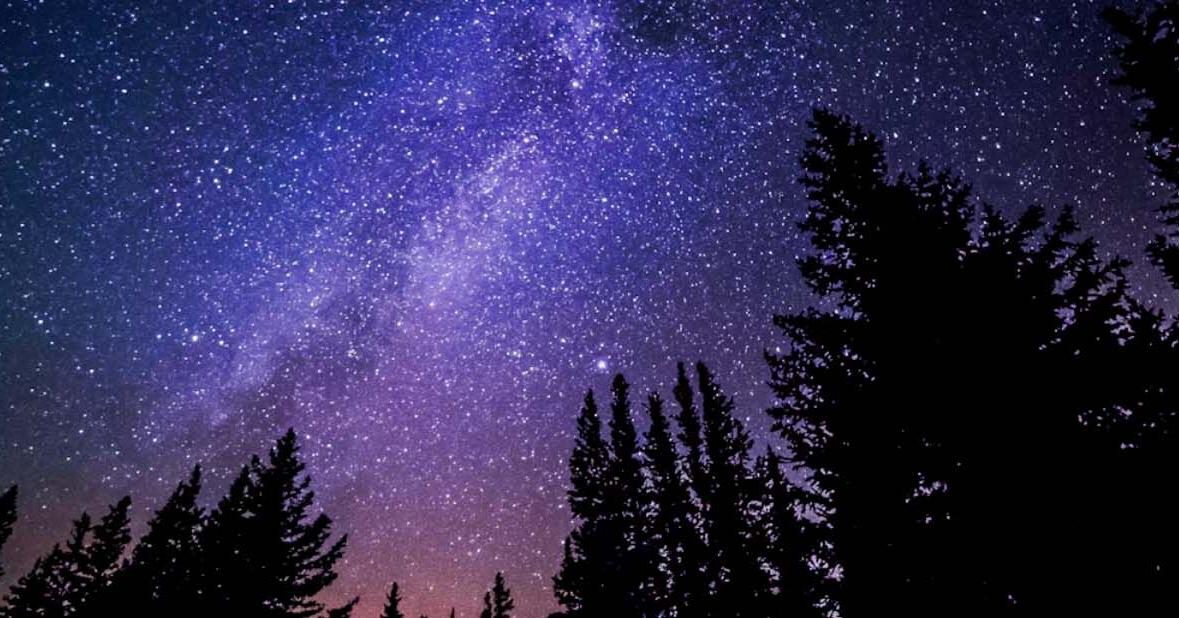
SALT LAKE CITY – If you’re the type of person who prefers to look up rather than around at night, then Utah is the right place for you.
A recent nationwide study credits the Beehive State with having three of the ten best towns for stargazing in the United States, according to Carl Borg, an outdoor expert and founder of the international Outforia website.
That research ranked Torrey, Utah – near Capitol Reed National Park – as the Number One town in America for stargazing based not only on its deeply dark skies, but also on its visitor amenities including friendly places to stay, eat and plan a celestial viewing foray.
“Utah stood out as the strongest state in the ranking,” Borg explained, “with Torrey taking the top spot thanks to its high sky darkness and access to the nearby Capitol Reef National Park.
“Kanab ranked eighth, helped by its proximity to parks and monuments in southern Utah, while Moab placed ninth with access to Arches and Canyonlands national parks”.
The researchers at Outforia ranked the top 10 town for stargazing based on a scale that judged the darkness of the night sky, the average cloud cover, elevation, accessibility and nearby night-sky destinations (e.g. national parks).
In addition to the aforementioned Utah sites, the top 10 list included Flagstaff, AZ; Borrego Springs, CA; Westcliffe, CO; Ketchum, ID; Ely, NV; and two towns in Texas, Marathon and Dripping Springs.
Officials acknowledge that there is no way to estimate the number of annual visitors to Utah’s national parks who are drawn to those locations for stargazing as opposed to hiking, sightseeing and other attractions.
But total annual visitors to Capitol Reef are expected to reach 1.2 million by the end of 2026, while visitors to Arches are expected to top 1.5 million with another 400,000 visitors are expected at Canyonlands.
“Utah works so well for stargazing because it gives travelers the best of both worlds — access to genuinely dark skies, without forcing them to base their whole trip somewhere remote or impractical,” Borg remarked after reviewing the result of the Outforia study.
“Torrey is a good example. You’re close to the darker skies around Capitol Reef, but you still have a proper town to return to, which makes it easier to check conditions, plan your night and avoid some of the risks that come with heading out unprepared.
“Kanab and Moab are similar. They show why Utah has become such a strong destination for night-sky travel,” he explains. “Visitors can build a whole trip around stargazing, rather than treating it as something they squeeze in at the end of the day.”
Where stargazing trips often go wrong, Borg explains, is when people are focused on finding the darkest possible spot without inquiring about cloud cover, the phase of the moon, local lighting and how far they’ll need to drive after dark.
“For beginners, I’d always suggest starting from a town near a recognized dark-sky area, rather than trying to improvise somewhere remote,” he adds. “You can still get a much better view of the night sky, but with far less risk of getting lost, arriving unprepared or ending up somewhere unsafe after dark.”
For more information about the complete study, stargazer can go online to https://outforia.com/stargazing-forecast
Based in Norway, Outforia exists to turn curiosity about the natural world into confident, well-cited knowledge and to point its readers into the outdoors. Founded in 2019, the online publication has more than 500,000 monthly readers.