
The WNBA’s rapid rise continues to reshape the league in significant ways, and one of the biggest changes on the horizon is an expanded regular-season schedule.
Beginning in 2027, teams will play 50 regular-season games instead of 44, creating additional revenue opportunities but also increasing the physical demands on players.
Sophie Cunningham Discusses Team Travel Logistics and Calls for Improvements
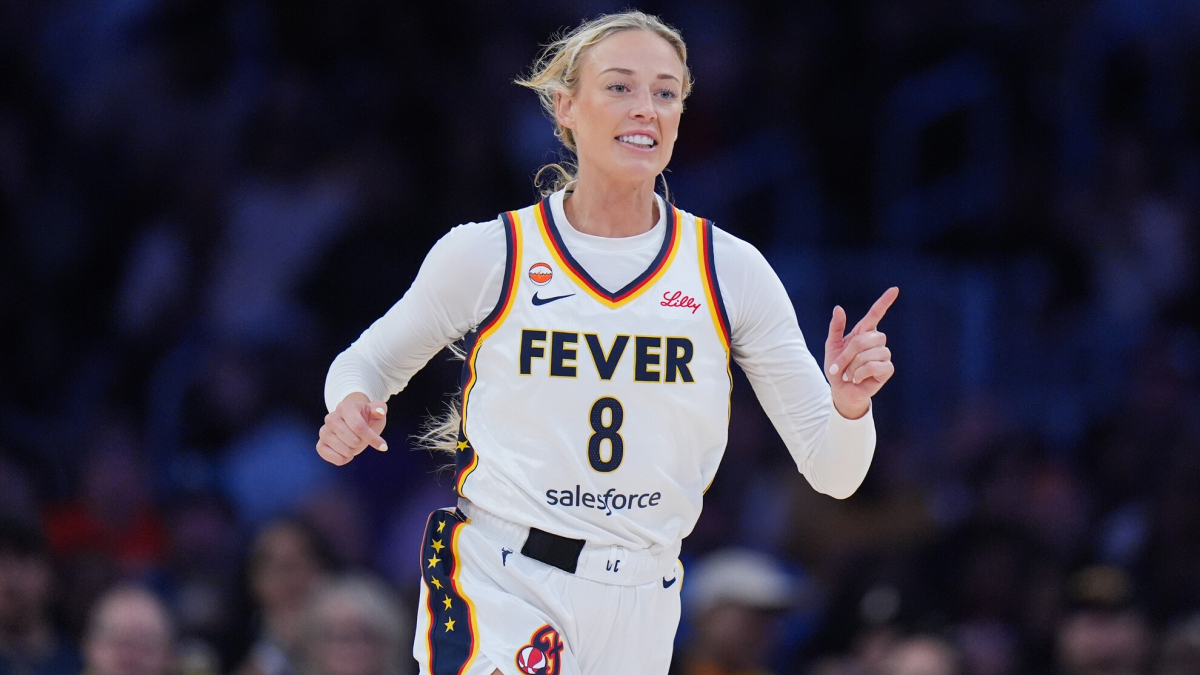
Indiana Fever guard Sophie Cunningham understands both sides of the equation. While she admits the added workload could take a toll on athletes, she believes the league’s financial growth justifies the extra commitment.
Cunningham addressed the topic during an appearance on USA Sports Broadcast, where she gave a candid assessment of how the expansion could affect players physically.
“My knees are already starting to hurt a little bit more,” Cunningham said. “I’m just going to say that.
“But if we’re going to be getting paid that amount of money, then you’re expected to play more games. I think it’s fair. I think you’re going to see the season expand into November, and I’m all for it. If you’re getting paid that, then you’ve got to put a product out there for longer for people to enjoy. I’m all for it.”
Her comments come as the WNBA enters one of the most transformative periods in its history.
Attendance records continue to fall, television ratings have surged, and sponsorship interest has never been stronger.
The league’s new media-rights agreement, reportedly worth more than $3 billion, is expected to generate significantly more revenue and eventually lead to larger player salaries.
For Cunningham, that reality changes the conversation.
Rather than opposing a longer schedule, she sees it as part of the natural evolution of a league that is finally beginning to receive the financial backing many players have sought for years.
Growth brings opportunity, and new challenges
The expanded schedule is designed to capitalize on growing fan demand, but it also raises legitimate concerns about player health.
Injuries became a major talking point after the WNBA moved to a 44-game season. Numerous stars missed time throughout the year, including Indiana teammate Caitlin Clark and Angel Reese.
Cunningham herself dealt with an MCL injury that sidelined her late in the season and prevented her from participating in the playoffs.
The concern is not simply about individual injuries but cumulative wear and tear. More games mean more travel, more back-to-backs, and fewer recovery opportunities throughout the season.
Las Vegas Aces head coach Becky Hammon acknowledged those concerns while supporting the league’s decision.
“It is what it is. It’s the growth of the league,” Hammon said.
“When you look at it in that lens, it’s good. We’ll have to see if they allow even more roster spots and stuff like that, because that’s a lot of wear and tear on a group, especially when you start mixing in World Cup and all this other stuff. But more money, more games. That’s the way it works.”
Hammon’s comments reflect a growing discussion around roster expansion. As the WNBA adds games and welcomes new franchises, many around the league believe larger rosters will become necessary to help manage player workloads.
The scheduling itself could also become more complicated. Several WNBA teams share arenas with NBA franchises, meaning a longer season may push games deeper into the fall and create more competition for venue availability.
Despite those concerns, league leadership remains optimistic.
WNBA Commissioner Cathy Engelbert recently pointed to unprecedented fan interest as a major reason behind the decision.
“Demand for the WNBA has never been greater, and expanding to a 50-game regular season reflects the extraordinary momentum we are seeing across the league,” Engelbert said.
The financial benefits are difficult to ignore. More games create additional television inventory, increased sponsorship opportunities, and extra home dates that generate ticket revenue.
Those factors could ultimately lead to larger salaries and stronger revenue-sharing opportunities for players.
The expansion of the schedule also aligns with the league’s broader growth strategy. The WNBA plans to add additional franchises before the end of the decade, creating a larger national footprint and further increasing demand for content.
For Cunningham, the tradeoff is straightforward. The longer season may put extra stress on players’ bodies, but it also represents progress for a league that has spent decades fighting for greater visibility and compensation.
If achieving that growth means putting a few extra miles on her knees, the Fever guard appears more than willing to make that sacrifice.