

Listen to this article
Estimated 4 minutes
The audio version of this article is generated by AI-based technology. Mispronunciations can occur. We are working with our partners to continually review and improve the results.
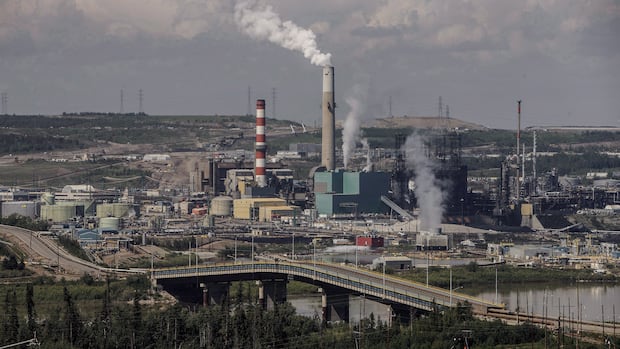
In a move being described as a victory by local community leaders in Fort McMurray, Suncor Energy confirms it is requiring some maintenance workers contracted to work in the oilsands to be local residents.
A statement from the company on Thursday says this could affect about 200 positions in the near future.
“Last month, Suncor issued a letter to a limited group of maintenance vendors who perform work in our fixed plant operations and whose work we believe could be supported through a more localized workforce,” read a statement from Suncor to CBC News.
Regional Municipality of Wood Buffalo (RMWB) Mayor Sandy Bowman told CBC News that through conversations between Suncor Energy, municipal officials and himself, the company has said it has already started to require more positions at its oilsands operations to be held by Fort McMurray residents. Bowman said these discussions began more than a year ago.
CBC News has reached out to Suncor for more information and to ask which contractors will be impacted.
In an interview on Friday, Bowman said the workforce changes are a result of talks that began more than a year ago to encourage oilsands companies to prioritize local workers.
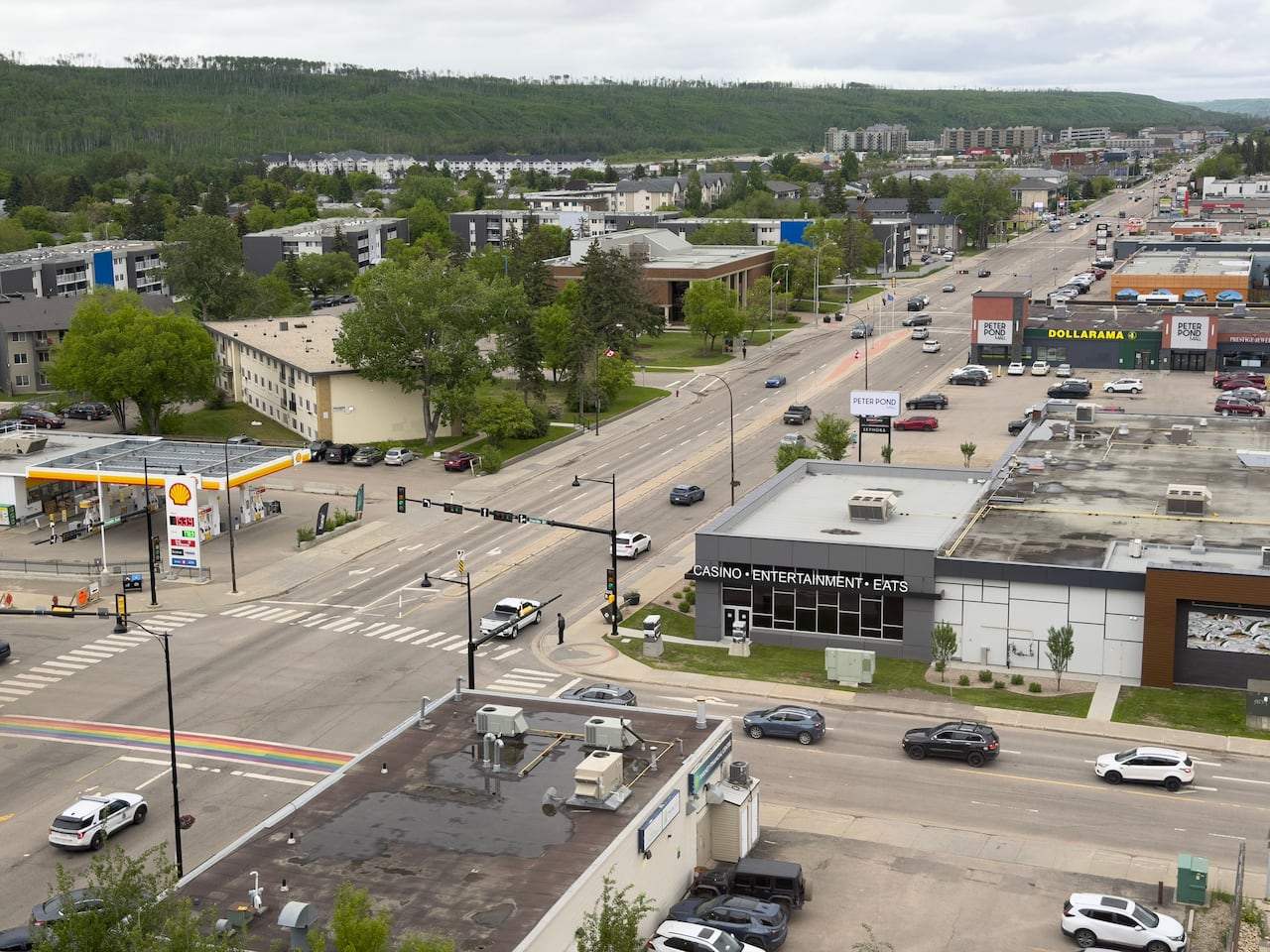 A view of Franklin Avenue in downtown Fort McMurray, as seen from the Jubilee Centre on June 11, 2026. (Vincent McDermott/CBC)
“They’ve been great partners in this. We started something together that hasn’t been done in a while, just to sit down and work together on what works best for everybody,” he told CBC News.
“They see the value in their employees working here, being able to go home each night with their families and have a better work-life balance.”
Bowman said similar conversations have recently started with the leaders of Imperial Oil and Canadian Natural Resources. People working for Fort McMurray Wood Buffalo Economic Development and Tourism have also been visiting work camps with displays showing off the community to workers interested in relocating.
CBC News has reached out to Imperial Oil and Canadian Natural Resources about Bowman saying those companies have also been in discussions concerning localizing their workforce.
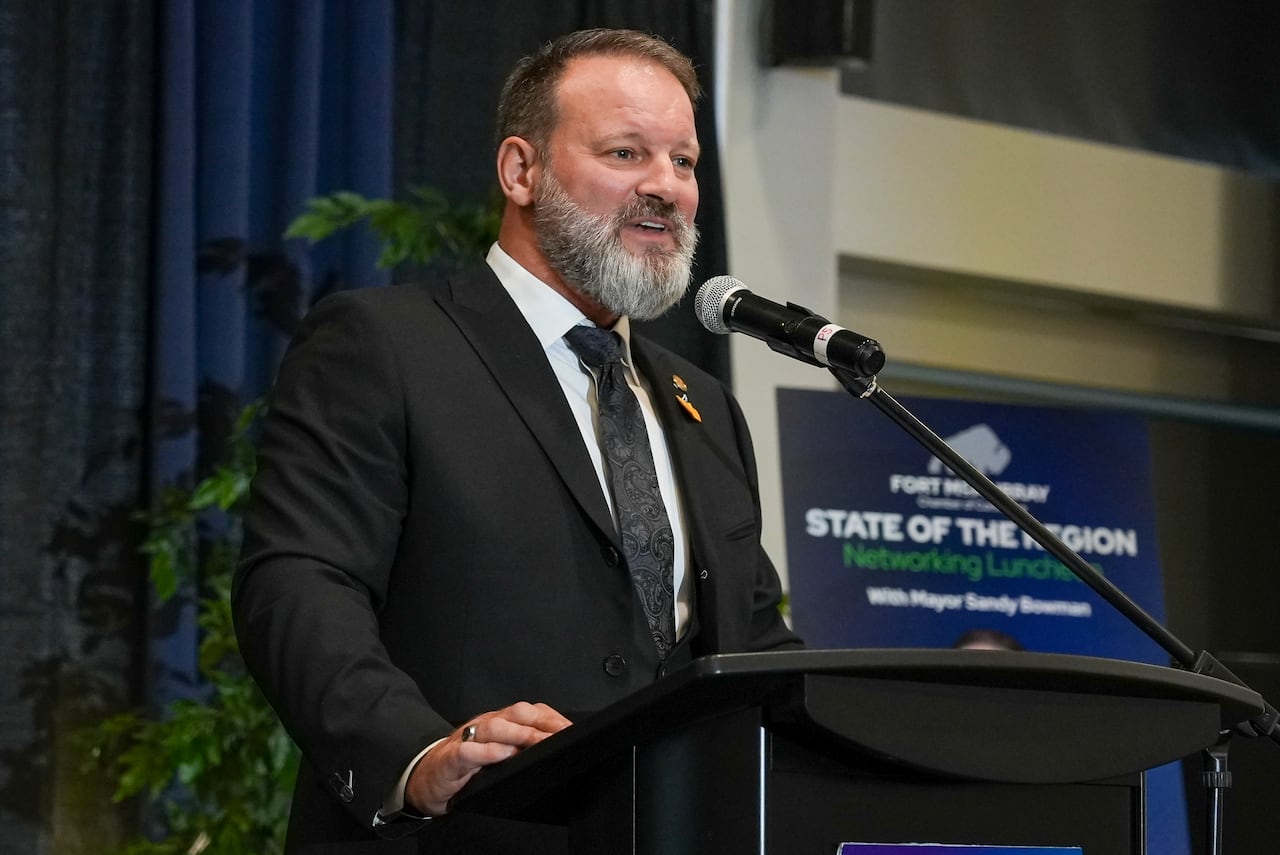 Mayor Sandy Bowman of the Regional Municipality of Wood Buffalo (RMWB) delivers his state of the region speech during a luncheon hosted by the Fort McMurray Chamber of Commerce at SMS Equipment Place in Fort McMurray, Alta. on March 4, 2026. (Vincent McDermott/CBC)
The 2025 census for the RMWB says there are more than 21,000 transient workers living in work camps dotting the oilsands region. This represents a 22 per cent drop from the 2021 census.
Dianna de Sousa, president of the Fort McMurray Chamber of Commerce, said the municipality and local business leaders have been pitching the community as a place for oilsands workers to live for years.
“We’ve had a long-standing period over 10 years of not a lot of economic activity, and anything will be good for the region,” she told CBC News. “Certainly population growth will be the trigger for a number of items.”
Energy Minister Brian Jean also praised news of the 200 local positions. In 2024, he said that he believed the fly-in-fly-out model is “hollowing out” resource communities like Fort McMurray.
“This is a good start and we hope that other oilsands companies will follow this best practice,” Jean said of Suncor’s move to create a more localized workforce in a statement issued Thursday.
“If more companies follow positive changes like this, it will help create stronger local communities across Alberta and ensure the economic value from these projects stays in our province.”
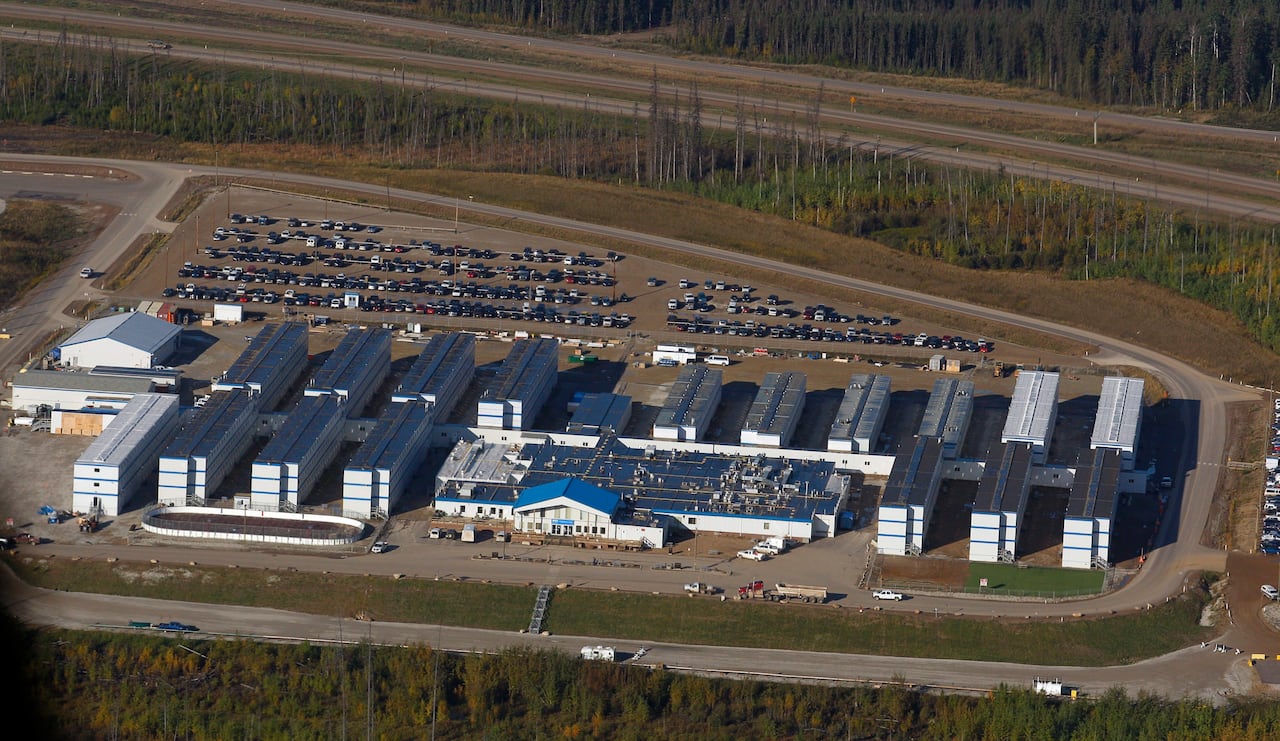 A work camp for oilsands workers north of Fort McMurray, Alta. on Monday, Sept. 19, 2011. (Jeff McIntosh/The Canadian Press)
Work camps in the oilsands have been a polarizing issue in Fort McMurray’s local politics. In 2019, then-mayor Don Scott unsuccessfully attempted to ban work camps within 75 kilometres of Fort McMurray.
Scott argued at the time that work camps were growing at an unsustainable rate while economic uncertainty was shrinking Fort McMurray’s population.
Bowman said he favours incentives luring workers to the community instead of banning or restricting work camps. He also said he believes this approach is working. The 2025 census showed the population grew for the first time in 10 years with a 1.6 per cent jump.
“That’s what we need: slow and steady growth so things move at the correct pace and we have the infrastructure in place,” said Bowman.