
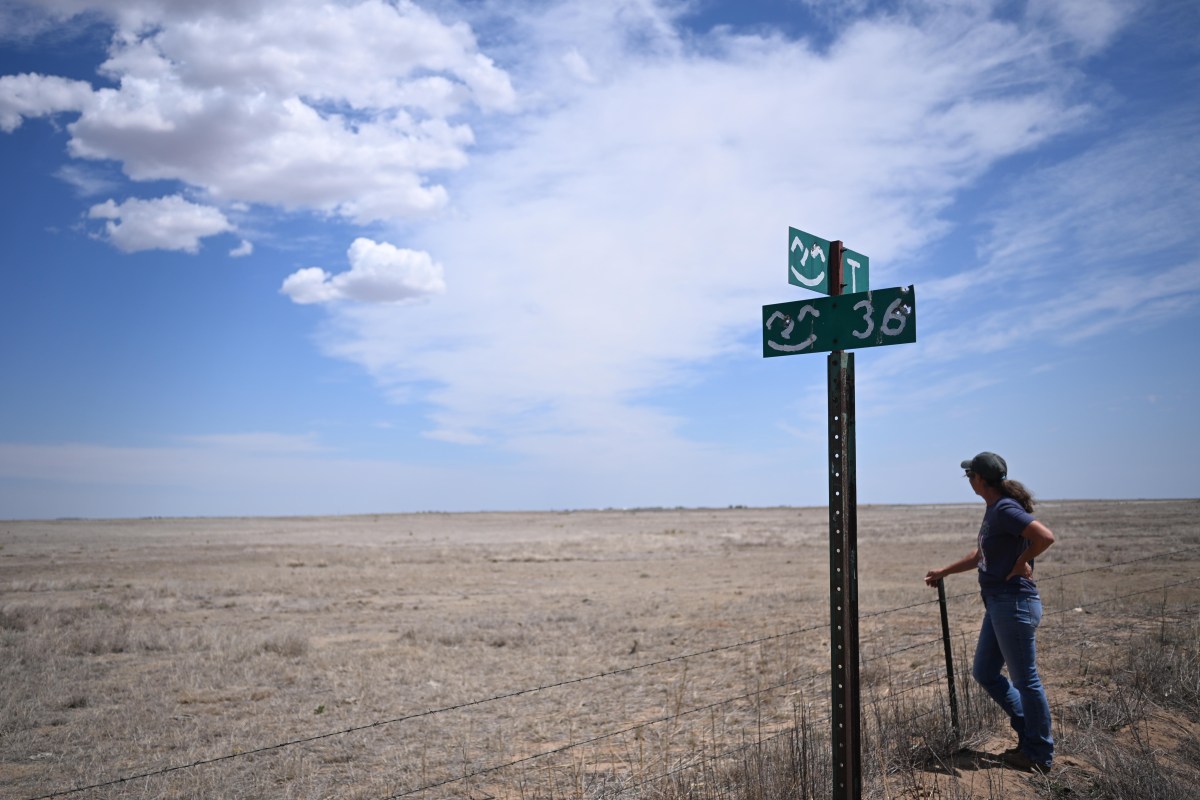
El Niño could exacerbate long-term drought concerns across the U.S., meteorologists have warned. The weather phenomenon, part of a recurring global weather cycle, can influence temperature and precipitation in the U.S. and globally.
The warning comes amid the widespread proliferation of data centers across the U.S., raising concern about water supplies as these facilities can consume millions of gallons a day, while much of the country is already facing drought conditions.
Data Center Map now lists more than 4,400 data centers—built for storing, processing, and distributing vast quantities of data, including for AI—across the U.S.
Read More on Weather
What Is El Niño?
El Niño represents the warm stage of a natural climate cycle in the tropical Pacific called the El Niño–Southern Oscillation (ENSO). This cycle swings irregularly every two to seven years, altering ocean temperatures and disrupting typical wind and rainfall patterns across the tropics.
These shifts in the seasonal climate of the Pacific, the world’s largest ocean, can trigger wider global impacts.
In the U.S., typical effects of El Niño during the winter months include warmer conditions along the northern tier of the country, wetter conditions in southern areas, and drier conditions across the Midwest, according to the National Oceanic and Atmospheric Administration (NOAA).
Could El Niño Lead to a Mini-Dust Bowl?
In an email sent to Newsweek on Friday, forecasters at AccuWeather said that conditions are in place for a multi-year drought that could threaten both crop yields and the water supply.
“After El Niño ends, the following two to three years can end up being significantly drier in parts of the Plains from Texas into the Dakotas, which are already experiencing extreme drought conditions,” AccuWeather long-range expert Paul Pastelok said.
“The stronger the upcoming El Niño conditions get, the longer it takes for weather patterns to return to their historical average.”
While El Niño can bring wetter-than-normal conditions to the southern U.S., it is also known to bring dryness and drought to the Northwest and other northern areas, AccuWeather said.
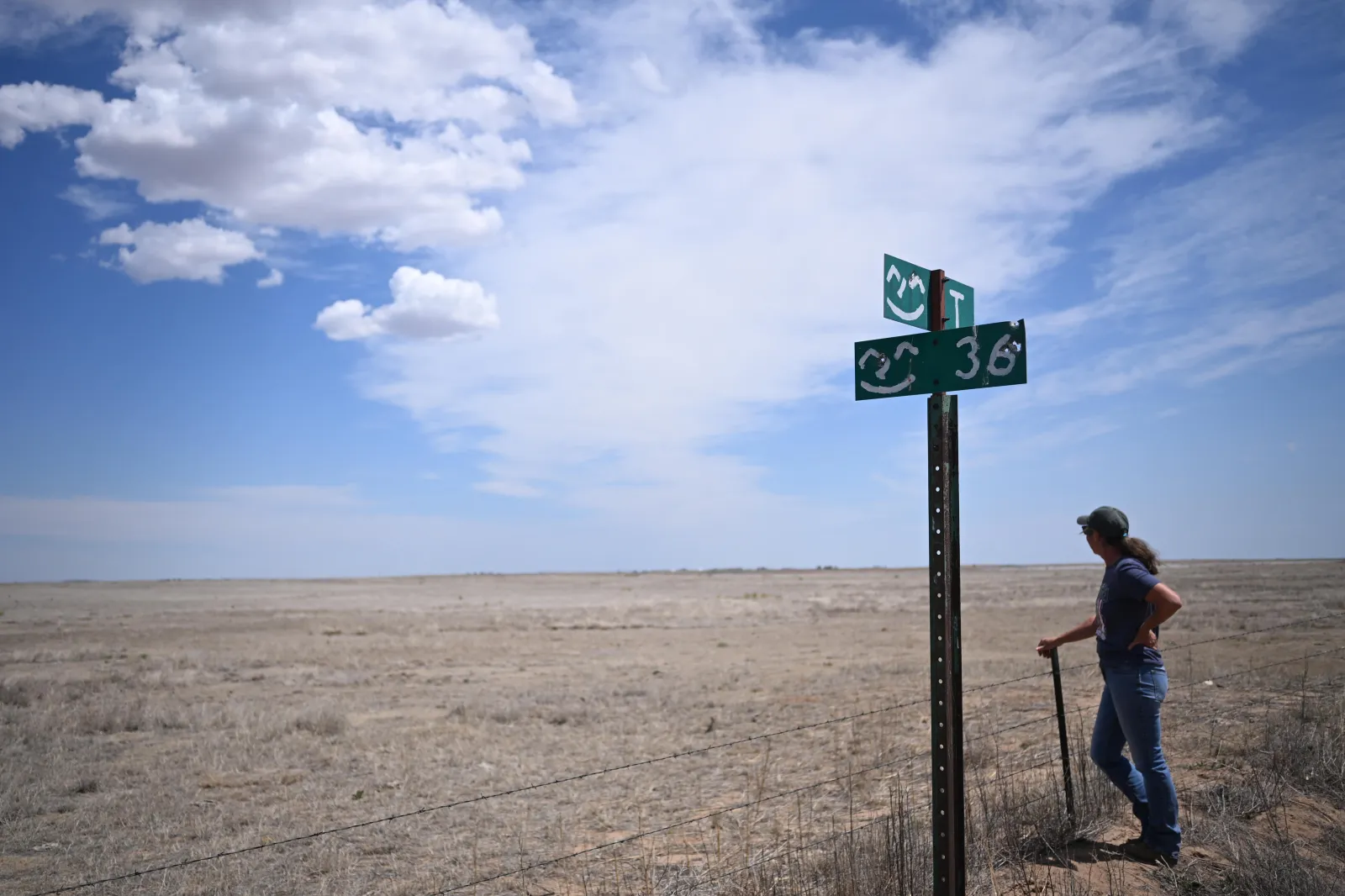
In an update earlier this week, NOAA’s National Integrated Drought Information System (NIDIS) said that nearly half (45.9 percent) of the U.S. was experiencing some degree of drought conditions. Among the worst affected areas were parts of Nevada, Idaho, Colorado, Nebraska, and Oklahoma, its map showed.
According to the Climate Prediction Center, El Niño conditions are currently present and expected to strengthen into the Northern Hemisphere winter 2026-27.
“Here we are before El Niño is really getting going, and many areas of the country are already experiencing drought,” AccuWeather founder and executive chair Joel Myers said.
“In fact, when you average the rainfall across the country and give equal weight to all parts of the nation, you are talking about a level of dryness that occurs in less than 5 percent of the historical record. That is less than one in 20 years on average.
“There is real concern the drought conditions could worsen as the precipitation deficit grows, given the expected strength of El Niño, Myers added.
Persistent Droughts after ‘Super El Niños’
AccuWeather notes that the 1965–66, 1982–83 and 1997–98 El Niño events rank among the strongest on record—often called “Super El Niños.” These episodes were followed by notably dry conditions that either triggered or worsened drought across much of the Plains, in some cases persisting for years after the events ended.
AccuWeather forecasters say there is a 70 percent chance the current El Niño could intensify into a Super El Niño later this year.
According to the outlet, this El Niño is expected to be one of the strongest in history and peak later this year, with the event expected to remain through early 2027.
“If the long-term drought is as bad as it could be, and you are starting off already with severe drought, this raises the real possibility of a ‘mini-Dust Bowl’. Soybeans will be stressed further in the months and years ahead, and yields on some of these crops will be reduced in parts of the country. If that happens, it will have a negative impact on food production, leading to price inflation. Furthermore, water supplies will be harmed, as well,” said Myers.
The Dust Bowl of the 1930s was a severe environmental disaster on the U.S. Great Plains caused by a combination of prolonged drought and unsustainable farming that stripped away native grasses, leaving exposed soil vulnerable to erosion and massive dust storms.
AccuWeather explained that once a drought or heat wave takes hold, it can reinforce itself by creating conditions that intensify and prolong it. During the 1930s Dust Bowl, prolonged heat dried out soils, reducing moisture available for evaporation and rainfall, it said.
Data Centers in Drought-Hit Areas
Newsweek previously mapped projects listed in a new database launched by environmental activist Erin Brockovich against U.S. Drought Monitor data to identify which are being developed in areas already experiencing drought.
It showed eight new data centers under construction in Texas, along with additional projects in Louisiana and Mississippi—some in areas already experiencing severe to extreme drought.
Further developments are planned across Tennessee, Georgia, South Carolina, North Carolina and Virginia, where large regions are also facing severe or exceptional drought conditions.