

US and Iranian delegations are both coming to talks in Switzerland on the next steps in their tentative truce. Tehran will arrive carrying a big diplomatic stick — the closure of the Strait of Hormuz.
Accusing Israel of violating the ceasefire in Lebanon, Iran balked at attending talks planned Friday, the first since the Iranian and US presidents signed the 14-clause memorandum of understanding (MoU) earlier in the week.
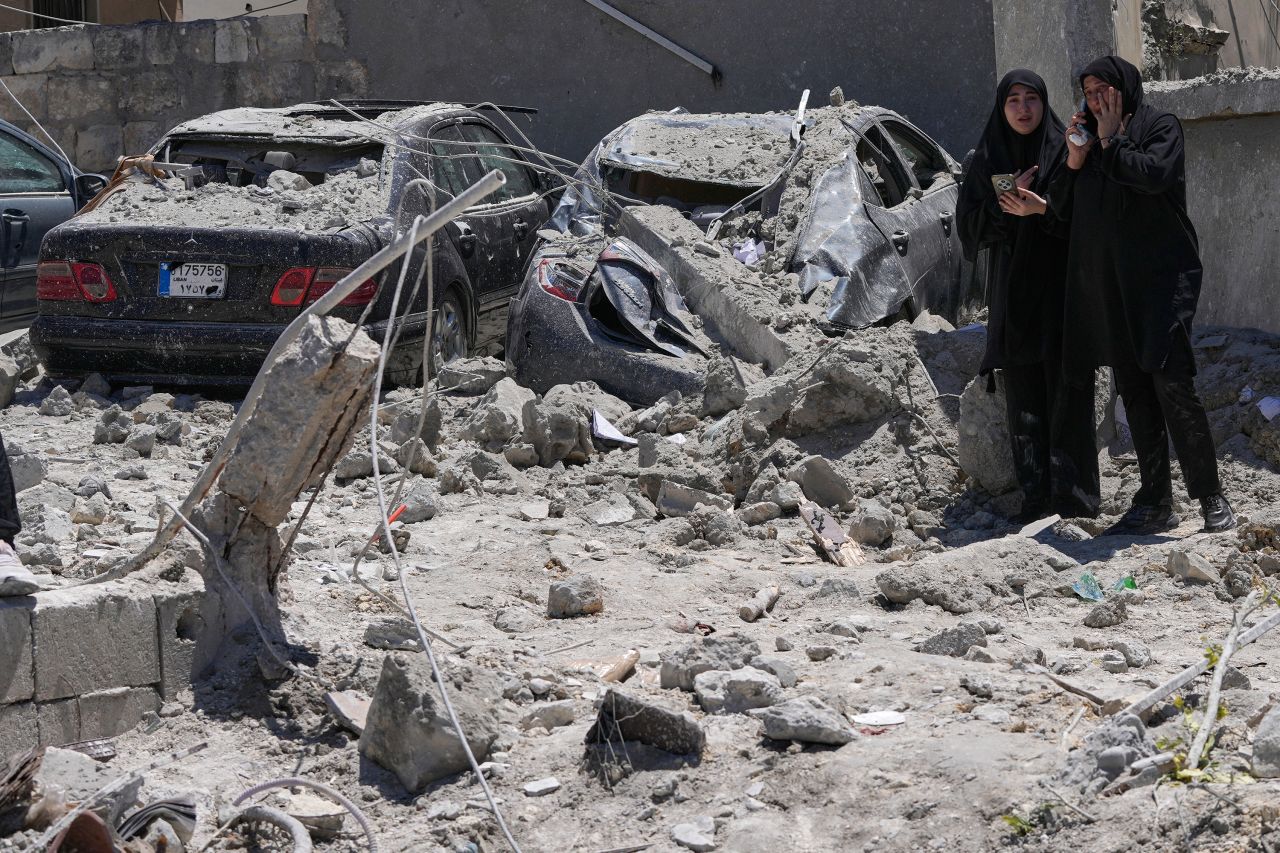
Despite a truce agreed between Israel and Lebanon’s Iranian-backed Hezbollah militia, violence there has continued, with the death toll among Lebanese civilians growing Saturday.
One of Pakistan’s top mediators flew to Tehran to persuade Iranian negotiators to reconsider and come to the talks in the Swiss mountains.
The threat to close the key waterway seems to be leverage to secure a full ceasefire in Lebanon.
Iran’s Tasnim News Agency, which is aligned with Iran’s powerful Revolutionary Guard Corps, warned one of its top negotiators, Foreign Minister Abbas Araghchi, against going to the talks empty-handed. It said that since the MoU had been violated in Lebanon, Iran had no obligation to keep the Strait of Hormuz open.
Iranian negotiators have been clear: President Donald Trump signed the MoU; therefore if he cannot ensure the ceasefire in Lebanon, then the rest of the MoU is in question.
By carrying a diplomatic stick into the talks, Iranian negotiators ensure not only that they keep their hard-liners onside, but they also have something to trade to get what they want.
The Iranians’ ability to stymie global trade in the strait is their new superpower, and they clearly intend to use it.