
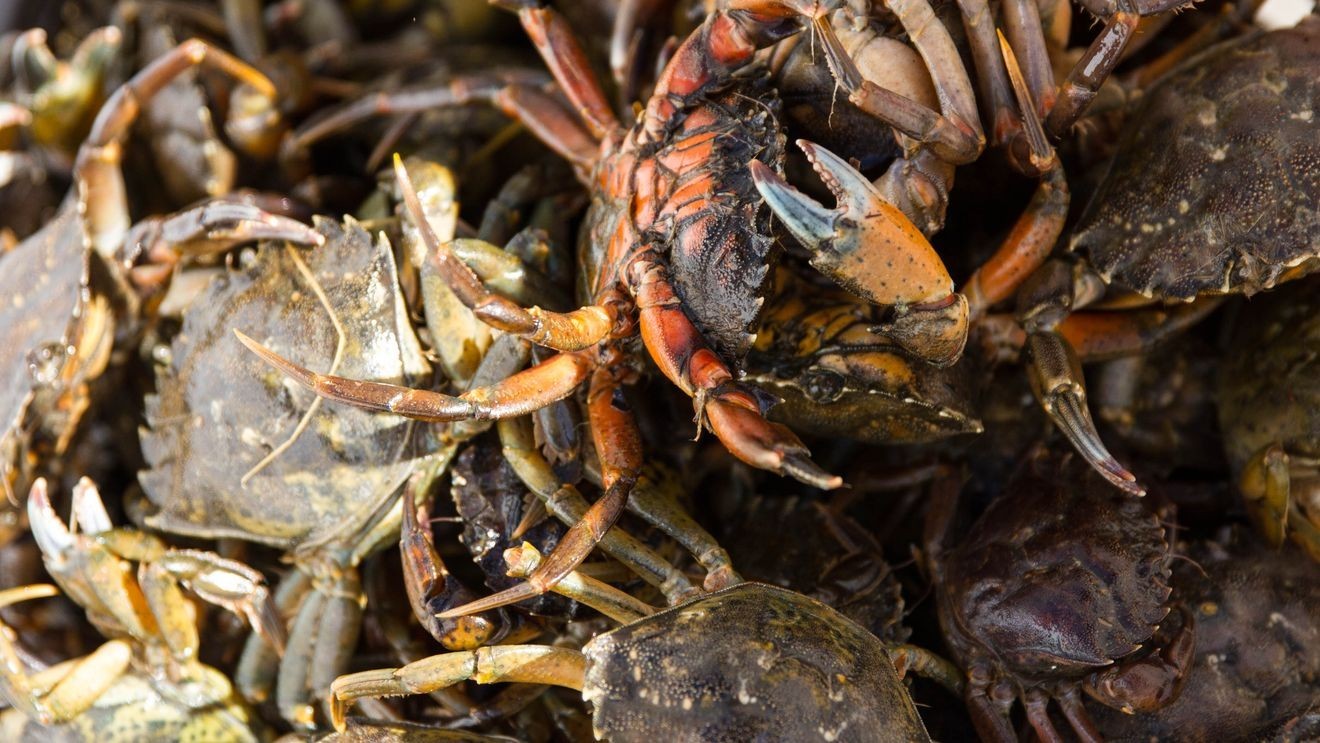
PORTLAND (WGME) — An invasive species of crab is wreaking havoc on some of the native plants and natural habitat along Maine’s coastline.
Green crabs were first spotted in the early 1800s after coming over from Europe.
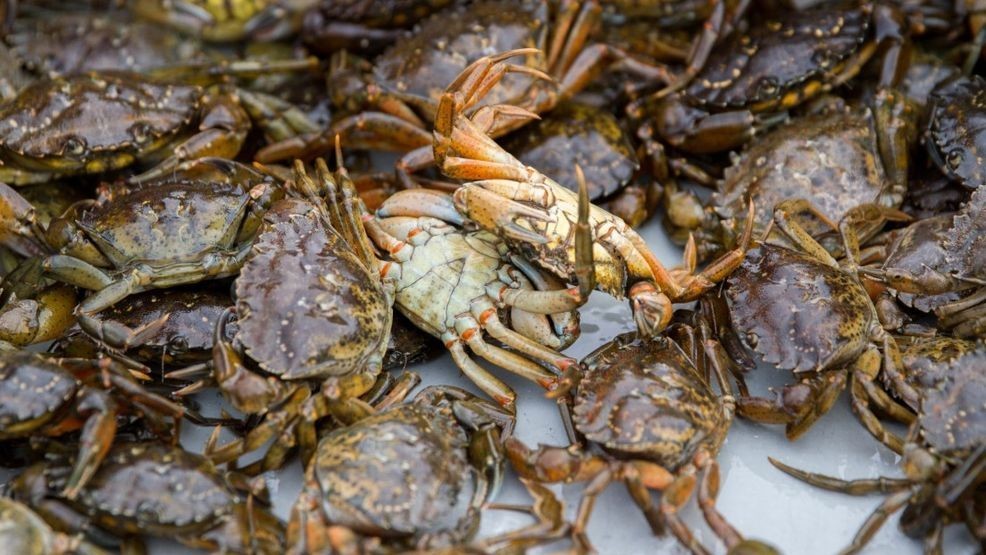
Green crabs continue to make an impact on Maine’s natural habitat and native plants. (P. McAleenan)
“One of the things that makes green crabs a really successful invasive species is that they have a wide range of thermal tolerances. So they can tolerate warmer waters and to some degree, colder water as well,” Manomet Conservation Sciences Project Manager Jessie Batchelder said.
With the Gulf of Maine warming at a rapid pace, this is allowing them to survive through the winter months.
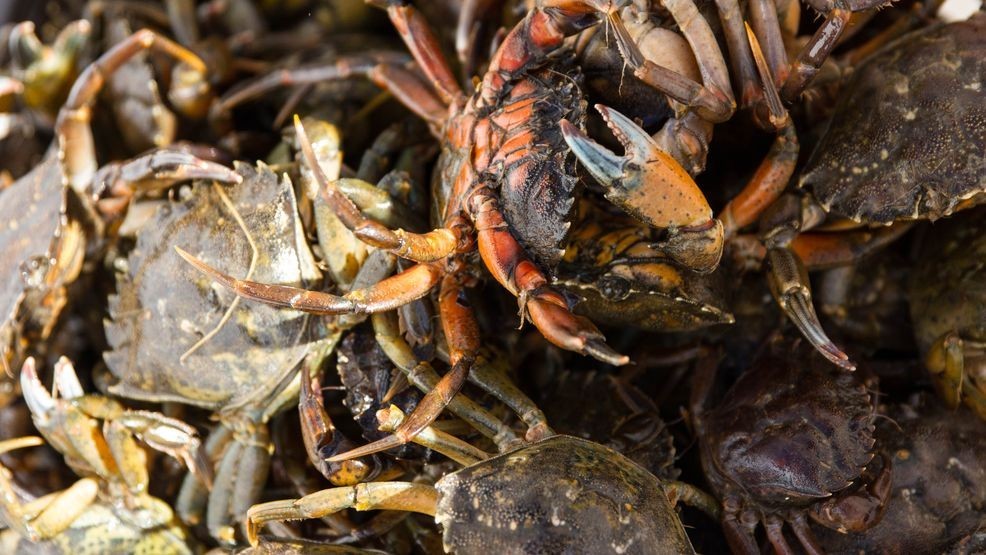
Green crabs continue to make an impact on Maine’s natural habitat and native plants. (P. McAleenan)
“They prefer areas that are a little more protected. So if you are at an exposed beach with big crashing waves, you might not find as many. But if you are at the beach and there is seaweed cover or rocks, if you flip over some of the rocks or some of the seaweed, you’ll likely find some green crabs,” Batchelder said.
These protected areas include some of our bays, estuaries and marsh systems.
“Here in Maine, soft shell clams are something they really enjoy. Soft shell clams are a really important commercial fishery in the state for us. We’ve seen declining soft shell landings and a lot of that we think is attributed to green crab predation,” Batchelder said.
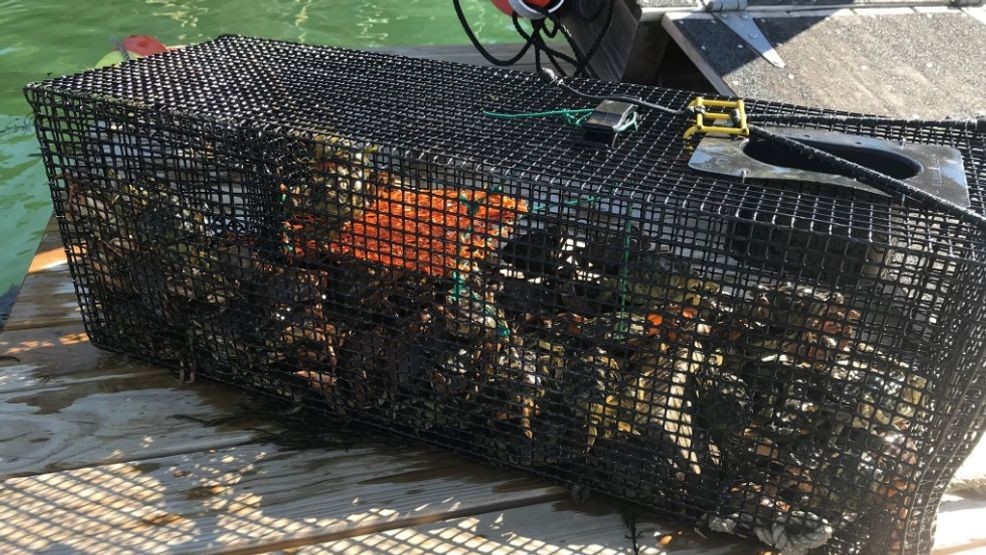
Green crabs continue to make an impact on Maine’s natural habitat and native plants. (Manomet Conservation Sciences)
A single adult green crab can consume up to 50 clams, mussels, oysters and other shellfish each day.
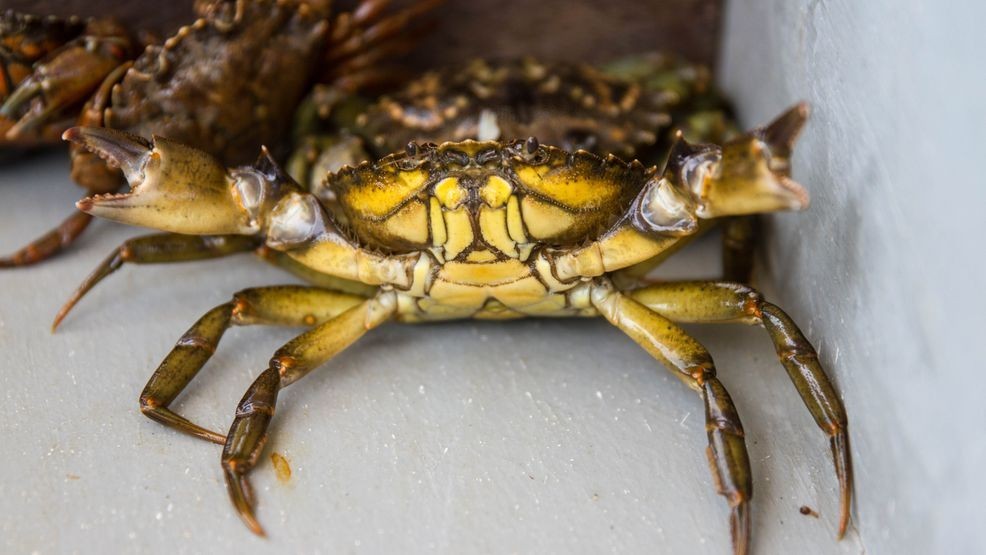
Green crabs continue to make an impact on Maine’s natural habitat and native plants. (P. McAleenan)
“The easiest way to identify it is by looking at the spine on either side of their eyes. There will be five pointy spines on each side, the left and right of the eye,” Batchelder said.
It’s important to not just look at their color, as some have more of a red or brown coloring, the five spines is the best way to identify them.