
Shafaq News
After Iran’s 1-1 draw with Egypt left their World Cup 2026
hopes hanging by a thread, the players walked out of the locker room and left
behind a message of thanks to Seattle for its hospitality, writing about
fairness, honor, and the soul of football.
After drawing Belgium in Los Angeles, they had done the
same, thanking the city and speaking of dignity, pride, respect, and friendship
among nations. That was the strange dignity of Iran’s World Cup: the team
complained but did not collapse into bitterness; it protested its treatment,
then cleaned the room; it spoke of injustice, then thanked the hosts; it was
pushed through one of the “most politically loaded” campaigns in recent World
Cup memory, according to analysts, and still tried to sound like a football
team.
When the final blow arrived on Sunday morning, after
Austria’s late equalizer against Algeria ended Iran’s last route into the last
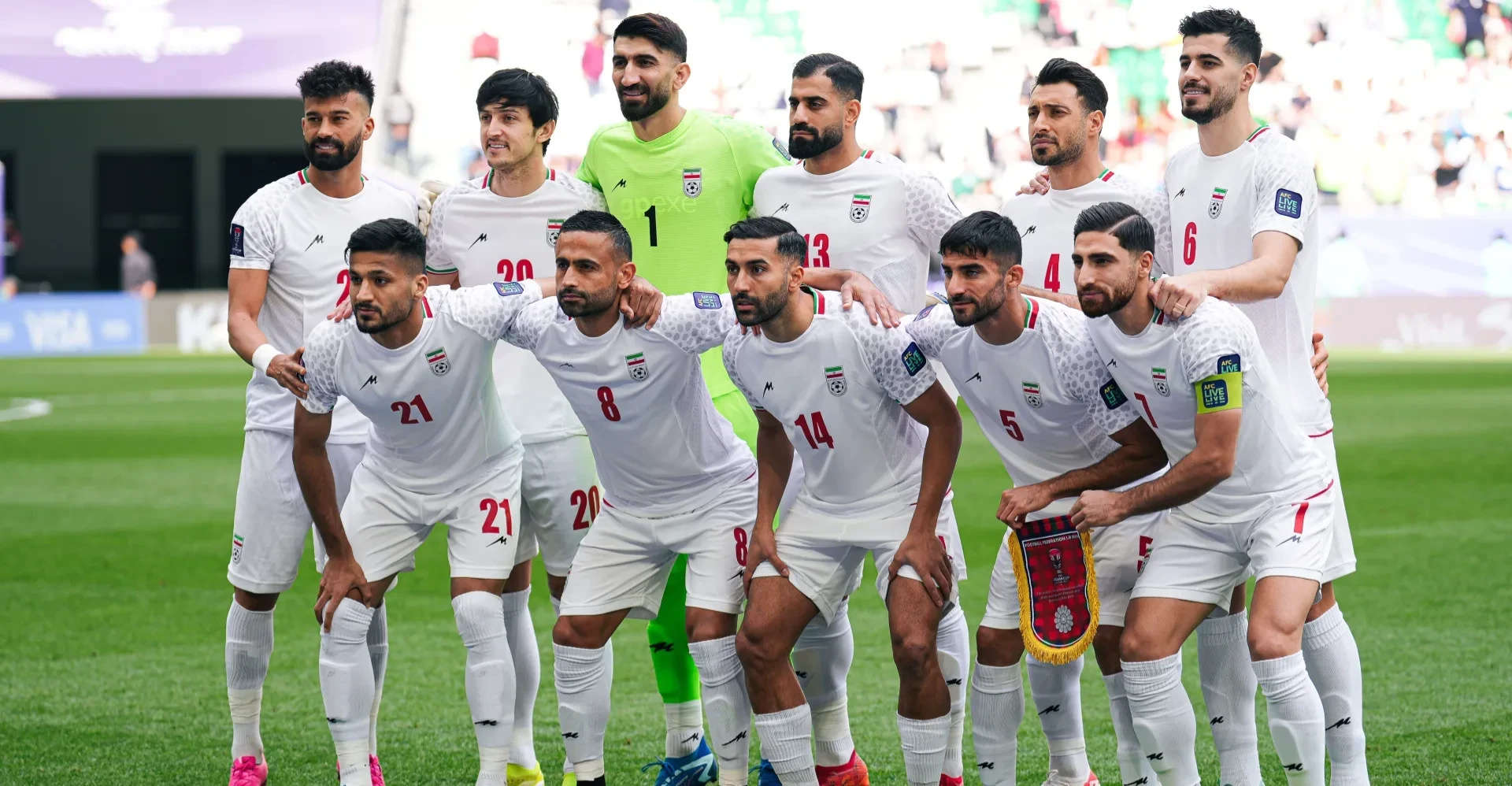
32, the Persian Cheetahs officially left the tournament unbeaten: 2-2 against
New Zealand, 0-0 against Belgium, 1-1 against Egypt. Against the Pharaohs,
Mehdi Taremi missed from the penalty spot, Iran hit the crossbar, and Shoja
Khalilzadeh thought he had scored the goal that would carry Team Melli into
history, only for VAR to rule it out for offside.
But Iran’s tournament was never only about what happened
between the lines. The team had expected to base itself in Arizona, but
political tension and visa uncertainty pushed its camp to Tijuana, Mexico, and
from there, Iran had to commute into the United States for matches, with the
squad required to enter within 24 hours of kickoff and leave the same day for
games near Los Angeles. The restrictions were later eased before the Egypt
match in Seattle, but only partially.
This was not routine inconvenience, because tournament
football is built on recovery, rhythm, staff access, treatment rooms, analysis
meetings, sleep, and the feeling that the day before a match belongs to the
players, so for Iran, the day before a match was often spent on border
procedure.
Fifteen Iranian federation members were denied US visas,
including senior officials and support personnel, according to the national
team, which also stated that its official ticket allocation had been withdrawn
days before the tournament, while families, staff, and supporters became part
of the same administrative fog surrounding the squad.
Taremi called it “a disaster,” telling reporters after Egypt
that Iran had to travel again to Tijuana “without recovery, without anything,”
while coach Amir Ghalenoei called his side the most oppressed team in the
tournament and urged FIFA not to allow future hosts to treat teams in the same
way.
Jules Boykoff, a former professional footballer and politics
professor at Pacific University in Oregon, told The Guardian before Iran’s
opener that FIFA’s dream of an apolitical World Cup had become a fantasy,
describing 2026 as the “most politically combustible World Cup ever,” with the
Iran-US-Israel war sitting at its center.
Roger Bennett, founder of Men in Blazers, placed the issue
in a wider football frame, arguing that politics at the World Cup is “never
new,” because when nations play, their histories, cultures, and politics take
the field with them.
As Bennett said, everywhere Iran went, politics followed. In
Los Angeles, Iranian diaspora tensions filled the stands before the match had
settled, with some fans carrying pre-revolutionary Lion and Sun flags, others
booing the anthem, and another portion cheering the players themselves.
In Seattle, Egypt vs Iran had been designated locally as a
Pride Match before the draw placed two Muslim-majority countries in the
fixture. Both federations objected, FIFA allowed rainbow flags, and the match
passed without incident. Taremi’s answer afterwards: “Iran’s religion does not
accept that, but the team respected [LGBT people] and had come to play
football.”
One Iran fan told Shafaq News that Iran carried all of those
issues, then added war, visa exclusions, missing staff, border restrictions,
protest flags, and symbolic disputes that “made normal football feel almost
impossible.”
For now, Iran go home unbeaten, exhausted, and unheard,
having played three opponents on the field and something larger around it.