
Despite commendable efforts in recent years to improve the state’s mental health care system, Virginia still falls short of its goal of providing prompt, effective care when it is most needed.
Mental health care is too often inadequate. Many people in crisis don’t know where to turn.
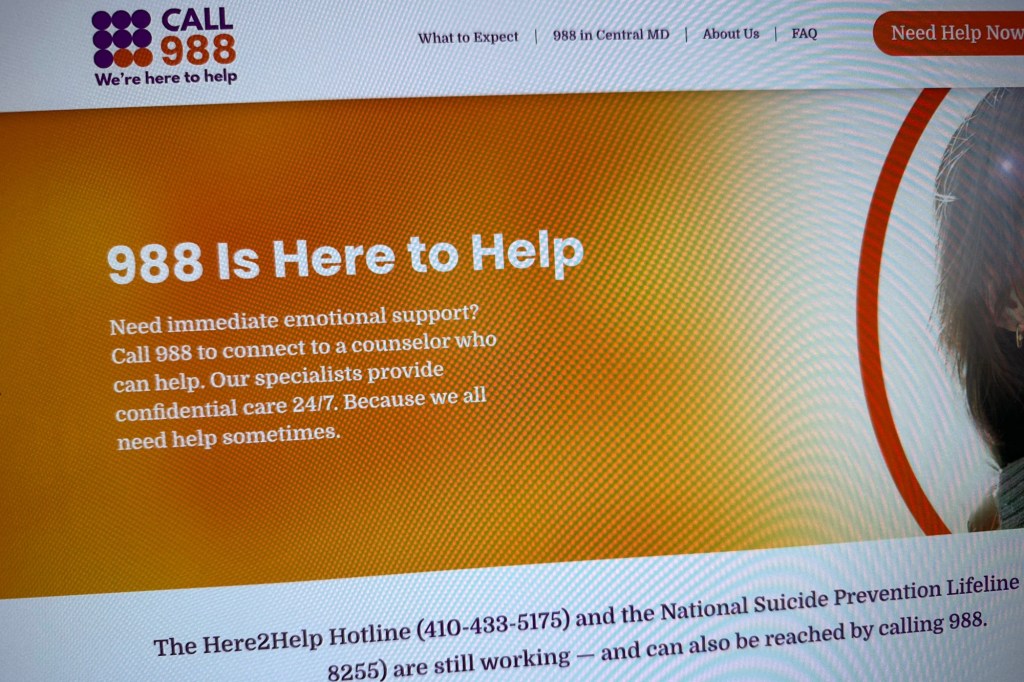
Building on previous progress, former Gov Glenn Youngkin’s “Right Help, Right Now” initiative tackled some of the problems. The 988 suicide and crisis phone line, mobile crisis units, transportation services that ease burden on law enforcement, programs aimed at reducing drug overdoses — these efforts and others provide some help in difficult situations,
But plans for improving mental health services in the commonwealth can be only as good as the trained, experienced professionals who carry them out.
Programs fall short if there aren’t enough people to make them work. And Virginia, according to a recent national report, faces “catastrophic” shortages in mental health workers.
The report, from Inseparable, a national mental health advocacy organization, says that Virginians go out of their insurance network to find help for mental health problems six and a half times more often than for physical problems. Doing so usually means that they pay considerably more — or that they simply can’t afford care.
The report also found that the commonwealth has only about 22% of the psychiatric professionals it needs. The shortages are felt not only in remote rural areas or inner cities but across Virginia, including much of Hampton Roads.
Those who work in mental health know that people in crisis, or those trying to help them, too often don’t know where to turn other than hospital emergency rooms. Those who seek help before a problem becomes a crisis often face long waits for an appointment. Too often, a patient’s condition worsens — sometimes dangerously so — before help is available.
The situation is dire in part because there is a growing demand for mental health care for anxiety, depression, suicidal thoughts and related problems. Some of the stresses started during the pandemic and haven’t improved much since. Some are related to the current economy and financial woes. Many people continue to struggle with opioids and other drugs.
At the same time, the ranks of mental health professionals are thinning. Burnout is a problem, causing some practitioners to reduce their caseloads or even leave the profession
Without change, things will likely get worse. A majority of mental-health providers in Virginia are age 55 or older, nearing retirement age, and not enough younger people are entering the profession to replace them.
It’s not hard to understand why few young people choose to enter the mental health care profession. It can take considerable time and money to get the necessary education and licensing, but the pay is usually less than that for those who go into physical health areas. In Virginia, according to the Inseparable report, a psychiatrist’s in-network reimbursement is typically about 87% of what a medical or surgical clinician with comparable credentials receives, and a therapist earns about 85% of a physician assistant’s pay.
If mental health care is to improve significantly, Virginia must make concerted efforts on the local, regional and state levels to attract new people and keep those who are in the profession.
Recruiting, scholarships, loan repayments and other financial incentives could help, as could agreements with other states for easier licensing. Efforts could be made to expand insurance coverage and Medicaid reimbursements for mental health care. More emphasis could be focused on helping people before they reach a crisis.
A person’s mental health is inextricably related to physical health as well as crucial for quality of life. Anxiety and depression can cause someone not to get the exercise or social interaction they need. Mental health problems can weaken the immune system and increase risks of heart disease and stroke.
Virginia’s leaders have acknowledged the need to improve mental health care. Encouraging more people to pursue this important work will be crucial to the effort.