
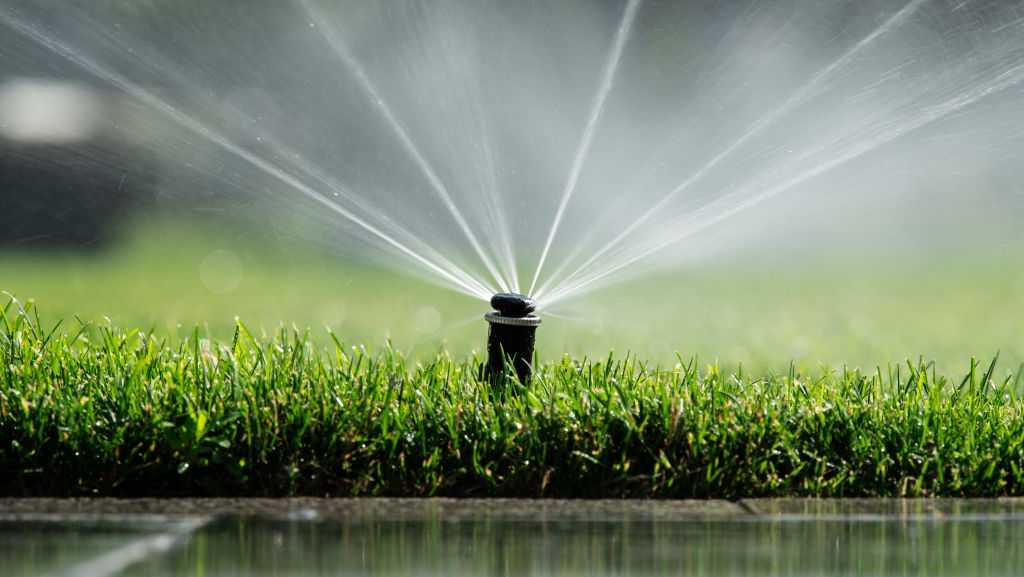
Residential customers of Central Iowa Water Works can begin watering lawns again
ROUTES TOOK EFFECT IN MID JUNE. WE’RE FOLLOWING BREAKING NEWS RIGHT NOW. IT COMES FROM CENTRAL IOWA WATER WORKS. RESIDENTIAL CUSTOMERS ONLY CAN NOW WATER THEIR LAWNS. GOOD NEWS FOR A LOT OF FOLKS, BUT THE REGIONAL WATER AUTHORITY IS LEAVING SOME RESTRICTIONS IN PLACE. KCCI SUZANNE BEHNKE IS LIVE IN DES MOINES. SO, SUZANNE, WHAT DO WE NEED TO KNOW? IT IS GOOD NEWS TODAY FOR RESIDENTIAL CUSTOMERS FOR CENTRAL IOWA WATERWORKS, WHO CAN BEGIN WATERING GRASS TODAY. THAT CHANGE WAS APPROVED THIS AFTERNOON BY THE WWE BOARD OF DIRECTORS JUST AROUND 4:00. NOW, RESIDENTS ARE STILL ASKED TO CONSERVE WATER, EVEN JUST WATERING GRASS ONCE OR TWICE A WEEK. AND WE’LL GET TO THAT SCHEDULE HERE IN A SECOND. SEE, WW SAYS THAT WE’RE NOW IN A STAGE TWO WATER USE PLAN INSTEAD OF THAT STAGE THREE MANDATORY LAWN WATERING BAN. STAGE TWO MEANS THE VOLUNTARY 50% REDUCTION IN OUTDOOR WATER USE. NOW, TO BE CLEAR, BUSINESSES AND GOVERNMENT CUSTOMERS ARE STILL NOT SUPPOSED TO WATER GRASS. WATER OFFICIALS SAY THEY WILL MEET EARLY NEXT WEEK AND SEE HOW THINGS ARE GOING OVER THE WEEKEND, AND GO FROM THERE. NOW, THE MANDATORY LAWN WATERING BAN TOOK EFFECT ON JUNE 8TH, AND THAT WAS BECAUSE OF HIGH NITRATE LEVELS IN OUR SOURCE WATERS, AND THE WATER UTILITIES WERE AT ABOUT 90% OF THEIR CAPACITY. BOTH OF THOSE CONDITIONS HAVE IMPROVED SINCE THEN. NOW HERE’S THE SCHEDULE THAT RESIDENTIAL CUSTOMERS ARE ASKED TO FOLLOW. NO WATERING ON MONDAYS. AND THAT’S BECAUSE WHEN THE WORK WEEK STARTS, ALL BUSINESSES START THEIR AIR CONDITIONERS, AND THAT TAKES UP MORE WATER. BUT ON TUESDAYS, THURSDAYS AND SATURDAYS, ODD NUMBERED STREET ADDRESSES CAN WATER. THEN ON WEDNESDAYS, FRIDAYS AND SUNDAYS, EVEN NUMBERED STREET ADDRESSES CAN WATER GRASS. OFFICIALS SAY THIS IS THE NEW NORMAL. WE DID HEAR AT THE BOARD MEETING THAT WATER USE WAS CLOSE TO ABOUT 60 MILLION GALLONS IN A DAY, AND ALLOWING RESIDENTIAL CUSTOMERS TO IRRIGATE LAWNS WILL ADD ABOUT 20 MILLION GALLONS A DAY. BUT THEY SAY THAT THEY HAVE THE CAPACITY TO TAKE THAT ON. LIVE IN DES MOINES, SUZANNE BENTLEY, KCCI EIGHT NEWS, IOWA’S NEWS LEADER. AL
Residential customers of Central Iowa Water Works can water their grass again.The regional water authority’s board of trustees approved gradually going from the Stage 3 mandatory lawn-watering ban to Stage 2, a voluntary 50% reduction in outdoor water use.For now, homeowners or residential users can water on the following schedule:No watering on Monday.Even numbered addresses water on Sunday, Wednesday and Friday.Odd-numbered addresses water on Tuesday, Thursday and Saturday.Businesses and government customers would be phased in later to the Stage 2.High nitrate levels in sources for drinking water and increased water use forced CIWW to decide on June 8 to go to the lawn-watering ban.CIWW’s policies state that when the network of 12 community members gets to 90%, the Stage 3 goes into effect.The network is operating at 60% capacity now, Des Moines Water Works CEO Amy Kahler reported to the Board of Trustees.“Anytime it rains in the watershed, we don’t know what will happen with nitrates,” Kahler said ahead of the vote.The board’s technical committee will meet early next week to assess how water usage is going.Full news conference: Central Iowa Water Works partially lifts irrigation ban Explaining Central Iowa Water Works’ water use planStage 0 — Water conservationWater conservation is encouraged year-round, regardless of drought conditions.There are no mandatory restrictions on water use at this stage.Residents and businesses are encouraged to make everyday choices that reduce water consumption, such as fixing leaks, watering efficiently and avoiding unnecessary water use.The goal is to build conservation habits before water supplies become stressed.Stage I — Water watchWater providers ask residents to voluntarily reduce lawn watering by 25%.Customers are encouraged to delay or skip irrigation when possible, especially after rainfall.Outdoor water use should be limited to what is necessary to maintain landscapes and gardens.The stage serves as an early warning that water supplies may be under increasing pressure.Stage II — Water alertResidents are asked to voluntarily cut lawn watering by 50%.Outdoor watering should be limited to essential uses only.Customers are encouraged to use water as efficiently as possible both indoors and outdoors.Utilities may increase public messaging and conservation efforts as water supply concerns grow.Stage III — Water warningMandatory restrictions take effect.Lawn watering is prohibited for residential, commercial and government properties.Newly installed sod and seeded areas may still be watered under irrigation guidelines established by Iowa State University.Cities may decide whether to continue operating splash pads.Golf courses and sports turf facilities may continue limited irrigation to maintain plant health and safe playing conditions.Water providers can enforce restrictions and take additional steps to protect available supplies.Stage IV — Water emergencyMandatory emergency measures are implemented.Water rationing takes effect to ensure available supplies meet essential needs.Utilities may limit how much water customers can use and restrict nonessential activities.Emergency actions are intended to protect public health and maintain critical services until water supplies recover.
WEST DES MOINES, Iowa —
Residential customers of Central Iowa Water Works can water their grass again.
The regional water authority’s board of trustees approved gradually going from the Stage 3 mandatory lawn-watering ban to Stage 2, a voluntary 50% reduction in outdoor water use.
For now, homeowners or residential users can water on the following schedule:
No watering on Monday.Even numbered addresses water on Sunday, Wednesday and Friday.Odd-numbered addresses water on Tuesday, Thursday and Saturday.
Businesses and government customers would be phased in later to the Stage 2.
High nitrate levels in sources for drinking water and increased water use forced CIWW to decide on June 8 to go to the lawn-watering ban.
CIWW’s policies state that when the network of 12 community members gets to 90%, the Stage 3 goes into effect.
The network is operating at 60% capacity now, Des Moines Water Works CEO Amy Kahler reported to the Board of Trustees.
“Anytime it rains in the watershed, we don’t know what will happen with nitrates,” Kahler said ahead of the vote.
The board’s technical committee will meet early next week to assess how water usage is going.
Full news conference: Central Iowa Water Works partially lifts irrigation ban
Explaining Central Iowa Water Works’ water use planStage 0 — Water conservationWater conservation is encouraged year-round, regardless of drought conditions.There are no mandatory restrictions on water use at this stage.Residents and businesses are encouraged to make everyday choices that reduce water consumption, such as fixing leaks, watering efficiently and avoiding unnecessary water use.The goal is to build conservation habits before water supplies become stressed.Stage I — Water watchWater providers ask residents to voluntarily reduce lawn watering by 25%.Customers are encouraged to delay or skip irrigation when possible, especially after rainfall.Outdoor water use should be limited to what is necessary to maintain landscapes and gardens.The stage serves as an early warning that water supplies may be under increasing pressure.Stage II — Water alertResidents are asked to voluntarily cut lawn watering by 50%.Outdoor watering should be limited to essential uses only.Customers are encouraged to use water as efficiently as possible both indoors and outdoors.Utilities may increase public messaging and conservation efforts as water supply concerns grow.Stage III — Water warningMandatory restrictions take effect.Lawn watering is prohibited for residential, commercial and government properties.Newly installed sod and seeded areas may still be watered under irrigation guidelines established by Iowa State University.Cities may decide whether to continue operating splash pads.Golf courses and sports turf facilities may continue limited irrigation to maintain plant health and safe playing conditions.Water providers can enforce restrictions and take additional steps to protect available supplies.Stage IV — Water emergencyMandatory emergency measures are implemented.Water rationing takes effect to ensure available supplies meet essential needs.Utilities may limit how much water customers can use and restrict nonessential activities.Emergency actions are intended to protect public health and maintain critical services until water supplies recover.