
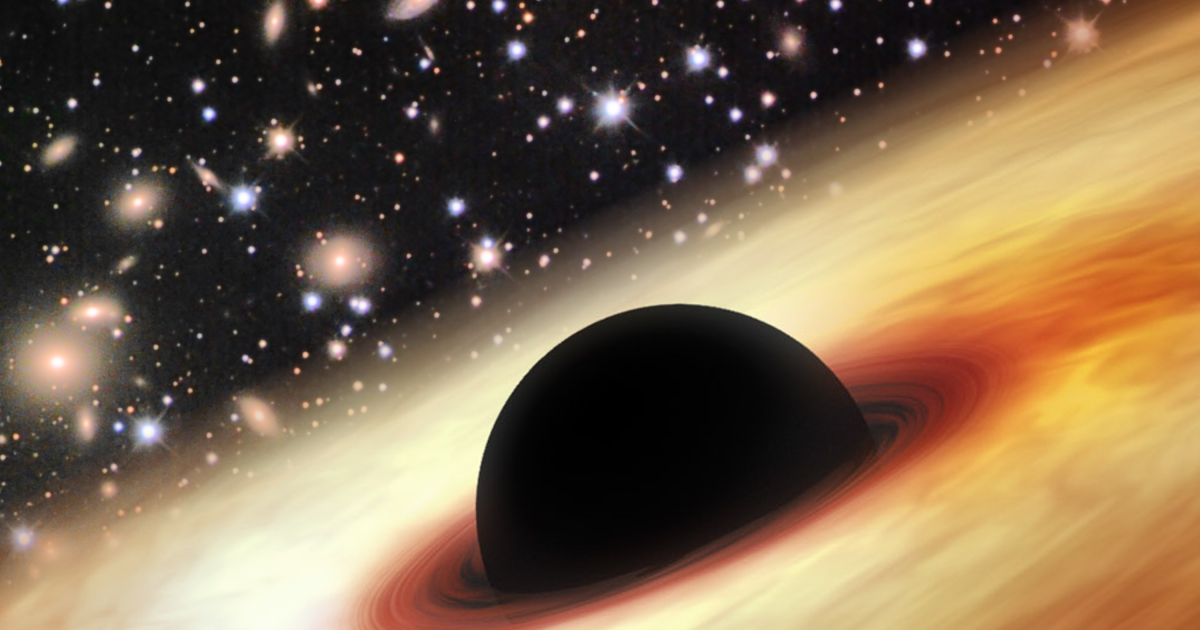
Quasars are extremely bright and active centers of galaxies, made of really big black holes consuming gas and dust. A new study details 31 newly discovered quasars, including the oldest one ever observed.
University of Arizona researchers were involved in the global team.
The quasar was found when the universe was just 670 million years old, about 5% its current age.
Quasars from when the universe was that young are incredibly rare and hard to detect.
Because our current understanding of how black holes and quasars form requires a lot of time, scientists still don’t know how supermassive black holes could have formed when the universe was that young.
The objects were first observed with the Euclid Space Telescope, which is similar to Hubble and JWST, and confirmed with ground-based telescopes, including one in southern Arizona.