
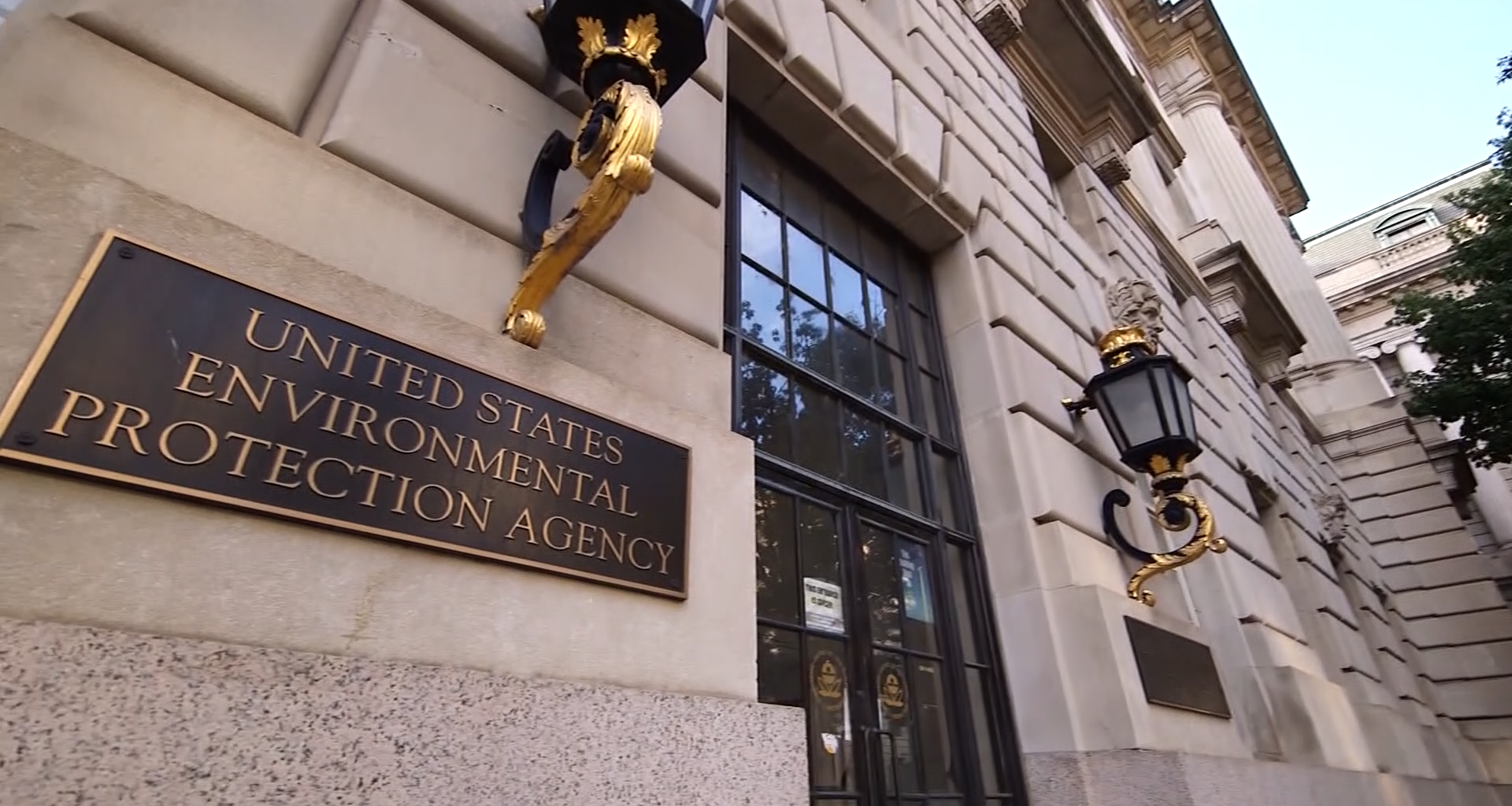
The U.S. Environmental Protection Agency is replacing a draft scientific assessment that warned PFAS, commonly known as “forever chemicals,” in sewage sludge could pose health risks to farming families and rural communities with a shorter guidance document, the agency says, that better reflects real-world conditions.
The move comes as the Trump administration pursues what it has described as one of the largest deregulatory efforts in EPA history, including rolling back or revising several PFAS regulations.
PFAS are a class of man-made chemicals linked to increased risks of certain cancers, immune system effects and other health problems. Because they break down very slowly, they can persist in water, soil and the human body for years.
The latest dispute centers on biosolids — the nutrient-rich material left over after wastewater is treated. Many wastewater treatment plants recycle those biosolids by applying them to farmland as fertilizer. Testing has found PFAS can accumulate in biosolids because conventional wastewater treatment does not remove the chemicals. North Carolina officials found PFOS, one of the most studied PFAS compounds, in 85% of biosolids samples and in every soil sample collected from fields where sludge had been repeatedly applied.
EPA’s previous 272-page draft risk assessment concluded that land application of biosolids containing PFAS could create health risks for people who rely on contaminated farmland for food and drinking water. The draft drew national attention because it suggested contamination levels found in some communities could exceed acceptable health risk thresholds.
Instead of finalizing that assessment, EPA released a nine-page draft guidance document and opened a 60-day public comment period.
The agency said the earlier assessment relied on assumptions that “didn’t reflect real-world conditions closely enough” and pointed to concerns raised during public comments about the risk modeling, the use of data from heavily contaminated industrial sites and what it described as simplified calculations.
“EPA hasn’t concluded there’s no risk,” the agency told WRAL in a statement. “It has concluded the previous document’s quantitative risk findings weren’t reliable enough to serve as the basis for regulation.”
The new guidance still recommends avoiding land application of biosolids near waterways, on land where children play and on crops with higher potential for human exposure.
Jean Zhuang, senior attorney with the Southern Environmental Law Center, said the draft assessment synthesized decades of scientific research and found serious risks to farming families and rural communities.
“Instead of engaging with that science, EPA is trying to downplay the problem,” she said.
Zhuang said the earlier assessment could have helped states strengthen protections against PFAS contamination.
“When the science is there, states can act to protect communities,” she said. “By abandoning that assessment, this administration is getting in the way of protecting people from toxic chemical contamination.”
The debate comes as North Carolina continues grappling with PFAS contamination from multiple sources.State environmental officials have spent years investigating PFAS contamination linked to the Chemours plant near Fayetteville while also studying PFAS found in biosolids generated by wastewater treatment plants. Research has shown industrial discharges can carry PFAS into municipal wastewater systems, where the chemicals become concentrated in sewage sludge because treatment plants are not designed to remove them.
Environmental advocates say stopping PFAS pollution before it reaches wastewater treatment plants is the most effective solution.
“A lot of this contamination isn’t coming from farmers,” Zhuang said. “It’s coming from industrial facilities sending PFAS into wastewater systems. The wastewater plants have the authority to require industries to treat that waste before it enters the sewer system.”
EPA defended its broader approach to PFAS regulation, pointing to nearly $1 billion in federal funding for drinking water improvements, updated destruction and disposal guidance, expanded PFAS testing methods and its settlement with Chemours. North Carolina leaders, including Gov. Josh Stein and Attorney General Jeff Jackson, criticized that settlement, calling it an “insult” to communities affected by PFAS contamination.
The agency rejected criticism that it is weakening protections, saying replacing what it viewed as a scientifically flawed assessment with interim guidance while collecting additional public input is a more responsible approach.
The response did not directly address whether the agency’s revised approach could delay future regulation of PFAS in biosolids.
The biosolids decision is one of several recent PFAS actions drawing scrutiny. Earlier this year, EPA proposed maintaining drinking water standards for PFOA and PFOS while rescinding standards for four other PFAS compounds and extending compliance deadlines. The agency has also faced criticism from environmental groups over recent pesticide approvals involving fluorinated compounds that EPA says do not meet its regulatory definition of PFAS.