
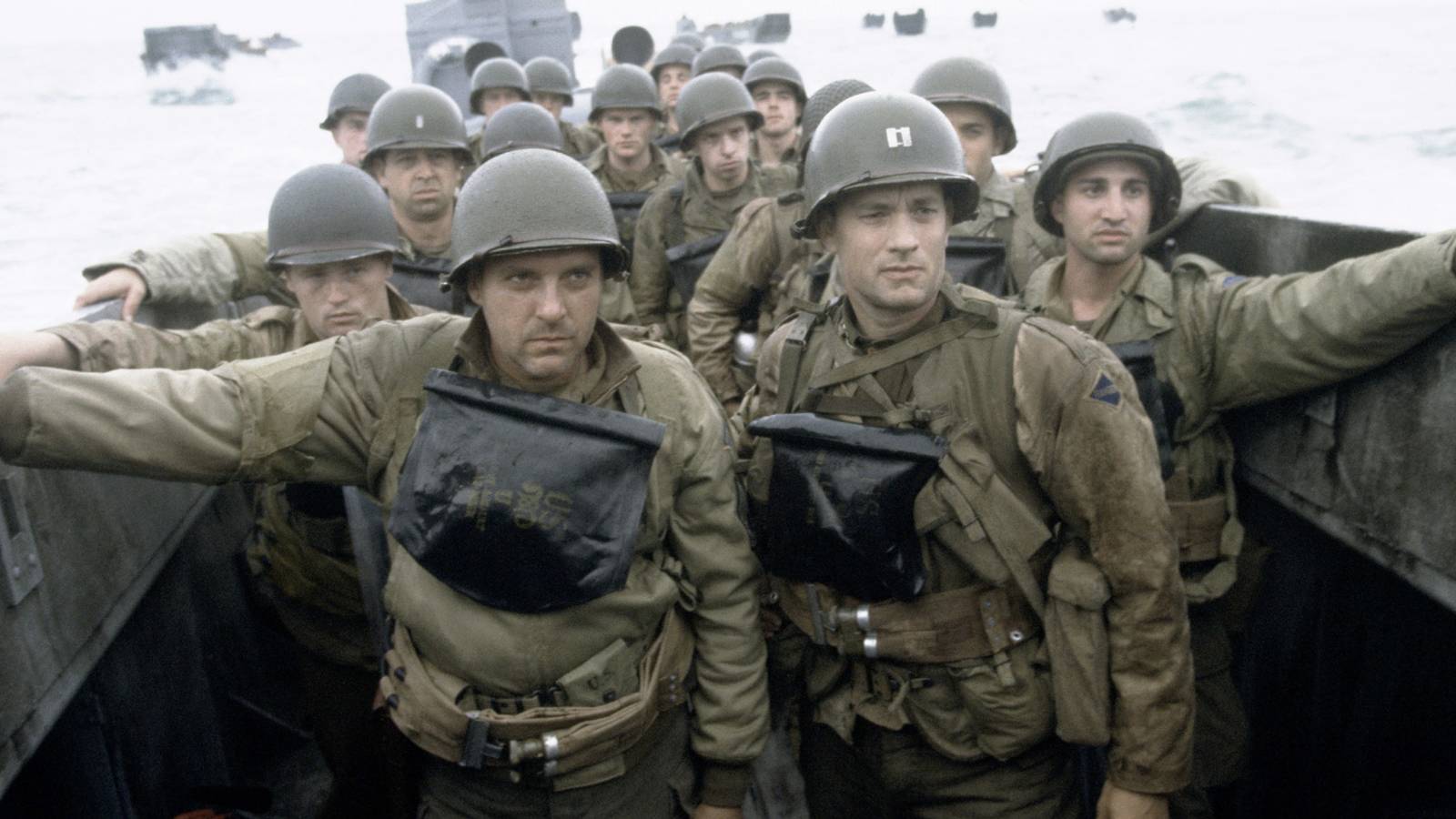
Steven Spielberg has dabbled in nearly every genre of film and television. Whether he’s directing or producing, the legend has made his mark in drama, action, and sci-fi. One topic he’s revisited over the years is war. The director has been at the helm of some of the greatest war movies of all time and, arguably, one of the worst. Spielberg has also brought his fascination with human conflict to television, championing shows like Band of Brothers and Masters of the Air.
Through each project, he highlights different wartime eras and conveys the emotional weight of conflict and the visceral nature of combat. Whether directing or producing, Spielberg has continued to impress audiences and push himself as a filmmaker. This ranking will focus on the overall quality of the story and characters, while also factoring in Spielberg’s craftsmanship and even personal journey.
Why You Should Trust Me: I cover a range of movie and TV topics, with a longstanding love of Spielberg, having grown up with Indiana Jones and Jurassic Park. After publishing hundreds of articles on Spielberg, rating over 9,000 titles on Letterboxd, and cultivating expertise in war movies, the only issue will be keeping myself from being long-winded.
10
‘1941’ (1979)
Spielberg’s First War Movie Was a Screwball Comedy of Errors
Universal
IMDb Score
5.7/10
Rotten Tomatoes Critics/Audience Score
37%/48%
Wartime Era
World War II — “The Battle of Los Angeles,” 1942
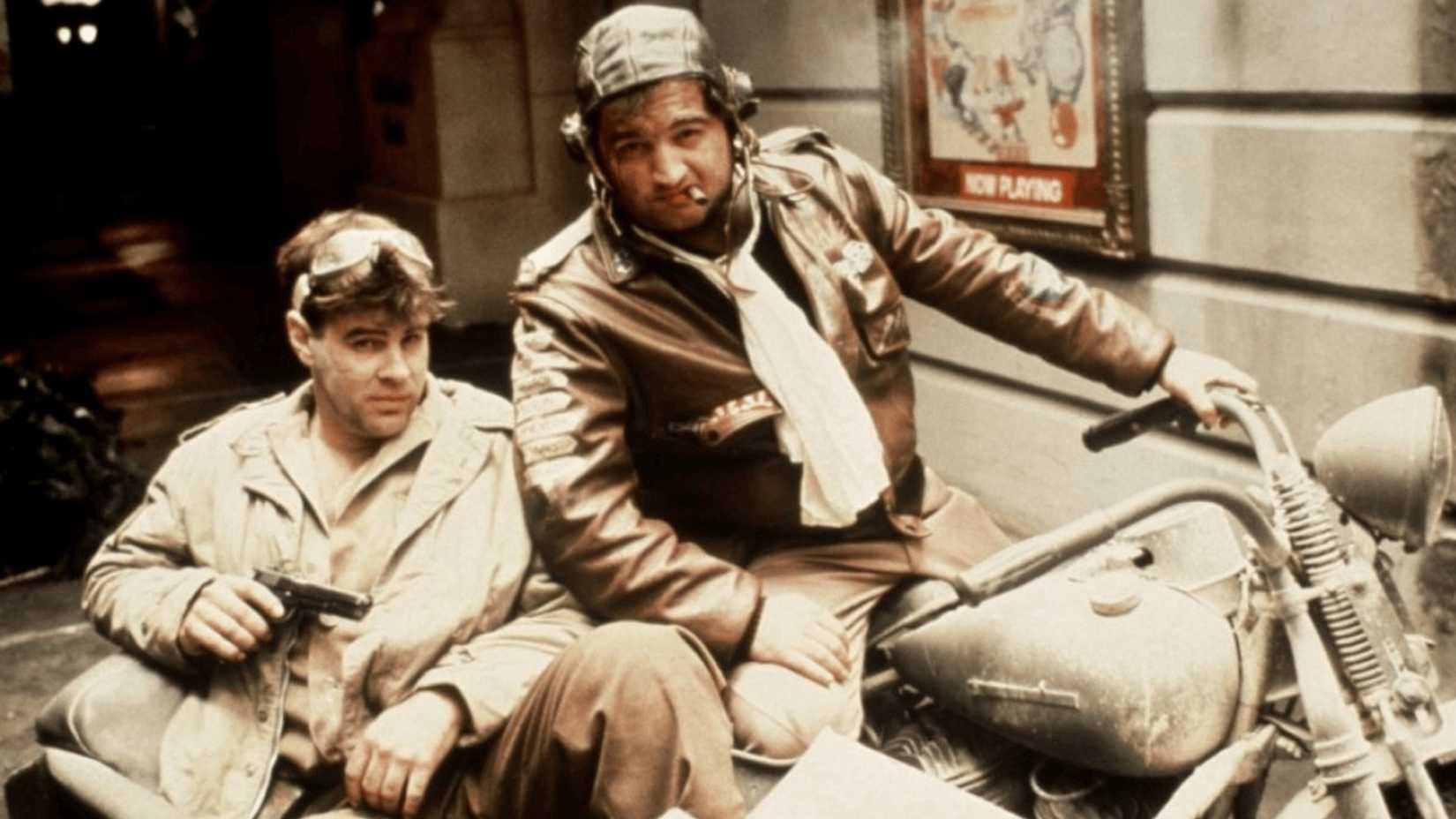
Spielberg had hit it big with Jaws, and Close Encounters of the Third Kind continued to impress audiences just a few years later. But when 1941 came along, Spielberg hit a snag in quality, suggesting he may not have the deft hand it takes to mix war and comedy. Even so, it served as a lesson for the future. Everything about 1941 should have helped it succeed. Spielberg had John Williams working on the score, one of the movie’s standout elements, and even the cast was primed to make it a surefire hit.
John Belushi and Dan Aykroyd are front and center, with Ned Beatty and Christopher Lee lending their talents. Still, even with enjoyable spectacles like the dance hall fight or the Ferris Wheel finale, the story was a mess, with too many subplots, making it hard for audiences to connect with it. 1941 was a bold idea, but the big-budget screwball comedy was a rare misfire for Spielberg, and one that is very easy to place at the bottom of the list.
9
‘War Horse’ (2011)
Fantastic Battles Shine in a Disjointed, Overly Melodramatic Effort
Disney/Amblin
IMDb Score
7.2/10
Rotten Tomatoes Critics/Audience Score
74%/74%
Wartime Era
World War I — 1912-1918
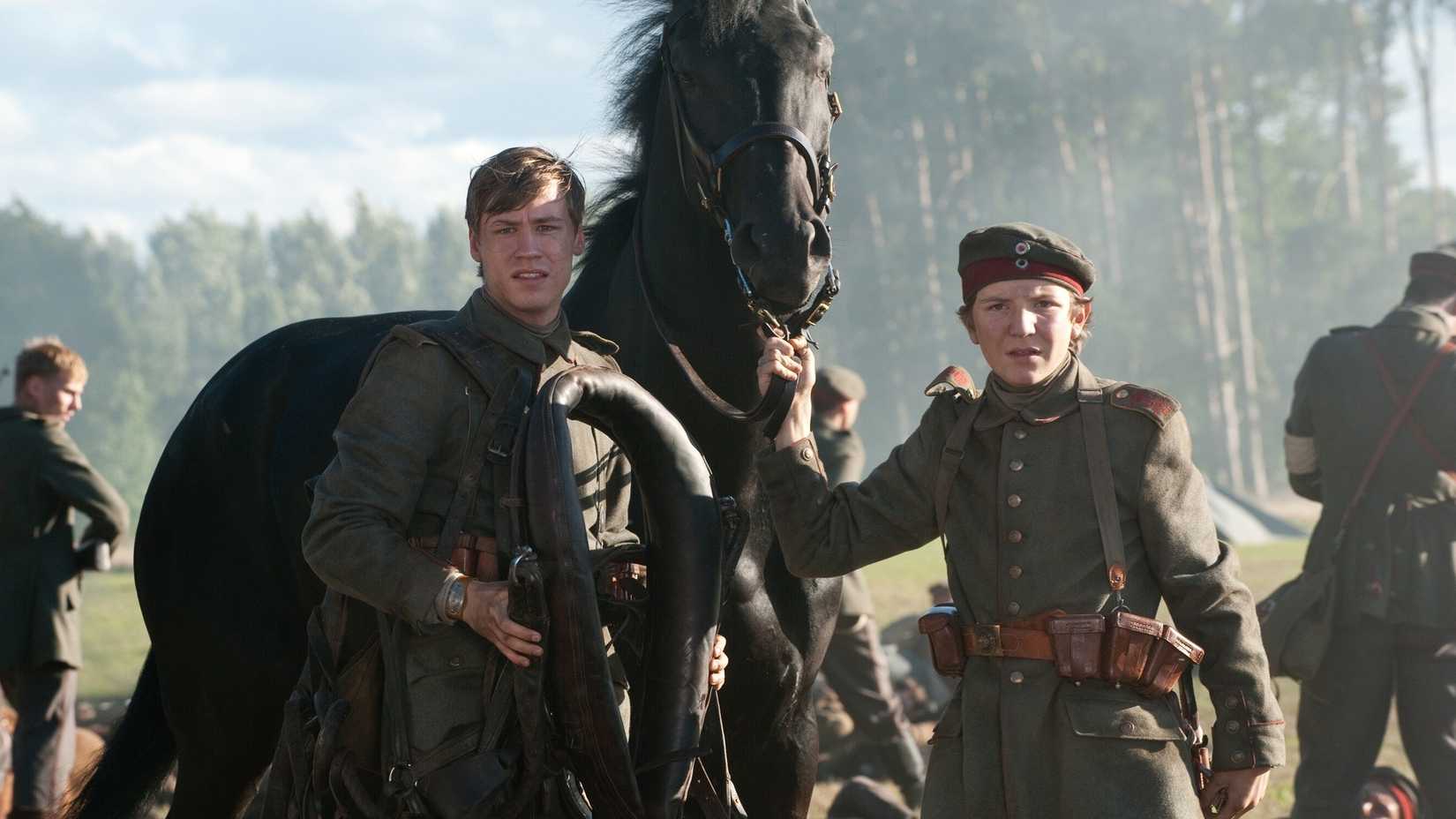
War Horse is defined by its central concept: Joey, the horse, is the film’s protagonist. The synopsis may say the story is about Albert, who enlists after his horse is sold to the cavalry, but that is only where Joey’s journey begins. Throughout the film, audiences experience the war along with the horse as he bounces between owners. While this offers a bold narrative device, the almost episodic structure feels designed to elicit maximum emotional effect through manipulative tactics rather than a stronger script.
That said, War Horse has redeeming qualities. The cast is absolutely fantastic, including Benedict Cumberbatch, Emily Watson, and Tom Hiddleston. Plus, Spielberg and cinematographer Janusz Kamiński craft some spectacular battles, with the No Man’s Land sequence being a standout, and Williams’ score is also a welcome addition. Still, compared to the director’s other war projects, it’s hard to rank War Horse higher.
8
‘Masters of the Air’ (2024)
Spielberg’s WWII Series Is Great, but Still the Weakest of His TV Trilogy
IMDb Score
7.8/10
Rotten Tomatoes Critics/Audience Score
85%/73%
Wartime Era
World War II — European Theater 1943-1944
Masters of the Air is the third WWII-focused TV series produced by Spielberg, following Band of Brothers and The Pacific. The 9-episode miniseries follows the 100th Bomb Group, a Boeing B-17 Flying Fortress heavy bomber unit. Given the subject matter, the aerial combat sequences are spectacular, capturing the high stakes of each mission and the tension in the claustrophobic confines of a B-17. The cast is fantastic, featuring Austin Butler and Barry Keoghan, who help drive home the emotional character work.
After The Pacific chose to follow multiple Marine Divisions, Masters of the Air wisely sticks to a single unit, much like Band of Brothers. Still, it suffers from character development issues, and the pacing in the later episodes can feel rushed, which makes it odd that it’s the only war series produced by Spielberg that doesn’t have 10 episodes. The show also doesn’t feel like it carries the same overall tone as his prior war shows, with much of the dialogue coming off as cliché. There is a lot to love about Masters of the Air, but it doesn’t quite soar to the heights of its predecessors.
7
‘Lincoln’ (2012)
Daniel Day-Lewis Is Phenomenal, the Pacing Is Problematic
Daniel Day Lewis as Abraham Lincoln in Lincoln (2012)20th Century Studios
IMDb Score
7.3/10
Rotten Tomatoes Critics/Audience Score
90%/80%
Wartime Era
Civil War — Specifically 1865
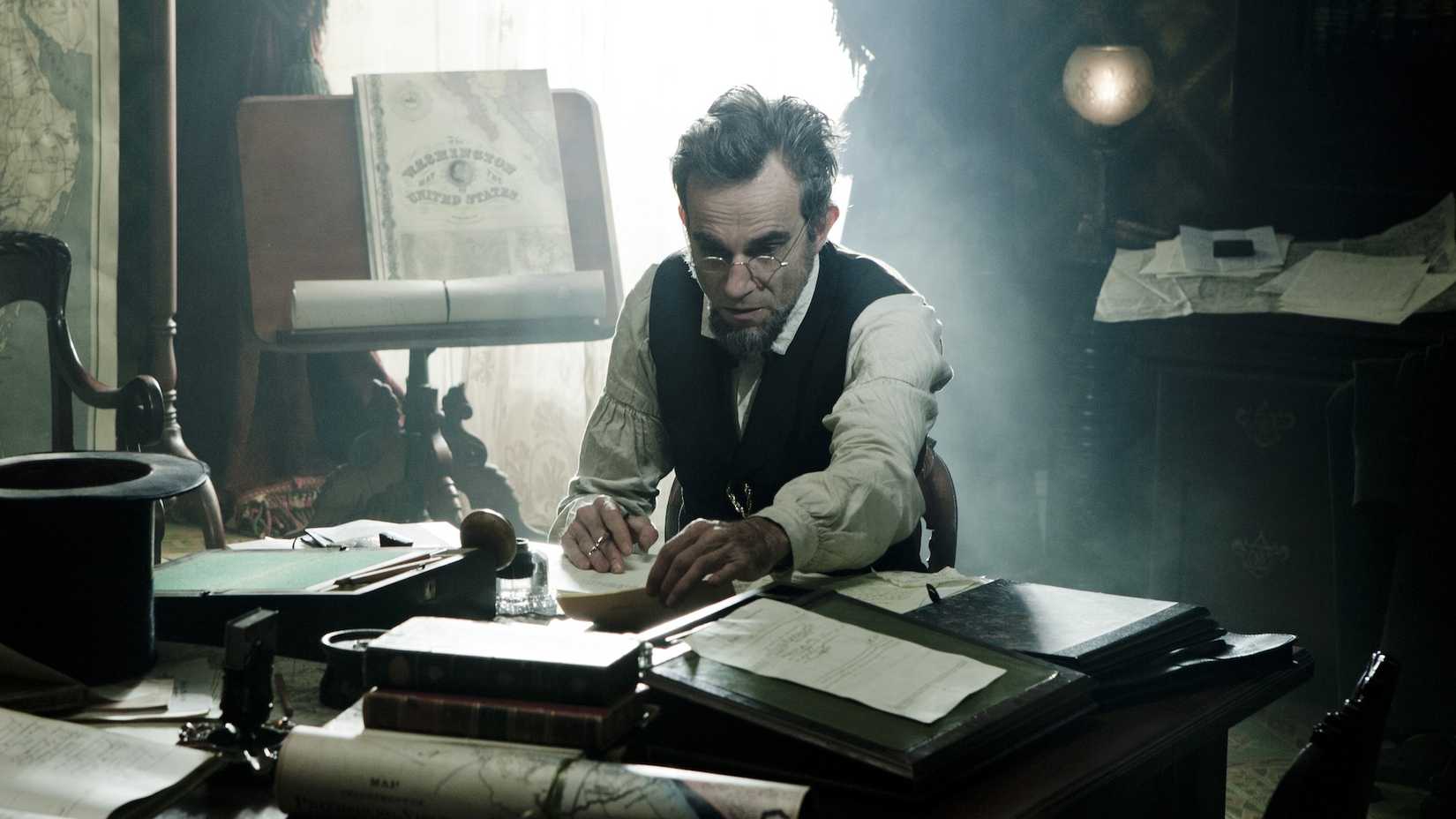
Daniel Day-Lewis gives a stellar performance as Abraham Lincoln, and the film’s greatest strength is his transformation into the role. His nuances and accent help the actor disappear into the character, which he plays with a wise, weathered charisma. Spielberg highlights Lincoln’s folksy stories and commanding yet humble presence with masterful ease, allowing audiences to slip into each tale and become engrossed as the performance carries the scene. Even the politics can be thrilling, with the movie delving into the backroom handshakes and bribery needed to pass legislation.
With 12 Academy Award nominations and two wins, including Best Actor for Day-Lewis, there is no denying that Lincoln is a fantastic film. The biggest criticism the movie tends to face is its deliberate pacing, which keeps it from ranking higher despite the critical acclaim. This is not an action-packed war epic by any means, but rather a political thriller playing out during a war. Lincoln is rife with heavy dialogue scenes that allow the acting to shine, but can often feel like dry history. Ultimately, the film’s pacing, not its performances, is what keeps it from perfection.
6
‘Bridge of Spies’ (2015)
Spielberg Brings Tense Espionage to Stellar Coen Brothers Dialogue
Walt Disney Studios
IMDb Score
7.6/10
Rotten Tomatoes Critics/Audience Score
91%/87%
Wartime Era
Cold War — Specifically, 1957–1962
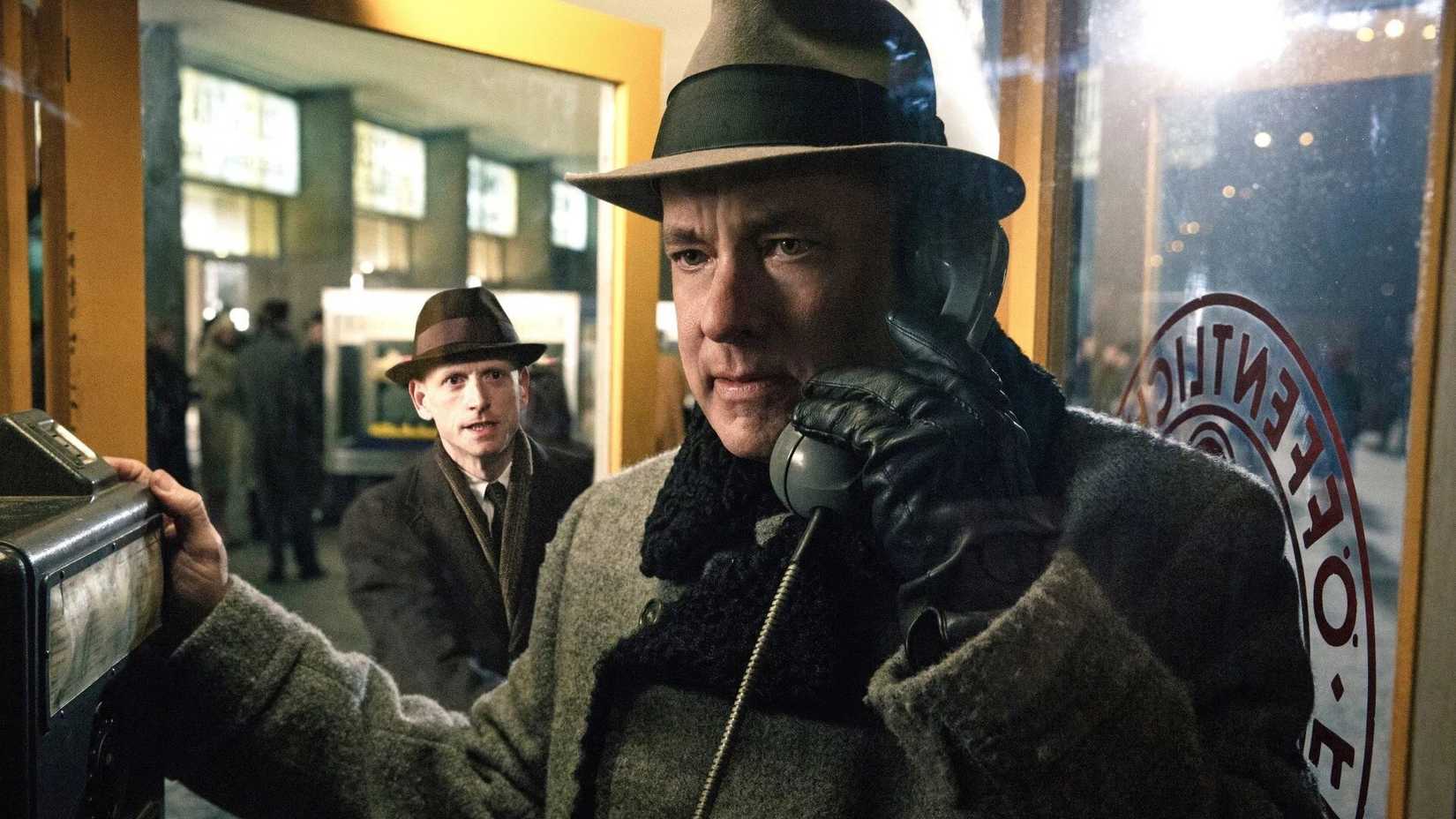
Joel and Ethan Coen co-wrote Bridge of Spies, sharpening the film’s emotional core through the impressive chemistry between James Donovan (Tom Hanks) and Rudolf Abel (Mark Rylance). Their endearing bond feels genuine, creating a deep emotional impact and excellent tension. Bridge of Spies earned six Academy Award nominations, and Rylance’s win brought the accomplished actor much-deserved attention.
Bridge of Spies is a Cold War-era espionage thriller that focuses on characters and global stakes rather than on battles. It’s the great moments of verbal sparring during negotiations and political intrigue that highlight the dealings surrounding such a complex prisoner exchange, when tensions between countries couldn’t have been higher. Some have criticized the film’s pacing, as it leans into a dialogue-heavy drama with an inevitable ending. Still, Spielberg wasn’t out to make an action movie, letting Bridge of Spies easily earn its spot.
5
‘Empire of the Sun’ (1987)
Spielberg and Christian Bale’s First Great War Movie
Warner Bros.
IMDb Score
7.7/10
Rotten Tomatoes Critics/Audience Score
75%/90%
Wartime Era
World War II — Pacific Theater 1941-1945 (Shanghai, China)
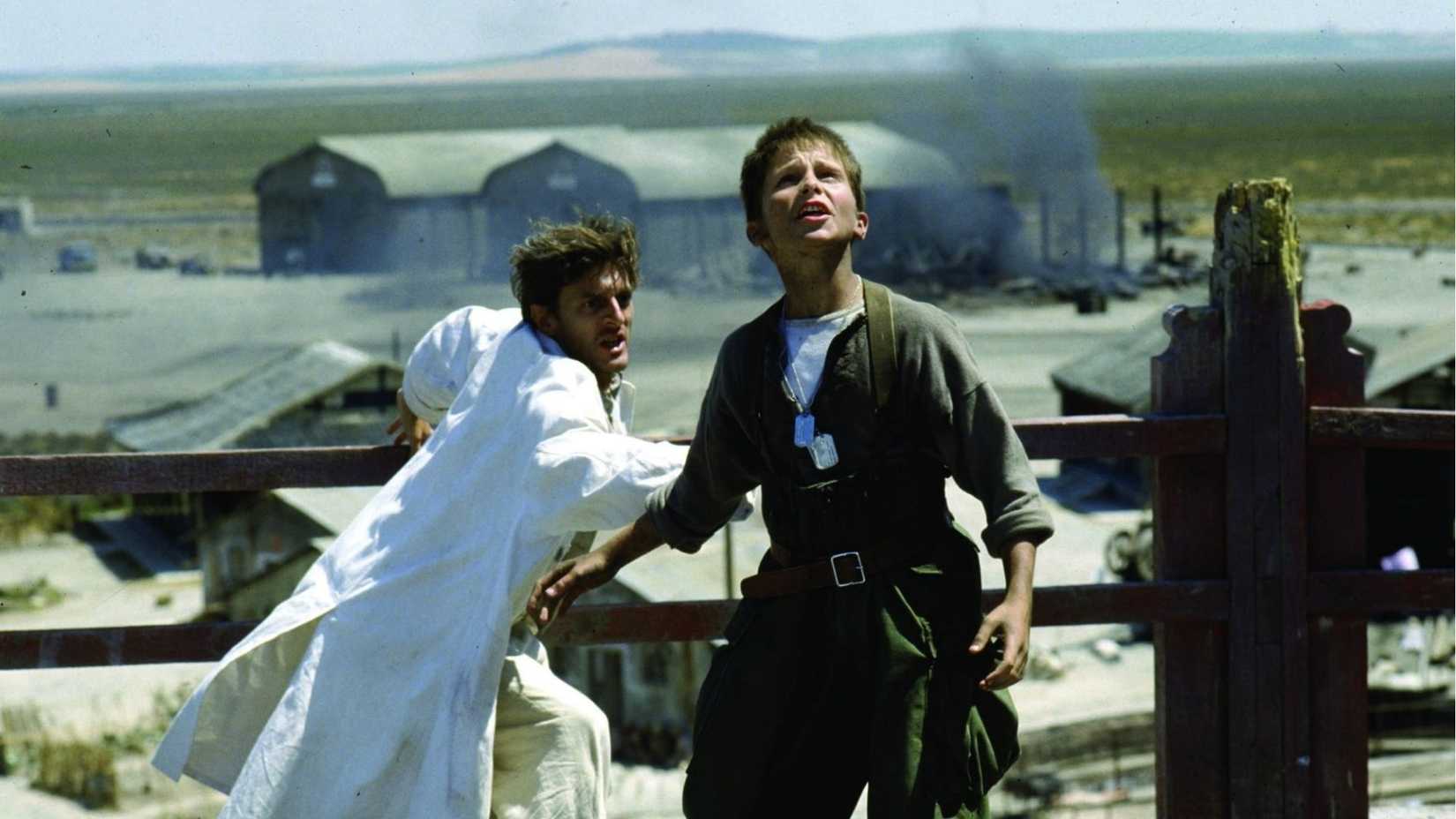
Christian Bale delivers a fantastic performance, carrying Empire of the Sun at just 13 years old. The young actor brings nuance that underscores the film’s central transformation, as Jim moves from spoiled rich kid to hardened survivor. The movie depicts events like the fall of Shanghai, with Bale’s character spending years in a prison camp. As the war rages outside, audiences watch the harrowing story of those who must fight to survive, with the second act focusing on daily struggles.
While some feel life in the camp drags the story down, keeping it from embracing a traditional plot in favor of character work, Empire of the Sun remains a breathtaking war drama. The child’s perspective makes the experience even harsher, creating a haunting portrayal with often poetic visuals that gave Spielberg his first great foray into the genre.
4
‘The Pacific’ (2010)
Spielberg Gives WWII’s Pacific Theater the ‘Band of Brothers’ Treatment
HBO
IMDb Score
8.3/10
Rotten Tomatoes Critics/Audience Score
89%/91%
Wartime Era
World War II — Pacific Theater 1941-1945
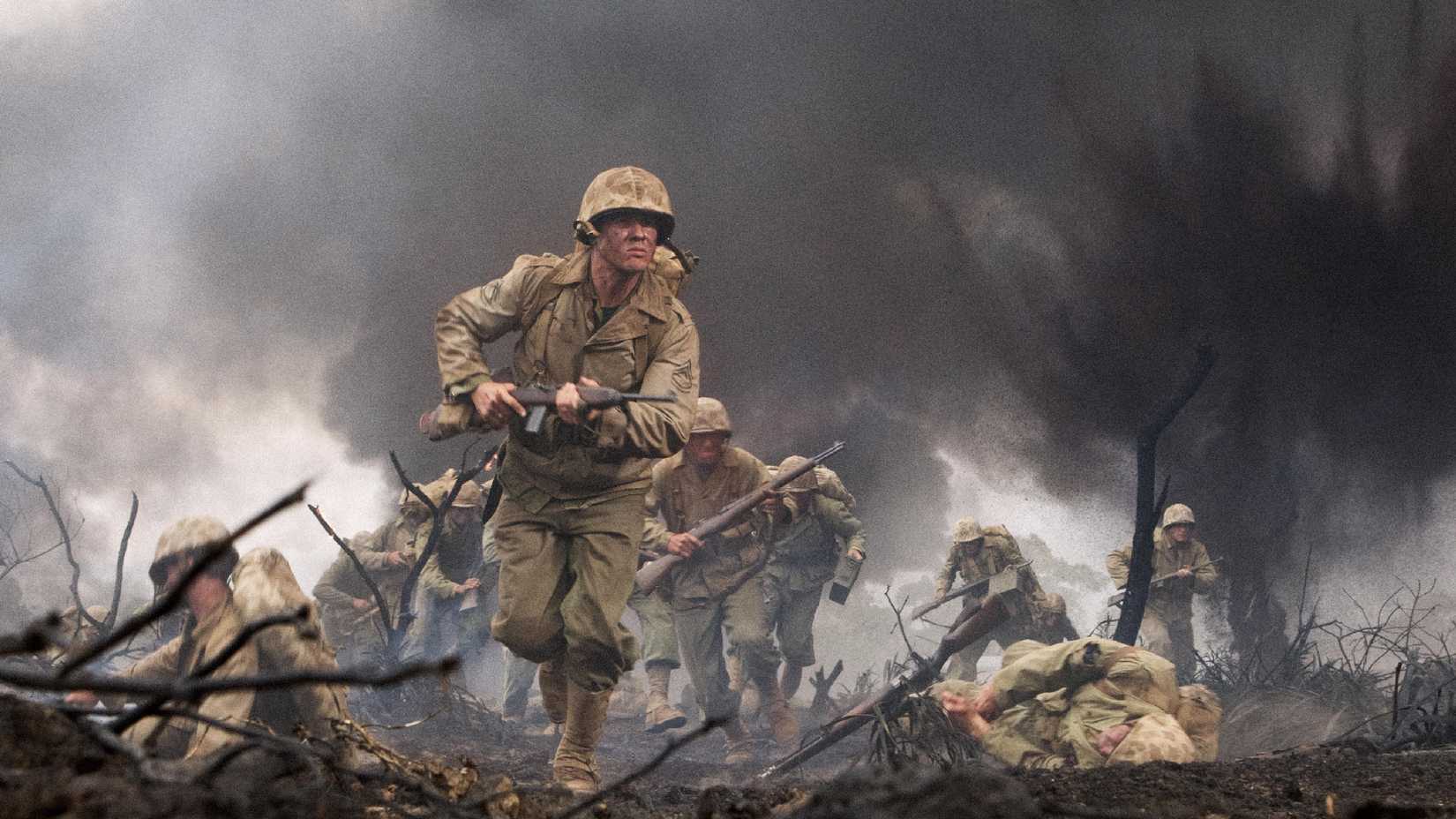
The Pacific embraces the same aesthetics as Saving Private Ryan and Band of Brothers, letting the gritty, visceral nature of combat bring the story to life. Rather than following a single regiment, the 10-episode miniseries follows characters across several Marine Divisions. The cast is great, the battle sequences are impeccable, and the series excels at creating palpable psychological tension, often feeling like Apocalypse Now with Spielberg’s sensibilities.
While the series is still an impressive feat packed with astute attention to detail and unparalleled production values, it doesn’t quite have the same lasting camaraderie as Band of Brothers. Following several different divisions rather than a single company fractures narrative harmony, keeping audiences from reaching the same level of emotional investment because the stakes differ across the board. The Pacific also feels more overtly bleak, lingering on lasting horrors rather than inspiring brotherhood.
3
‘Saving Private Ryan’ (1998)
‘Saving Private Ryan’ Should Have Won the Academy Award for Best Picture
DreamWorks
IMDb Score
8.6/10
Rotten Tomatoes Critics/Audience Score
94%/95%
Wartime Era
World War II — European Theater 1944 (D-Day)
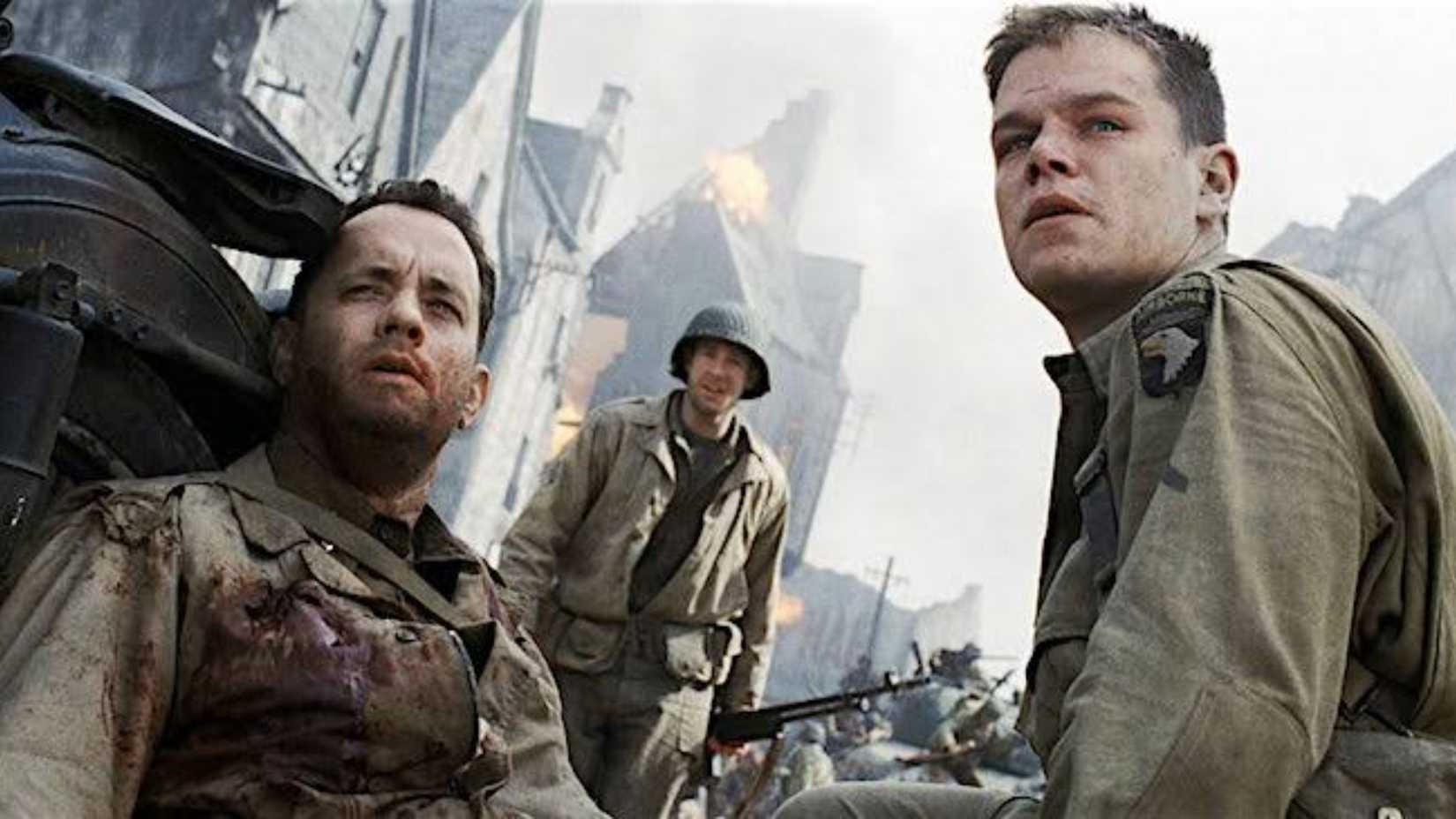
The opening scene of Saving Private Ryan depicts the storming of the beaches of Normandy in France, immediately framing war as human rather than heroic. The tension is palpable, and audiences are locked into the stakes before the first shot is even fired. When the action starts, there is no glorious warfare to be seen. Instead, Spielberg crafts a visceral, bloody nightmare that pulls audiences into the true, hellish nature of combat. The characters and performances help bring the emotional stakes home as the story poses profound moral questions to the audience. During such violent times, is risking the lives of several men worth saving just one?
While the futility of war feels pervasive throughout, the film’s power lies in reframing combat from spectacle to terror. That shift brings audiences into battle like never before. Saving Private Ryan received 11 Academy Award nominations, winning 5, including Best Director for Spielberg. Shakespeare in Love took Best Picture in a surprising upset for Spielberg’s war movie masterpiece.
2
‘Band of Brothers’ (2001)
The Greatest War TV Series of All Time Was Produced by Spielberg and Tom Hanks
IMDb Score
9.4/10
Rotten Tomatoes Critics/Audience Score
94%/97%
Wartime Era
World War II — European Theater 1942-1945
Band of Brothers is a 10-episode miniseries that brought Spielberg’s gritty realism from Saving Private Ryan to television. The story follows Easy Company, 506th Parachute Infantry Regiment, as they train for and deploy to Europe during WWII, and many historians praise the show’s meticulous attention to detail. The deep character bonds and emotional storytelling help convey the harsh realities of war. Whether losing friends in combat or enduring harsh elemental conditions, Easy Company never seemingly had it easy, and that hits audiences in each brilliant episode.
One choice that set the HBO series apart was opening each episode with real interviews featuring the men the story is based on. There is no better way to humanize the stakes than by seeing the men who survived it. Band of Brothers was nominated for an astounding 20 Primetime Emmy Awards, winning seven, including Outstanding Miniseries. It also won the Golden Globe for Best Miniseries, further cementing the show as a masterpiece in Spielberg’s career and in depictions of war on TV.
1
‘Schindler’s List’ (1993)
A True Masterpiece in Every Sense of the Word
Schindler’s ListUniversal Pictures
IMDb Score
9.0/10
Rotten Tomatoes Critics/Audience Score
98%/97%
Wartime Era
World War II — European Theater 1939-1945 (German Invasion of Poland)
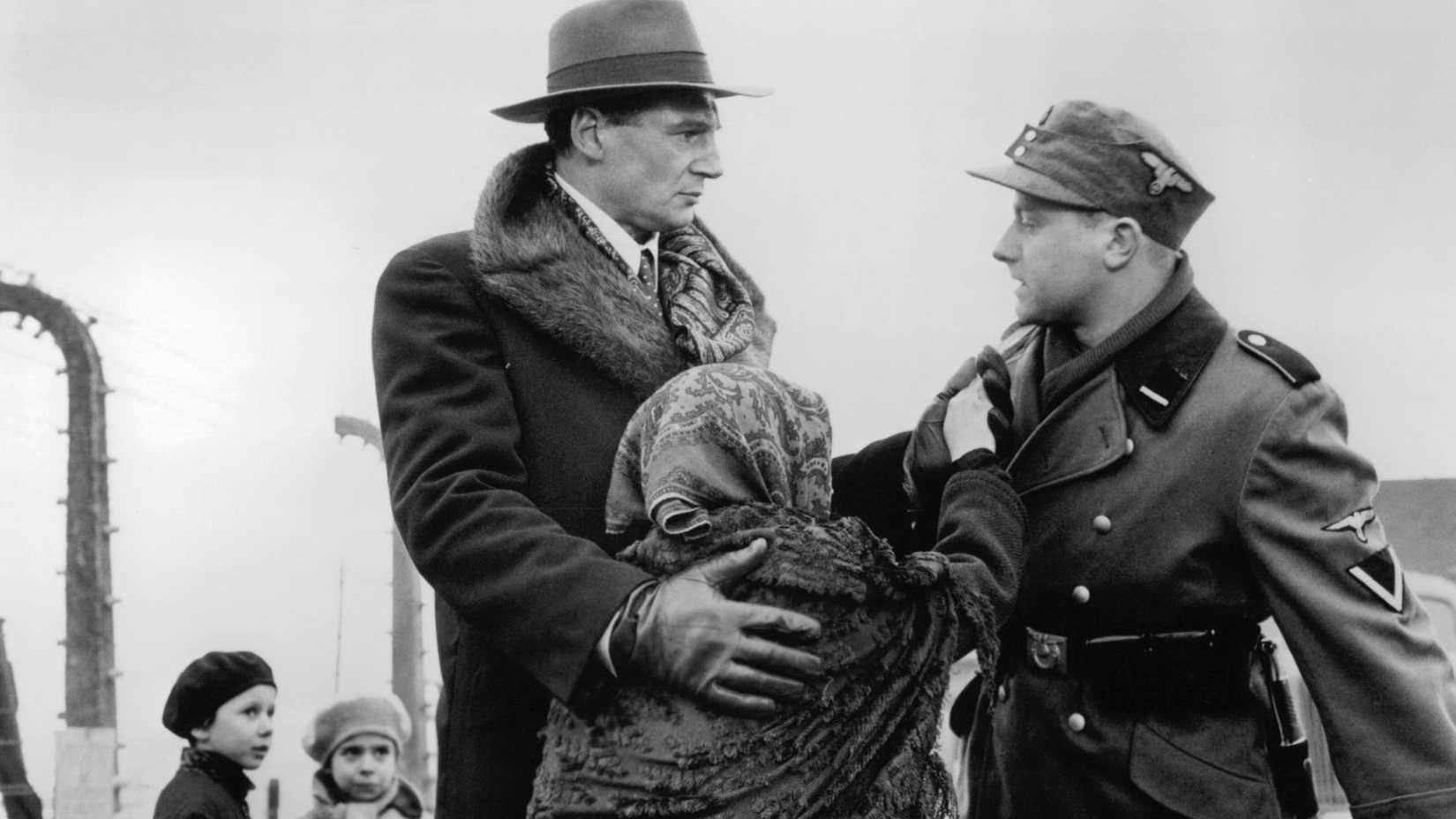
Schindler’s List isn’t just Spielberg’s best war movie; it’s his most personal, arduous, and expertly crafted film. Spielberg captures the harrowing Holocaust tale with an unflinching realism that many find difficult to watch, and that difficulty is part of the artistry. The film’s harshness makes its warning clear: if war is too difficult to watch, an empathetic audience may think twice before committing such acts. It’s a grandiose notion, but Schindler’s List is a harsh history lesson that urges audiences to learn from the past and not repeat such atrocities.
The cast gives career-best performances, with Ralph Fiennes’ Amon Göth still considered one of cinema’s greatest villains for his callousness toward humanity. The movie was nominated for 12 Academy Awards, winning seven, including Best Picture and Best Director for Spielberg. Battling through the depressing production to craft the masterpiece wasn’t enough; the director also juggled post-production on Jurassic Park at the same time. The praise heaped upon Schindler’s List is no mistake, and it remains the director’s best war movie.