
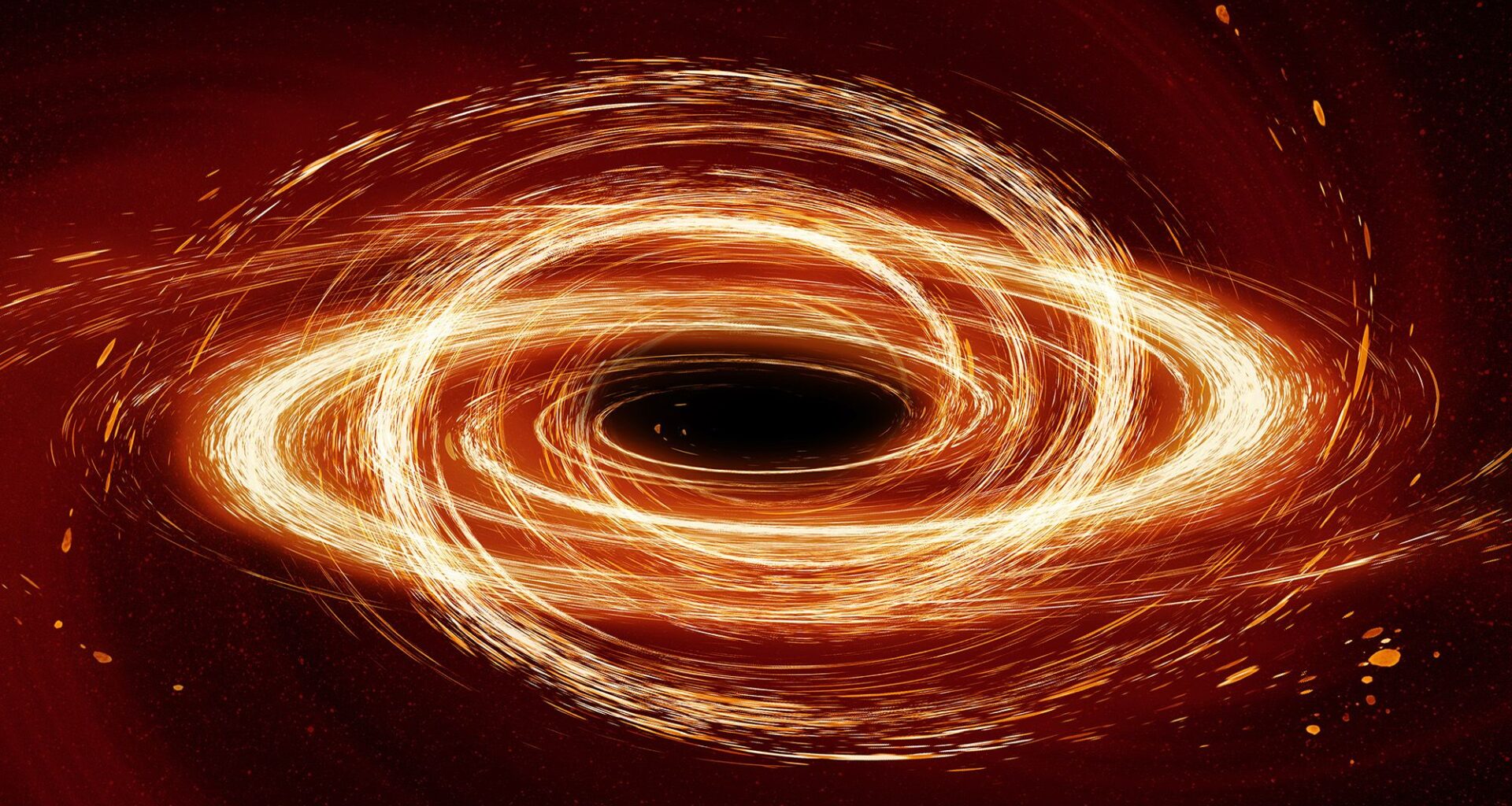
Physicists have coaxed a black hole’s most famous glow out of a strand of optical fiber and, for the first time, watched that light react back on the simulated black hole that produced it.
The result gives researchers a rare, hands-on look at Hawking radiation — the faint thermal emission that Stephen Hawking predicted should leak out of black holes — and offers a first clue about the tiny push that could, in principle, make a real black hole slowly evaporate, the research team said in a new study.
Latest Videos From
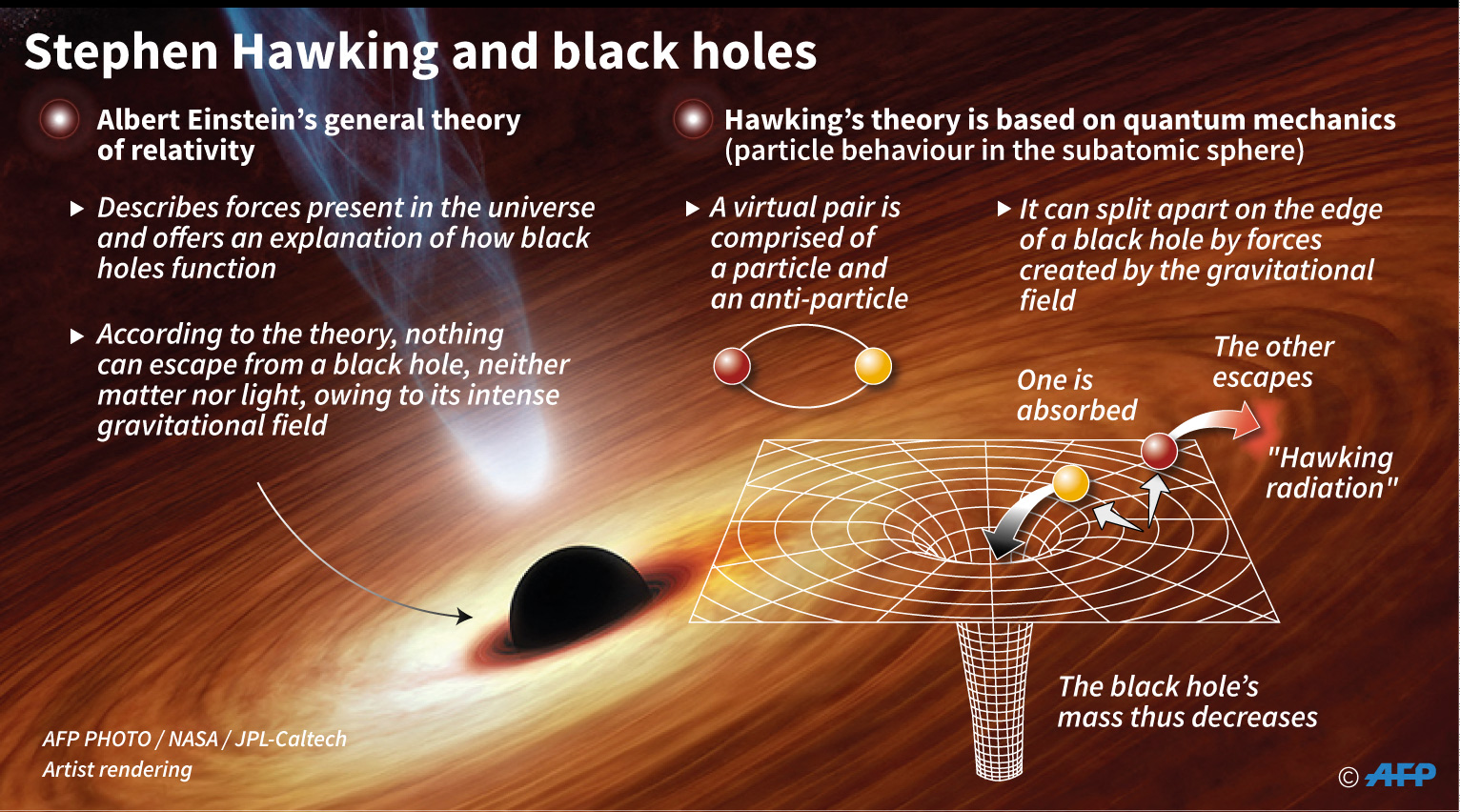
An infographic explaining how Hawking radiation works, contrary to the predictions of general relativity.
(Image credit: ALAIN BOMMENEL,VALENTINA BRESCHI,WILLIAM ICKES via Getty Images)
Where three great theories collide
You may like
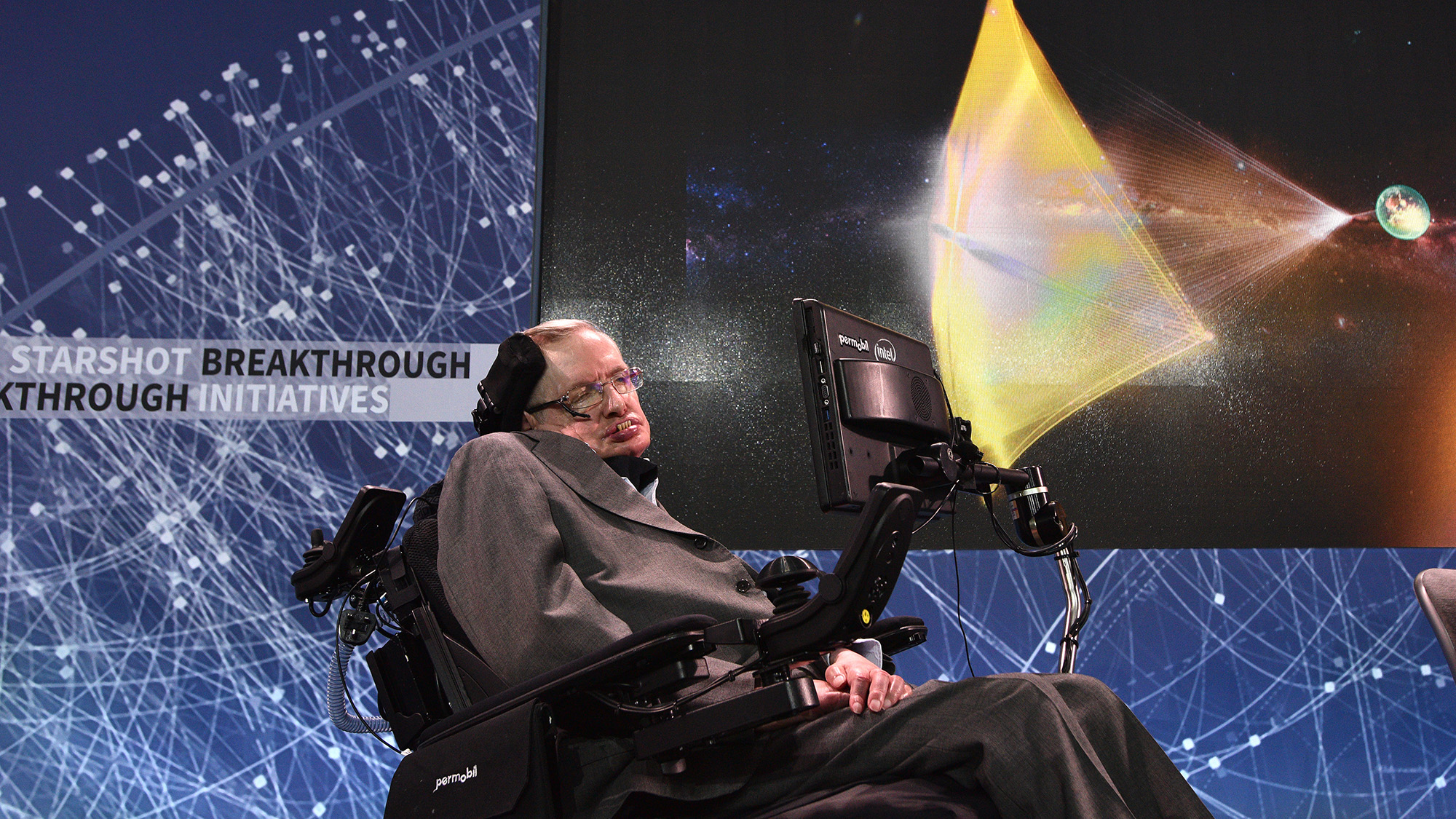
Physicist Stephen Hawking that black holes should be able to lose information through an elusive type of radiation. New research zooms in on the mechanism that makes it possible.
(Image credit: Bryan Bedder / Stringer via Getty Images)
Building a black hole from light
What to read next
Catching the glow and its pushback
The road to a quantum experiment
Procopio, L. M., Aguero-Santacruz, R., Bermudez, D., & Leonhardt, U. (2026). Backreaction of stimulated Hawking radiation in an optical analogue. Nature, 655(8122), 336–341. https://doi.org/10.1038/s41586-026-10720-3