
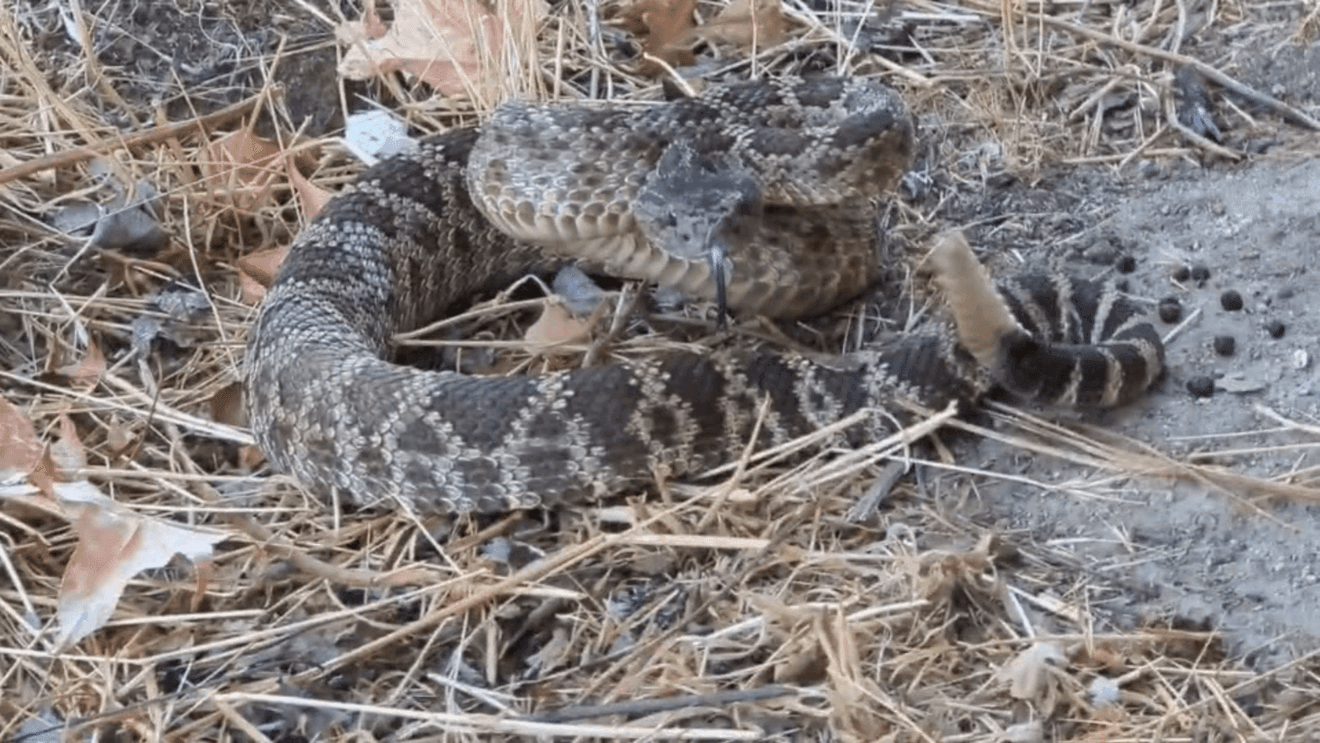
FRESNO, Calif. (FOX26) — The sound of a rattlesnake’s rattle is a familiar warning for people living in the mountains, and for a cat haven team in Dunlap, it can mean a life-or-death emergency for the animals in their care.
“It’s what you you know learn to deal with when you live up here. That’s what you do,” Dale Anderson, founder of Project Survival’s Cat Haven, said.
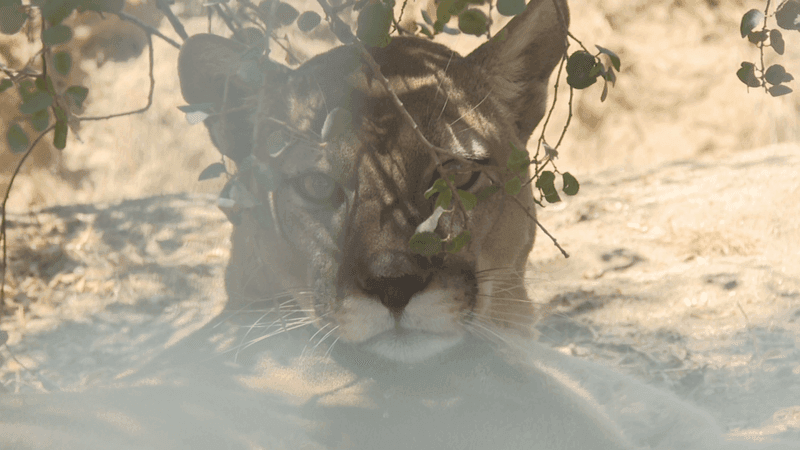
The sound of a rattlesnake’s rattle is a familiar warning for people living in the mountains, and for a cat haven team in Dunlap, it can mean a life-or-death emergency for the animals in their care (PHOTO: PHOTOJOURNALIST JOHN DWELLE).
California is home to seven species of rattlesnakes, and Anderson said his team has dealt with bites over the years.
California is home to seven species of rattlesnakes, and Anderson said his team has dealt with bites over the years (VIDEO: DALE ANDERSON).
“We’ve had probably five or six cats that have been bit over the years, one of my servals not this one, but a different serval’s been bit four times,” Anderson said.
Just this past week, Anderson said a 4-year-old serval named Bahati was bitten.
When the veterinarian realized the venom had spread to 40 percent of Bahati’s blood cells, the animal was rushed to receive anti-venom.
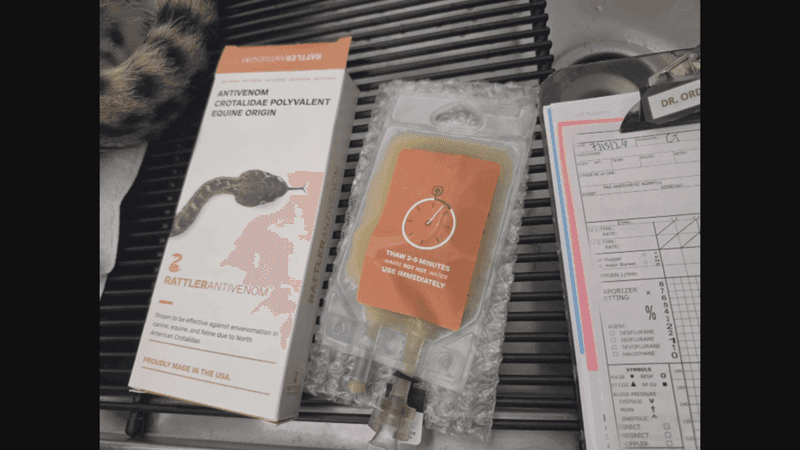
When the veterinarian realized the venom had spread to 40 percent of Bahati’s blood cells, the animal was rushed to receive anti-venom (PHOTO: DALE ANDERSON).
“It’s not a shot. Actually a drip system that they use and it gets put into a system you have to take it easy and anti-venom’s still got venomous qualities to it,” Anderson said. “So you have to be very careful when you give them the anti-venom.”
Anderson said he and his team are trained on how to properly catch and release rattlesnakes, and he urged people to know what to do if they hear a rattle nearby.
Dr. Rais Vohra with the Fresno County Department of Public Health said one step after a bite is to wrap it in an effort to slow the venom’s spread.
“You’re trying to stop the spread of the venom,” Vohra said.
Vohra said a hospital can remove the wrapping, assess the injury and track swelling.
“At the hospital they can remove all of this (wrapping), assess what’s going on, mark the swelling maybe with a pen, maybe even ultrasound the area to make sure they know what the damage looks like on an ultrasound,” Vohra said. ” And then they can basically apply the anti-venom as soon as possible.”
In Prather, a community member said his dog was recently bitten and rushed to the vet. After receiving anti-venom and treatment, the lab survived, but the owner paid a couple thousand dollars.
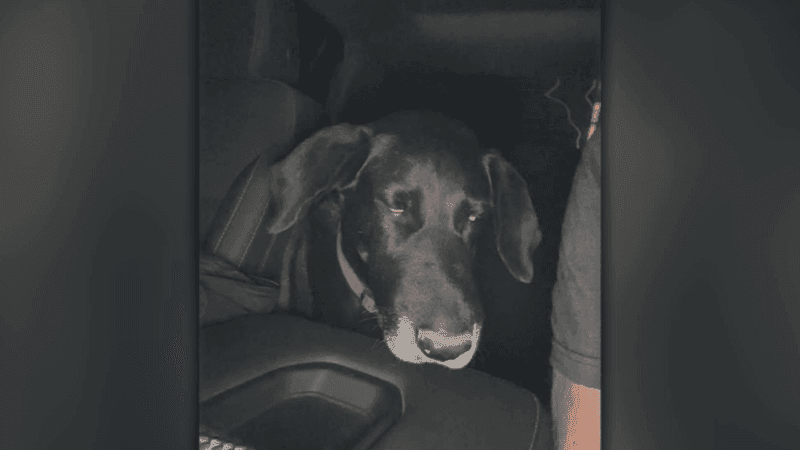
In Prather, a community member said his dog was recently bitten and rushed to the vet. After receiving anti-venom and treatment, the lab survived, but the owner paid a couple thousand dollars (PHOTO: TIM ADAMS).
Health officials said people should never cut, suck, or apply a tourniquet to a snake bite and should get help immediately. For poison-related questions or help, call 1-800-222-1222.