
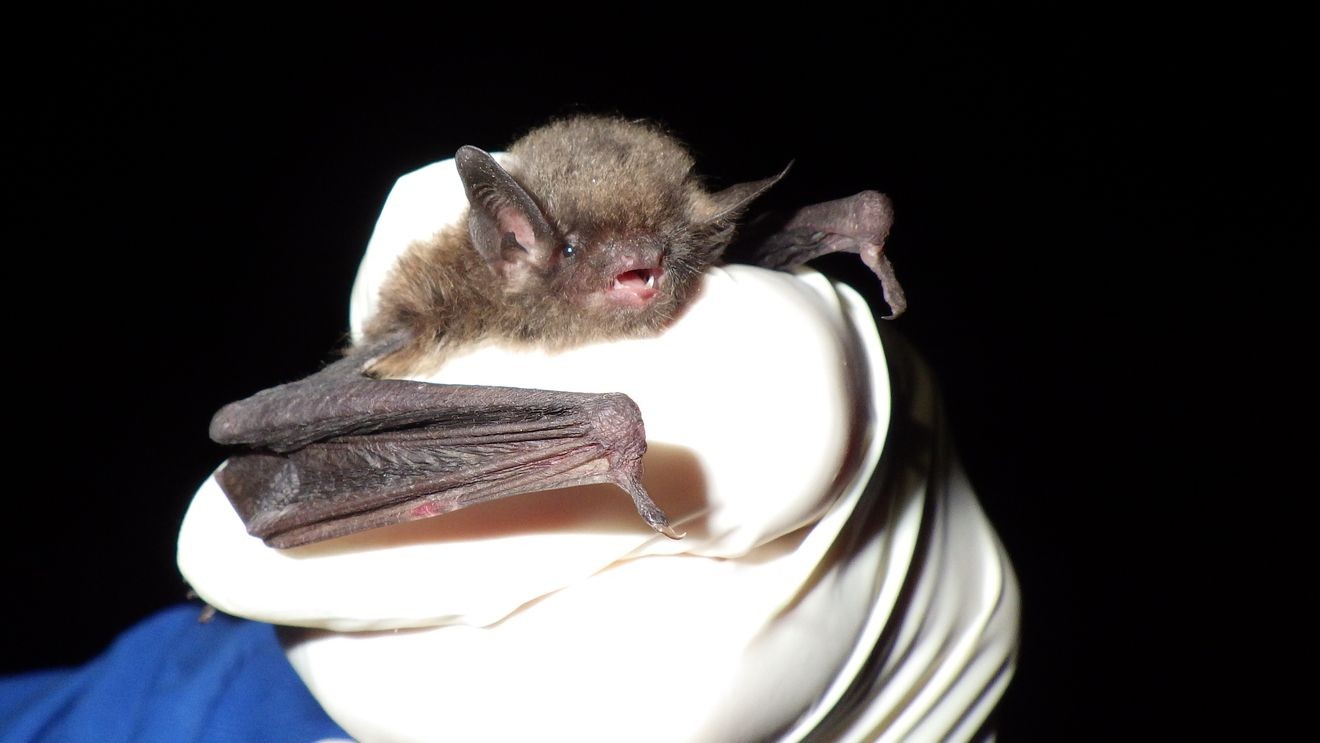
GRAHAM COUNTY, N.C. (WCTI) — Biologists with the North Carolina Wildlife Resources Commission and partner agencies made an unexpected discovery while searching for bat colonies surviving white-nose syndrome in the Nantahala National Forest.
According to the commission, biologists discovered Indiana bats, a federally endangered species that had not been captured during mist netting surveys in North Carolina since 2015.
We had recently captured little brown bats, another WNS-susceptible species, in the area and expanded our survey effort in the hopes of catching more little brown bats and possibly other WNS-survivor species,” said NCWRC bat biologist Katherine Etchison.
Etchison said the discovery was a surprise after years of surveys without Indiana bat captures.
NORTH CAROLINA MAN CHARGED BY STATE WILDLIFE AGENCY WITH ILLEGALLY CAPTURING BLACK BEARS
Biologists captured five reproductive female Indiana bats. Two were radio-tagged and tracked to a roost in a dead Eastern hemlock tree in the Joyce Kilmer-Slickrock Wilderness Area.
The commission said the roost is a maternity site, and 24 bats were counted leaving the roost at sunset.
“This was a big find for us,” Etchison said. “So, we’re thinking ahead to the steps we can take to learn more about this Indiana bat colony.”
White-nose syndrome was first found in North Carolina in 2011 and has had severe impacts on mountain bat populations, according to the commission. The disease has killed an estimated 6.7 million bats since 2006 and affects seven bat species in North Carolina.
The commission said Indiana bats are beneficial because they eat insects and help provide ecological benefits to agriculture. They were listed as federally endangered in 1967.
Future monitoring and research efforts for the colony are being planned.