
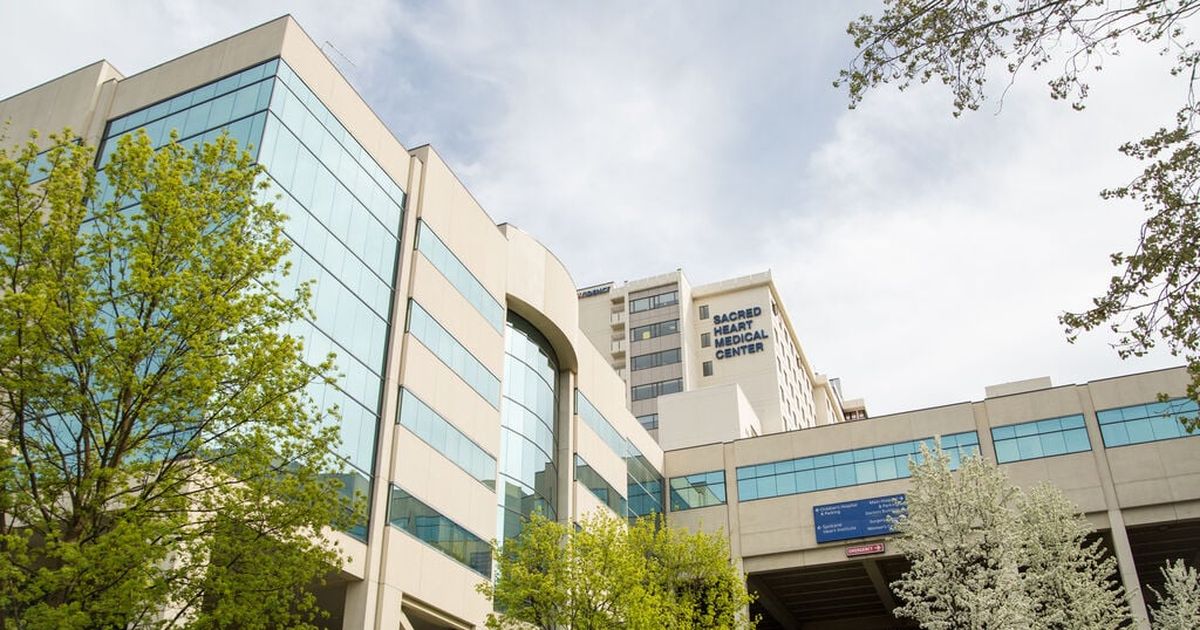
For the month of June, Spokane County’s economy continued to chug along with near historically-low unemployment numbers. And while health services and private education increased jobs by 1,200 over June 2025, almost every other labor sector has regressed, a state economist said.
The June unemployment number for Spokane County was 3.8% in June, which is up from 3.4% for the same month in 2025, said Mike McBride, regional economist for the Washington state Employment Security Department.
“That’s good,” McBride said, referring to the unemployment figures. “But of note in the survey, the total labor force is basically flat year-over-year. It has been slowly growing since the pandemic, but retirements are coming into effect.”
People voluntarily leaving the workforce are reducing overall job numbers by about 3% a year and those losses are expected to peak at about 4% in 2029 as workers from the baby boomer generation reach retirement ages.
As the demographics of the workforce continue to get younger, Spokane County added jobs only in health services and private education.
“That is trending with what we are seeing nationally with health care driving the show,” McBride said. “Having an economy that is health-care focused, that benefits us.”
He noted that about 18% of all jobs in Spokane County are in health care or health-care related fields.
If you eliminate health and private education “we are in fact down in jobs year-over-year, by a few thousand, broadly across all other sectors,” he said.
One such sector is state and local government jobs, which were about 1,000 down in June after federal jobs faced earlier reductions, he said.
“Local colleges and universities have had to make a lot of cuts,” McBride said. “Retail is down, financial activity is down, professional services is down and construction is down. But that is more or less what we are seeing on the state level.”
The west side of the state continues to reel from a large number of information technology cuts from some large firms. Yet companies continue to improve productivity.
“The state (gross domestic product) is one of highest ever because of that economic activity,” McBride said. “Honestly, what is happening is sort of a K-shaped economy.
“Those firms doing well are doing even better,” he continued. But “at the lower end of the spectrum, everything is getting way more expensive and they are worse off. The stock market is a perfect example of that.”
The stock market continues to trade at or near historic levels while average Americans are paying much more for gas and diesel. As a result of those spikes caused by the conflict in Iran, the higher fuel costs then translate to higher prices all across the economy, he said.
On Wednesday, the average price of gasoline in Spokane was $4.78 and diesel was $5.84. A year ago, Lilac City commuters paid $3.93 for gas and $4.94 for diesel, according to AAA.
McBride pointed to a Moody’s Analytics report that showed the average American family has paid $1,000 more in fuel costs since the conflict with Iran began.
“Obviously, the inflation is being driven by the cost of energy,” he said. “That starts to touch everything that moves. Inflation has been above target for half a decade. It has a compounding effect that playing a huge part in things being unaffordable.”
In Spokane County, the household median income has shown gains, but not to the level of the rising costs of household items, McBride said.
“That’s obviously positive,” he said of the higher local wages. “But there are a lot of families that still can’t afford rent even though the wages are going up.”
Despite the declining number of jobs across most sectors, McBride said he does not see any solid signs that the local, state or national economies are entering into a recession.
“The main warning sign is the demographic reality of the workforce,” he said. “Retirees will continue to leave. So, companies being able to properly plan for this and fill those gabs is where a lot of them can set themselves apart. Possibly AI can help with that.”
One other scary number on the state level is that the number of long-term unemployment, or those who have been without a job for six months or longer, has significantly increased over 2025.
Overall, the state’s preliminary-seasonally-adjusted unemployment rate grew in June to 5.2% compared to 4.5% last year.
“A lot of people are clinging onto their jobs and employers are not backfilling jobs when they open,” McBride said. “Nothing is quite yet flashing red, but I see a lot of yellow warning signs.”