
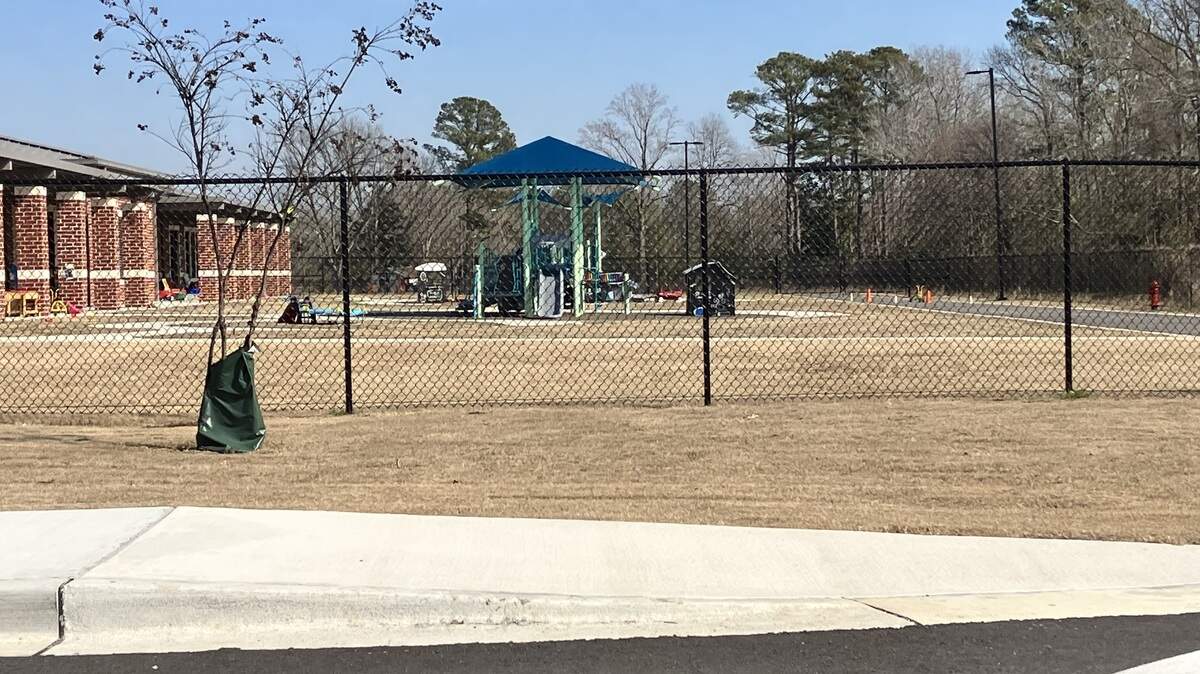
Contamination was found on playgrounds at this elementary school in South Carolina, but state officials have downplayed the health threat. The pollution came from an industry’s sludge that was reportedly spread long ago on land where Black Creek Elementary School was built. This a shot of the school’s playground in Darlington County.
Sammy Fretwell/The State
The S.C. Department of Environmental Services, which told a citizen that it would cost him $2.4 million to obtain public records, has now abandoned the plan and will give him the records about school pollution at no cost.
An email obtained by The State newspaper said that due to confusion about the Freedom of Information Act request, the agency has decided not to charge the Darlington County resident for providing records of soil contamination at Black Creek Elementary School.
The Charleston newspaper, the Post and Courier, reported Saturday in an editorial critical of the agency that the department had backed off the plan and will give the man the records. The State newspaper received a copy of an email provided to Charleston’s editorial staff.
Department of Environmental Services spokespeople did not respond to requests for comment from The State, after facing substantial criticism this past week over the proposed $2.4 million records charge.
Open records advocates and people trying to learn more about forever chemical pollution at the school blasted the agency for trying to charge high prices for records that by law should be publicly available.
In a July 17 response to Brady Hill’s request, the department said it would cost $2.4 million to fulfill the request because the agency would have to provide more than 3 million records. The department said it needed a deposit of $605,000 to even process the request.
The $2.4 million is believed to be one of the highest proposed charges to comply with a Freedom of Information Act request in state history. Environmental Services said it had never charged that much.
Agency officials attempted to justify the charge by saying the request was not specific enough. But Hill said the request focused only on the school contamination.
A review of the request by The State newspaper verified that, showing that the records he sought included laboratory test data, soil sample analysis reports and other material “collected from the grounds, playground dirt and athletic fields of Black Creek Elementary School in Darlington County.’’
After The State asked about the charges Monday July 20, the department said it would not cost Hill $2.4 million. But it did not reveal until late this past week that it would drop all costs for the open records request.
While getting the records at no charge is good for Hill’s pocketbook, he said the agency’s actions have been frustrating.
HIll, a Darlington County Council candidate who has been critical of the agency’s response to the growing threat of forever chemicals in his community, said the department appeared more interested in protecting its image than helping him.
He was unaware the costs were being dropped until informed by The State on Friday July 24. Hill said a staff member told him Friday July 17 that the department would work something out, but did not say the information would be provided at no cost.
“I think they are worried more about the media than they are me because they haven’t told me that,’’ HIll said. ‘’It’s been a week and I haven’t even heard anything back like ‘We’re on it or working on it’. Nothing.’’
At issue are records of contamination found at Black Creek Elementary, a new school that sits on a parcel of land once approved as a sludge disposal site for a polluting industry.
Recent testing of soil at the school found forever chemical pollution on playgrounds, but the Department of Environmental Services downplayed the threat, saying there was no need for immediate action. Hill sought records to learn more about the levels of pollution and the agency’s reasoning.
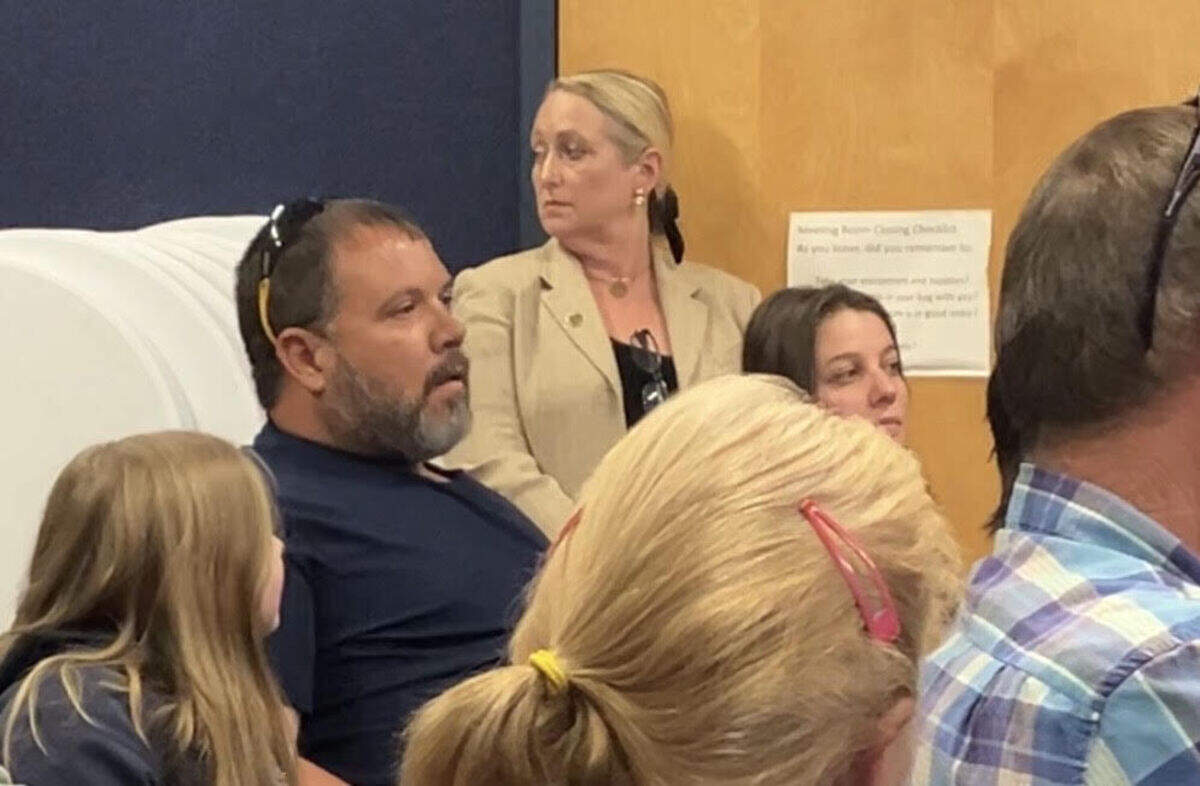 Society Hill resident Brady Hill was told recently by a state agency it would cost him $2.4 million to look at public records about pollution at a Darlington County elementary school. The school has shown evidence of contamination from forever chemicals, toxic compounds linked to cancer and other ailments. This photo was taken at a public meeting about forever chemicals in March 2026. Sammy Fretwell/The State
Black Creek Elementary School, which has about 700 students, was built on a former agricultural site that received waste sludge from the now abandoned Galey and Lord textile factory. The sludge was at one time thought to be good for plant growth, but it was later also found to contain a cocktail of pollutants, including toxic forever chemicals that are linked to cancer and other ailments.
Galey and Lord, a notoriously polluted industrial site that is now on the federal Superfund priority list for cleanup, was approved by the South Carolina environmental department to spread the plant’s waste sludge on up to 10,000 acres of farm fields in Darlington and nearby counties from the early 1990s until 2013, The State has previously reported.
The U.S. Environmental Protection Agency is currently trying to determine whether to expand the Superfund site to include some or all of the 10,000 acres.
Soil on some of the property is polluted with forever chemicals and the toxins have been found in scores of drinking water wells on and near farms. Researchers from Yale University recently found forever chemicals in a farmer’s crops.
Critics in the farming-rich Pee Dee of eastern South Carolina have said state and federal agencies have been slow responding to the problem. The Department of Environmental Services has also been criticized for threatening to sue Darlington County farmer Robbie O’Neal for distributing signs about a public meeting that used the department’s logo.
State Sen. J.D. Chaplin, R-Darlington, said the issue of forever chemical pollution on farmland is a concern and people want to know more about it. He said the Department of Environmental Services erred in responding to Hill’s open records request for data about Black Creek Elementary.
“It sounds as if somebody at the Department of Environmental Services has made a small mistake, and I’m glad they’re going to rectify it,’’ said Hill, who lives in the area where Galey and Lord sludge was applied. “Under no circumstances is a $2.4 million bill acceptable.’’
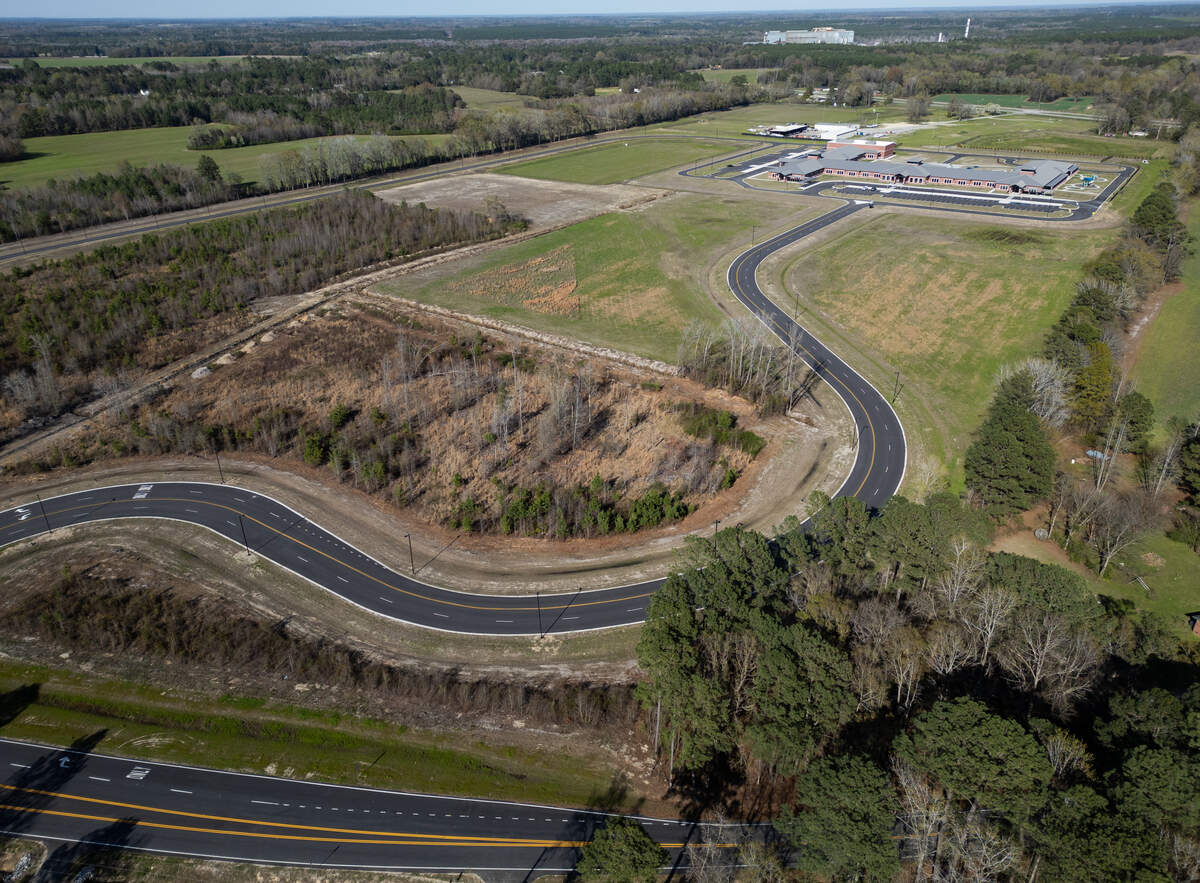 Black Creek Elementary School in Darlington, South Carolina, from the air on Friday, March 13, 2026. Joshua Boucher jboucher@thestate.com
This story was originally published July 25, 2026 at 9:40 AM.

Sammy Fretwell has covered the environment beat for The State since 1995. He writes about an array of issues, including wildlife, climate change, energy, state environmental policy, nuclear waste and coastal development. He has won numerous awards, including Journalist of the Year by the S.C. Press Association in 2017. Fretwell is a University of South Carolina graduate who grew up in Anderson County. Reach him at 803 771 8537.
Support my work with a digital subscription