
ASHEVILLE, N.C. (WLOS) — A decades-old wildlife protection law is facing a major challenge in court, with conservation advocates warning a new rollback by President Donald Trump’s administration could open critical habitats in western North Carolina to more development and pollution.
WLOS
The Center for Biological Diversity is one of several conservation groups suing over the Trump administration’s changes to the Endangered Species Act, arguing the new policy weakens decades of habitat protections by narrowing what qualifies as “harm” to threatened and endangered species.
GROUP CLAIMS US WILDLIFE OFFICIALS HAVE YET TO PROTECT ENDANGERED HELLBENDER SALAMANDER
Will Harlan, the Southeast director for the nonprofit, said he fears the change could reduce oversight of projects that affect endangered species habitat. He said the original rule allowed federal officials to consider habitat destruction as part of the harm caused to protected species, but now that changes.
“Right now, Trump’s rule tries to take that off the table and say you can pollute, you can clear-cut, you can do whatever you want to species’ habitats as long as you don’t directly kill the species itself,” Harlan said.
The rule, finalized by the U.S. Department of the Interior, removes the previous regulatory definition of “harm” under the act. Administration officials said the change restores what they describe as the original intent of the law, reduces regulatory burdens and gives landowners and industries more flexibility.
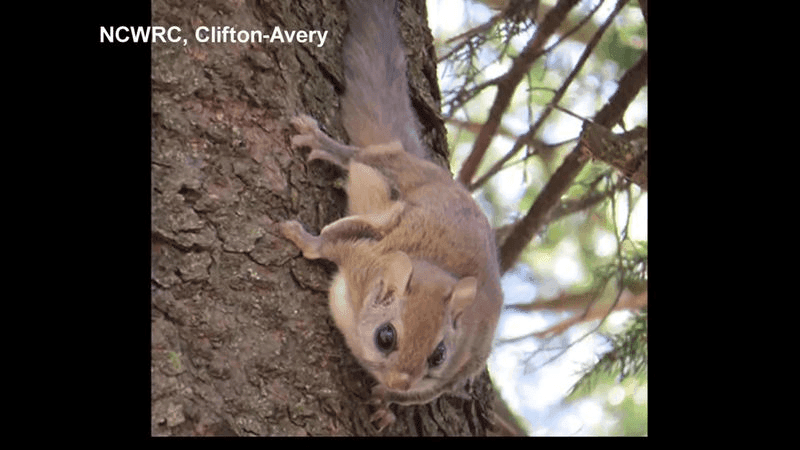
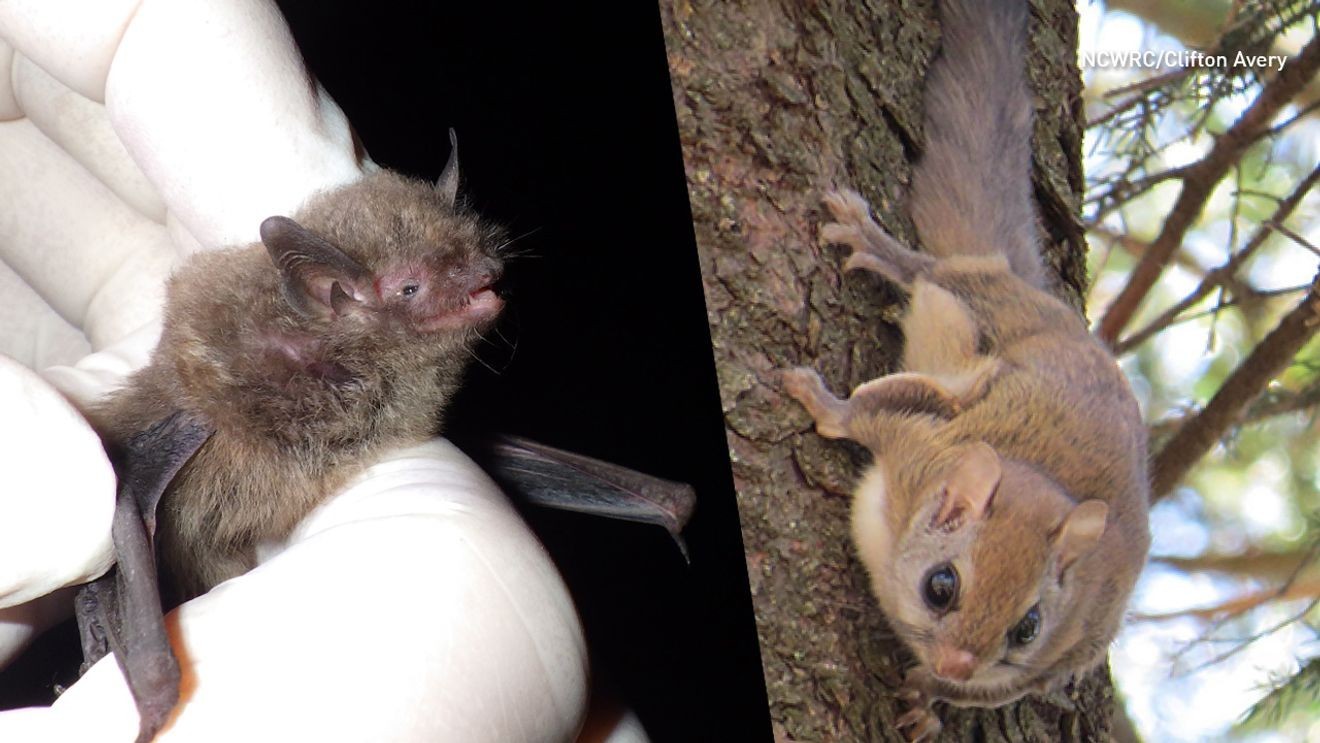
FILE IMAGE of a Carolina northern flying squirrel, which is federally and state-listed as endangered. (Photo: NC Wildlife Resource Commission/Clifton Avery)
The Center for Biological Diversity and other groups are asking a federal court to block the policy, arguing the administration exceeded its authority by changing how habitat protections are applied under the Endangered Species Act.
MONITORING PLANNED AFTER ENDANGERED INDIANA BAT MATERNITY ROOST FOUND IN NANTAHALA
Harlan and other advocates with the center argue that habitat destruction has long been considered a threat to wildlife survival.
“We’re going to see more injured and orphaned animals as forests are clear-cut, as rivers are polluted,” Harlan said. “We’re going to see more demand upon our local wildlife rehabilitators to rescue animals that are harmed by the destruction of habitat across the region.”
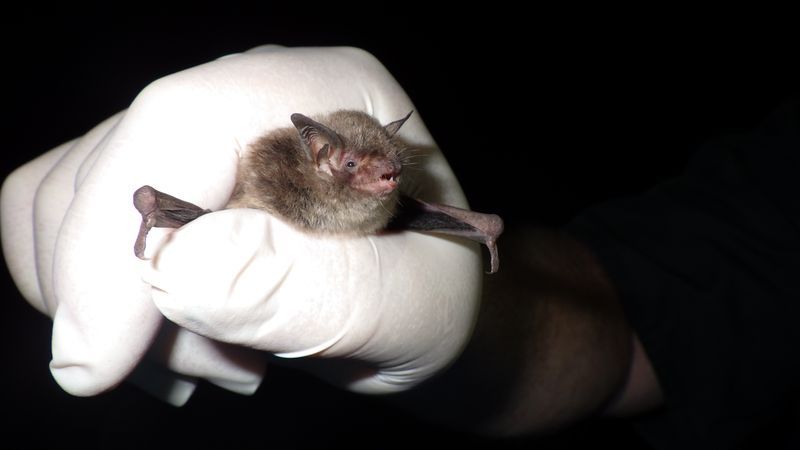
FILE IMAGE of an Indiana bat, a federally endangered bat species, that was found in western North Carolina. (Photo: North Carolina Wildlife Resources Commission)
Savannah Trantham, the executive director of Appalachian Wildlife Refuge, a non-profit that coordinates wildlife rehabilitation efforts across the region, said this federal move is “disheartening” to see. In western North Carolina, she said species like the Carolina northern flying squirrel and Indiana bat, which depend on protected forest habitats in the Southern Appalachians, are already some of the most at-risk species.
Tara Zuardo, a senior advocate with the Center for Biological Diversity, said the legal case could take over a year to play out.
News 13 reached out to the Trump administration for comment, but they have not yet responded.