
On Thursday, the Louisiana Department of Health reported that cases of cyclosporiasis, a parasitic infection that can cause weeks of watery diarrhea, have reached 100 in the state.
So far, there have been six hospitalizations in association with the infection and zero deaths.
East Baton Rouge Parish has the highest number of cases in the state at 20, followed by Lafayette Parish with 18 cases, according to LDH.
Since May, over 6,700 cyclospora cases have been confirmed by the Centers for Disease Control and Prevention in the U.S. The organization is aware of more than 11,500 additional cases that require further investigation, the CDC reported Tuesday. Many of the additional cases have been reported by Michigan and Ohio.
National investigations by the CDC identified lots of iceberg lettuce from Taylor Farms de Mexico sold in Taco Bell locations in Indiana, Kentucky, Michigan, Ohio and West Virginia as the source of the outbreak.
On July 17, Taylor Farms initiated a recall of all iceberg lettuce sourced from central Mexico. The recall includes iceberg lettuce sold at retail stores and restaurants, as well as other products distributed to food service customers, according to the CDC.
Neither the CDC nor state officials, however, have reported any connection to Louisiana cyclospora cases.
In the first week of July, there were 23 reported total cases of cyclospora in Louisiana. Previously, the state has averaged 20 reported cases over the same time period during the past five years.
The next week, total cases jumped to 43. Then, another increase the following week, to 79 total cases.
Cases of cyclosporiasis typically spike in the summer months, with historically active outbreaks in Louisiana between June and August. In the U.S., the cyclosporiasis season is considered May 1 through Aug. 31, according to the Centers for Disease Control and Prevention.
Over the past 20 years, between 1 and 101 cases have been reported annually in Louisiana, with 73 cases reported in 2023.

Packages of lettuce and salad greens fill a refrigerated display at a grocery store. Lettuce sold across the United States is facing increased scrutiny as federal and state officials investigate whether iceberg lettuce linked to a multistate cyclospora outbreak reached retailers or other businesses beyond Taco Bell restaurants.
STAFF PHOTO BY DAVID GRUNFELD
The LDH gets notice of positive cyclospora cases as soon as they are confirmed through lab results in hospital medical records. The parasite is diagnosed through a gastrointestinal pathogen panel, a one-hour, highly sensitive stool test that simultaneously detects the DNA or RNA of multiple bacteria, viruses and parasites causing diarrhea.
“This is a rare one,” said Dr. Katie Taylor, who runs infection control and outbreak management at Our Lady of the Lake Hospital in Baton Rouge. “(Cyclospora) tends to last longer and may improve and relapse before it completely resolves.”
The threshold for hospitalization, sitting at 6 so far in Louisiana, rests primarily on dehydration.
“Louisiana has slightly higher than normal levels going around right now,” Taylor said. “The center of where this is happening is around Michigan.”
What is cyclospora?
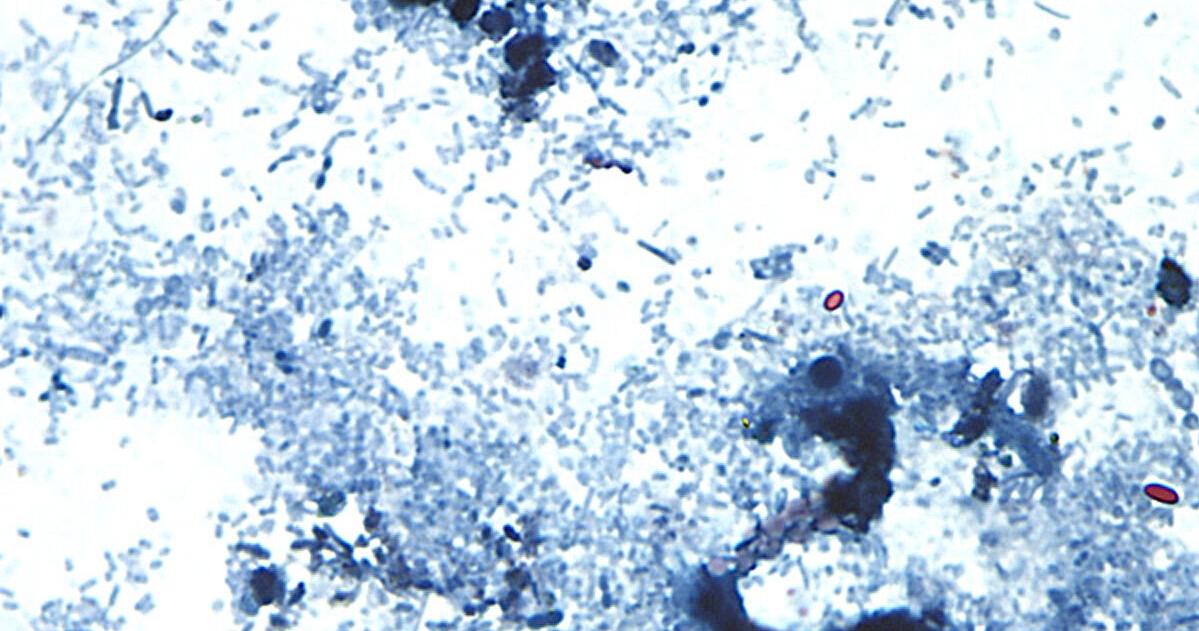
Cyclospora is a microscopic, spherical parasite that commonly causes watery diarrhea “with frequent and sometimes explosive bowel movements,” according to the CDC. The illness, called cyclosporiasis, is not usually life-threatening and is typically treated with antibiotics.
As far as epidemiologists know, humans are the only species that can contract cyclosporiasis.
The heat-loving parasite infects the bowels and spreads through feces. In the past, people have been infected by consuming fruits or vegetables that were exposed to feces-contaminated water.
The rates of cyclosporiasis cases are generally higher in developing countries, according to Nnedu, and some previous outbreaks of the illness were linked to imported produce.
Foods like bagged salad mixes and kits, fresh cilantro, fresh basil, raspberries, snow peas and green onions more commonly carry the parasite.
People with diarrhea that hasn’t resolved on its own within a few days should see a health provider and discuss the possibility of cyclospora, officials say.
“If diarrhea is prolonged, that goes on for more than two days unstopped, you may want to talk with your physician,” Nnedu said.
Continue to watch out for other symptoms as well, like abdominal pain and nausea.
Investigations can take months to determine where contaminated food came from and sometimes fail to find a clear source of the parasitic infection.
The best way to prevent infection with a parasite is to avoid food or water that may have been contaminated. Fresh produce should be thoroughly washed before being eaten, especially for immunocompromised people who are at a greater risk of infection. But be aware that cyclospora can stick to some foods, so washing may not eliminate the risk of infection.
It is also best to cook vegetables when possible and practice standard good hygiene before meals.