
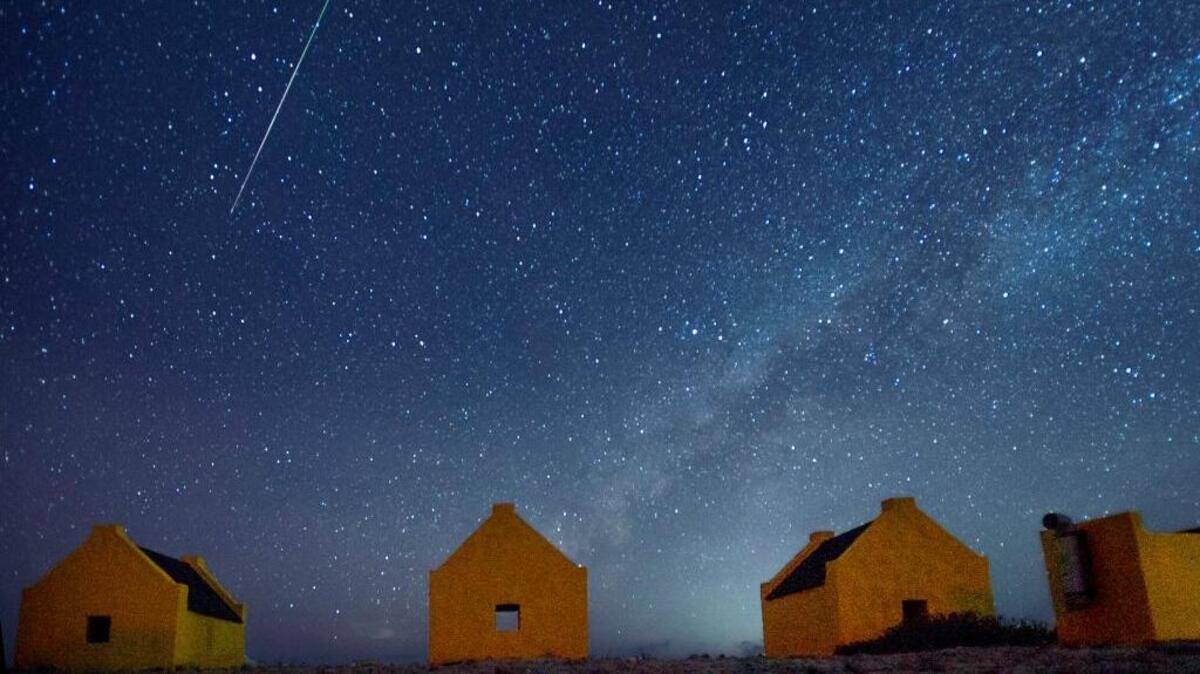
Boise stargazers gather ‘round, the best meteor shower of the year is almost here.
August brings the peak of the Perseid meteor shower, known for its plentiful shooting stars and explosive fireballs.
Night owls across the Gem State can also catch glimpses of a partial lunar eclipse, planets and the full Sturgeon Moon.
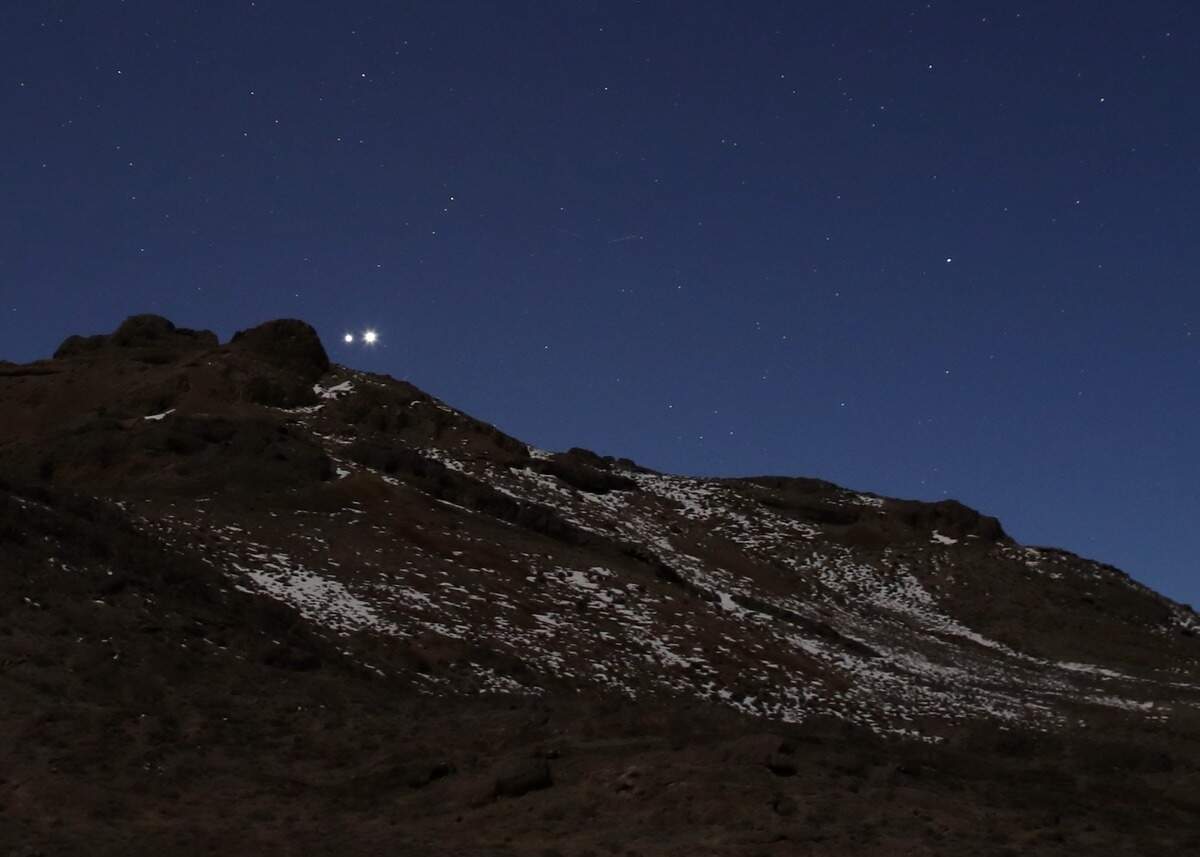 Mercury and Venus will be visible in the night sky in August 2026. Which planets are visible in the night sky in August?
Mercury will be at its farthest distance from the sun on Sunday, Aug. 2, according to astronomy website EarthSky.
For the best view, look in the direction of the sunrise as the sky is getting lighter. The planet will appear low in the sky.
Mercury will have a “close encounter” with Jupiter on Saturday, Aug. 15, EarthSky said.
Venus will reach its greatest distance from the sun on Aug. 15.
“Earth’s brightest neighboring planet will be shining in the western twilight after sunset,” EarthSky said. “You can’t miss Venus! It’s exceedingly bright and will penetrate the bright twilight.”
When to watch Perseid meteor shower in 2026
Considered the “Best meteor shower of the year,” the Perseid meteor shower is also the most popular, according to NASA.
“With swift and bright meteors, Perseids frequently leave long ‘wakes’ of light and color behind them as they streak through Earth’s atmosphere,” the space agency said.
The meteor shower produces up to 50 to 100 meteors per hour.
“They occur with warm summer nighttime weather, allowing sky watchers to comfortably view them, NASA said.
The Perseid meteor shower is also known for its fireballs — explosions of light and color that last longer than a typical meteor streak.
Although the Perseids are active until Monday, Aug. 24, the meteor shower reaches its peak on Wednesday, Aug. 12, and Thursday, Aug. 13, according to the American Meteor Society.
“In 2026, the moon is new on Aug. 12, so conditions are optimum for viewing this shower,” the society said.
In the Northern Hemisphere, the best times to view the Perseids are during the pre-dawn hours, NASA said.
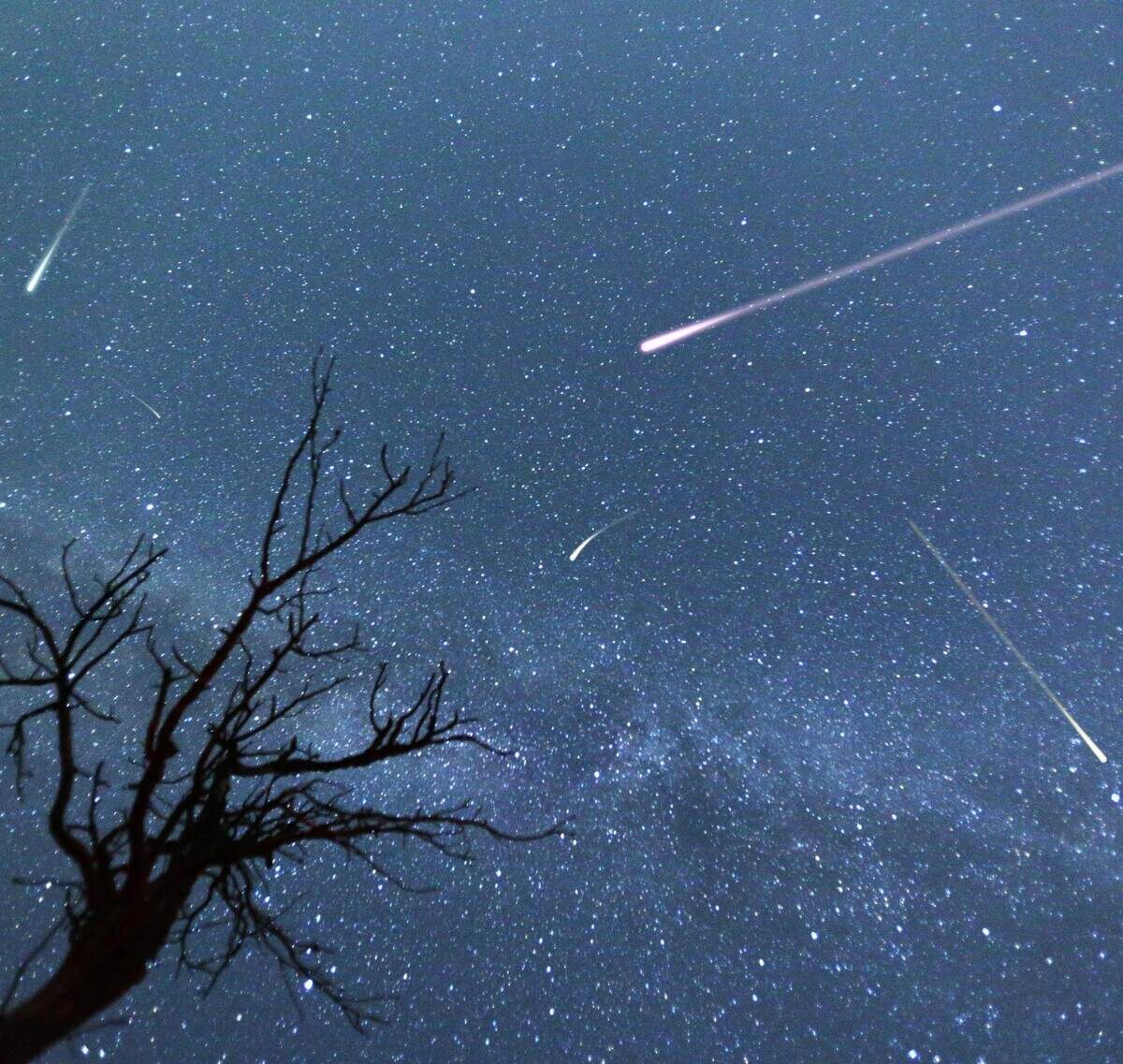 The Perseid meteor shower streaks across the summer sky in 2015. The annual stellar event will reach its peak August 11 through August 13. Courtesy of Getty Images/iStockphoto Where to watch shooting stars in Idaho?
“Every August Idaho’s night sky becomes more spectacular than usual,” Brian Rich, a summer intern at the Idaho Conservation League, said in a blog about the Perseid meteor shower. “Nights in Idaho may be darker than for most of the nation… Without a spectacular dark sky, Idaho would not be the same place that we love and protect.”
The Gem State is home to the first Darky Sky Reserve in the U.S. which was officially recognized in 2017, according to the Idaho Dark Sky Alliance website.
The nonprofit group “collaborates with municipalities, government agencies and partner organizations… to support dark sky activities” such as wishing on shooting stars.
The alliance is hosting its fourth annual Perseid-Palooza, a guided observation of the Perseid meteor shower, on the nights of August 11 and 12 at 8:30 p.m.
Astronomy enthusiasts can meet at the Sawtooth Observatory in Stanley on Tuesday, Aug. 11 for the first night of stargazing. The following night’s observations will be held at the Sawtooth Botanical Garden.
“Local astronomers and night sky enthusiasts will lead participants on a cosmic tour including the Perseid meteor shower, deep sky objects and summer constellations,” the Visit Sun Valley website said. “The event will include meteor watching and telescope observing, plus kids’ astro-activities.”
When is the next full moon in 2026?
August’s full moon will reach peak illumination at 9:19 p.m. on Thursday, Aug. 27, according to online clock Time and Date.
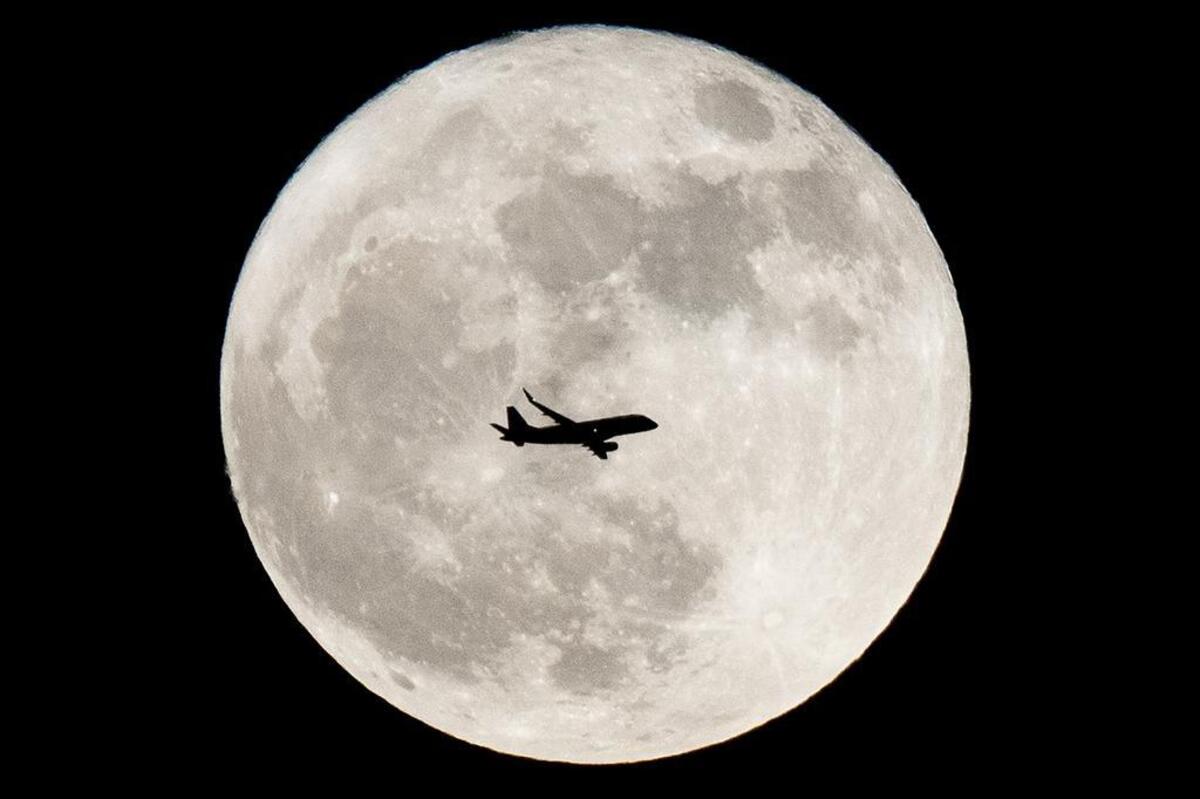 An airplane travels across a full moon. Tom Brenner The New York Times Why is August’s full moon called the Sturgeon Moon?
August’s full moon is known as the Sturgeon Moon due to the “abundance” of fish that could be easily caught in the Great Lakes at this time of year, according to the Old Farmer’s Almanac.
Sturgeon were an “important food staple for Native Americans,” the almanac said.
Is there a partial lunar eclipse in August?
A partial lunar eclipse will occur around 9:12 p.m. on Aug. 27, according to Space.com.
North and South America will have the best views of the blood-red moon.
“Viewing conditions will depend on the local weather, with western U.S. states, northern Chile and inland Brazil statistically offering the best odds of clear skies,” Space.com said.
As the full moon passes into Earth’s umbral shadow, it will dim and “look slightly reddish-orange,” Space.com said. “However, it won’t be a true “blood moon“ because at no point will there be lunar totality — when the entire lunar surface falls under Earth’s shadow.”
Where are the best places to stargaze?
For the best views of shooting stars, planets and more, head away from the city. The ideal stargazing locations offer “unobstructed views of the horizon,” National Geographic said. “Mountains, moorlands, deserts and remote islands are good choices, thanks to their isolation, clear conditions and lack of light pollution.”
Loading…
Related Stories from Idaho Statesman