
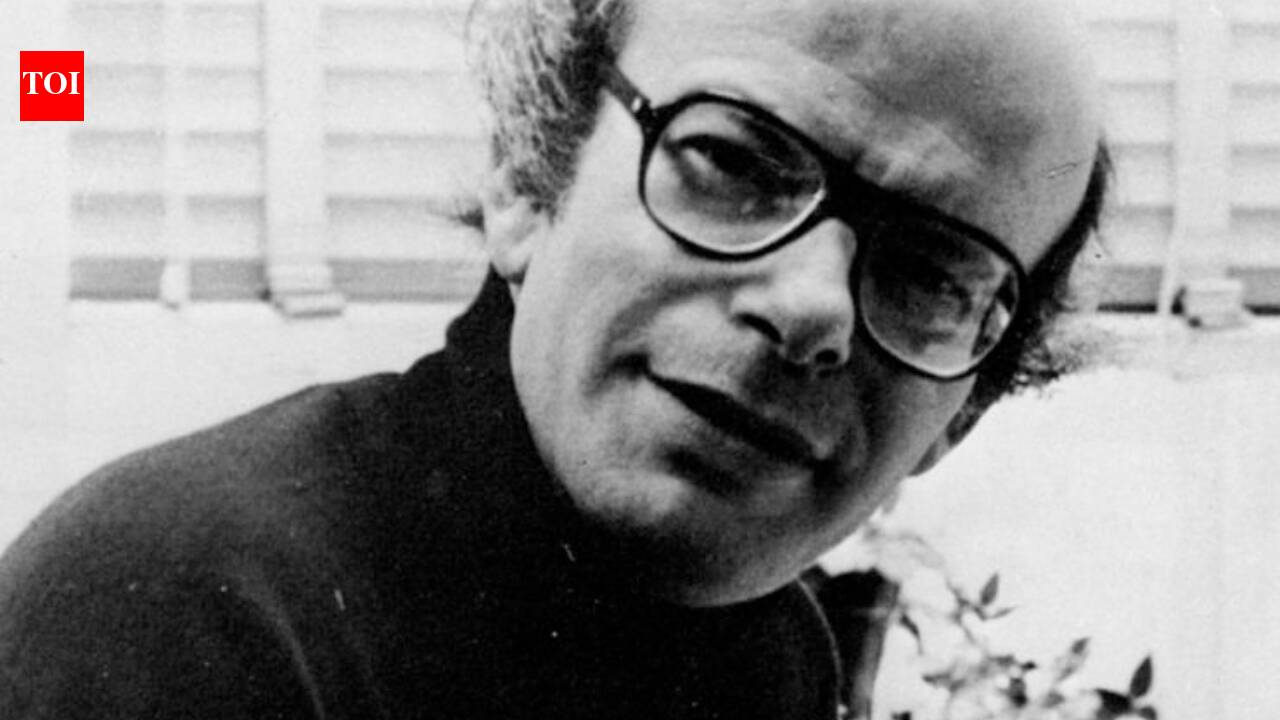
 The 1973 Rosenhan Experiment: How eight healthy people entered psychiatric hospitals and changed mental health care forever. Picture this: it’s the early 1970s, and psychiatric hospitals across America are brimming with patients handed all kinds of grim diagnoses. But there’s a problem. More and more people wonder: can doctors really tell the difference between a mental illness and someone just acting a little off? Do labels matter more than actual symptoms?Enter David Rosenhan, a Stanford psychologist who wasn’t afraid to poke the bear. He recruited seven others, professionals from all walks of life, none with a history of mental illness. In 1973, together they pulled off what’s now known as the Rosenhan experiment, one of psychology’s most audacious stunts.
The 1973 Rosenhan Experiment: What was it?
Their mission was simple, but bold: each person checks into a different psychiatric hospital, claiming to hear a single bizarre symptom; voices saying “empty,” “hollow,” and “thud.” Beyond that, they answer every question honestly, make up fake names, and otherwise just act like themselves.The response? Every last one gets admitted. Most get chalked up as schizophrenic, with one diagnosed as manic-depressive (what’s now called bipolar). From that moment on, the group drops any pretense and all the volunteers behave perfectly normally. They talk to staff, jot down notes, and repeatedly insist they feel fine now. Still, no doctor or nurse reverses their diagnosis or suspects anything’s amiss.Instead, everything they do, however ordinary, is interpreted as another sign of madness. Take notes? That’s “writing behavior,” which is a symptom. Wait by the cafeteria before lunch? Clearly compulsive. Even their quiet, polite manner is written off as part of their supposed illness. Rosenhan argued that once you stick someone with a psychiatric label, it colors every decision doctors make about them.
The aftermath
Strangely, it was other patients, not professionals, who sometimes saw through the ruse, whispering that these newcomers were journalists, not fellow patients. It’s both ironic and telling: those on the receiving end of the system saw the truth more clearly than those running it.Getting in was easy. But getting out? Not so much.The volunteers stayed anywhere from a week up to nearly two months, with most leaving only after being labeled “schizophrenic in remission.” No one was actually declared sane. Rosenhan believed this exposed a deep problem: that psychiatric labels are sticky, shaping not only how doctors see you, but also how you’re treated, even after you recover.The experiment that changed mental health care foreverRosenhan didn’t stop there. After he published his results, one hospital declared, “This would never happen here.” So, Rosenhan sent them a warning: over the coming months, they should look out for more imposters. The staff got paranoid, screening dozens of new patients and reporting they’d found several fakes. The twist? Rosenhan sent no one. The episode proved just how much preconceptions could cloud clinical judgment.The ripples of this study were immediate and massive. Headlines ran around the world, and Rosenhan’s findings stirred public anger about the way society treats mental illness. It wasn’t just a critique; it was a wake-up call that forced psychiatry to rethink the way diagnoses were made and how patients were treated. The shock led to fairer diagnostic guidelines, more scrutiny for institutional care, and fueled the eventual shift away from massive mental hospitals toward more individualized, community-based care.
The significance
Of course, plenty of critics have picked at Rosenhan’s work since. The study involved only a handful of people, and skeptics worry about its subjectivity; who’s to say every detail was precisely as he described, especially since original data is limited? Others insist that the whole point of the experiment, faking symptoms, makes flawed diagnoses inevitable, so maybe the lesson isn’t as broad as it first seemed.However, experts generally agree that the underlying message sticks. Psychiatry is more careful now, but mental health diagnosis remains complicated. Labels can still overwhelm nuance and shape how people are seen, even decades later.Even today, Rosenhan’s story gets told in almost every psychology class, not because it cracked the code, but because it forced people to ask: what if we’re seeing what we expect, rather than what’s really there? Do our systems help, or do they sometimes trap those who need help most? Even if you see the experiment as imperfect or even controversial, no one can deny that it changed the way we think about mental illness and the fallibility of those who diagnose it.