
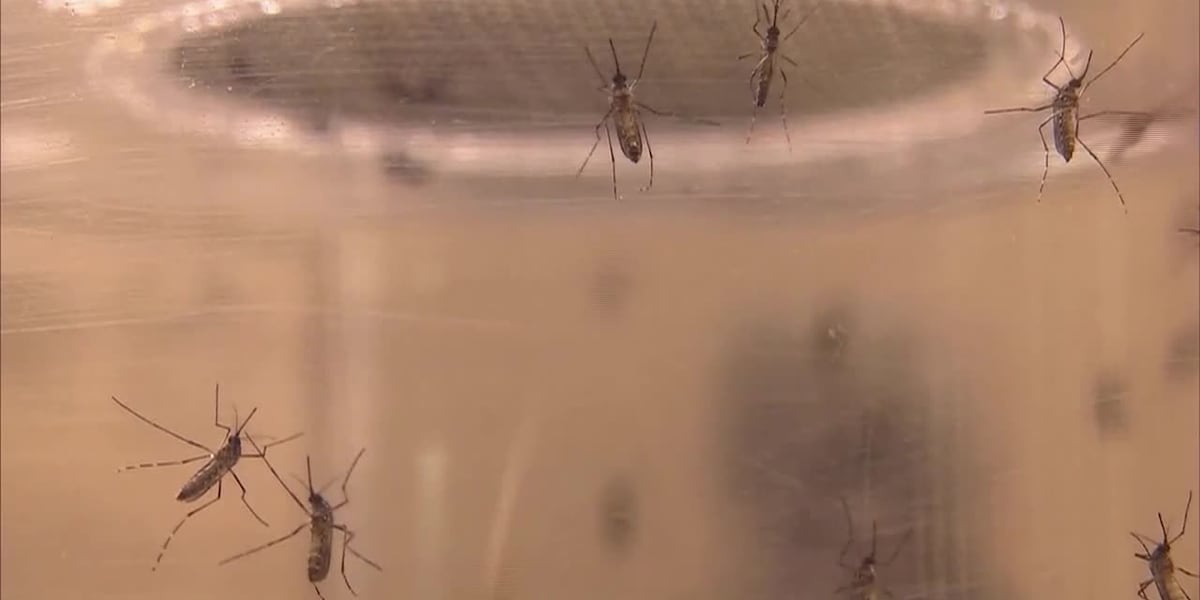
TOPEKA, Kan. (KCTV) – The Kansas Department of Health and Environment is warning residents statewide that they are at high risk of being bitten by West Nile virus-carrying mosquitoes.
The KDHE’s Weekly West Nile Risk Assessment & Data Dashboard shows the entire state of Kansas is currently at high risk.
What to Know About West Nile Virus
Health officials note that many people infected with West Nile virus never develop symptoms. But for those who do, illness can range from mild to life-threatening.
Mild symptoms may include:
FeverHeadacheBody achesRashVomiting and diarrhea
Severe cases can lead to:
Neurological infectionsBrain damageDeath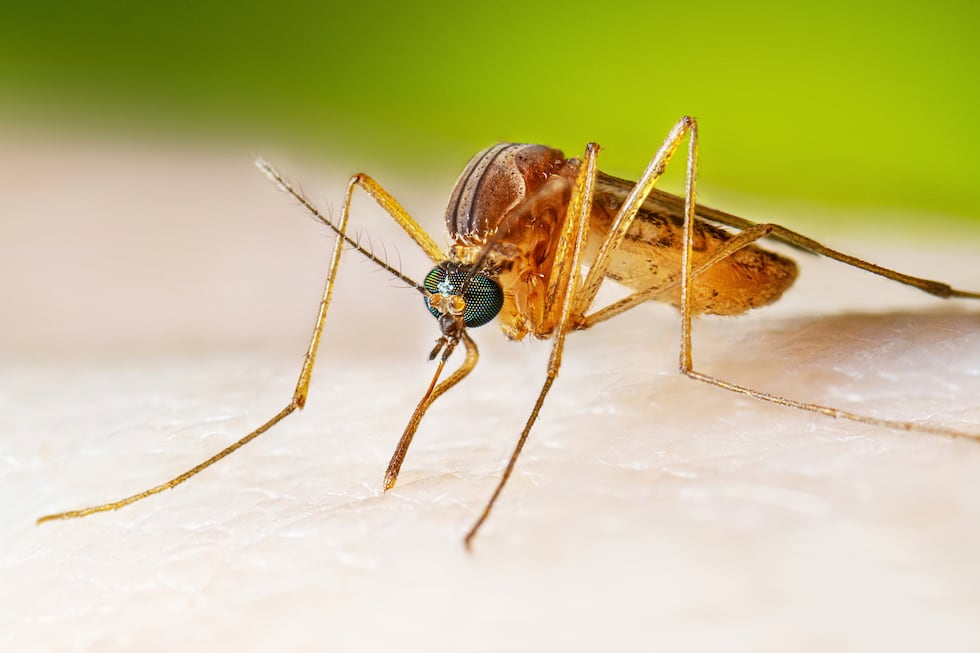 In this photo provided by the U.S. Centers for Disease Control and Prevention, a female Culex quinquefasciatus mosquito, also known as the southern house mosquito, sits on a person’s skin before taking a blood meal in 2022. (Lauren Bishop/CDC via AP)(Lauren Bishop | AP)
Leaders warn that dozens of Kansans develop neuroinvasive West Nile virus disease every year.
Kansas West Nile Virus Data
2025 cases:
1 death26 neuroinvasive cases10 non-neuroinvasive casesNortheastern and South Central Kansas reported the most casesThose aged 65-75 were most affectedNearly 67% of cases were in males
2026 (so far):
1 non-neuroinvasive case reported – a man between the ages of 35-44 in Northeastern KansasHow to Protect Yourself
The KDHE says that residents should consider the following:
Repel MosquitoesUse EPA-registered insect repellentsApply permethrin to clothing and gearStore repellents safely out of children’s reachCover UpWear long-sleeved, loose-fitting shirts and pantsAvoid being outdoors at dusk and dawn, when mosquitoes are most activeProtect Your HomeKeep window and door screens in good repairUse mosquito netting on strollers and playpensEliminate Standing Water
Health officials add that mosquitoes lay eggs in standing water. Eliminating it is one of the most effective ways to reduce risk.
Tip and toss standing water at least twice a weekEmpty water from buckets, tires, tarps and toysRefresh bird baths and pet water bowls every three daysKeep wading pools empty when not in useDrill drainage holes in tire swingsCheck for hidden water sources like clogged gutters and plant saucersStock ponds with mosquito-eating fishTreat standing water that cannot be drained with appropriate larvicides FILEMore Resources
Copyright 2026 KCTV. All rights reserved.