
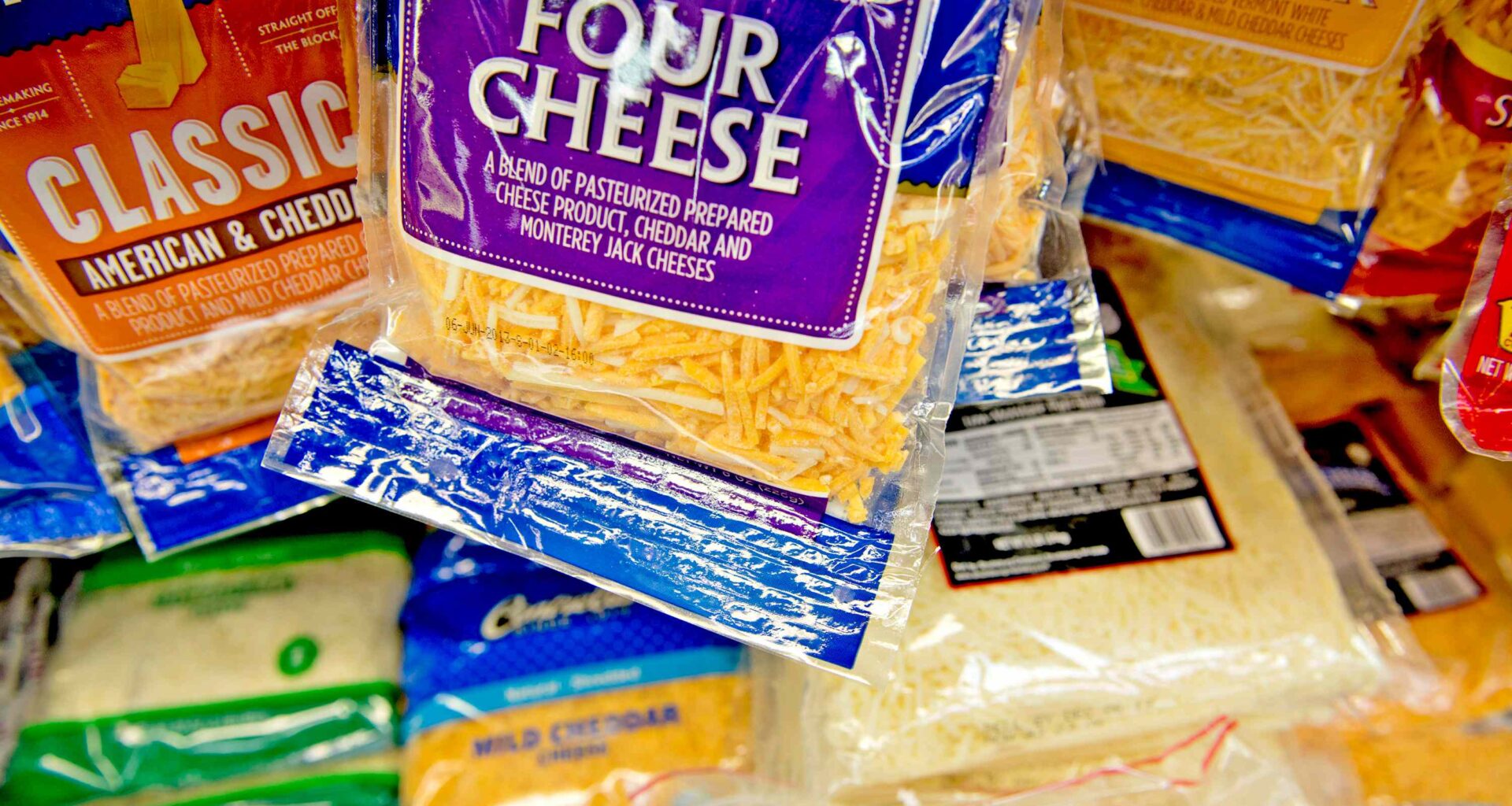
I never understood the appeal of shredded cheese until this past spring, when my mom’s arthritis flared, and I saw how painful and challenging a seemingly simple task like grating cheese for pizza and lasagna had become. I had to eat my words.
There are plenty of reasons to reach for shredded cheese, but cheese experts aren’t always fans of the pre-grated stuff. That’s not because they’re snobs or gluttons for cheese grating, but sometimes quality can be sacrificed for convenience. If you’ve noticed that pregrated cheese doesn’t always taste quite as good or melt quite as smoothly as cheese grated straight from the block, there’s a good reason.
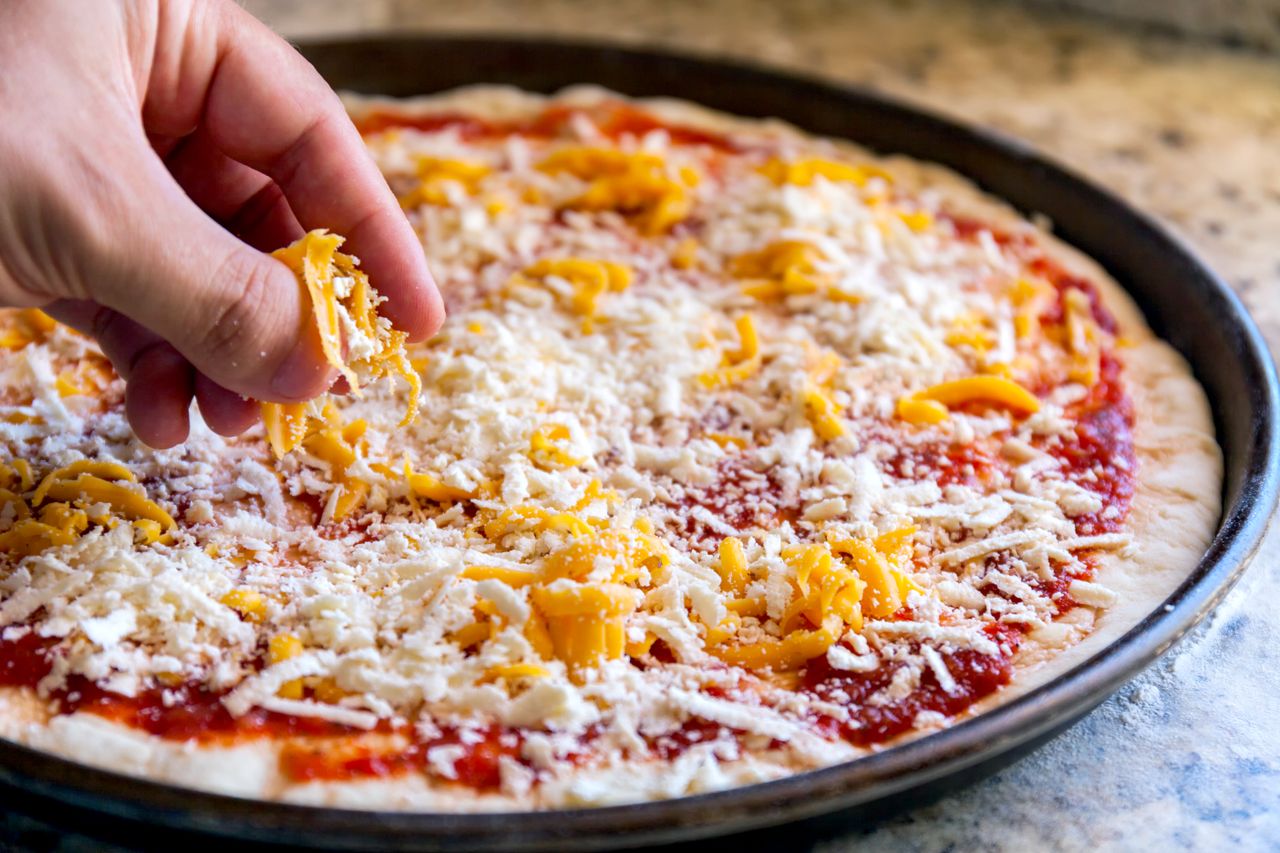
Credit: Simply Recipes / Getty Images
Why a Shorter Ingredient List Matters
Cheese is cheese, right? Not exactly.
According to Hannah Howard, cheese lover and former employee of Murray’s Cheese, it’s important to read the label when buying shredded cheese. One of the clearest indicators of quality is what’s missing from the ingredient list, rather than the ingredients themselves. That can tell you a lot about how the cheese will melt, taste, and otherwise impact your recipes.
Food scientist Abbey Thiel explained the difference: “If you compare a block of cheddar with a bag of shredded cheddar, the cheese itself is usually almost identical. The main difference is that shredded cheese often contains ingredients like cellulose, potato starch, or corn starch to keep the shreds from clumping together, along with natamycin to help prevent mould growth during storage.”
Anti-caking ingredients and preservatives certainly serve a practical purpose, but they can also change the way the cheese behaves once it hits a hot pan, casserole, or pizza. “Those ingredients aren’t inherently bad, but the more heavily coated the cheese is, the less smoothly and luxuriously it tends to melt,” explained Howard.
That’s why Howard always reads the ingredient list before buying shredded cheese, opting for one with a shorter ingredient list or, if possible, cheese without an anti-caking agent. That last part (no anti-caking agent) can be incredibly hard to find, so there are a few shopping tips to find a brand that uses less of these or just the right amount to prevent clumping, but still retain meltability.
Here’s How To Shop for Shredded Cheese
First, give the ingredient list a quick scan when shopping for shredded cheese, says Howard. Bags with short, straightforward lists pass her first test. Then she looks at the cheese itself, watching for “shreds that look supple and distinct rather than dry, broken, or visibly dusty.” You can often plainly see the anti-caking ingredients on the cheese itself. At the very least, if you bring a bag home and and you can feel that the shreds are “dusty” or there is excess starch in the bottom of the bag, make a mental note to choose another brand next time.
Another sign to watch for is the opaquely labeled “cheese blend.” Howard prefers products that clearly name the cheeses inside. “I always like to know what cheeses I’m actually buying,” she said.
You may still sacrifice a little of the silky melt you’d get from grating a block yourself, but you’ll end up with a better-tasting shortcut that works harder in everything from scrambled eggs to weeknight nachos.
Read the original article on Simply Recipes