
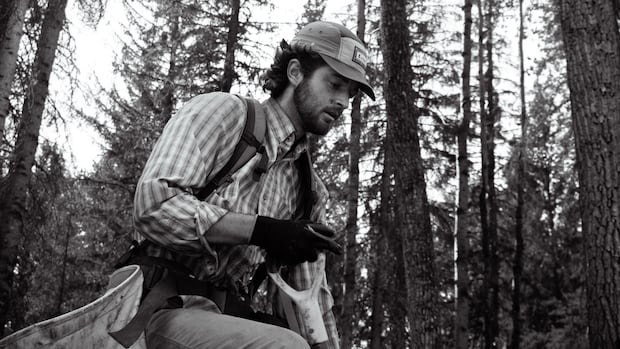
This First Person is the experience of Jackson Bonn, who lives in Belleville, Ont. For more information about CBC’s First Person stories, please see the FAQ.
It was a brisk morning and some light smoke from nearby wildfires still hung in the air. I gathered my crew of tree planters and gave a quick safety briefing. From there, each planter worked in the section of land I’ve designated for them on that day.
For most of my 12-hour shift, I rushed around from planter to planter, making sure everybody has tree seedlings to plant and that they are being planted in the correct place. Planters loaded their bags with 13 to 18 kilograms of these seedlings, working to plant a clearcut of spruce trees that was harvested a few months prior.
That day, I got lucky and found time to plant some trees myself.
I threw my shovel in to open a hole in the ground, planted the tree and moved on to the next. I imagined myself like an Olympic freestyle swimmer. Trying to make my movements fluid and natural, I pretended each strike of the shovel is another stroke in the water.
I’ve been a tree planter all my adult life. Every summer, I, along with thousands of other individuals, congregate in remote pockets of the Canadian bush. Logging and fires remove vast swaths of Canada’s forests annually. These areas need to be replanted and we are the workforce paid to do so.
Depending on the terrain, most tree planters will plant between 1,500 to 5,000 trees a day. They’ll do this every day, getting paid a “piece rate” per tree planted. When I plant 2,000 trees at a rate of 17.5 cents per tree, I’ll make $350.
When I began tree planting as a cash-strapped 18-year-old freshly returned from a gap year trip to Southeast Asia, the allure of tree planting was real: do a few months of hard work, save some money and come home to “normal life.” I wanted it all: the dirt, the camaraderie, the opportunity to excel at something in a way I never had before. I was entering this unknown world with eyes wide open and threw my shovel into the dirt for the first time with little thought about the impact it would have on my life.
If you know a tree planter, you might know how all-consuming the job can be.
As a result of the job being so physically and mentally demanding, tree planters can be a prideful bunch. I’ve always been amused by planters referring to their eight months away from the bush as the “off-season,” but I get it. For me, arrival in the bush every April signalled a return to where I felt most comfortable — a place I could let down barriers and reconnect with the friends I was missing.
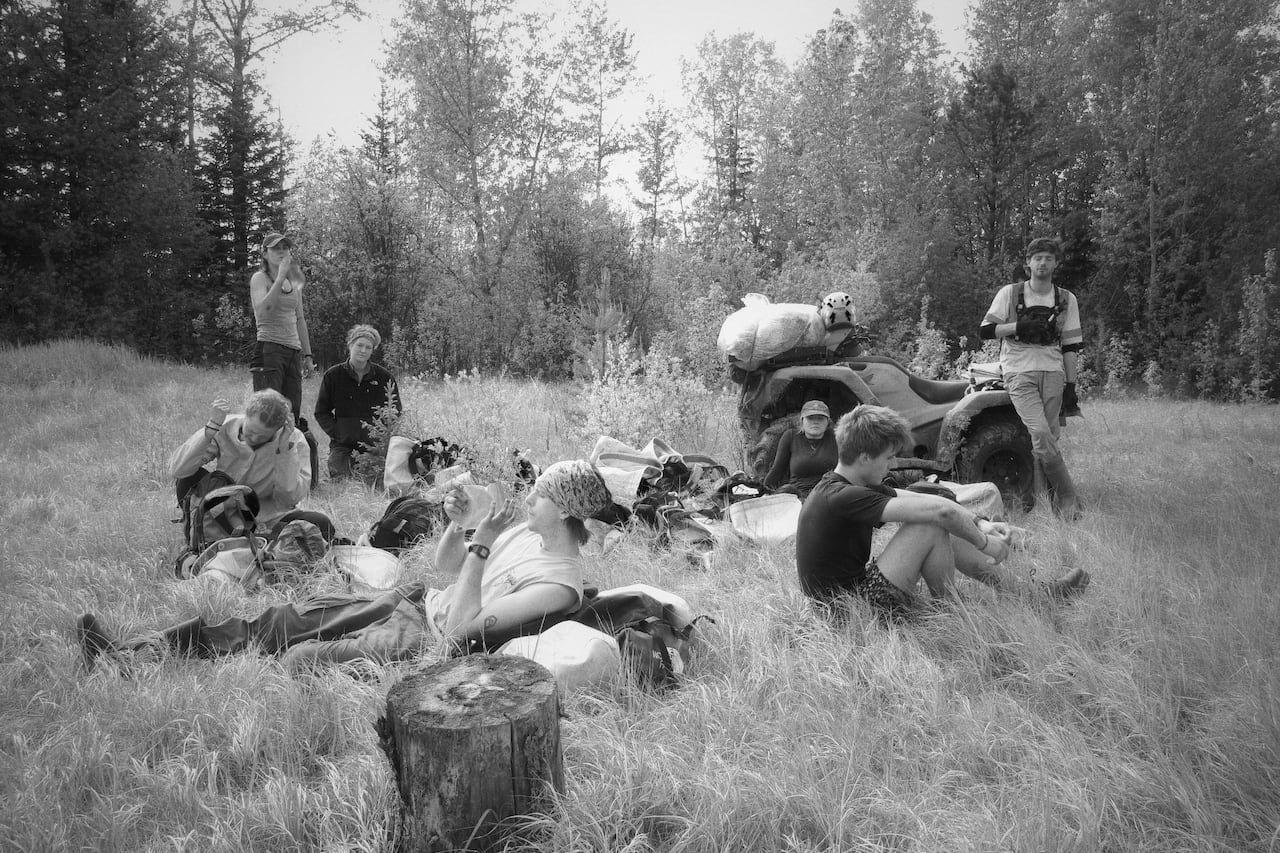 Bonn, on the right leaning against the ATV, says his time in the bush has been a bonding experience with his crew. (Adam Sellan)
But there is a very real, perhaps unappealing truth to my relationship to tree planting that I reckon with – it’s just a job. I don’t plan on being a career tree planter. As much as I love the work, I have other ambitions.
So, in 2025, I decided to forego my annual pilgrimage to British Columbia in favour of a quiet summer on the East Coast.
I enjoyed my time away, and my body especially appreciated the break from the gruelling physical labour. After an extended period away, I feel like I’ve grown an identity beyond the job. But in other ways, I felt the itch to return to the bush.
It’s not like it’s unexpected. I always thought I had another season or two in me. On a pragmatic level, it makes sense. I’m 24, between degrees and in need of reliable income. As one of the more experienced planters in my company (there are many middle-aged and older folks who plant, but it is still, largely, a young person’s game), I now run my own crew and enjoy the responsibility that comes with introducing new planters to the job.
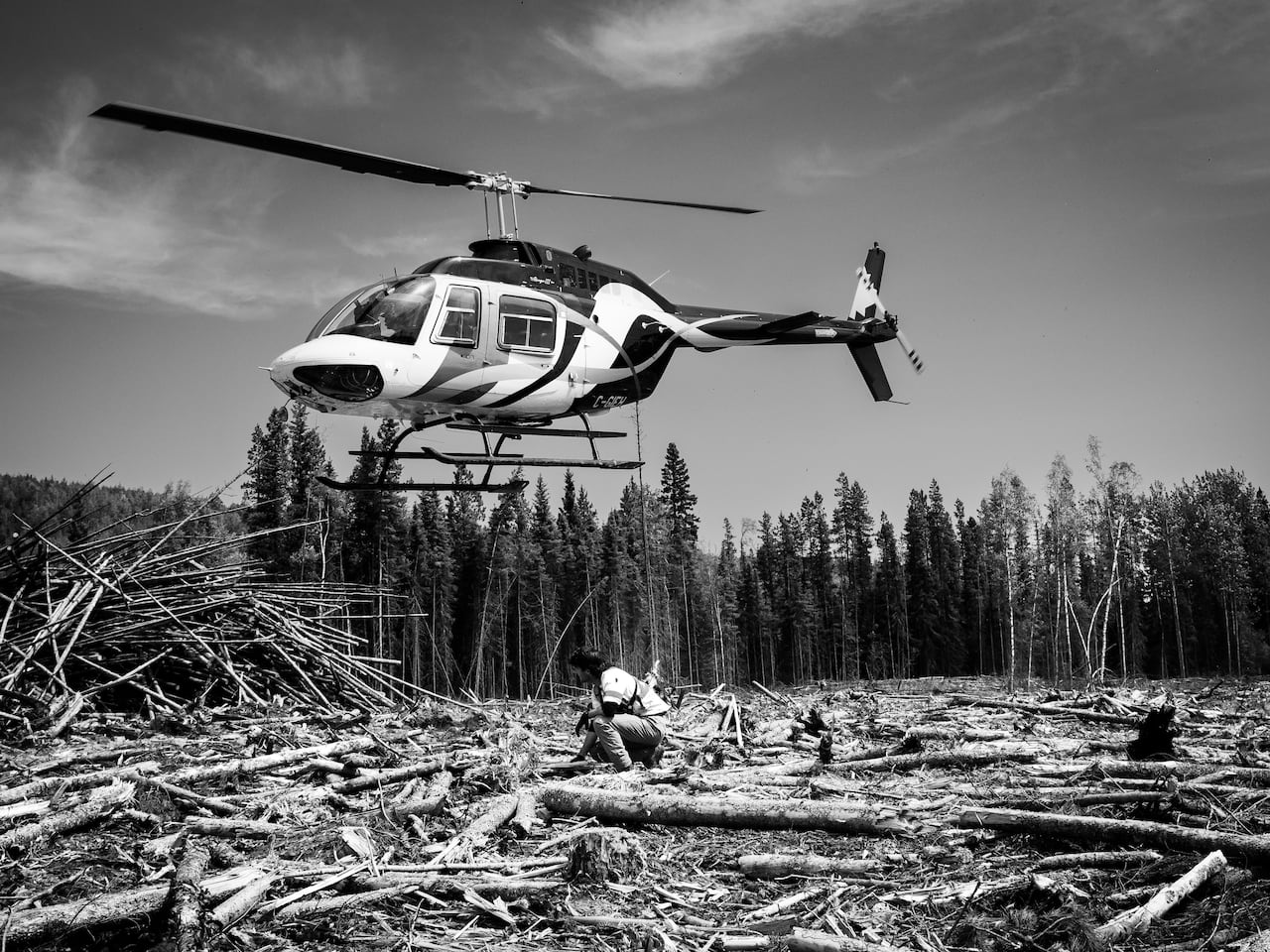 Bonn says tree planters like himself see the impacts of climate change first-hand. (Lola Drewery)
I think, however, my return to the bush hints at something greater. To me, tree planting is deeply, fundamentally Canadian. It is unique to this country unlike few other industries.
Tree planting exists in other countries around the world, but not at the scale with which it is done in Canada. As the planet continues to warm, tree planters experience the resulting forest fires and heat waves first-hand. It’s a vulnerable feeling, but it’s also what I find so endearing about the job. To feel such a deep connection to one’s labour, the land you walk on and the people you surround yourself with. It’s a privilege I find seldom afforded in modern life.
Mention your work as a tree planter to an outsider and you might garner the odd “that’s cool.” However, the shared understanding that passes between tree planters – both past and present – always comforts me. The pain, the suffering, the highs and the lows. Anybody who’s spent a season working the job understands.
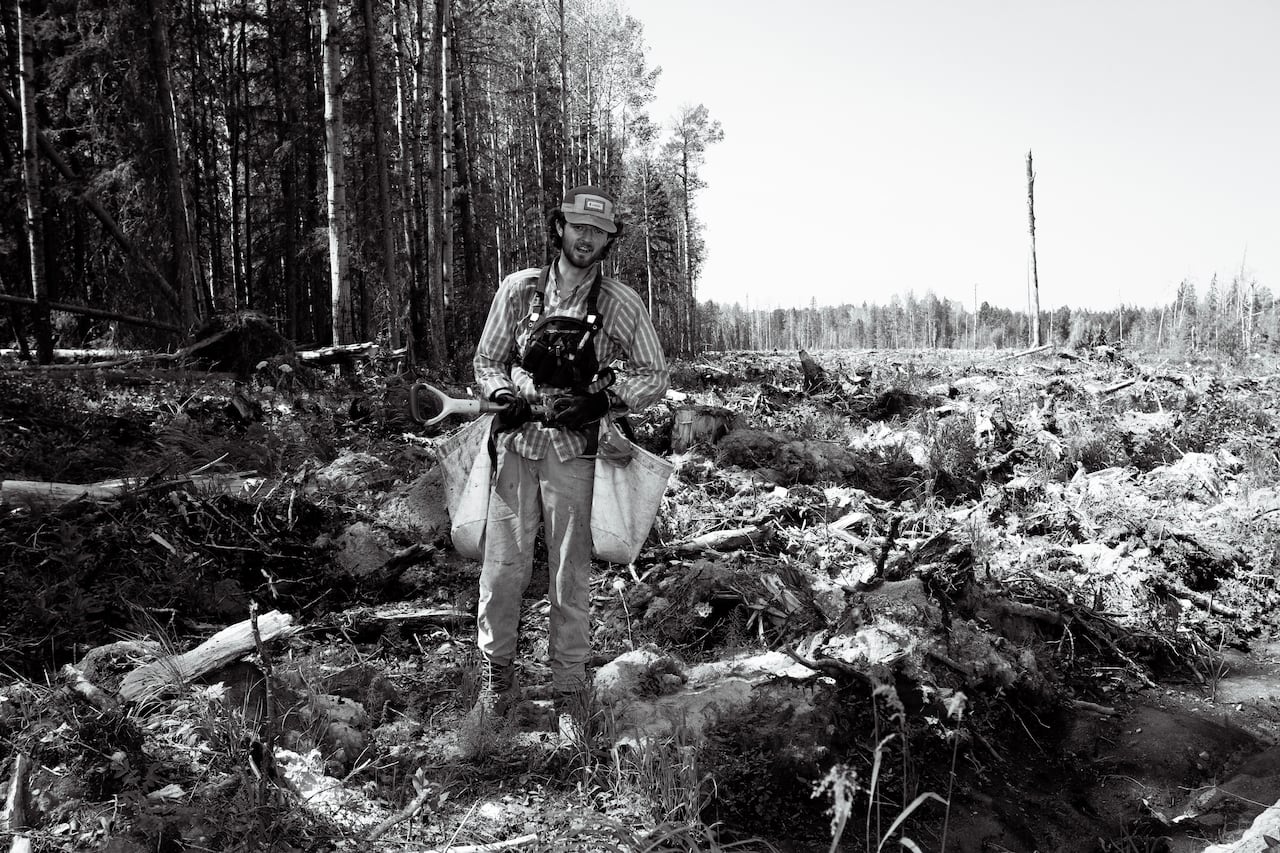 Bonn says calling himself a tree planter is a badge of honour. (Lola Drewery)
When I do eventually leave, I’ll continue to identify as a tree planter. It’s a badge of honour, a rite of passage. It’s community: my first love, mentors, some of the people I’ve grown closest to in my life. Tree planting has offered me a world beyond the small one I grew up in. I have developed a deep admiration for the Canadian wilderness and have seen parts of the country I never otherwise would have.
So for the time being at least, I’ll be continuing my love affair with tree planting. If you need me this summer, I’ll be deep in the bush, planting both literal and metaphorical roots.
Do you have a compelling personal story that can bring understanding or help others? We want to hear from you. Here’s more info on how to pitch to us.