
Maryland health officials are launching a controversial program to help those with severe mental health challenges adhere to their treatment by using a court order to mandate that some patients comply with their medical plans.
The Maryland Department of Health announced Thursday that the Assisted Outpatient Treatment program will allow mental health professionals, family members, friends and others with a relationship to a patient to petition a circuit court for mandated treatment.
Severe mental illnesses, including bipolar disorder or schizophrenia, can interfere with the patient’s ability to recognize that they need medical care, depending on how their conditions manifest.
Such situations can lead to repeated hospitalization or incarceration for an individual suffering from behavioral health challenges, while being heartbreaking for families who watch a loved one’s struggle with mental health.
“For many individuals living with severe mental illness, maintaining engagement and consistency in treatment can be a daily challenge,” Maryland Health Secretary Meena Seshamani said in a statement announcing the launch. “The Assisted Outpatient Treatment program is designed to bridge the gap between an individual’s struggle and effective, consistent care by creating a structured pathway to community-based treatment, stability and recovery.”
But it remains a controversial proposal.
Disability rights advocates have raised concerns that assisted outpatient treatment orders infringe on a patient’s right to make their own medical decisions, referring to the program as “involuntary outpatient commitment.” Meanwhile, local officials are still working out logistics with state officials on how to implement the program.
“We’re going to work to make this program as successful as we can, because this is a serious program,” said Karrington Anderson, associate policy director with the Maryland Association of Counties. “We want to do this in the best way possible, making sure that everything is being considered from the ethical side to implementation and do it as effectively as possible.”
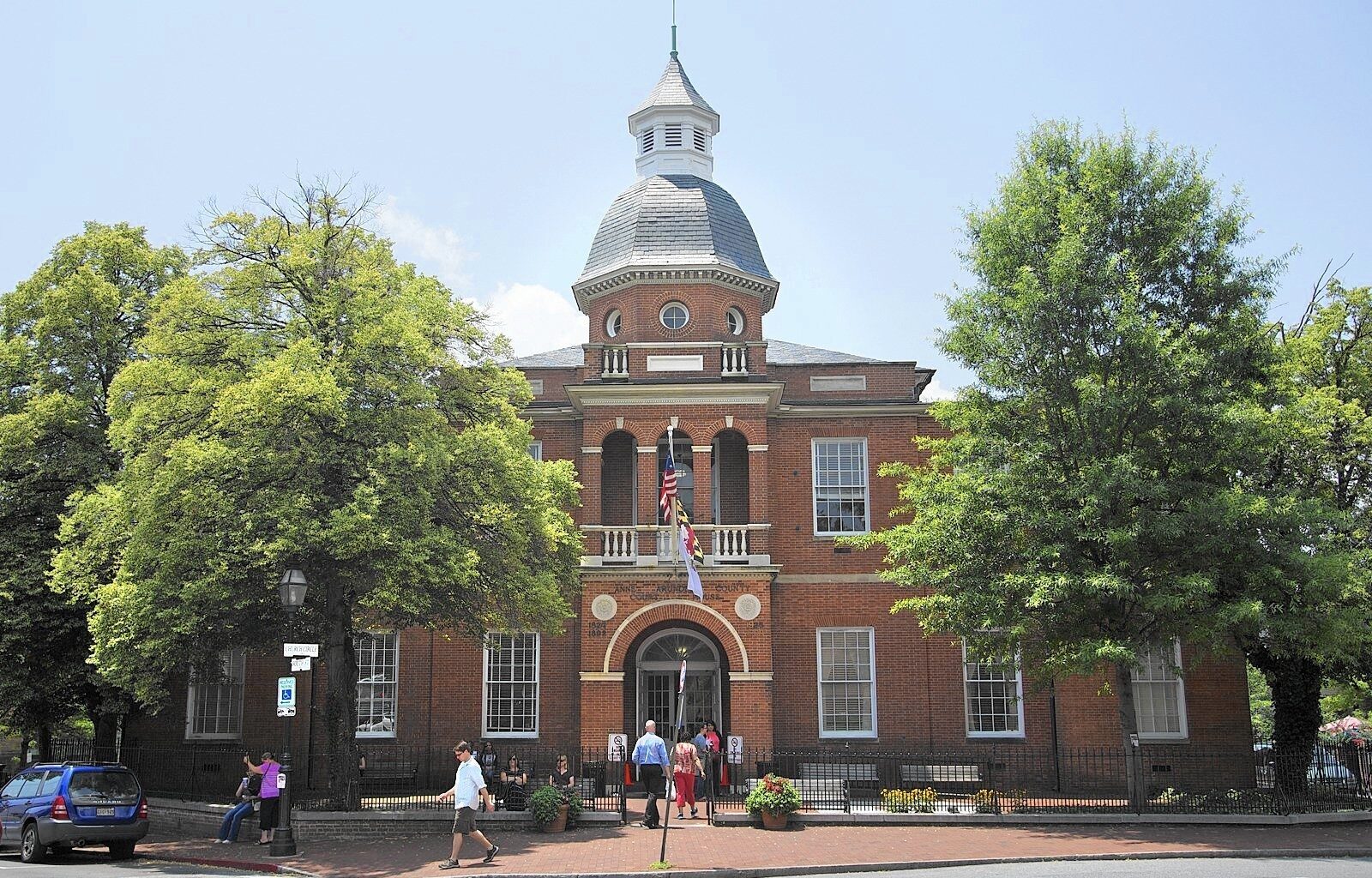
The program starts in Baltimore City, Anne Arundel County and counties on the Eastern Shore, with statewide implementation for all Maryland jurisdictions in July 2027.
Under the program, a medical professional or any person with a relationship with the patient can petition for an Assisted Outpatient Treatment plan using an online form. The “respondent” will have the option to voluntarily enter the plan, but there are few details on what happens next if the patient does not cooperate.
When the Maryland General Assembly debated the legislation in 2024, Maryland was one of just three states without assisted outpatient treatment programs. Disability rights advocates testified against the legislation, concerned by unanswered questions on how enforcement would work.
They worried that the law could lead to traumatizing interactions with state agents, further eroding trust in court systems and hospital settings.
Meanwhile, the program’s development has had some “surprises” over the last few years.
When the bill passed in 2024, local governments had two options. They could develop their own assisted outpatient treatment program or defer to the state health department to build the program.
All 24 jurisdictions in the state deferred to the state health department for implementation, and none opted to develop a county-run program.
“A lot of that was because there were a lot of unanswered questions,” Anderson said. “The health officers and local behavioral health authorities didn’t feel like they had the information to move forward in a responsible way.
“There was a lot of back-and-forth in the interim,” she said. “We feel like we got to a good landing spot.”
But this year, she said county officials were “surprised” to see new budget language requiring local governments to reimburse the state for AOT services provided by the state starting in fiscal year 2028.
Language added to the Budget Reconciliation and Financing Act this past session required counties to reimburse 25% of state funds used for AOT services within their jurisdictions. The BRFA language states that counties would reimburse the state 100% by 2031 for opting into the state-run version of the assisted outpatient treatment program.
It was an unexpected “cost shift” to counties that Anderson said should have been discussed more.
“We understand the state is in a difficult financial situation,” she said. “We would have liked to see that have its own hearing, so there could have been conversation rather than that happening in the BRFA.”
“It’s difficult to figure out how much this costs,” Anderson said. “We still have a lot of questions, but we’re going to partner with the state where we can.”
Maryland Matters is part of States Newsroom, a network of news bureaus supported by grants and a coalition of donors as a 501(c)(3) public charity. Maryland Matters maintains editorial independence. Contact Editor Steve Crane for questions: scrane@marylandmatters.org. Follow Maryland Matters on Facebook and Twitter.