
The tariff train derailed again this past weekend as duties on Canadian goods jumped to 50% for some products, with threats of tariffs on a larger range of goods on Jan. 1.
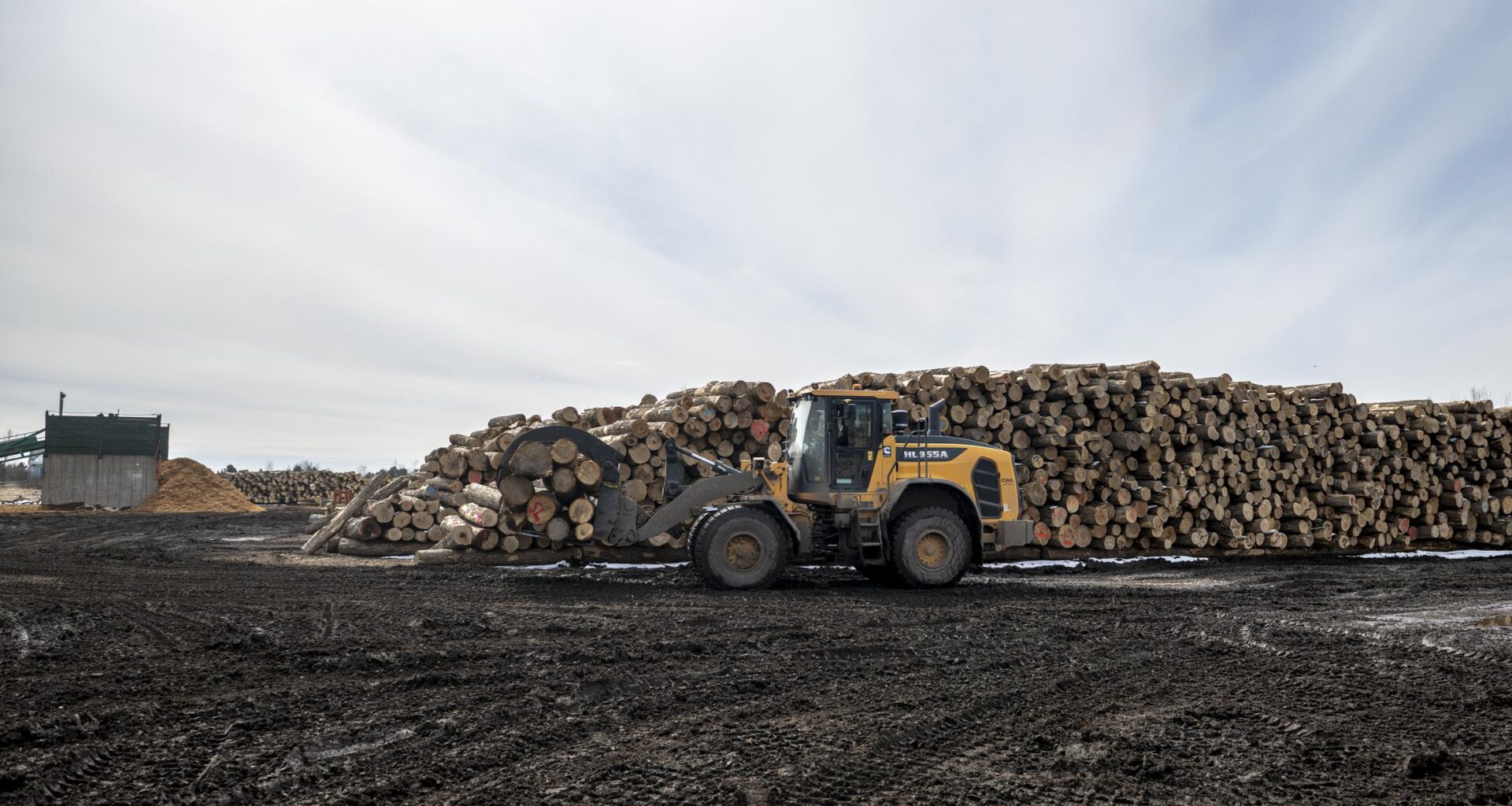
While the construction industry in the Spokane area relies heavily on framing lumber and particle board from Canada, local officials remain guarded about predicting how it could affect things like rebuilding after the Spokane Complex fires.
“Tariffs raise prices. That’s what they do,” said Grant Forsyth, the chief economist for Avista Corp. “Pretty clearly, the administration is fully committed to this, so that’s where we are at.”
The Saturday hikes cover about 5% of Canada’s annual exports to the U.S. They include hockey sticks, wine, beer, some agricultural items, cement, wood products, makeup, perfume, clothing, jewelry, furniture and some electronics. The new duties override protections established under President Donald Trump’s previously negotiated trade agreement with Mexico and Canada.
But on Monday, Trump said he would impose higher tariffs on a wide range of goods following this past weekend’s collapse of negotiations between the two nations, according to the Washington Post.
“Canada has been ripping off the United States of America for years. Their ridiculously high tariffs on our Farmers and farm products has made life impossible for these great American Patriots,” Trump wrote in a post on his social media site, Truth Social. He added, “On January First, 2027, Tariffs on all Cars, Trucks, both large and small, Automotive Parts, and Steel, will be increased to 50%.”
That delay in the effective date leaves time for talks to resume between the traditionally close allies.
After the limited U.S. tariffs took effect early Saturday, Canadian Prime Minister Mark Carney said his nation had been “attacked” by the United States and was “at war.” The Canadian leader said Canada would retaliate with tariffs of its own on U.S. products beginning Sept. 8, the Post reported.
In his social media post, Trump lambasted Canada as “among the worst Nations in the World to deal with.”
Joel White, spokesman for the Spokane Home Builders Association, said local contractors were already dealing with elevated prices for building materials.
Like Forsyth, White wasn’t comfortable predicting how the proposed tariffs would shake out with the local economy until he knows more.
“We buy a lot of lumber from Canada. I assume that’s one of the areas being proposed” for the new tariffs, he said. “We will look to see if there is a societal benefit, but we don’t generally support tariffs or anything that drives up the costs of building houses.”
Forsyth, the economist, noted that the U.S. Supreme Court ruled 6-3 in February that Trump could not use emergency powers to raise tariffs.
As a result, the government has had to give billions of dollars in refunds to companies who paid those higher costs to do business.
“There are some firms applying for rebates from the original round of tariffs,” Forsyth said. “It’s a pretty slow process from the time the tariffs are set to when the Supreme Court invalidated them. Now we are seeing a new round of tariffs they will have to pay.
“So, the whole thing is pretty complicated.”
Companies that imported items that faced higher duties had to make a decision: to either raise prices or continue business with less profit.
“There is no free here,” he said. “If I raise prices, that gets passed on to households as higher costs for goods and services. If I eat the cost of tariffs, that means the households will have lower profits or they have to slow hiring decisions.”
While the upcoming midterm elections may bring a change in the balance of power in Congress, Forsyth noted that the justices may also be asked again to intervene.
“I think a player in this is still the Supreme Court. The administration is doing it again. Are they exceeding the intent of the legislation?” he asked. “As a rule, Congress could have a lot of say about the tariffs.”
The first round of Trump’s tariffs did not cause serious gains in inflation that some opponents expected. Forsyth noted two reasons for that.
“At the same time they were expanding these tariffs so rapidly, we were also benefiting from declining energy prices and an increase in productivity,” he said. “That helped mask the effect of tariffs.”
But that was also before the conflict with Iran endangered as much as 20% of the world’s oil supply that had been shipped through the Strait of Hormuz.
“Energy prices are definitely up again,” Forsyth said. “And so, what we are doing is risking ongoing problems with the affordability crisis in the United States.”