

Listen to this article
Estimated 3 minutes
The audio version of this article is generated by AI-based technology. Mispronunciations can occur. We are working with our partners to continually review and improve the results.
A proposed new provincial forest model aims to assist B.C.’s struggling forestry industry and aid in wildfire mitigation, but environmentalists worry it may lead to conservation problems.
The new model would divide the province’s woodlands into three zones.
A “working forest” zone would prioritize industry and timber harvesting. This would move away from permit-by-permit logging toward a more streamlined process, according to the province.
A multiple-use zone would allow for wildfire mitigation activities, as well conservation and what Forests Minister Ravi Parmar called “light-touch forestry.”
Finally, a conservation zone would be geared towards protecting woodlands. The province said this would support its commitment to protect 30 per cent of B.C.’s land base by 2030.
“Given the challenges our forest sector is facing today, we need to build a working forest for working people,” said Parmar at a Thursday news conference.
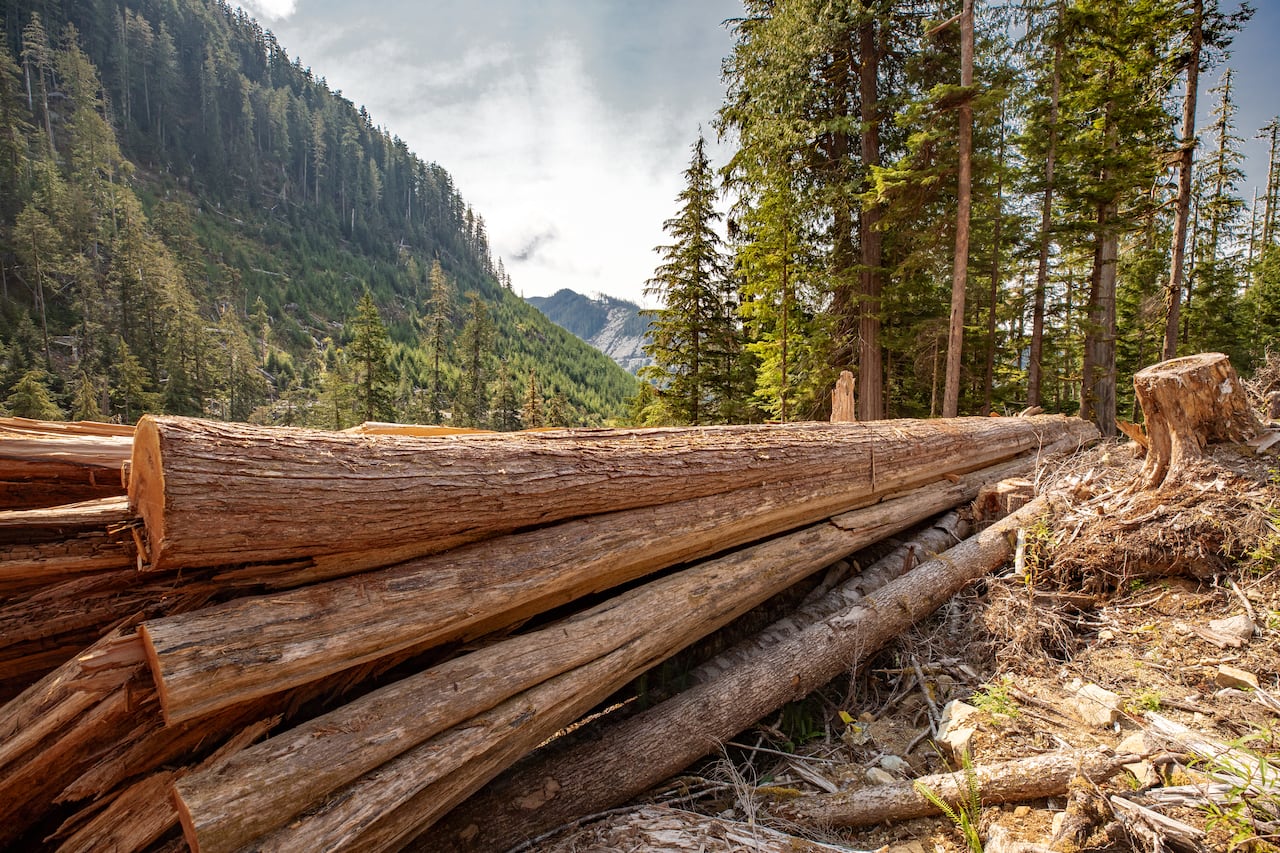 A clear-cut area is seen on western Vancouver Island. The province will be piloting this model at a time when the B.C. forestry industry is struggling. (Michael McArthur/CBC)Industry challenges
The province said it will soon be testing this three-zone model in select areas, which will be announced this fall.
This model aims to support a provincial goal of harvesting 45 million cubic metres of lumber each year.
The announcement comes amid mounting obstacles to the province’s forestry industry.
In July, Canfor announced it would shut down its Prince George mill due to unsustainable losses. This month, Domtar said it would be halting operations at its Sunshine Coast pulp and paper mill.
Incoming 50 per cent tariffs from the U.S. are targeting certain wood products, and they’re expected to do outsized damage to B.C.
Speaking in Summerland, Parmar also acknowledged the devastating Bald Range wildfire that forced the community’s residents to evacuate on Aug. 7. People have since been allowed to return.
“Wildfire risk mitigation is going to be a critical point in this work,” he said. “A working forest landscape model allows us to be able to manage the forests of British Columbia for multiple values.”
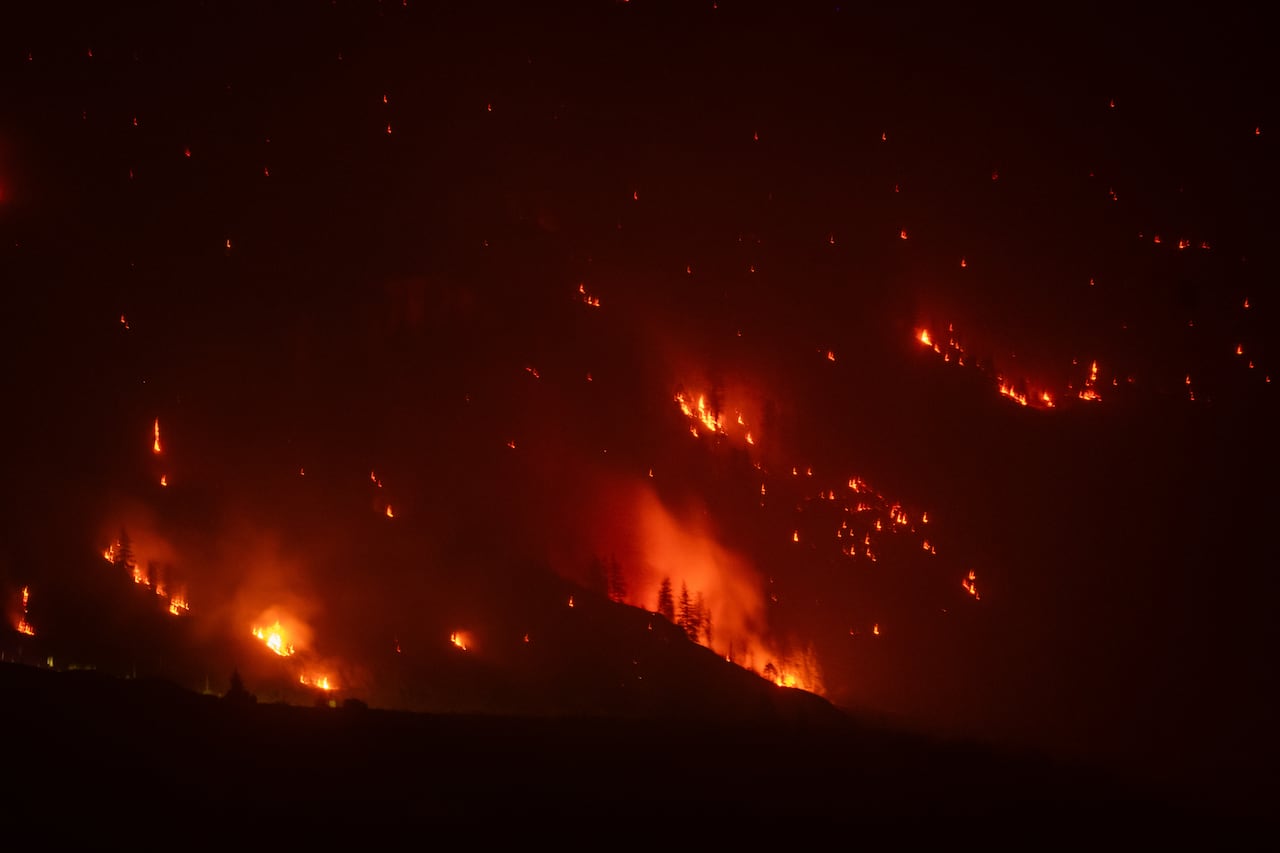 The Bald Range fire is pictured burning between Summerland and Peachland on Aug. 8. The province says wildfire mitigation will be a permitted activity in the multi-use zones. (Ben Nelms/CBC)Conservationists, union react
Environmentalists were quick to respond to the province’s plan.
“We are concerned that this proposed forestry model will create a new barrier for protecting the last old-growth forests,” said Joelle Burnie, forest campaigner with Sierra Club B.C., in a statement.
“A ‘working forest model’ tied to an unrealistic timber target and without clear guardrails in place or clarity on how much forest will be zoned for conservation, could give industry a free pass to clearcut old growth to the brink.”
Burnie called on the province to make widespread consultations and include First Nations in the dialogue.
 The United Steelworkers union, which represents 10,000 forestry workers in B.C., says the province needs to act quick to stem job losses. (Ben Nelms/CBC)
Meanwhile, the United Steelworkers (USW) union, which represents about 10,000 forestry workers in B.C., said the model is a step in the right direction, but urged quick action.
It also called on the province for a Forestry Jobs Protection Commissioner Act to prevent closures, preserve forestry jobs and cut red tape to help the industry weather U.S. tariffs.
“There is no time to waste,” said Scott Lunny, USW’s Western Canada director, in a statement.
“We need to secure a working forest, get fibre to local mills and pass a Forestry Jobs Protection Commissioner Act before we lose more mills and jobs.”
WATCH | Workers devastated as Canfor closes another mill in Prince George: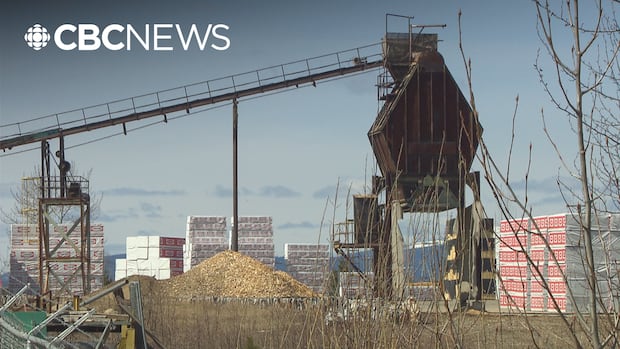
Workers devastated as Canfor closes another mill in Prince George