
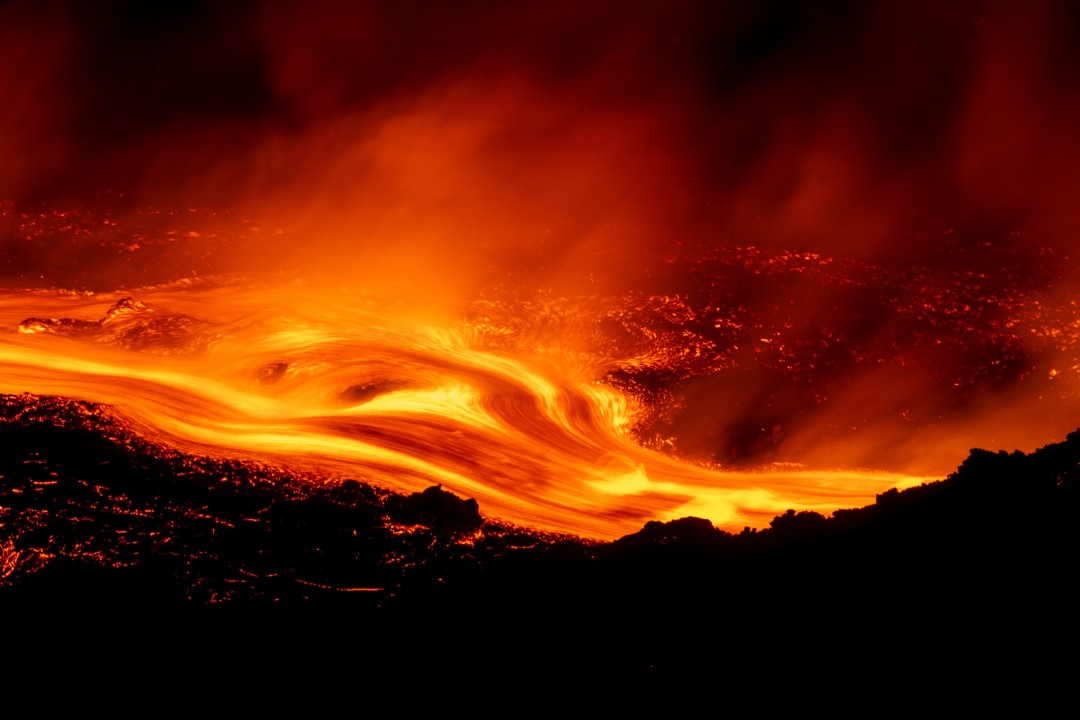
Volcanoes that blot out the sun, solar storms that knock out power grids, a nuclear exchange that wrecks global harvest. They’re scenarios that may seem more at home in a disaster movie than a government spreadsheet. But in an opinion piece for LiveScience, environmental scientist Florian Ulrich Jehn argues that these low-probability, high-impact threats are real enough that nations should be planning for them now—especially because they share one brutal common denominator: a massive shock to the world’s food supply.
Jehn notes that official risk registers in countries like the UK and Switzerland tend to cap their worst cases at thousands of deaths and billions in damage, stopping short of modeling “Black Swan events” like global famine, extended blackouts, or nuclear winter–scale events. Yet historical data suggest “global catastrophes are not as unlikely as they feel,” he writes. Jehn lays out three priorities: formally include these scenarios in national risk assessments; negotiate emergency trade rules before such a crisis hits (he details why panic-induced export bans are problematic); and fund pilot projects for “resilient foods” that can be grown with little sunlight or fertilizer. Read his full argument here.