
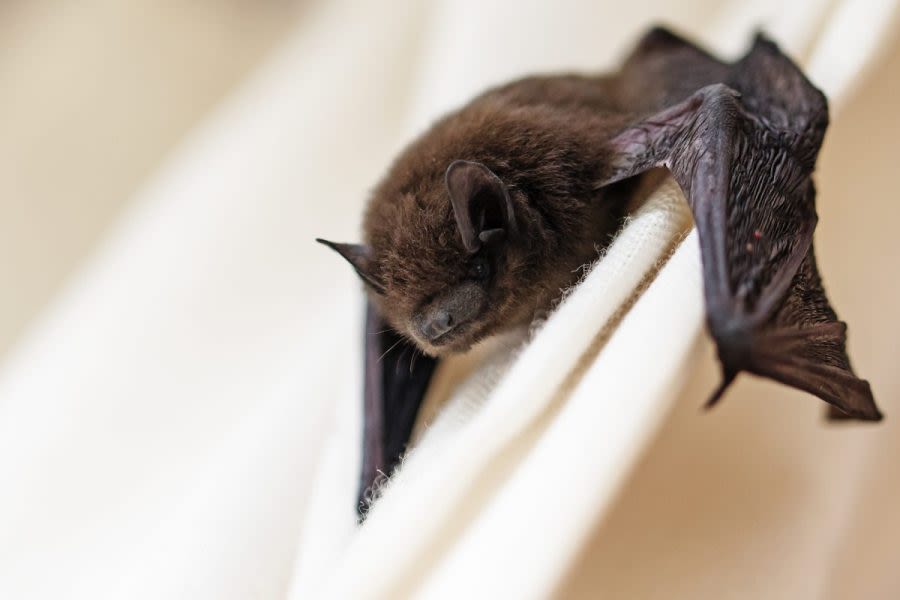
DEWITT CO. (WCIA) — A bat that was collected in DeWitt County recently has tested positive for rabies.
In a release on Friday, the DeWitt-Piatt Bi-County Health Department said they have received notification from the Illinois Department of Public Health that a submitted bat specimen has tested positive for rabies. The bat was collected for testing after the health department was notified of a potential exposure, limited to a vaccinated pet a Clinton residence.
Cooling centers open to help Central Illinois residents beat the heat
The department said while all animals can contract rabies, it most commonly found in raccoons, foxes, bats and skunks. The virus is transmitted to humans through the saliva of an infected animal from a bite or scratch.
Less commonly, rabies can also spread by means of saliva or brain material of the infected animal through contact with the eyes, nose, mouth or any open cuts/lesions. With bats, the bite is often small and difficult to locate. Therefore, close contact inside the home should be considered a potential exposure.
The virus affects the central nervous system and causes inflammation of the brain if left untreated. This is considered rare and life-threatening but is preventable. The following precautions can help prevent the spread of rabies:
Never approach animals that appear to be sick or injured
Keep pets up to date with rabies vaccine
Maintain homes to prevent bat entry points
Immediately contact the health department if you or someone you know was bitten or scratched in an unprovoked attack by an animal
Illini fans dealing with severe heat during first football game
If a bat is found inside the home, people should immediately contact the DeWitt-Piatt Bi-County Health Department to talk about further guidance. People are urged to not release or dispose of the bat because it may be requested for further testing.
To capture a bat, follow these steps:
Apply gloves for your safety
When the bat lands, approach it slowly and place a box, coffee can or similar large sealable container over it
Slide a piece of cardboard under the container to trap the bat
Securely tape the cardboard to the container. Punch holes in the lid to allow the bat to breathe
If the bat is dead, place the specimen in a sealable container and await further instructions from the health department
This incident is considered an isolated case and risk to the public remains low. If you have any questions, contact the department’s Infection Control Nurse at 217-935-3427.
Copyright 2026 Nexstar Media, Inc. All rights reserved. This material may not be published, broadcast, rewritten, or redistributed.For the latest news, weather, sports, and streaming video, head to WCIA.com.