
SEATTLE — Warning that Seattle’s economy is at a “fragile moment,” Mayor Katie Wilson has ordered the creation of a new task force aimed at helping businesses “start, stay and grow” in the city as leaders grapple with layoffs, empty offices and a shifting regional growth picture.
“We are in a fragile moment,” Wilson said.
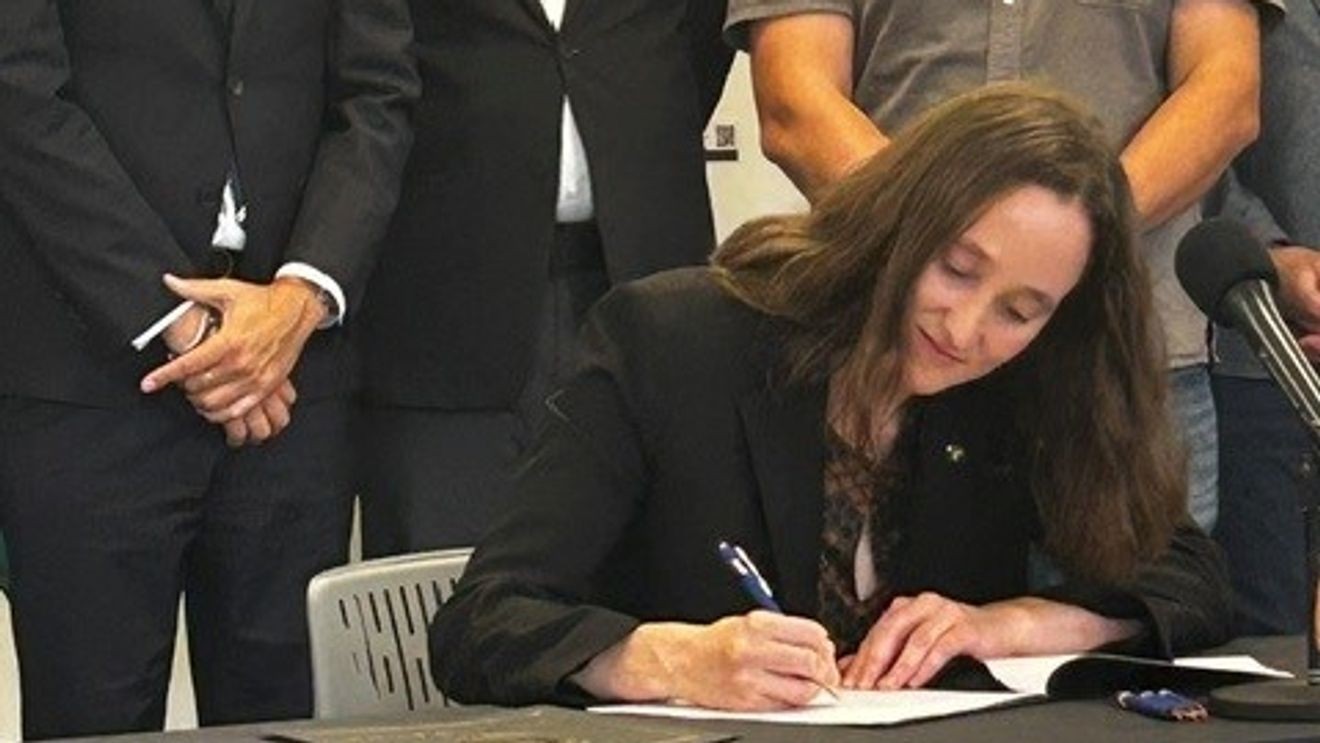
Wilson signed an executive order directing a task force to recommend ways to strengthen the city’s economy and build what she has described as a “resilient Seattle economy.” The effort is expected to unfold over a year, though the plan’s price tag and funding source remain unclear, including whether businesses could be asked to help pay for it.
RELATED | Seattle Mayor says new public safety plan to be announced soon amidst heightened concerns
“When we can no longer take that unstoppable growth for granted, and we must work together to find new ways to build a more resilient economy moving forward,” Wilson said.
The executive order comes as the city faces visible economic headwinds, including tech layoffs, office vacancies, boarded-up storefronts and growth shifting to Bellevue and other areas. It also follows an independent economic assessment that praised Seattle as a “superstar innovation hub” but raised concerns about the city’s readiness to capitalize on the moment.
Ryan Donahue, with Formation, an economic development consulting organization, said Seattle is “economically far better positioned in the medium term than I think most people recognize and Institutionally less well equipped to take advantage of this moment.”
Donahue said the city’s growth cannot rely solely on attracting high-paid workers from outside the region, which can further drive up housing costs. “But the math really only works in the end if all of that is paired with real efforts to include workers and entrepreneurs from Seattle in the industries that are driving the next wave of growth,” Donahue said.
RELATED | Mayor Katie Wilson to debut new gun violence strategy, budget after Belltown shootings
Wilson said the effort will also require city departments to coordinate more closely to help businesses, including fast-tracking permitting, reducing startup barriers, filling empty commercial spaces and expanding housing and child care.
“This part of the executive order directs OED to plan a strategic initiatives fund. It will be designed to deploy flexible capital to support businesses in key industries,” Wilson said.
Questions remain about the cost and where the money would come from, particularly as the city faces a $175 million deficit in 2027. KOMO News attempted to ask Wilson about the potential for increased or new business taxes, but her staff whisked her away, saying she did not have time to talk.
Jon Scholes, who leads the Downtown Seattle Association, which represents more than 600 businesses and nonprofits, offered a more critical view during the mayor’s news conference and executive order signing, calling Seattle’s economy sluggish. Asked about the possibility of new or increased business taxes, Scholes said, “I think more taxes will mean fewer jobs in Seattle and that’s what we’ve seen over the last six, seven years. It’s why we’re losing out to Bellevue in many ways.”
PREVIOUS COVERAGE | Seattle interim chief gives update after 3 deadly Labor Day weekend shootings in Belltown
Scholes also thanked the mayor for her leadership and said the effort is a good start. “I think it’s a positive first step. There’s a lot of work ahead, but we’re, I think, acknowledged in the reality that we face today in Seattle, which is we flatline when it comes to job growth. And we have a city government that says they want do something about that, so we should take them at their word and engage with them,” Scholes said.
The task force will begin meeting next month, with an initial recommendation to the mayor in February and final recommendations in one year.
Beto Yarce, director of the Office of Economic Development and the task force leader, said the message from City Hall is immediate. “Seattle is really open for business,” Yarce said.
Wilson also said the broader effort includes reducing homelessness and drug use and improving public safety.