
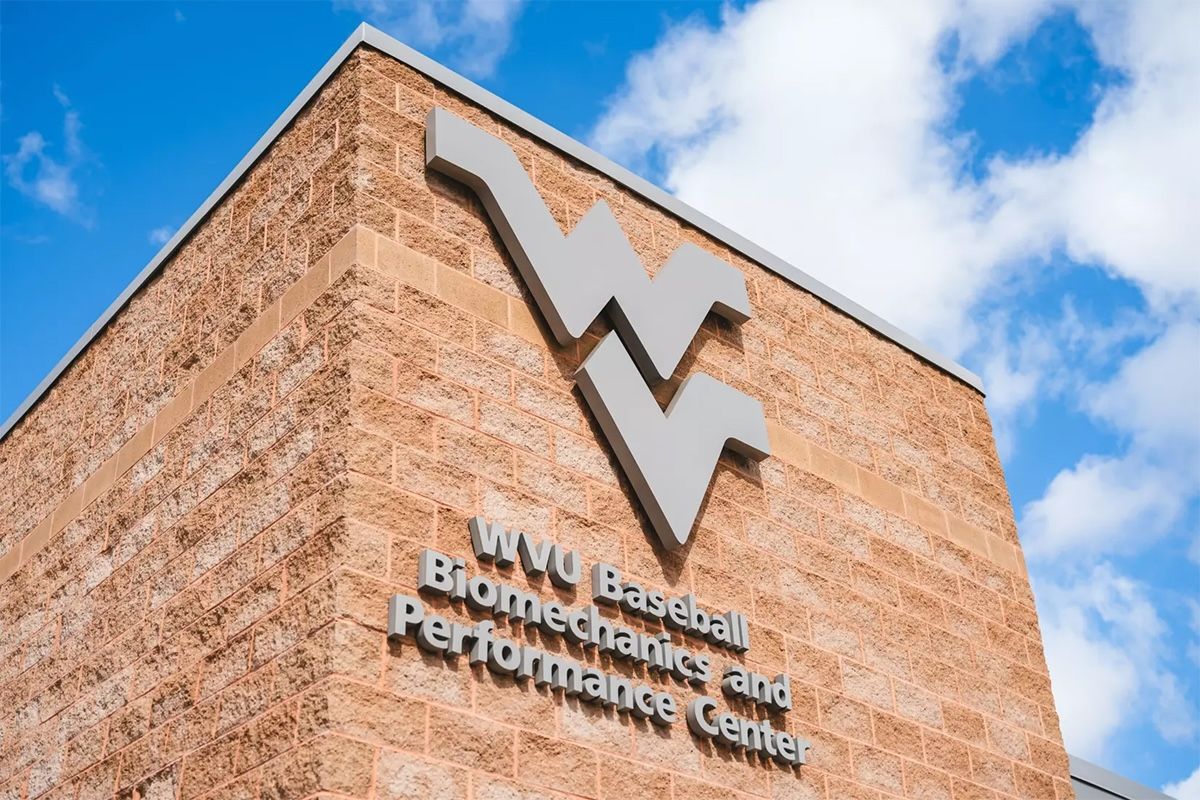
In The Washington Post, Courtney Semkewyc, Steve Sabins, and Dana Voelker discuss how the Baseball Biomechanics and Performance Center benefits undergraduate students and affects the health of Major League Baseball players.
From the article:
West Virginia’s staff leverages measurements tracking their subjects to suggest tweaks to their form, redirecting energy away from the parts of their body experiencing the most stress. In turn, pitch and swing velocities increase, lowering cases requiring Tommy John surgery. While other schools improve performance, the Mountaineers want a niche in sustainability.
“Our [lab] is just better,” jokes Steve Sabins, West Virginia’s 39-year-old baseball coach and the maestro of this experiment. “Everyone can present data; not nearly as many people can tell you what it means. And we translate it for players better than anyone else. We have mad scientists.”
This approach is led by Semkewyc and her crew. In just two years, they have grown a year-round, daily schedule with sessions serving Little Leaguers to MLB Gold Card members — and they expect even more MLB stars if a labor dispute delays or scuttles the 2027 season.
“If you want to get better, those are tools that are going to help you get better,” Paul Skenes says. “[They] invested in facilities and coaching. It’s the real deal.”
But there’s just a bit of data West Virginia doesn’t share with everyone. The “mad scientists” tweaking pro players’ swings and fixing Skenes’s arm?
They’re college undergrads.
To request the full article, send an email to WVUToday@mail.wvu.edu.