
Twenty years after raising the Stanley Cup as captain of the Carolina
Hurricanes, Rod Brind’Amour did something very few have been able to do: win
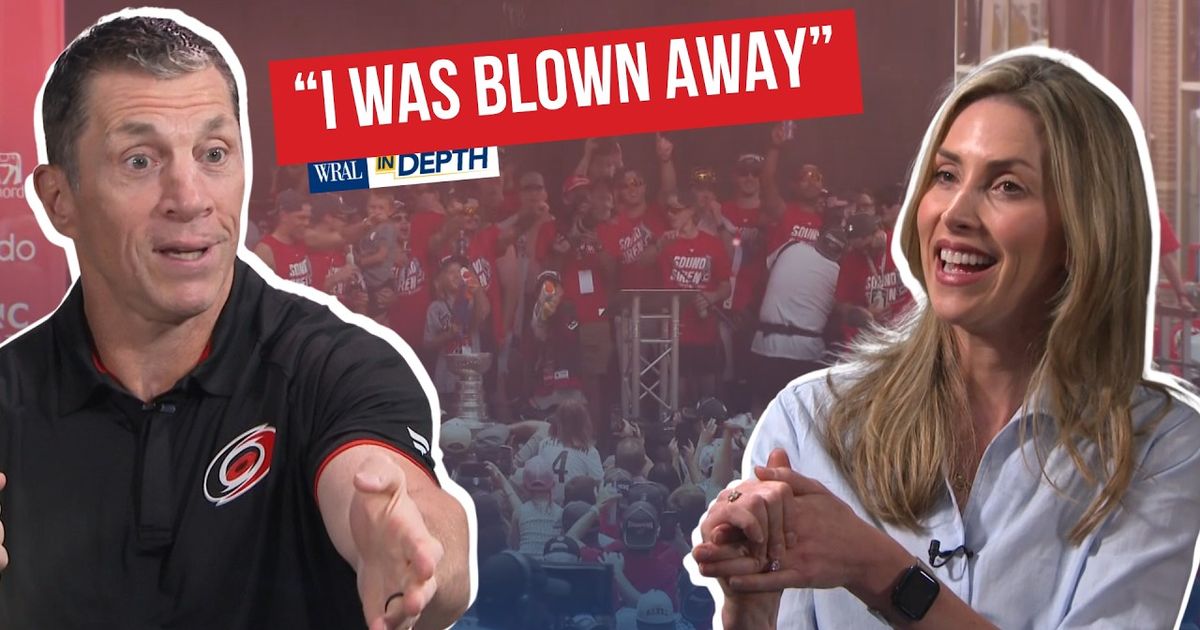
as a player and then win as a coach for the same team. As the Canes prepare for a new season, WRAL’s Ashley Rowe speaks one-on-one with coach Rod Brind’Amour. Ashley and Brind’Amour unpack the run to the Stanley Cup, the celebration through
the streets of Raleigh, and how the race to the top is about to start all
over again. Plus, a special cameo from Brind’Amour’s hockey role model.
You can watch the full interview here. This interview took place on August 26th, 2025.
Ashley: So, this is probably the most fun summer that that
your guys have ever had. You know the feeling well. What has your summer been
like, and watching these guys experience theirs?
Rod: It’s been really
enjoyable for me to watch. This is where social media has, the only probably
good thing you can say about it, really, is like, I’ve just been following the
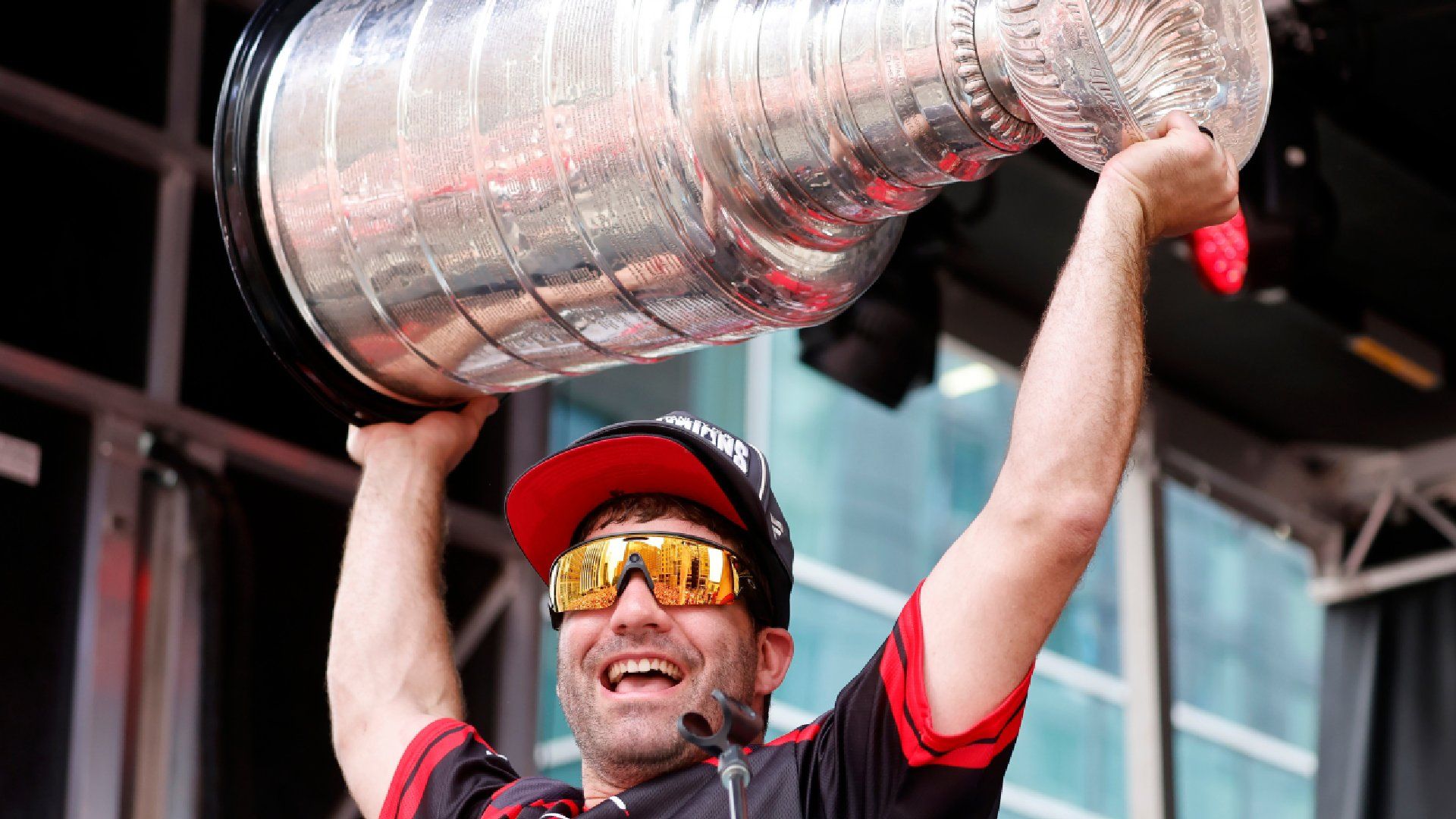
guys around and their days with the Cup. The real fun was right after we had
won, those first few days when they were really having a good time. You know
how much work goes into it, I see it every day, that you want them to have that
reward and enjoyment, because, you know, that’s what life’s about. You achieve
something special, you want to be able to celebrate it. And then, you know,
unfortunately, we got to turn the page here, but you got to enjoy it when you
can.
 © AP Photo/Karl DeBlaker
Ashley: We’ll talk
about that in a minute. But speaking of social media, I saw this one post, and to
me, it captured just the core guys, the amount of work that’s gone into [winning],
the relationship that your guys have, especially that core. When Jordan
Martinook went to Seth Jarvis’s day with the Cup, and [Martinook] surprised [Jarvis],
and just, what a moment.
Rod: I’m glad you
brought that up. That, to me, because I was surprised as everyone that he did
that, but that just kind of shows you know, I’m sitting from afar kind of
watching all these guys, but we are family in here, and they’re brothers. And
it’s That was kind of the reaction that they had, and it was again, it was great
that it was caught, because I get a little bit chills just thinking about that.
That’s You can’t make that up. You know, these guys, they’ve been through so
much together and to achieve that, they want to celebrate it together. So,
they’re just happy for each other that they get to do this. And that kind of
comes out when you see stuff like that.
Ashley: You’ve got
your day with the Cup later this week, right? What are you going to do for it?
Rod: Well, yeah, it’s
interesting, because you want to celebrate it with people that have helped you
get here, right, or a part of it. And then, because I’ve been here for so long,
I mean, there’s so many people, and we started going down the list, I’m like,
oh my gosh, we’re going to be, you know. And then my wife’s from here too, and
when you do this, it’s not just about you, the family, everyone that
contributes to helping you, you know, achieve winning the Stanley Cup. And so
now, it’s gotten pretty big. We’re trying to just bring as many people as we
can. Everybody wants to see it, everyone wants to get a picture with it. We
also going to take it to, you know, we’re going to [police] headquarters
because I really think these guys, they do so much for us that kind of goes
under the radar, and I want to give them an opportunity to kind of celebrate it
and show my appreciation for them. So we’re making little stops. I don’t want
to say too much because I don’t know when this airs, but can’t can’t have too
many people crowding in here. But we’re just kind of hitting that as we go
along the day, and really just trying to celebrate with people that have helped
us.
Ashley: You mentioned
the police, and I know you were so appreciative of all the work that went into
the parade, because while you have you have won the Stanley Cup before as a
player, you have not experienced that.
Rod: No, no, I was
blown away. God willing, we have those memories, because that was something
that, you know, in ‘06 we did it, and it was nice. It was a good parade, like
it was cool, and I was just expecting kind of cool. And then right from the
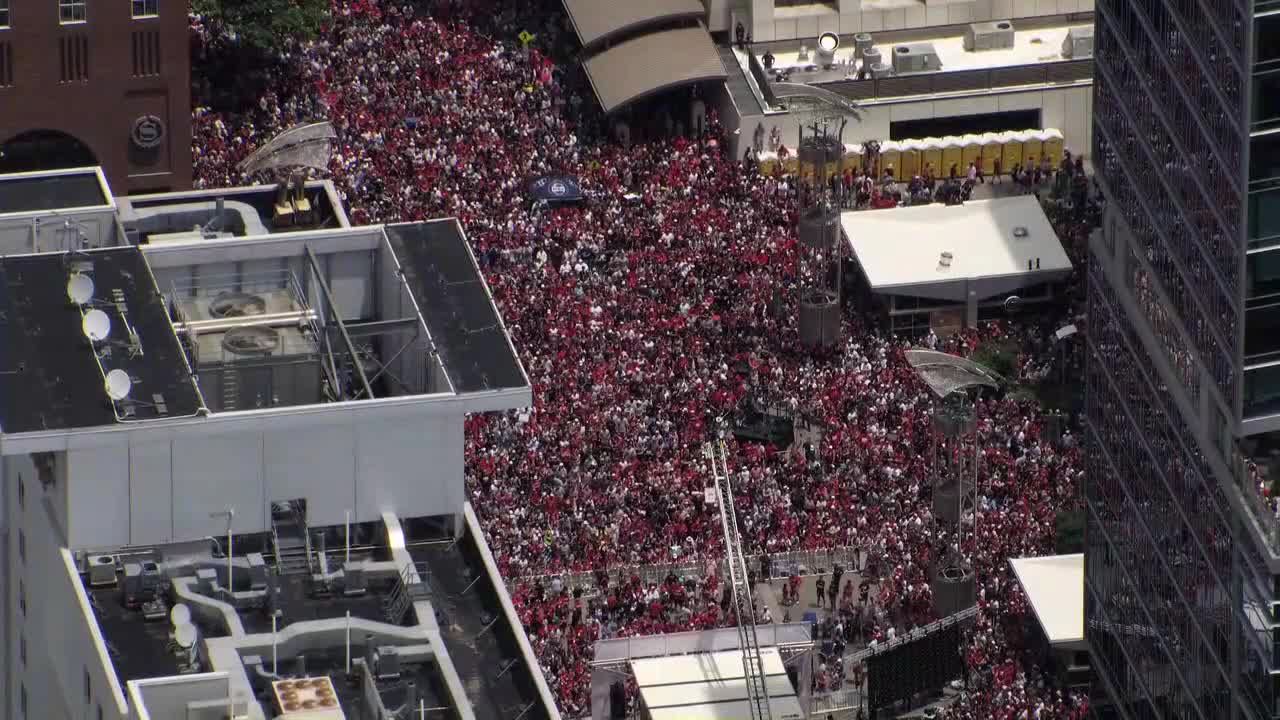
get-go, it felt different. The way there was just people lined up from way out,
and then just it was just massive. Every time we’d turn a corner, there’d be
more people. But how well organized it was and how well behaved everybody was,
this was fun. Everybody was enjoying themselves. People that I think would
never talk to each other or even, you know, be together were celebrating
together the right way. I think everyone just liked to win, and they’re all
part of it, and that’s what I felt. Because we’re in a bubble here, you know. Every
day we’re together, we’re not watching what’s going on, you know. We’re staying
focused. And then you kind of realize how much winning the Stanley Cup affected
this whole community in a positive way, which, man, if you could bottle that up
and you could air that on your news every day, that feeling, like that’s what
we need more of. So I was like, this is incredible. Just the way everyone was
happy they won. And I don’t even know that they were all Hurricane fans down
there, but they won, too. You know, everybody was a winner that day, and that’s
why we got to continue try to keep doing this.
Ashley: We saw you
going down the parade route. Take me
inside your mind as you’re going along the parade route, and you’re just seeing
lines of people. I imagine when you were
on stage, for as far as you could see, it was just people.
Rod: I was just, like
I said, I was blown away. I kept thinking, okay, we’re going to turn a corner,
and that’ll be the end of it, and then it was just more and more people. They
were stacked up on their buildings. But you weren’t worried that people were
going to beat each other up and push each other over, it was just very, like I
said, it was very uplifting for me. I wanted to be able to shake everyone’s
hand. It was going so fast, but again, it was it was a great memory that I
think everyone shared that was there. I felt like everyone in Raleigh was here,
and beyond. It’s one of those things you’ll never forget.
Ashley: Let’s look to
the season ahead. September 15th, you got the guys back full-time. What’s going
to be that first conversation that you have with them in the locker room?
Rod: Yeah, it’s
coming quickly, and that’s good and bad, right? I mean, [the guys] didn’t get a
lot of break here, as far as time, and that’s going to be something that we’re
going to have to address, and we’re going to have to get dialed in. Everyone’s going to be trying to, you know,
tell us how great we are, and yet that race is over. You know we got a new race
to get into. So there’s going to be the human nature part of it. I think because we have pretty much the same
group come back, you know they’re going to be hungry to do it again because
they did achieve this, and they they’ve all recognized how awesome it is. And
they know how hard it was to get. It’s not like they don’t remember how to do
it. But there’s going to be a little bit of a challenge just because of the
short summer. You know, one of the things that this group has done, I think,
amazingly well over the last 8 years is the off-season, where they came ready
to go. If you look at our record at the start of every year, it’s like we’re blowing
teams up for the start. And that allows us at the end of the year to kind of
shut it down. There’s a lot of little
good things that we do as a group that we weren’t able to do this summer
because we won.
Ashley: So the partying
this summer isn’t going to slow them down?
Rod: I hope not. We’ll
have to address that, but I think we have such a good group of guys. They
understand what they have to do, and we’ll get after it.
Ashley: So the hunger will still be there. You’re confident
in that?
Rod: Yeah. Exactly.

Ashley: I interviewed
Barry MacKenzie during the Montreal series.
Rod: Oh, you were You were the one. Okay. Okay.
Ashley: And I asked him, ‘what does Rod need to hear from
you right now?’ Because you had mentioned his name during one of the press
conferences. And he said, ‘Coach the way you play.’ What does that mean?
Rod: Wow, I know
like, first of all, you’re talking about Barry MacKenzie, who he was a mentor
to me. He’s the best coach in the world that there ever was, that I’ve come in
contact with, and I’ve come in contact with amazing coaches. And he coached me
at the right age, which I think, like I get a lot of credit for coaching, but I
get the best players when they show up. They’re all really good at this level, and
they have good habits, I’ve just got to kind of fine-tune them a little bit. At
13, 14, 15, 16, that’s when you want to be around good coaches, because they’re
creating those habits and make understand how to play, and that’s what this man
did, Barry MacKenzie. And so at Notre Dame, he just instilled the work ethic.
Like you can’t build on anything if you don’t have that. Like you can work on
all your skills and you can do all this, but if you don’t have that foundation
of being super competitive, it’s the rest is going to fall off. It’s just not
going to stick. And so, that’s kind of what he meant, I think. Just making sure
we instill that in your group, and I think we had a pretty competitive group
here.
Ashley: You mentioned
skills in a in a recent interview that you did. You said, ‘you can have all the
skills, but this is where I really learned to play’. What’s the difference?
Rod: It’s understanding
the game, like individual skills obviously important. You have to be able to
skate and shoot and, you know, all that. But if you don’t know where to be, if
you’re not in the right spots, the game’s going to catch up with you. Like, I
can I can reference guys we know, like I’ll throw them under the bus here a
little bit. Like go back in the day, Justin Williams. He could not skate. He
was very slow, but a super intelligent player. So he was just always on top of
the puck. He seemed to always have it. He was always making great plays. That’s
kind of what I’m talking about. If he didn’t know how to play, he would never
have succeeded in this league, I don’t think. But he was so smart that had an
unbelievable career. So, that’s kind of what I’m referencing. There’s not many
guys that can play in this league that don’t know how to play. It doesn’t work.
Ashley: I want to just talk about your relationship with the
community. You know, you’ve obviously become entrenched in the community over
the years. When you retired as a player, you could have moved anywhere. I mean,
frankly, you could probably move anywhere now, right?
Rod: Maybe. My wife might have some say in that,
Ashley: Is it your wife’s connection to the community that
kept you here? What has it been that has kept you here and and continues to
keep you here?
Rod: Time gets
everybody, right? And so I feel like I’ve pretty much seen everything that
there is, and been everywhere, and there’s no better place to call home. Number
one, I have roots here now, so you have your family, you have friends, and so
that makes it easy. But just initially when I moved here, my first time here, being
around the people, how gracious they were. That was different. It was something
different. And I right away I was like, man, this is this is unique. And then
obviously to watch the hockey here grow and the Hurricanes and the success that
we’ve had, just kind of see it go from the ground. And now, it’d be hard for me
to certainly work somewhere else. Who knows when that ends, but it just would
be wouldn’t mean quite the same to go somewhere else to do. I know I’m a doer,
so I’ll be always working. But this is where I live, and this is, like I say,
my family’s from here and I don’t know that there’s a better place. I mean, I’m
sure there are as-good places, but where I’ve been, not to raise a family and
not to do what I like to do. This is as good as it gets.
Ashley: You talked about the family. Brooks sometimes plays here and we’ve captured
you on camera coaching his team and as well. When you’re coaching the best in
the world and then you’re also coaching these young guys who, as you said, need
you know, they need mentors as well as coaches. What’s that like having that
juxtaposition?
Rod: It’s interesting.
People would think, you know, like I’m not the coach, but I help when I can. When
I’d be on the ice, the kids are like, ‘Who’s this guy?’ Like it’s funny because
I’m just a dad and I’m out there coaching. They know that I know my stuff, but
there’s no, you know, they it’s great. And I love it because I actually try a
lot of things with them first. You know, is this drill gonna work? Let’s throw
it on the little kids and see how they accept it. And oh, that’s not gonna
work, or, yeah, that might work. You know, like it, and we’ll go over the same
video like that I show my guys. I’m gonna I’ll test it out on them, some
things. I get a little dry run on the kids, because they’re at an age now where they can
understand that stuff. My son’s out there, why would I sit in the stands? You
know, I mean, that’s what I know. So I try to help when I can, but I enjoy it.
I enjoy being around the kids, I enjoy watching them get better. That’s what
it’s all about.
Ashley: Let’s end on
this: message to fans as you get a new season underway?
Rod: Yeah, I’m glad
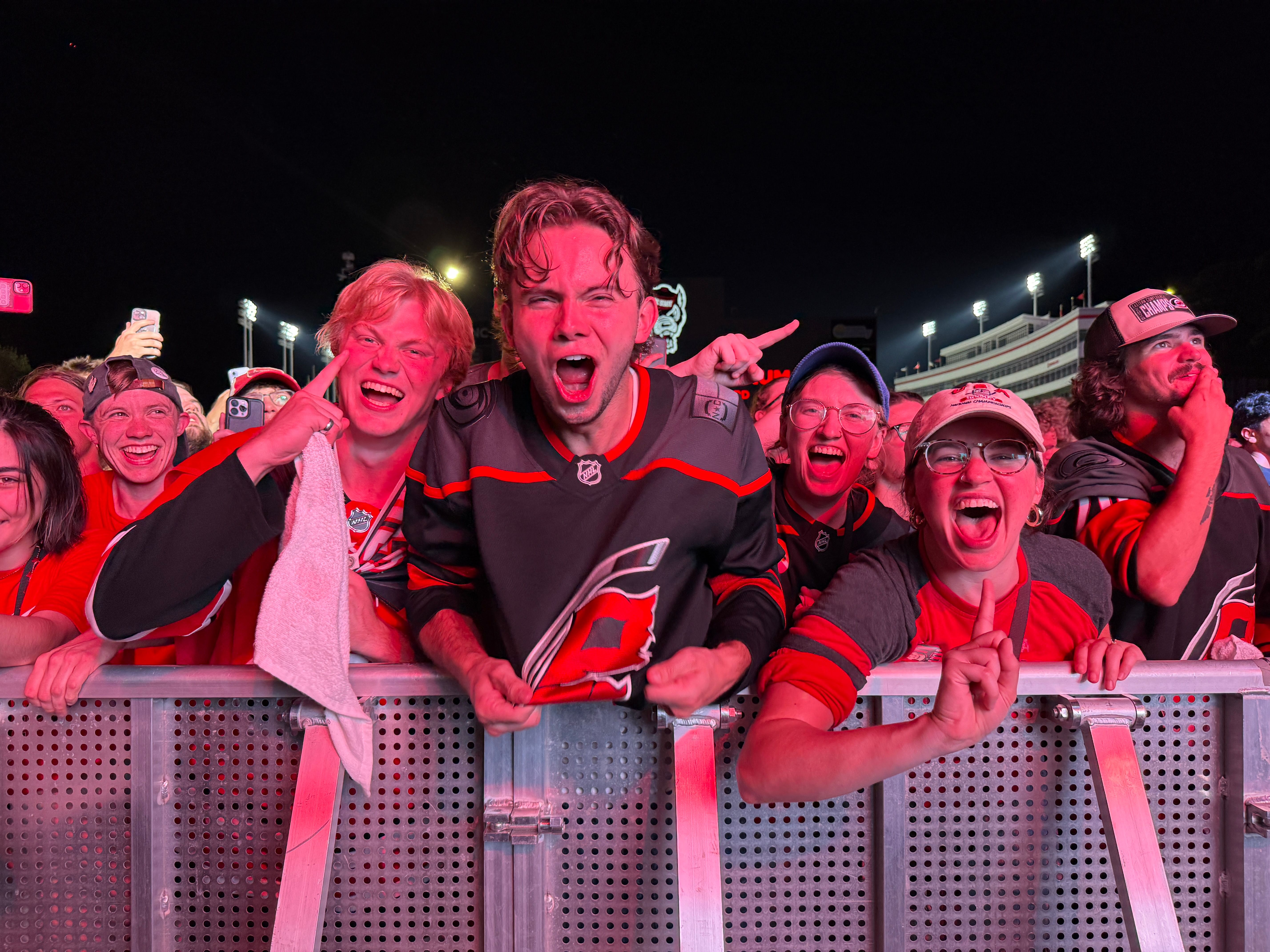
you mentioned that. The Caniacs, the people that support our team, I think we
have a special relationship with the players and the fans. I think it’s unique.
First of all, we understand the home-ice advantage that we have. Like our
building, people are giving us credit now, but they never really wanted to. But
now people will say, like where’s the worst place to play? You know, if you’re
a visiting team and it’s like, yeah, it’s the Hurricanes. I mean, because of
how loud it is. Our fans support us. They don’t sit on their hands. They’re
actually getting really knowledgeable about hockey. They get what’s going on,
and it’s such a boost, right? I don’t know if it’s the most important thing,
but it’s really right up there, that support that we get. Look at our home
record over the last eight years. Like, I mean, come on. Eventually, it has to
add up, right? I’ve seen it from even when the team wasn’t so great. You know,
they were still coming out and they were still doing the same. They were
cheering us on. For me, especially in this community, I think we’ve brought
everyone together. We brought the State fans, and the Duke fans, and the
Carolina fans to finally cheer for one team. Everyone understands that around
here. We’re their team, and I think that’s really what’s cool about it. Again,
with the support of the community, support of the people that stuck with us.
Like, there was a time here, and it wasn’t just one or two years, it was there
was a eight or nine-year period where we just couldn’t get over the hump, we
couldn’t even really gain any traction, but it never felt like the fans left
us. And now I feel like we’ve rewarded them with a team to be proud of, right?
Like maybe we only won once over these nine years, but like you’ve got to be
proud of this group with the way they go out every night, and you know, that’s
really was the goal. We obviously want to win every year, but we want the
people to be proud of their team, and I think that’s what we’ve accomplished.
I’m blessed because of that. I’m blessed because I’ve been able to be here as
long as I have, play, and then and now coach and be a part, like you we talked
about the community. It’s home, and I feel there’s not many people in pro
sports that have actually have that. I don’t know any that got to play in a
great spot, and then be a part of that, and then coach that, and live here, and
have your kids grow up here, and then call that home. I don’t know how many
people have had that, and so I don’t take it for granted.
Ashley: Well, thank you for everything that you’ve done for
and continue to do for the community.
Rod: Thank you very
much.