
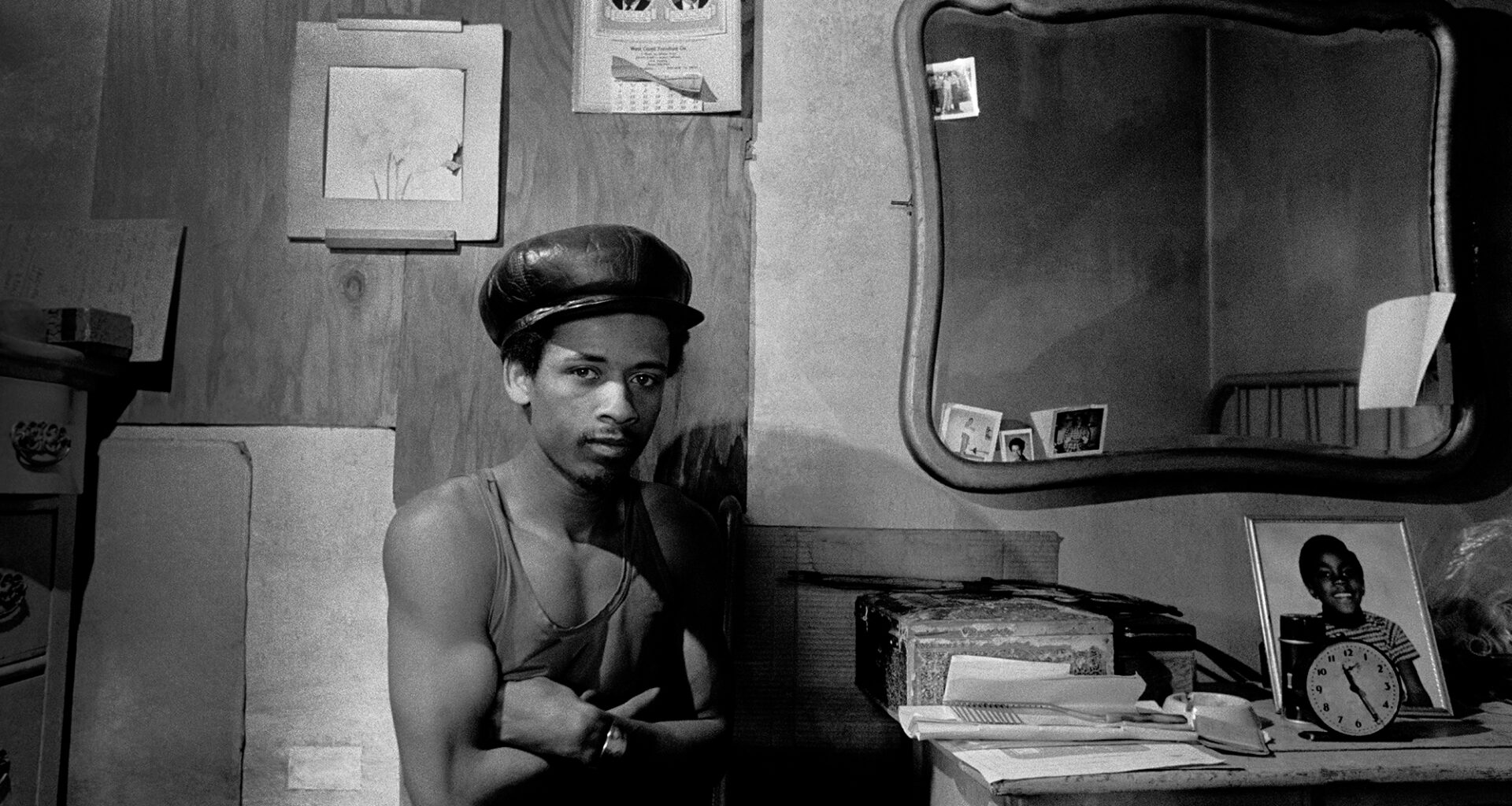
‘Soul City: Oakland U.S.A.’ captures the spirit of a neighborhood’s Black community in the Watergate era.
Sep 15, 2026
Updated 11:05 am PT
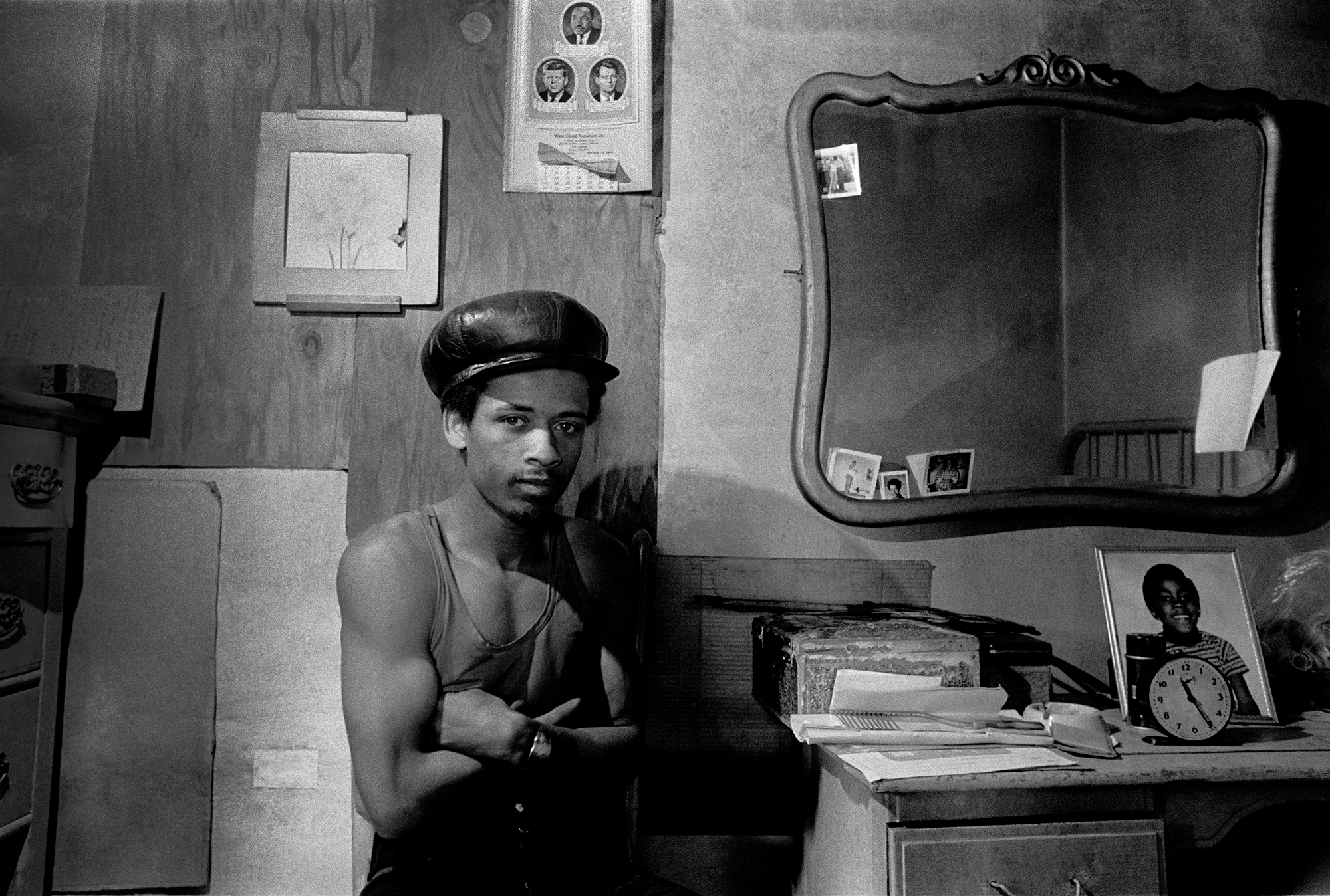
Photo from ‘Soul City: Oakland, U.S.A.’ by Ken Light, with foreword by Ishmael Reed. (© Ken Light / Courtesy Heyday Books)
Ken Light knew that his photos capturing the spirit of West Oakland’s Black community would find an audience one day. He just didn’t realize how long it would take.
With more than a dozen books to his credit and a shelf full of awards, Light is one of California’s most eminent photojournalists. But it’s taken half a century for his first Bay Area project to come fully and gloriously to light with the Sept. 22 release of Soul City: Oakland, U.S.A. through Berkeley’s Heyday Books.
It’s not that he didn’t try to find an outlet. In the mid-1970s, recently settled in South Berkeley and surviving on his girlfriend’s food stamps, Light set out to portray a community deeply disrupted by freeway construction, “urban renewal” projects and centrifugal economic forces siphoning off well-paying industrial jobs. Welcomed into storefront churches, weathered homes, small business, factories and street corners, he spent two years shooting regular folks at work, play and worship.
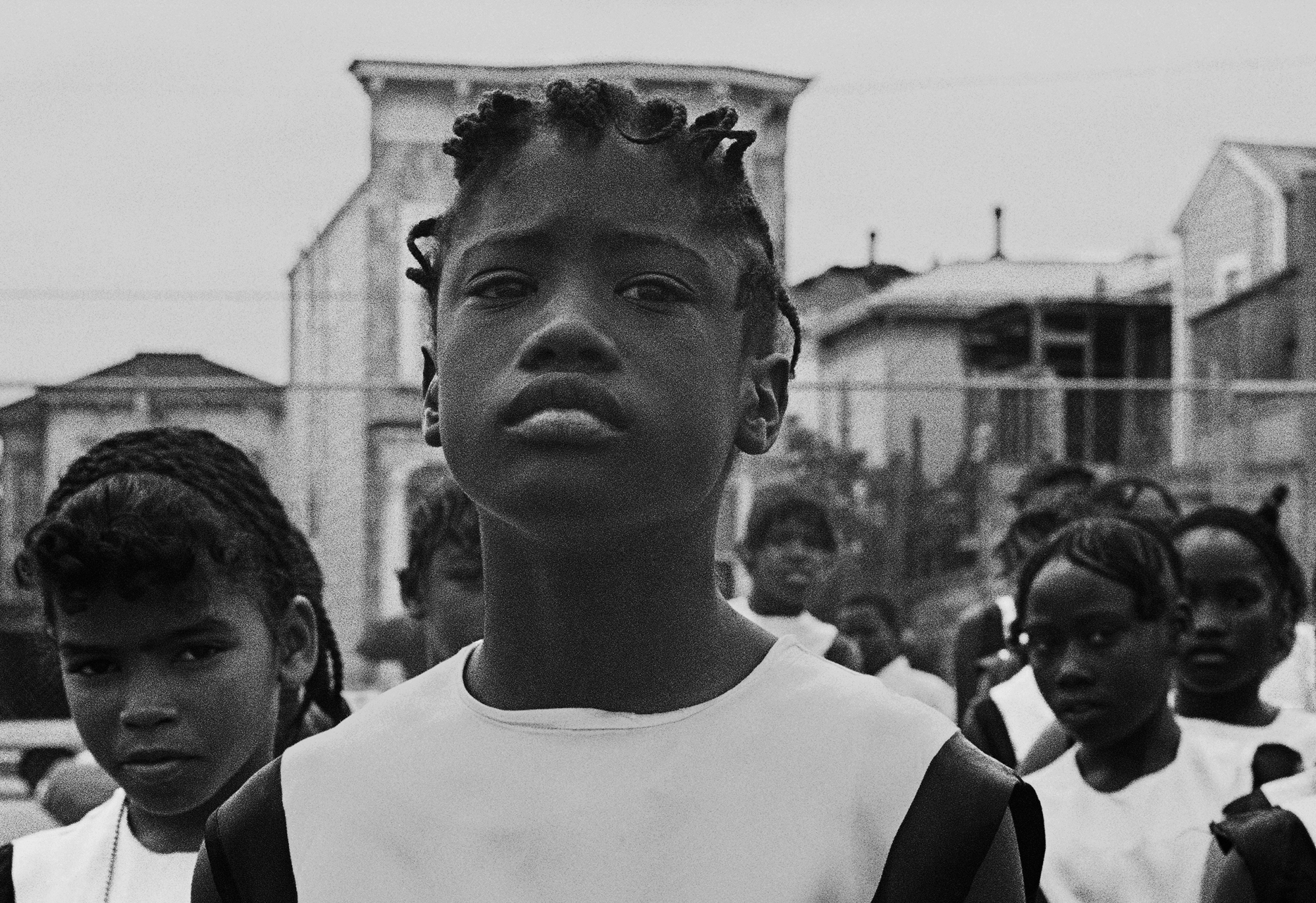 Photo from ‘Soul City: Oakland, U.S.A.’ by Ken Light, with foreword by Ishmael Reed. (© Ken Light / Courtesy Heyday Books)
“There was a small show at the Berkeley Art Center at the time, but other than that, nobody was interested,” Light recalls. “I hate to say it, but one publisher said, ‘Who cares about Black people?’”
About 30 of the photos are now on display at UC Berkeley’s North Gate Hall, where Light serves as a photojournalism professor at the Graduate School of Journalism. The exhibition encompasses many of the most striking images from Soul City, including a shot of two young teenage boys on bicycles, confidently meeting the camera’s gaze.
There’s the book’s kinetic cover image of a boy on a street corner, mid-somersault and upside down, forever defying gravity. And in an photo that could fuel a PhD dissertation on advertising semiotics, a moustachioed middle-aged man, his jeans tucked into knee-high boots, stands in front of a jaw-dropping billboard for Country Club Malt Liquor, topped by the tagline “Bad Dude’s Brew.”
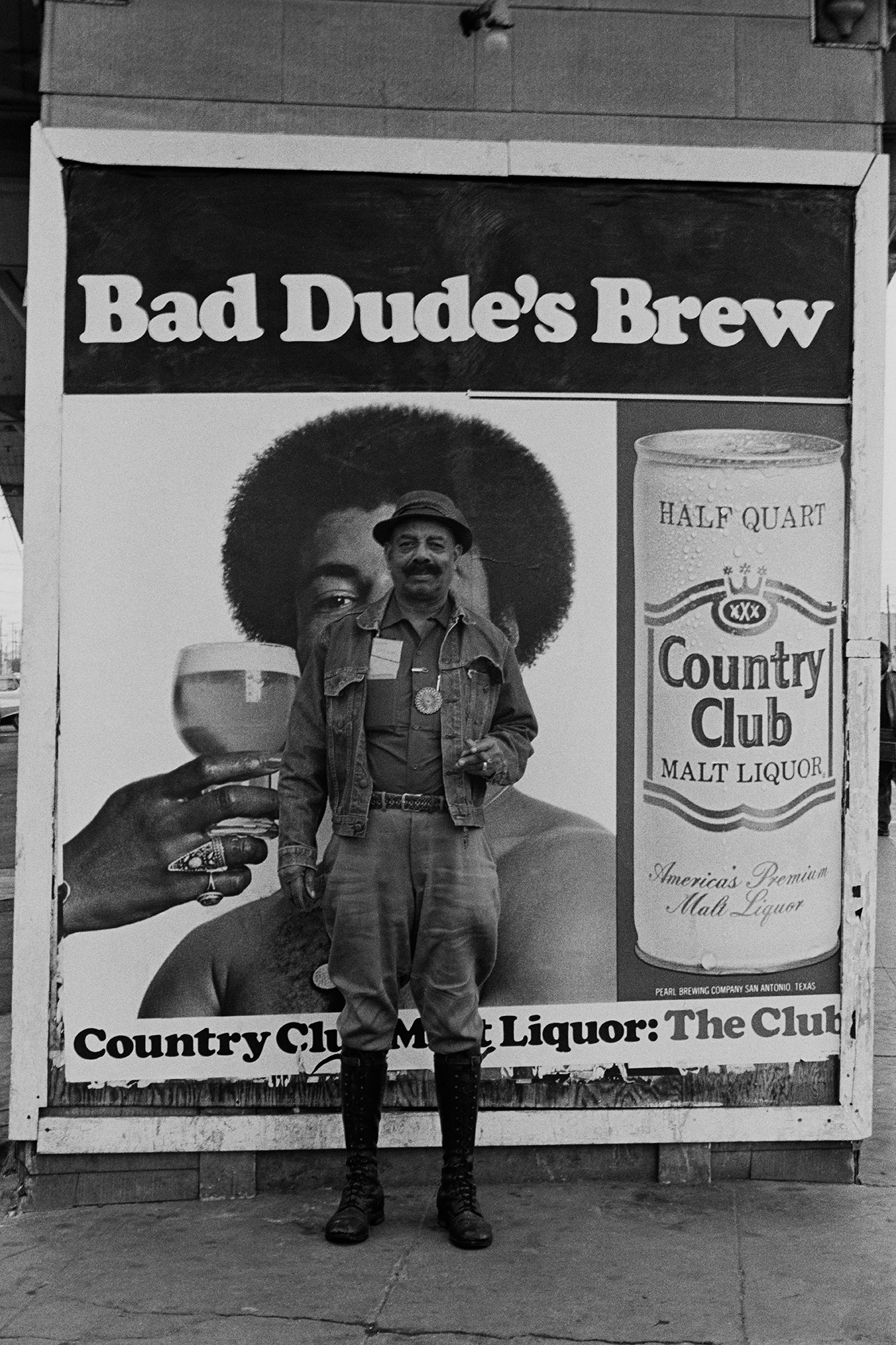 Photo from ‘Soul City: Oakland, U.S.A.’ by Ken Light, with foreword by Ishmael Reed. (© Ken Light / Courtesy Heyday Books)
Light celebrates the book’s release with a reception at North Gate Hall on Sept. 24 in conversation with Noni Session, a West Oakland native, cultural anthropologist, and the co-founder and executive director of the East Bay Permanent Real Estate Cooperative.
On Oct. 10, Light appears at the Museum of the African Diaspora with novelist and essayist Ishmael Reed, along with Lewis Watts, photographer, professor emeritus of art at UC Santa Cruz and archivist for another storied Black neighborhood as co-author of Heyday Books’ Harlem of the West: The San Francisco Fillmore Jazz Era. Light also discusses Soul City at the Oakland Public Library on Nov. 19.
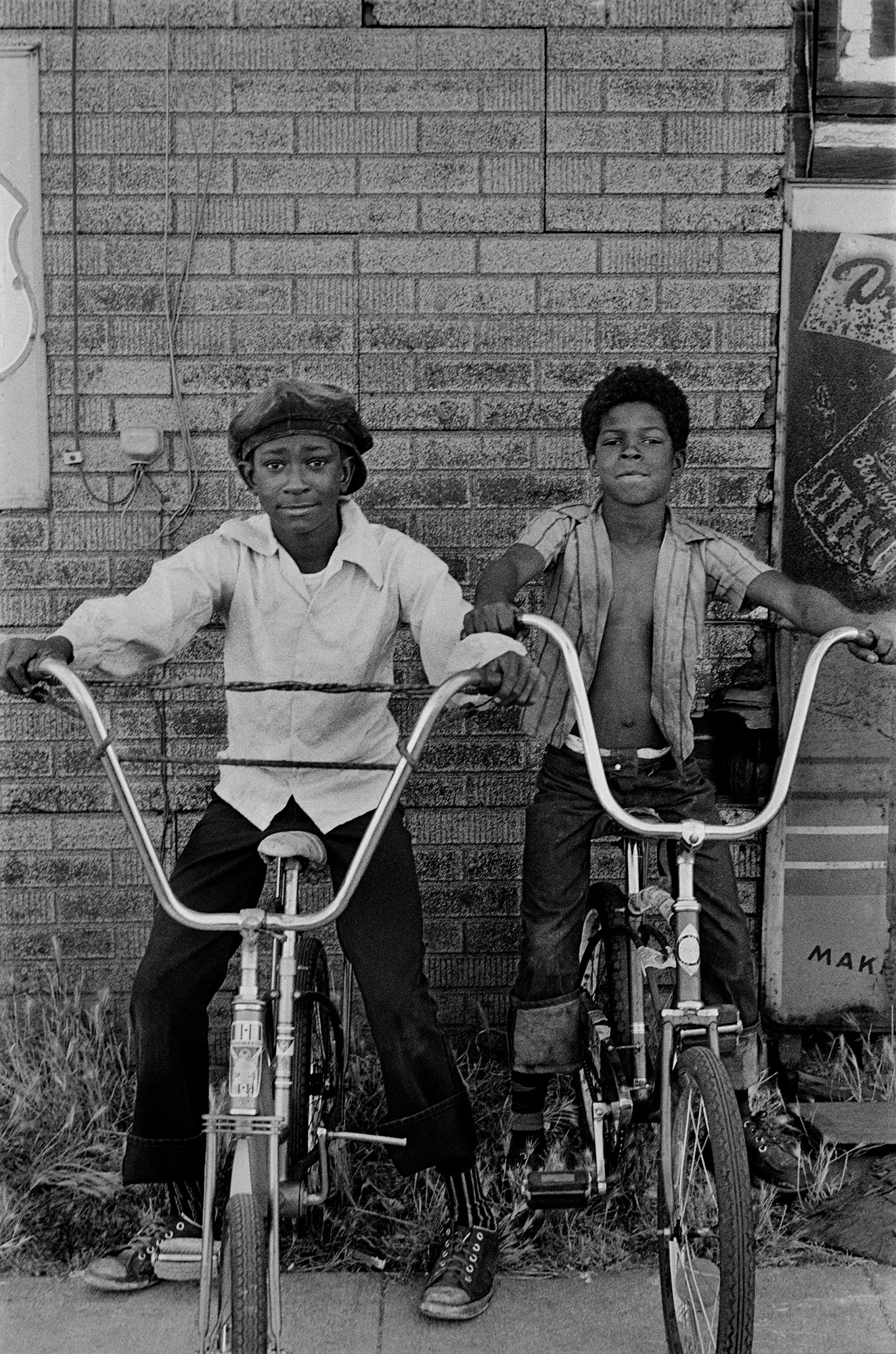 Photo from ‘Soul City: Oakland, U.S.A.’ by Ken Light, with foreword by Ishmael Reed. (© Ken Light / Courtesy Heyday Books)
In authoring the foreword for Soul City, Reed, the Oakland bard and chronicler of American phantasmagoria, laments the demographic shifts that have diluted Oakland’s Black plurality since the mid-1970s.
“Just as we gaze at photos of other historic Black zones that have been razed,” Reed writes, “Ken Light’s photos will remind future generations that there was a time when Blacks lived among deteriorating Victorians, and no matter how miserable the environment, they had pride and they had friends, made love, had jobs, ran businesses, and made much from little, which has been the strategy of Blacks since the slave ships landed.”
His macro perspective elides the poetry of Soul City, which unfolds with cinematic syntax, complete with establishing shots of a rain-slicked empty street and news racks that immediately pin the moment as mid-Watergate. Light’s connection to the neighborhood’s citizens seems to deepen, photo after photo, as the locations gradually move indoors.
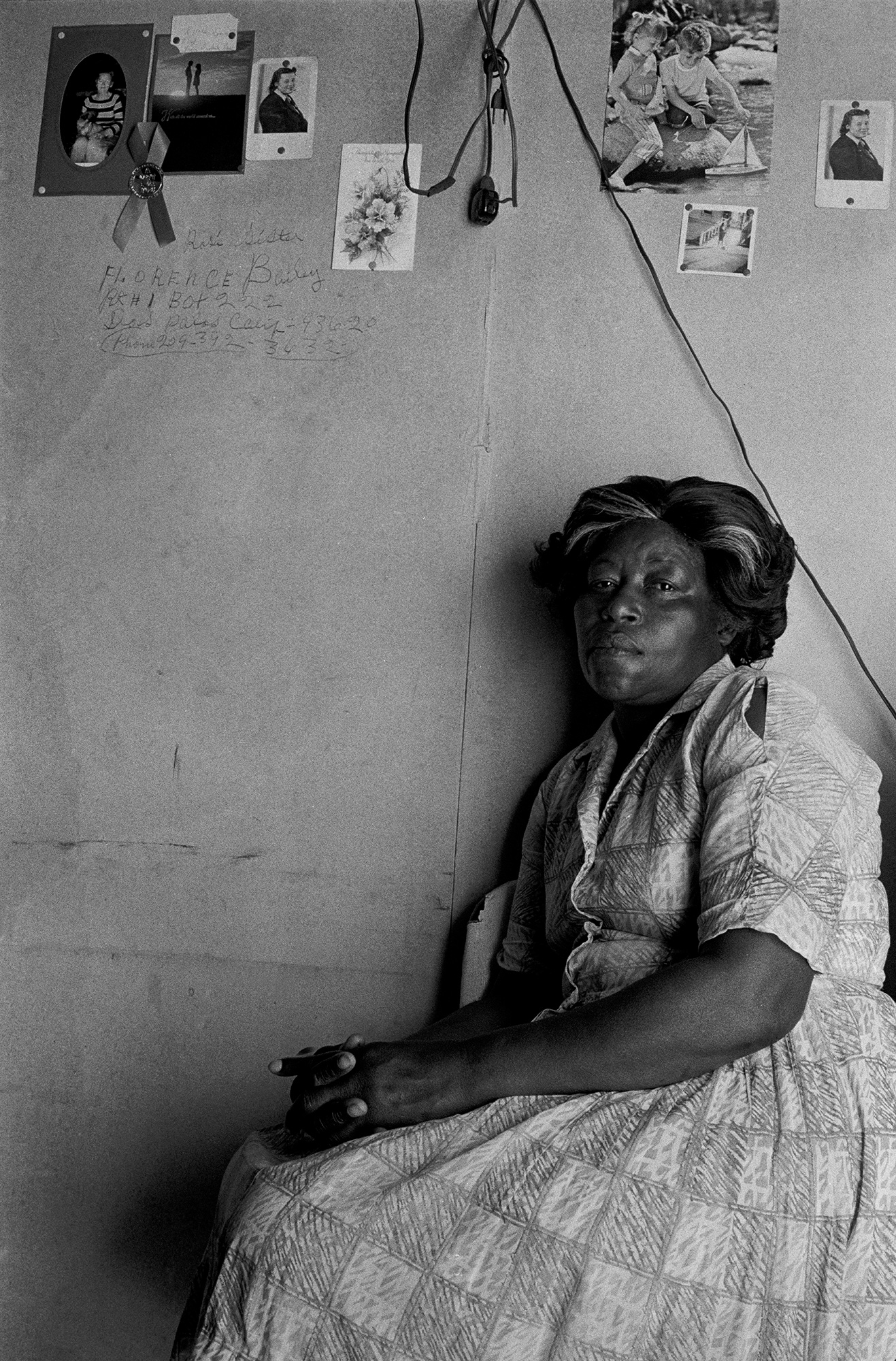 Photo from ‘Soul City: Oakland, U.S.A.’ by Ken Light, with foreword by Ishmael Reed. (© Ken Light / Courtesy Heyday Books)
Light started by driving around in a 1970 blue and white Volkswagen van, taking shots on the street and giving people the prints. A conspicuous figure, he soon started getting flagged down by people who wanted him to take their photos, which led to invitations into homes.
“Going into people’s homes, it’s a sacred space,” Light said. “A really exciting part of this book is that there are so many portraits in living rooms and bedrooms. You can see what they’re wearing, what they have on the walls, the artifacts on nightstands.”
And, as Reed notes in the forward, “you can discern the political situation of Black America by hairstyles.” The profusion of coifs speak to generational attitudes, along with the reign of Afros of all shapes and sizes. But Light was equally interested in the built environment, capturing the omnipresent posters and advertisements hawking beer, booze and cigarettes.
Ken Light appears on Thursday, Sept. 24 in conversation with Noni Session at UC Berkeley’s North Gate Hall; on Saturday, Oct. 10 with Ishmael Reed and Lews Watts at the Museum of the African Diaspora in San Francisco; and on Thursday, Nov. 19 at the Oakland Public Library‘s Main Branch.